Interior Design
Bathroom Design Ideas for Singapore Homes
Bathroom design ideas for Singapore homes must balance aesthetic ambition with practical realities — compact floor plans, high humidity, strict HDB renovation guidelines, and the daily demands of family life. Yet within these constraints, Singapore homeowners are creating bathrooms that rival boutique hotel wash spaces, proving that good design is about smart choices rather than square footage.
This guide covers layout strategies, material selection, storage solutions, and design trends tailored specifically to Singapore’s housing types and climate.
Layout Strategies for Compact Bathrooms
Most Singapore bathrooms are small by global standards. A typical HDB common bathroom measures just 4 to 5 square metres, while master bathrooms range from 5 to 7 square metres. Maximising every centimetre is essential.
Wet and Dry Zoning
Separating the wet (shower) and dry (vanity and toilet) zones is the single most impactful layout decision for Singapore bathrooms. A glass shower screen or partition keeps water contained, allowing the dry zone to remain comfortable and preventing the entire bathroom from feeling perpetually damp — a significant advantage in our humid climate.
For very compact bathrooms where a fixed screen is impractical, a weighted shower curtain or a partial glass panel provides some separation without consuming floor space.
Wall-Hung Fixtures
Wall-hung vanities and wall-mounted toilets free up floor space and make the bathroom easier to clean. By lifting fixtures off the floor, you create a sense of visual lightness and can see more of the floor surface, which tricks the eye into perceiving a larger room. This approach is particularly effective in small HDB common bathrooms.
Niche and Recessed Storage
Recessed wall niches in the shower area eliminate the need for freestanding caddies and shelves that clutter the space. Built-in niches above the vanity or beside the mirror provide storage without projecting into the room. For HDB flats, check with your contractor that the wall construction allows for recessing before planning niches.
Material Selection for Singapore Bathrooms
Materials in Singapore bathrooms must withstand constant moisture exposure, high humidity, and frequent cleaning. The right material choices ensure longevity and reduce maintenance.
Floor and Wall Tiles
Porcelain and ceramic tiles remain the standard for Singapore bathrooms due to their water resistance, durability, and design variety. Large-format tiles (600mm x 600mm or larger) minimise grout lines, creating a cleaner look and reducing mould-prone joints. Rectified tiles with narrow grout joints (2-3mm) further enhance this effect.
For shower floors, specify tiles with an adequate slip-resistance rating (R10 or higher). Smaller mosaic tiles on shower floors provide more grout lines and thus more grip underfoot.
Vanity Surfaces
Solid surface, quartz, and sintered stone countertops resist water damage and staining. Avoid natural marble in wet bathroom environments — it is porous, stains easily, and requires regular sealing. Engineered alternatives deliver the marble look without the maintenance burden.
Waterproof Wall Finishes
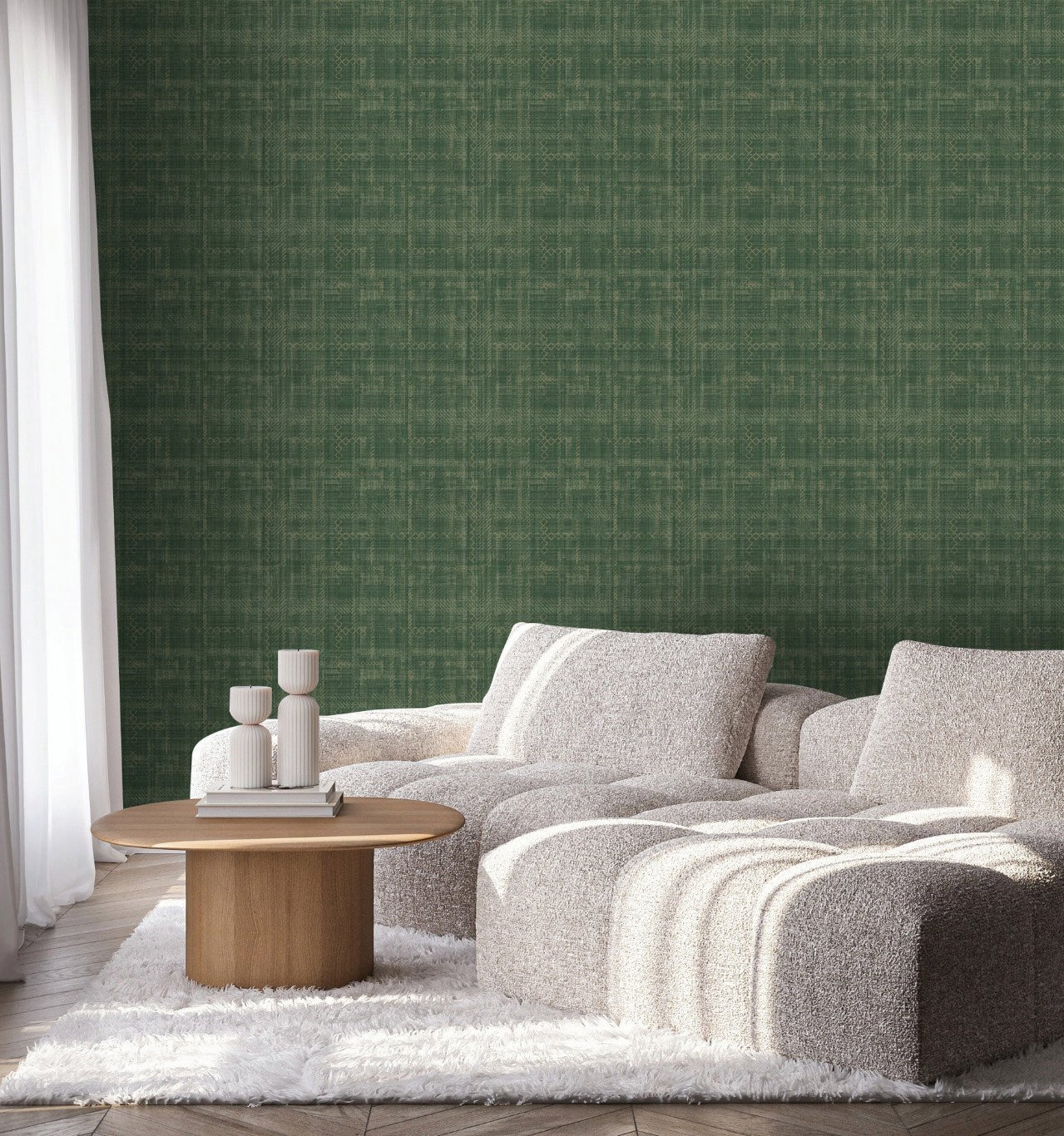
Beyond tiles, consider waterproof wall panels for areas outside the direct splash zone. Textured, moisture-resistant wallcoverings can be used in the dry zone of the bathroom — above the vanity mirror wall or on the wall opposite the shower — to add warmth and design interest. Ensure any wallcovering used in bathrooms is rated for high-humidity environments.
Flooring Beyond Tiles
Waterproof luxury vinyl flooring in timber or stone effects can be used in bathroom dry zones for a warmer, softer feel underfoot compared to cold tiles. This is particularly popular in master bathrooms of landed homes and larger condos where the dry zone is clearly separated from the wet zone.
Design Styles for Singapore Bathrooms
Hotel-Inspired Minimalist
Clean lines, neutral tones, frameless glass, and concealed storage create a serene, hotel-like atmosphere. This style suits modern condos and BTO flats, where the architectural context is already minimal. White, grey, and warm timber tones dominate, with matte black hardware providing subtle contrast.
Spa Retreat
Natural stone, warm timber accents, rainfall showerheads, and greenery transform the bathroom into a wellness space. Pebble-tile shower floors, wooden bath trays, and potted ferns add sensory richness. This style works particularly well in master bathrooms where you have more space to create an immersive experience.
Contemporary Bold
Coloured tiles, patterned feature walls, terrazzo surfaces, and brass or gold hardware create bathrooms with personality and energy. This approach suits homeowners who want their bathroom to be as design-forward as their living spaces. A single patterned feature wall keeps the boldness contained and manageable.
Industrial Modern
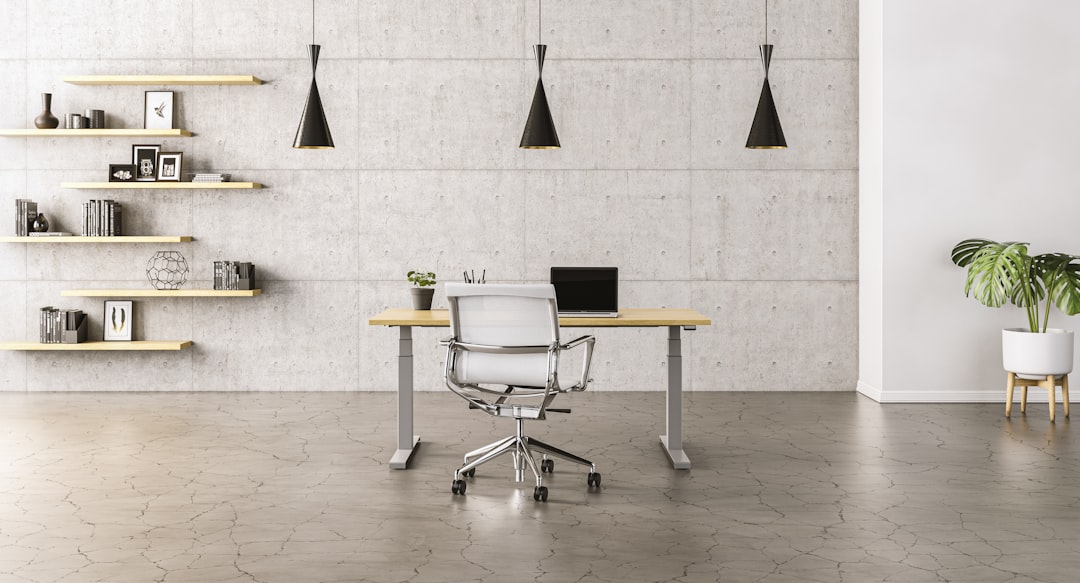
Exposed concrete finishes, matte black fixtures, metal-framed mirrors, and cement-look tiles create a raw, urban aesthetic. This style suits loft-inspired condos and HDB flats with an industrial design direction throughout the home.
Storage Solutions
Adequate storage prevents bathroom clutter, which is the enemy of good design in small spaces.
- Mirror cabinets: Combining the mirror and storage into a single fixture is the most space-efficient option for compact bathrooms. Recessed mirror cabinets sit flush with the wall, maintaining a clean profile.
- Under-vanity storage: Drawer units beneath the vanity counter provide hidden storage for toiletries, cleaning supplies, and towels. Soft-close drawer mechanisms are a worthwhile investment.
- Over-toilet shelving: The wall space above the toilet is often wasted. Open shelving or a slim cabinet here adds storage without affecting the room’s functionality.
- Towel niches: A recessed niche beside the shower or above the bathtub provides a dedicated towel storage spot that keeps towels within reach without cluttering the space.
Ventilation and Humidity Management
No bathroom design discussion in Singapore is complete without addressing humidity. Poor ventilation leads to mould, musty odours, and premature degradation of finishes.
Install an adequately rated exhaust fan and run it during and for at least 20 minutes after every shower. For windowless HDB common bathrooms, a quality exhaust fan is non-negotiable. Ensure the fan vents to the outside — not just into the ceiling void — to effectively remove moist air.
Leave a gap beneath the bathroom door (typically 10-15mm) to allow fresh air to enter and replace the humid air being extracted. Without this airflow path, even a powerful exhaust fan cannot function effectively.
Final Thoughts
Great bathroom design in Singapore comes down to smart spatial planning, appropriate material selection, and a design direction that suits both your aesthetic preferences and your property’s practical constraints. Even the most compact HDB bathroom can feel luxurious when the layout is optimised, materials are chosen for the climate, and storage is thoughtfully integrated.
Start with the fundamentals — wet-dry separation, proper ventilation, durable materials — then layer in the design details that make the space your own.
Request free samples from our Singapore showroom to explore flooring and wall finish options for your bathroom renovation.