Commercial Interiors
Event Hall Interior Design: Flexible and Elegant
Event hall interior design must balance elegance with extreme practicality. A single venue may host a corporate gala on Friday evening, a wedding banquet on Saturday, and a product launch on Monday morning, each requiring a different atmosphere, layout, and mood.
Achieving this flexibility without compromising on aesthetics demands careful selection of finishes, furnishings, and spatial planning. Here is how to design an event hall that performs beautifully across every occasion.
Understanding the Unique Demands of Event Spaces
Unlike a restaurant or office that serves one consistent purpose, an event hall must accommodate widely varying functions. This creates specific design challenges.
Flooring must withstand heavy furniture rearrangement, stiletto heels, catering trolleys, and frequent deep cleaning. Walls must resist scuffing from equipment and serve as neutral backdrops for varied decorative themes. Acoustics must support speeches and music without excessive reverberation.
In Singapore, where event spaces operate at high utilisation rates year-round, durability is not a luxury but a baseline requirement. Materials that look worn after 12 months of heavy use represent a significant reinvestment cost.
Flooring Solutions for High-Traffic Event Venues
Flooring is the single most impacted surface in any event hall. It must look impeccable for upscale events while enduring constant wear.
Luxury vinyl tile (LVT) has become the preferred choice for many Singapore event venues. It offers the visual appeal of natural wood or stone with superior resistance to scratches, dents, and moisture. Spills from catering can be wiped up without risk of permanent staining.
For venues that host formal dinners and galas, dark timber-look or marble-look LVT creates a sophisticated atmosphere. Lighter finishes suit daytime events and conferences where a bright, open feeling is desired.
Key Flooring Performance Criteria
| Criterion | Why It Matters | Recommended Specification |
|---|---|---|
| Wear layer thickness | Resists scratches from furniture and foot traffic | 0.5 mm or above for commercial use |
| Slip resistance | Safety when floors are wet from spills or cleaning | R10 rating or higher |
| Acoustic underlayment | Reduces impact noise from heels and equipment | Integrated or separate underlayment |
| Dimensional stability | Prevents warping under temperature and humidity changes | SPC or rigid-core construction |
Carpet for Breakout and Pre-Function Areas
While the main hall benefits from hard flooring that allows easy furniture rearrangement, pre-function lobbies and breakout rooms often use carpet tiles. Carpet absorbs sound, adds warmth, and signals a shift from the main event area to a more intimate space.
Modular carpet tiles are practical because individual tiles can be replaced if stained or damaged, avoiding the cost of recarpeting an entire area.
Wall Treatments and Acoustic Control
Bare walls in a large hall create echo and reverberation that undermine speeches, toasts, and presentations. Acoustic treatment is essential, but it need not look institutional.
Fabric-wrapped acoustic panels provide sound absorption while adding colour and texture. Positioned at intervals along side walls and at the rear of the hall, they reduce reverberation time to levels comfortable for both speech and music.
Vinyl wallcoverings in neutral tones offer a durable, easy-to-clean finish for walls not covered by acoustic panels. They resist scuffing from equipment trolleys and banquet tables and can be wiped down between events.
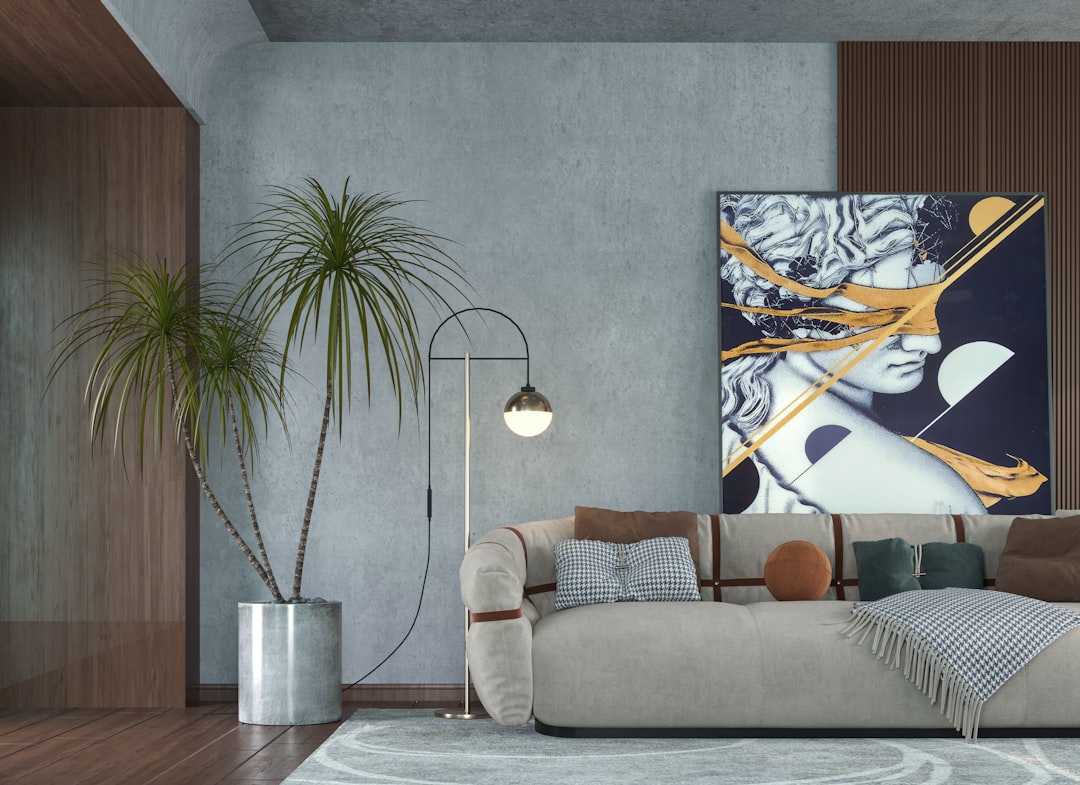
For feature walls behind stages or head tables, textured wallcoverings in rich tones such as deep navy, charcoal, or champagne gold add a sense of occasion without competing with event-specific decorations.
Lighting and Spatial Flexibility
Lighting is the single most powerful tool for transforming an event hall’s atmosphere between functions. A layered lighting system combines ambient, task, and accent lighting that can be adjusted for each event type.
Dimmable downlights provide general illumination for conferences and meetings. Warmer, dimmed settings suit dinners and cocktail receptions. Uplighting along walls highlights wallcovering textures and creates a sense of height.
Track lighting or movable spotlights allow event organisers to direct attention to stages, display areas, or focal points as needed. Integrating lighting controls into a user-friendly preset system means venue staff can switch moods in minutes.
Partition Systems
Operable partition walls allow a large hall to be divided into smaller rooms for concurrent events or more intimate gatherings. Acoustic-rated partitions maintain speech privacy between divided spaces.
Ensure flooring transitions are seamless where partitions meet the floor. LVT and carpet tiles both accommodate partition tracks without unsightly gaps or trip hazards.
Furniture and Layout Considerations
Event halls require furniture that is durable, stackable, and visually appropriate for multiple event types. Banquet chairs with upholstered seats and stackable frames are the standard for Singapore venues.
Performance fabrics on chair seats resist staining from food and drink while maintaining a polished appearance. Choose neutral upholstery colours that complement the hall’s flooring and wall palette rather than competing with event-specific table linen and decorations.
Round tables seat eight to ten guests comfortably for banquets, while rectangular or classroom-style arrangements suit seminars and workshops. Storage for surplus furniture should be planned into the design from the outset to avoid cluttered back-of-house areas.
Sustainability in Event Hall Design
Sustainable material choices are increasingly expected by corporate clients booking event spaces. Low-VOC flooring, recyclable carpet tiles, and wallcoverings produced with responsible manufacturing processes all contribute to a venue’s environmental credentials.
Energy-efficient LED lighting reduces operating costs and heat output, improving guest comfort in air-conditioned Singapore venues. Durable materials that last longer between replacement cycles also reduce the overall environmental footprint of the space.
These choices are not only environmentally responsible; they are a competitive advantage when marketing to organisations with corporate sustainability commitments.
Final Thoughts
Successful event hall interior design creates a versatile, elegant space that adapts effortlessly to different occasions. The foundation lies in selecting durable, high-performance flooring and wall finishes that maintain their appearance under constant use.
Acoustic control, flexible lighting, and practical furniture selections complete the picture, ensuring every event feels tailored rather than generic.
Get a free quote for your project today and explore commercial-grade flooring and wallcovering solutions for your event venue.