Interior Design
Kids Playroom Design Ideas for Singapore Homes
Kids playroom design ideas need to balance creativity and stimulation with safety, durability and the spatial realities of Singapore housing. Whether you are converting a spare bedroom in an HDB flat, carving out a corner of a condo living room or dedicating an entire room in a landed home, a well-designed playroom encourages imaginative play, supports developmental milestones and — crucially — stays tidy enough for parents to maintain their sanity.
This guide offers practical design strategies tailored to Singapore’s housing types, climate and family lifestyles.
Planning the Space: Size and Layout
Not every Singapore home has the luxury of a dedicated playroom. The design approach depends on the space available:
Dedicated room (spare bedroom or study): The ideal scenario. A full room allows zoning for different activities — active play, quiet reading, arts and crafts — with purpose-built storage and durable finishes throughout.
Shared living room zone: Common in 3- and 4-room HDB flats. Define the play area with a rug, low shelving as a boundary marker, or a subtle shift in wall colour or wallpaper. The zone should be visible from the kitchen for supervision but visually contained to prevent the living room from feeling like a toy warehouse.
Under-loft or mezzanine: Landed homes and high-ceiling condos can create play lofts above sleeping areas or storage. These elevated spaces feel magical to children and free up floor area below.
Regardless of size, ensure clear sightlines from adjacent rooms. Singapore parents often manage meals and play simultaneously, and unobstructed views reduce anxiety and increase the playroom’s actual usage.
Flooring That Handles Everything
Playroom flooring must withstand dropped toys, spilled drinks, art supplies and the constant traffic of small, energetic feet. The surface should be comfortable for sitting and playing on the floor — a favourite activity for children under seven — while being easy to clean.
- Luxury vinyl tile (LVT) or SPC flooring: The top choice for Singapore playrooms. Waterproof, scratch-resistant, comfortable underfoot and available in cheerful designs or natural wood looks. The cushioned core absorbs impact noise — a welcome feature for downstairs neighbours in HDB blocks. Explore the range of vinyl flooring suitable for family spaces.
- Carpet tiles: Soft, warm and replaceable individually if stained beyond recovery. Carpet tiles in bright colours can create patterns or play zones directly in the floor design.
- Foam play mats: Useful as a supplementary layer over hard flooring for very young children, but they degrade quickly, trap dirt in seams and are difficult to keep hygienic long-term.
Avoid polished surfaces (marble, glossy tiles) in playrooms — they are slippery when wet and unforgiving when children fall.
Walls: Colour, Creativity and Durability
Playroom walls take a beating. Choose finishes that handle marks, moisture and the occasional crayon masterpiece:
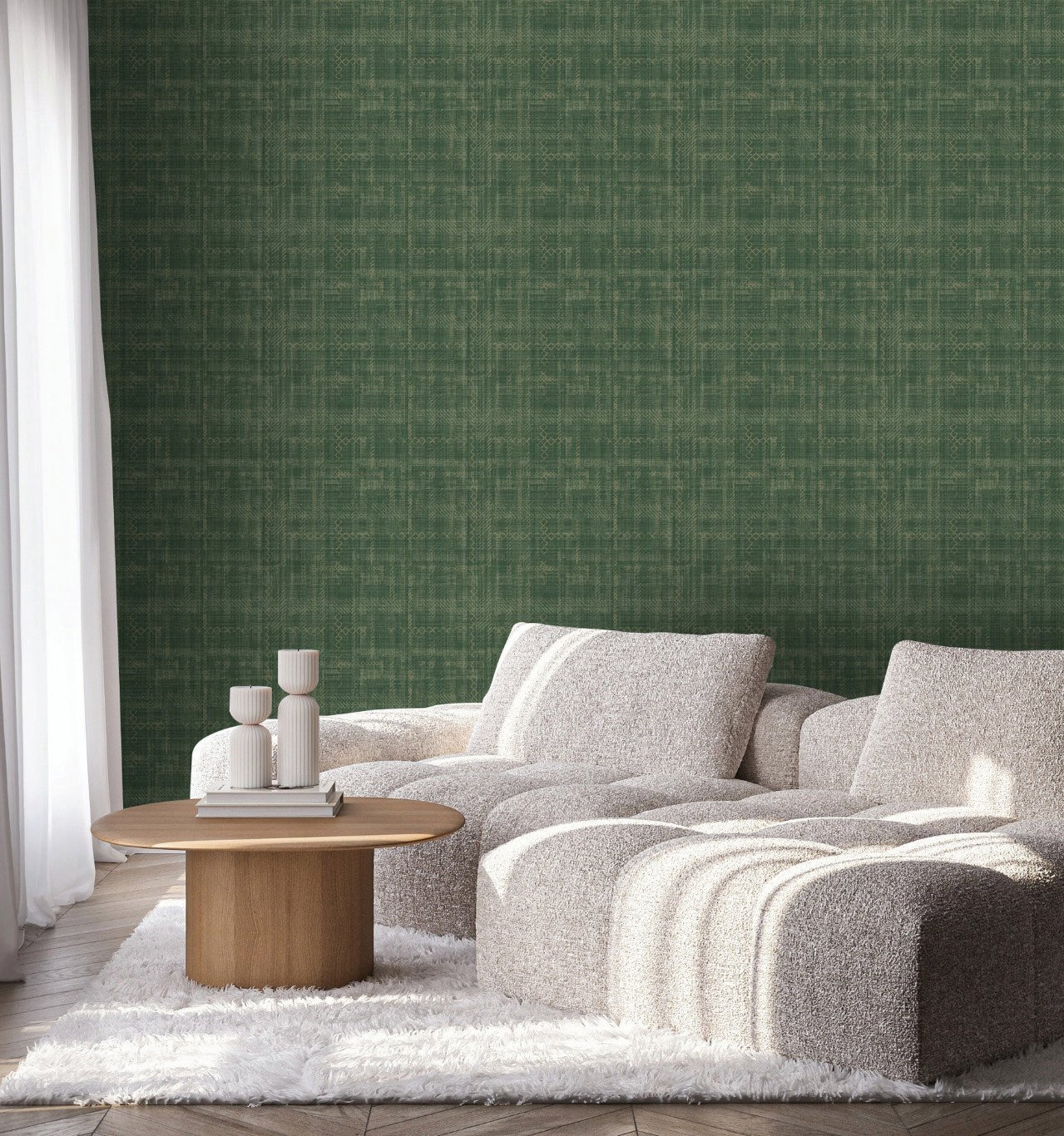
Washable wallpaper: Vinyl-coated wallcoverings in playful designs withstand wiping and light scrubbing. Kids’ wallpaper ranges include themes from subtle geometrics to immersive murals — maps, jungles, underwater scenes — that stimulate imagination and serve as backdrops for play.
Chalkboard or whiteboard walls: A section of chalkboard or dry-erase paint gives children a designated drawing surface, channelling the urge to draw on walls into an approved zone. Pair with standard wallpaper on remaining walls for a balanced look.
Colour psychology: Playrooms benefit from energising but not overstimulating colours. Soft yellows, greens and blues encourage activity and creativity. Reserve bold primary colours for accents — a single red shelf, an orange beanbag — rather than entire walls, which can cause sensory overload in young children.
Storage Solutions That Children Can Use
The most beautiful playroom fails if it cannot stay organised. Effective storage in a Singapore playroom follows one principle: if children can access it easily, they are more likely to put things back.
- Low open shelving: Cubbies at child height with labelled bins (picture labels for pre-readers) encourage independent tidying. Place frequently used toys at the bottom, less-used items higher up.
- Built-in bench seating with storage: Maximises floor space in compact HDB playrooms. The bench doubles as a reading nook and the interior stores bulky toys.
- Vertical storage: Wall-mounted bookshelves, pegboards for art supplies and hanging fabric organisers use vertical space that is otherwise wasted in small rooms.
- Rotate rather than accumulate: Store excess toys out of sight and rotate them monthly. A smaller selection of visible toys encourages deeper, more creative play and reduces clutter.
Activity Zones for Different Ages
A well-zoned playroom accommodates multiple activities and grows with the child:
Active play zone: Space for climbing, tumbling and physical play. In compact rooms, a small indoor slide or climbing wall mounted against a reinforced wall works well. Ensure adequate cushioning below with thick play mats or carpet.
Creative zone: A child-sized table and chairs for drawing, painting, playdough and puzzles. Position near natural light and close to a water source (or keep wet wipes handy). Protect the floor beneath with an easy-clean mat or vinyl flooring.
Quiet zone: A reading corner with soft seating — floor cushions, a small armchair or a canopy nook — and accessible bookshelves. Slightly separated from the active zone, this area encourages winding down and independent reading.
Imaginative play zone: Space for a play kitchen, dress-up station or building block area. This zone evolves as children grow — the play kitchen becomes a craft station, the dress-up corner becomes a music area.
Safety Essentials for Singapore Playrooms
Child safety in the playroom goes beyond soft flooring:
- Furniture anchoring: Secure all tall shelving and bookcases to the wall with anti-tip brackets. This is essential in earthquake-free Singapore too — children climb.
- Rounded edges: Choose furniture with rounded corners or add silicone corner protectors to existing pieces.
- Window safety: Install window grilles or restrictors on any playroom window. HDB flats above the ground floor require window grilles by regulation for units with young children.
- Electrical safety: Cover unused power outlets with safety plugs. Route cords behind furniture and out of reach.
- Non-toxic materials: Ensure paints, wallpapers and flooring are low-VOC and free from harmful chemicals. Look for certifications such as GREENGUARD or OEKO-TEX.
Final Thoughts
Kids playroom design ideas for Singapore homes succeed when they prioritise function alongside fun. Durable, easy-clean surfaces handle the realities of childhood; smart storage maintains order; and thoughtful zoning supports a range of activities within whatever space is available.
Design the playroom for the children you have — their ages, interests and energy levels — while building in flexibility for the years ahead. The best playrooms grow with the family.
Book an appointment with our design consultants to explore child-friendly flooring and wallcovering options for your playroom project.