Carpet & Flooring
Floor Tiles vs Vinyl Flooring: Singapore Guide
The debate between floor tiles vs vinyl flooring is one that almost every Singapore homeowner faces during a renovation. Both options are well suited to our tropical climate, but they differ significantly in cost, comfort, installation and long-term maintenance. Understanding these differences helps you make a decision you will be happy with for years to come.
This guide offers a practical, side-by-side comparison to help you choose the right flooring for your HDB flat, condo or landed property.
Understanding Floor Tiles
Floor tiles encompass a broad category including ceramic, porcelain and natural stone. In Singapore, porcelain and ceramic tiles dominate residential projects due to their durability and wide availability.
Porcelain Tiles
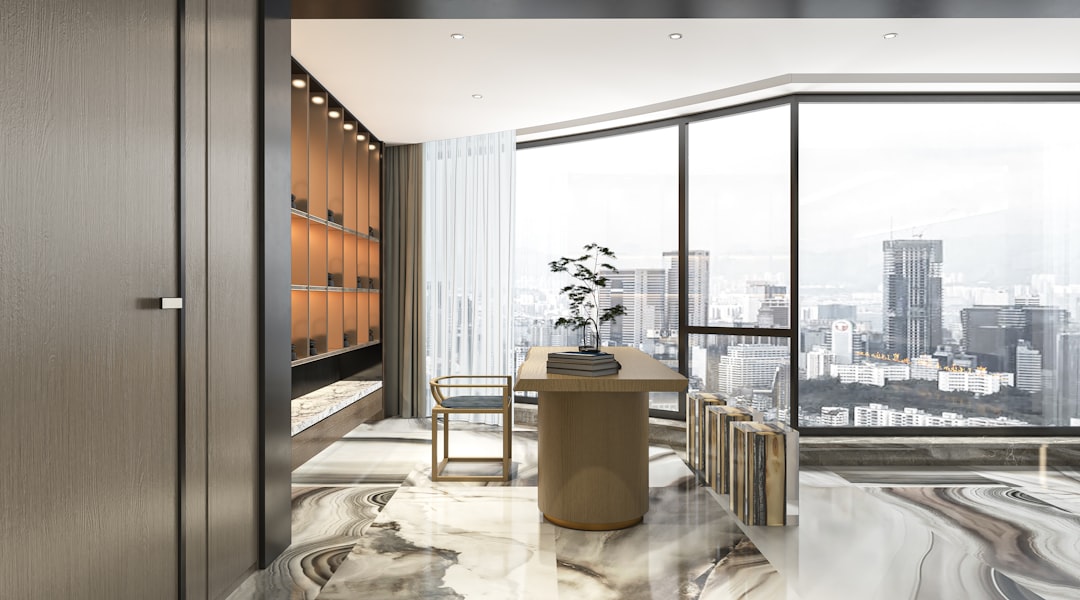
Porcelain is fired at extremely high temperatures, producing a dense, hard-wearing tile with very low water absorption (below 0.5 per cent). This makes porcelain particularly suitable for bathrooms, kitchens and wet areas. It is available in polished, matte and textured finishes, and modern manufacturing techniques can replicate the look of marble, wood and concrete with remarkable accuracy.
Ceramic Tiles
Ceramic tiles are slightly softer and more porous than porcelain. They tend to be more affordable but are less suitable for heavy-traffic areas. For bedrooms and living spaces with moderate use, ceramic tiles perform well.
Understanding Vinyl Flooring
Vinyl flooring has evolved dramatically from the thin, peel-and-stick sheets of decades past. Today’s luxury vinyl tiles (LVT) and luxury vinyl planks (LVP) offer remarkable realism, durability and comfort.
Modern vinyl flooring typically consists of multiple layers: a protective wear layer, a printed design layer, a stable core (often stone polymer composite or SPC) and a backing layer. This construction delivers water resistance, dimensional stability and underfoot comfort that tiles simply cannot match.
Cost Comparison
Budget is often the deciding factor for Singapore homeowners. Here is how the two options generally compare.
| Cost Factor | Floor Tiles | Vinyl Flooring |
|---|---|---|
| Material cost per sq ft | Moderate to high | Low to moderate |
| Installation cost | Higher (hacking, screeding, laying) | Lower (often over existing floor) |
| Disposal/hacking of old floor | Can be significant | Usually minimal |
| Total project cost | Generally higher | Generally lower |
One of vinyl flooring’s biggest advantages for resale flat renovations is that it can be installed directly over existing tiles. This eliminates the cost, noise and mess of hacking, which can easily save several thousand dollars on a typical HDB project.
Durability and Lifespan
Floor tiles have an edge in raw durability. A well-installed porcelain tile floor can last the lifetime of a property with minimal degradation. Tiles resist scratches, do not fade in sunlight and are impervious to water.
Vinyl flooring is durable in a different way. High-quality LVT with a thick wear layer (0.5mm or above) resists scratches from furniture and pet claws effectively. However, vinyl can be punctured by sharp objects and may show wear after 15 to 20 years of heavy use. Replacing individual planks is straightforward with click-lock systems, which is a practical advantage.
In Singapore’s Climate
Both materials handle humidity well. Tiles are completely unaffected by moisture. Quality SPC vinyl flooring is waterproof and dimensionally stable, though extreme heat from direct sunlight through windows can cause minor expansion in lower-grade products.
Comfort and Practical Living
This is where vinyl flooring excels. Vinyl is warmer and softer underfoot compared to the hard, cool surface of tiles. For families with young children who play on the floor, or elderly family members concerned about fall impact, vinyl provides a meaningful comfort advantage.
- Sound: Vinyl absorbs sound, reducing footstep noise. Tiles amplify it, especially with hard-soled shoes.
- Temperature: Vinyl feels neutral to warm. Tiles can feel cold, particularly in air-conditioned rooms.
- Impact: Dropped items are less likely to break on vinyl. Tiles offer no give, and they themselves can chip or crack from heavy impacts.
Maintenance Requirements
Both options are easy to maintain, though tiles require slightly more attention to grout lines.
Tile floors need periodic grout cleaning to prevent discolouration and mould growth, particularly in wet areas. Grout can stain over time and may need resealing every few years. The tile surfaces themselves are simple to clean with standard mopping.
Vinyl flooring requires only regular sweeping and damp mopping. There are no grout lines to worry about, and the seamless appearance stays consistent over time. Avoid abrasive cleaners or excessive water pooling, and your vinyl floor will maintain its appearance with minimal effort.
Design and Aesthetic Options
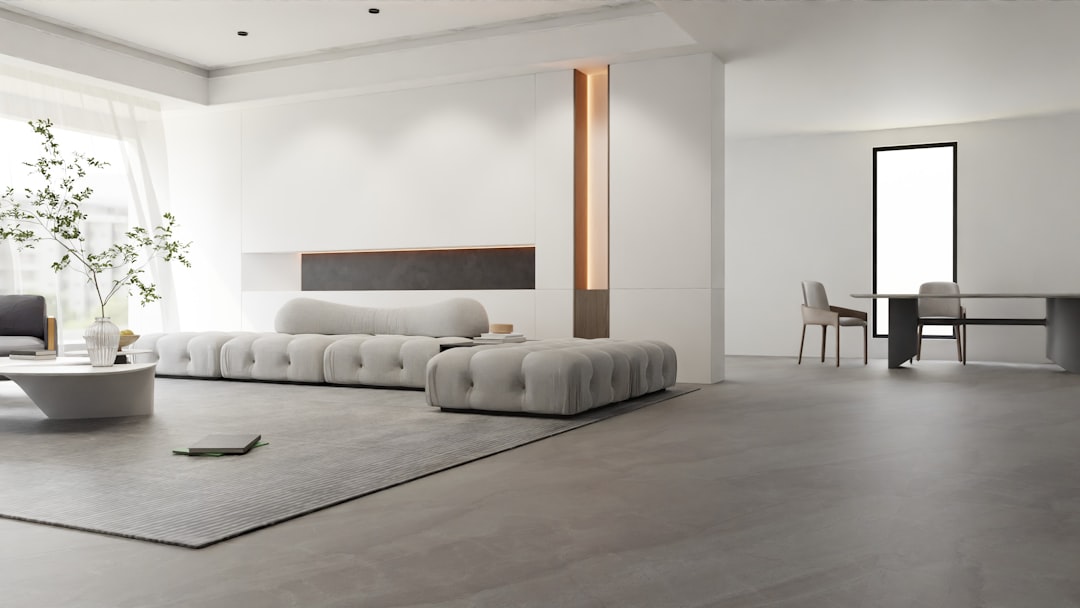
Both materials offer extensive design variety. Tiles come in virtually every colour, pattern and size, from large-format slabs to intricate mosaics. Natural stone tiles provide unique veining and character that is difficult to replicate.
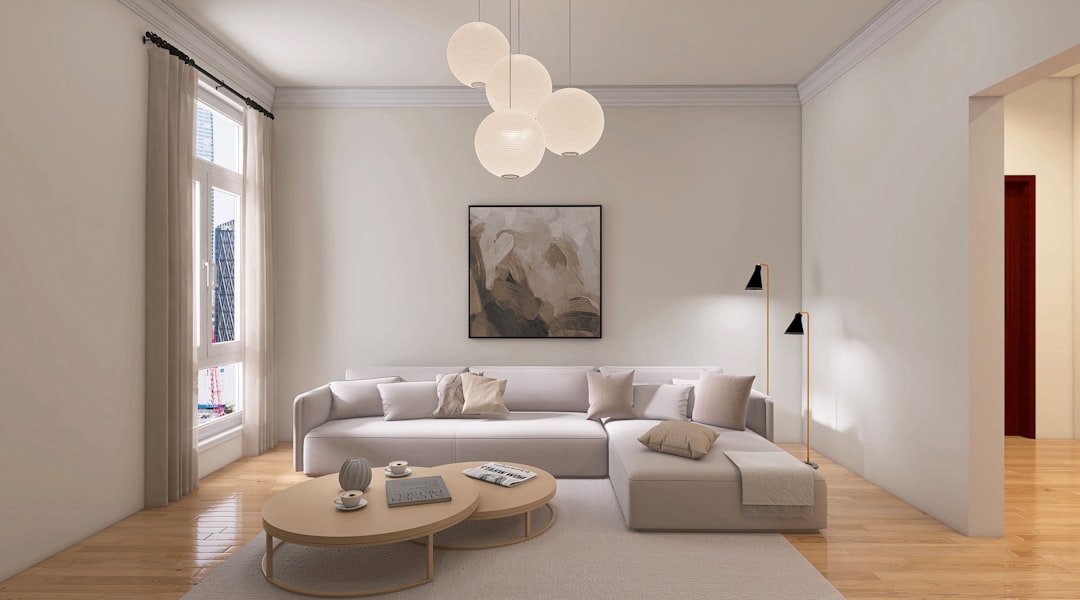
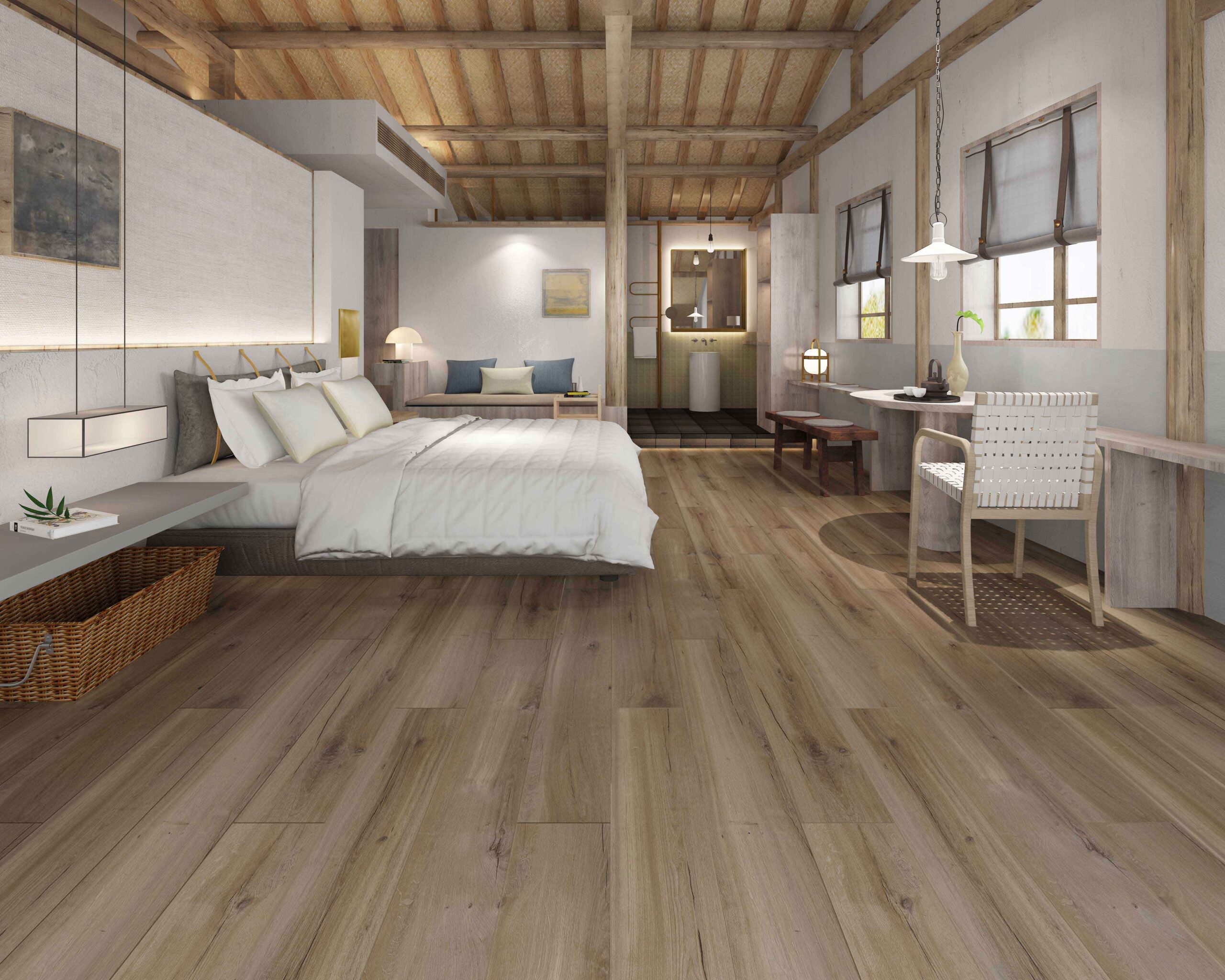
Vinyl flooring excels in replicating natural materials. Wood-effect vinyl planks are particularly popular in Singapore, offering the warmth of timber without the susceptibility to humidity damage. Stone and concrete effects are equally convincing. Explore the full flooring collection to see the range of designs available.
Installation Considerations
Tile Installation
Tile installation is a wet trade that requires skilled labour. The process involves preparing the subfloor, applying adhesive or mortar, laying tiles with spacers, and grouting. For renovations, the existing floor often needs to be hacked, adding time and cost. A typical HDB flat takes one to two weeks for tiling alone.
Vinyl Installation
Vinyl flooring installation is cleaner and faster. Click-lock planks can be laid as a floating floor over existing tiles or screeded surfaces. Most rooms can be completed in a single day. This speed and simplicity make vinyl especially attractive for homeowners who want to minimise renovation disruption.
Which Should You Choose?
Choose floor tiles if: You prioritise maximum durability, plan to stay long-term, are doing a full renovation with hacking anyway, or need flooring for consistently wet areas like bathrooms.
Choose vinyl flooring if: You want a faster, less disruptive installation, prefer a warmer and quieter surface, are renovating a resale flat without hacking, or want a realistic wood-look floor without timber’s drawbacks.
Frequently Asked Questions
Is there vinyl flooring that looks like tile?
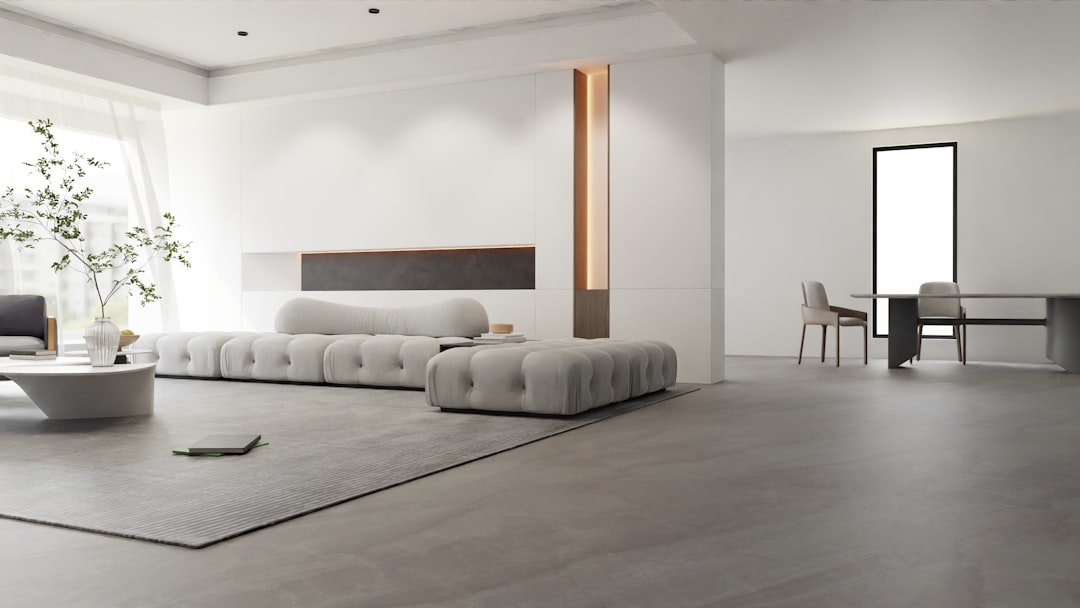
Yes — stone-look and tile-look vinyl comes in large-format pieces with realistic marble, granite and cement visuals, and can even be grouted for a closer match. It delivers the tiled look with a warmer, softer and quieter surface.
Can vinyl flooring go over existing tiles?
In most cases yes, which is exactly why overlays are so popular in Singapore renovations — no hacking, less dust and a faster handover. Grout lines are skim-coated first so they never show through.
Which is colder underfoot, tiles or vinyl?
Tiles. Ceramic and porcelain conduct heat away from your feet, which is why tiled bedrooms feel cold at night even in our climate. Vinyl stays close to room temperature and feels noticeably warmer.
Final Thoughts
There is no universally correct answer in the floor tiles vs vinyl flooring debate. Both are excellent choices for Singapore homes when matched to the right application. Many homeowners opt for a combination, using tiles in bathrooms and kitchens while laying vinyl in living areas and bedrooms.
Request free samples from our Singapore showroom. Get your samples here and compare materials in your own space before committing.