Carpet & Flooring
Linoleum Flooring: A Natural and Sustainable Choice
Linoleum flooring is experiencing a well-deserved revival as homeowners and designers seek sustainable, long-lasting materials that do not compromise on style. Often confused with vinyl, linoleum is in fact an entirely different product, made from natural, renewable ingredients and manufactured in a process that dates back over 150 years.
This guide explores what linoleum flooring is, its benefits and limitations, available styles and how it compares to modern alternatives.
What Is Linoleum Flooring?
Linoleum is a resilient flooring material made primarily from linseed oil (derived from flax seeds), mixed with pine rosin, wood flour, cork dust, limestone and natural pigments. These ingredients are pressed onto a jute or canvas backing to create a durable, flexible sheet or tile product.
Invented in 1860, linoleum was one of the most popular flooring materials worldwide for much of the 20th century. It fell out of favour in the 1960s and 1970s as cheaper vinyl flooring entered the market, but growing interest in sustainability and natural materials has brought it firmly back into the conversation.
Key Benefits of Linoleum Flooring
Natural and Sustainable
Linoleum’s ingredients are almost entirely natural and renewable. Linseed oil comes from flax, wood flour from managed forests and cork dust from harvested cork bark. The manufacturing process has a relatively low environmental footprint, and at the end of its life, linoleum is biodegradable.
For environmentally conscious homeowners and businesses, linoleum offers genuine green credentials that few other flooring materials can match.
Exceptionally Durable
Quality linoleum can last 25 to 40 years with proper maintenance. Unlike vinyl, where the design is a printed layer that can wear through, linoleum’s colour and pattern run through the entire thickness of the material. This means scratches and surface wear do not reveal a different layer beneath, and the floor maintains its appearance over decades of use.
Naturally Antimicrobial
The linseed oil in linoleum continues to oxidise slowly throughout the product’s life, creating a surface that naturally inhibits the growth of bacteria and microorganisms. This makes linoleum a popular choice for hospitals, schools and childcare centres, as well as hygiene-conscious residential settings.
Low VOC Emissions
Linoleum emits very low levels of volatile organic compounds, contributing to better indoor air quality. The mild, characteristic smell of linseed oil that new linoleum sometimes carries dissipates within a few weeks of installation.
Wide Range of Colours and Designs
Modern linoleum is available in an impressive array of colours, from subtle neutrals to vibrant primaries. Marbled, solid, striped and patterned options allow for creative floor designs, including custom inlays and borders. This design flexibility makes linoleum suitable for both residential and commercial interiors.
Types of Linoleum Flooring
Sheet Linoleum
Available in wide rolls (typically 2 metres), sheet linoleum creates a near-seamless floor surface. It is ideal for large commercial spaces, kitchens, healthcare facilities and areas where a continuous, hygienic surface is desired. Installation requires professional skills, as the material must be cut precisely and welded at seams.
Linoleum Tiles
Pre-cut squares or rectangles that are easier to handle and install than sheet products. Tiles allow for creative patterns and colour combinations, including checkerboard and geometric layouts. They are suitable for both residential and commercial applications.
Click Linoleum
A relatively newer format, click linoleum features linoleum bonded to an HDF (high-density fibreboard) core with a click-lock installation system. It installs similarly to laminate flooring, without the need for adhesive. This format makes linoleum more accessible for DIY installation and residential use.
Where Linoleum Works Best
| Application | Suitability | Notes |
|---|---|---|
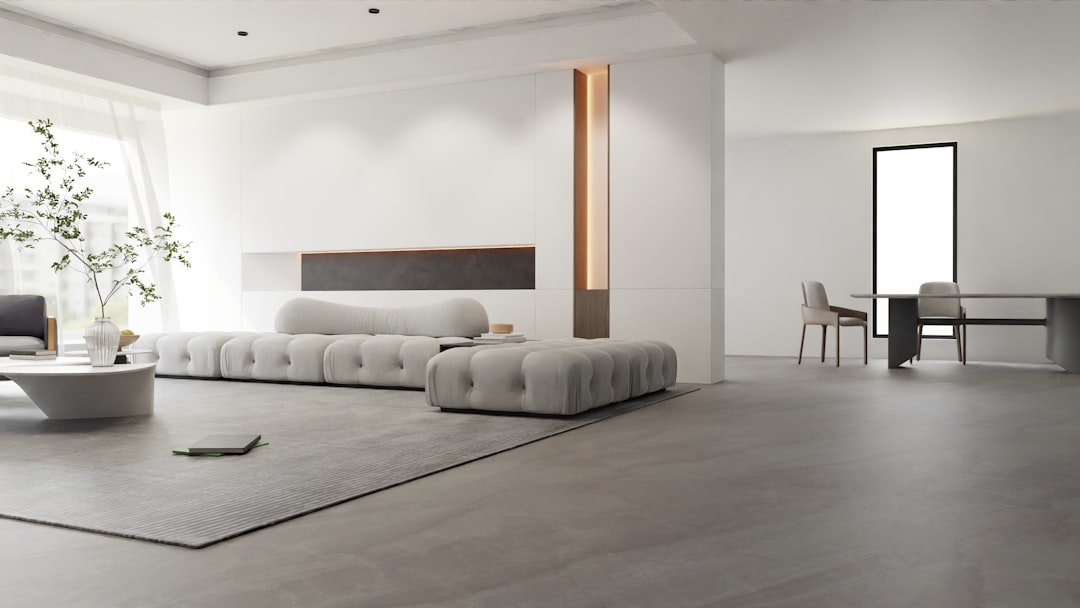
| Living rooms | Excellent | Durable, comfortable, wide design options |
| Kitchens | Excellent | Hygienic, easy to clean, resilient |
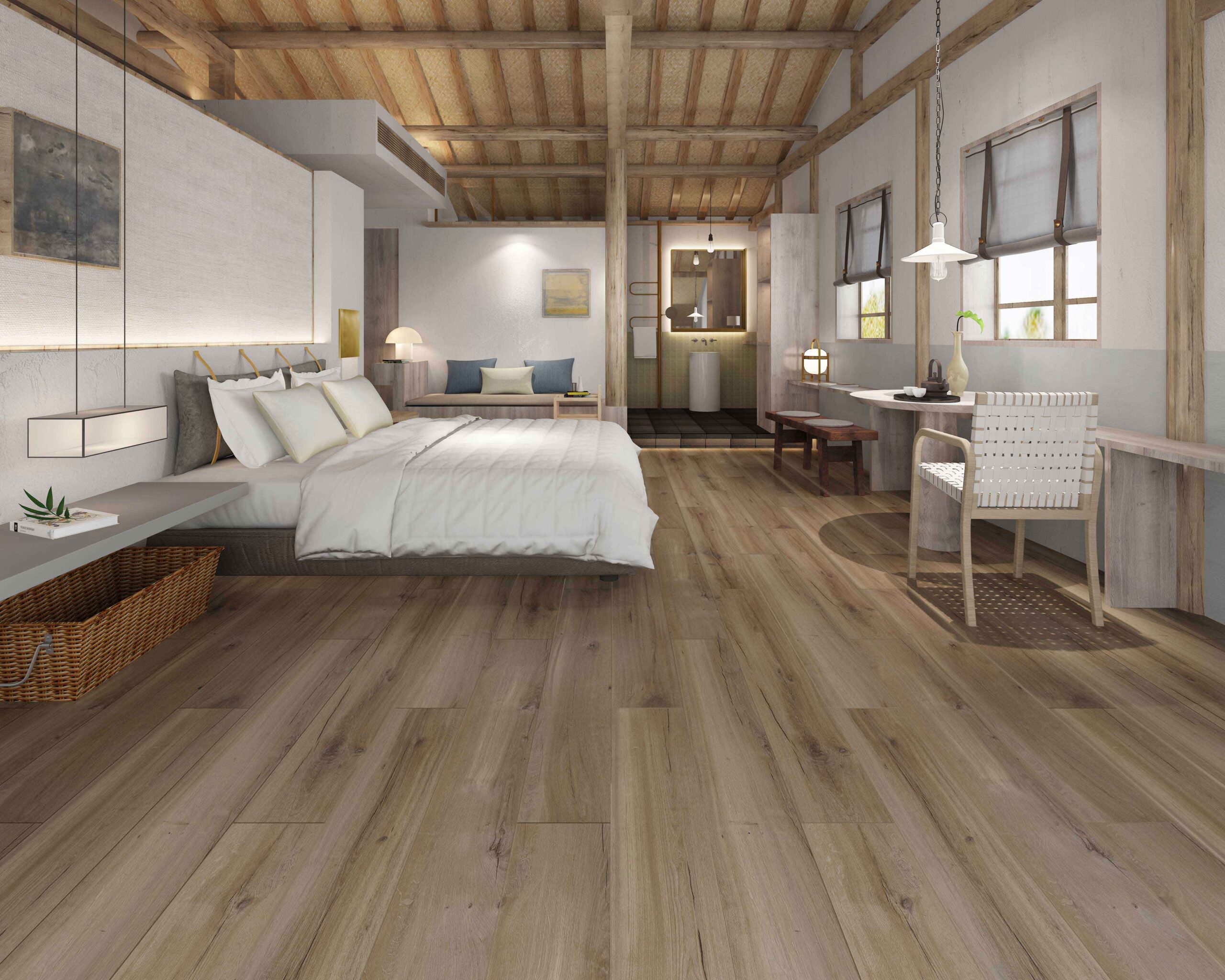
| Bedrooms | Good | Warm underfoot, low VOC for healthy sleep environment |
| Bathrooms | Limited | Not recommended for wet areas; moisture can damage backing |
| Commercial offices | Excellent | Hard-wearing, acoustic benefits, sustainable credentials |
| Healthcare and education | Excellent | Antimicrobial properties, easy maintenance, seamless options |
Linoleum vs Vinyl Flooring: Understanding the Difference
Linoleum and vinyl are often confused, but they are fundamentally different products.
| Feature | Linoleum | Vinyl (LVT/SPC) |
|---|---|---|
| Composition | Natural (linseed oil, wood, cork, limestone) | Synthetic (PVC, plasticisers, printed design layer) |
| Colour depth | Colour throughout the full thickness | Colour on printed surface layer only |
| Environmental impact | Low; biodegradable, renewable materials | Higher; petroleum-based, not biodegradable |
| Water resistance | Moderate; not suitable for wet areas | Excellent; fully waterproof |
| Durability | 25 – 40 years | 15 – 25 years |
| Maintenance | Moderate; periodic polishing recommended | Low; sweep and mop |
| Design options | Solid colours, marbled, patterned | Photo-realistic wood, stone, marble and abstract designs |
| Cost | S$8 – S$20 per square foot | S$5 – S$18 per square foot |
Both materials have their strengths. Linoleum wins on sustainability, longevity and natural composition. Vinyl wins on water resistance, design variety and ease of maintenance. The right choice depends on your priorities and the specific room in question.
Maintenance and Care
Linoleum is relatively easy to maintain, though it requires slightly more attention than vinyl.
- Regular cleaning: Sweep or vacuum to remove grit, then damp-mop with a pH-neutral cleaner. Avoid excess water, which can seep into seams and damage the jute backing.
- Periodic polishing: Apply a linoleum-specific polish or emulsion every few months to maintain the surface sheen and protect against wear.
- Avoid harsh chemicals: Alkaline cleaners, ammonia and abrasive products can damage linoleum’s surface. Stick to products recommended by the manufacturer.
- Yellowing and recovery: New linoleum may develop a temporary yellowish film (called ambering) when covered or stored away from light. This is a natural oxidation process and reverses with exposure to sunlight or artificial UV light.
Considerations for Tropical Climates
In warm, humid environments, linoleum requires some additional thought.
- Humidity control: Linoleum’s jute backing can be affected by prolonged exposure to high moisture. In non-air-conditioned spaces, ensure adequate ventilation to keep humidity levels in check.
- Avoid wet areas: Linoleum is not suitable for bathrooms, laundry rooms or any space with frequent water exposure. For these areas, consider waterproof luxury vinyl flooring instead.
- Acclimatisation before installation: Allow linoleum to acclimatise to the room’s temperature and humidity for at least 48 hours before installation to minimise expansion or contraction issues.
For a comprehensive look at flooring materials suited to tropical conditions, explore the full Goodrich Global flooring range.
Final Thoughts
Linoleum flooring is a genuinely sustainable, long-lasting and attractive option that deserves serious consideration from environmentally conscious homeowners and businesses. While it requires a little more care than vinyl and is not suitable for wet areas, its natural composition, through-body colour and impressive lifespan make it a flooring material with real substance behind its renewed popularity.
Want to explore flooring options for your next project? Browse our e-catalogue for the latest designs and discover materials that match your style and sustainability goals.