Carpet & Flooring
Microcement vs Vinyl Flooring: Which Should You Choose?
When choosing between microcement vs vinyl flooring for a Singapore home, you are comparing two very different approaches to achieving a modern, seamless interior. Microcement offers an artisanal, hand-finished surface with undeniable visual impact. Vinyl flooring delivers practicality, durability and impressive design realism at a far more accessible price point.
This guide provides a thorough comparison to help you decide which material best suits your space, lifestyle and renovation budget.
At a Glance: Microcement vs Vinyl Flooring
| Factor | Microcement | Vinyl Flooring (LVT/SPC) |
|---|---|---|
| Appearance | Hand-trowelled, organic, unique per installation | Printed design layer; realistic stone, wood or concrete effects |
| Thickness | 2 – 3 mm overlay | 2 – 6 mm (depending on type) |
| Installation | Professional only; multiple coats over days | DIY-friendly click-lock or professional glue-down |
| Waterproofing | Water-resistant when sealed; not waterproof | Fully waterproof (SPC and most LVT) |
| Durability | Moderate; sealer wears over time | High; wear layer protects against scratches and stains |
| Maintenance | High; periodic resealing required | Low; sweep and mop |
| Repairability | Difficult; patches are visible | Easy; individual planks can be replaced |
| Cost (per sq ft, installed) | S$28 – S$58 | S$5 – S$18 |
| Lifespan | 10 – 20 years with maintenance | 15 – 25 years depending on quality |
Appearance and Aesthetic Appeal
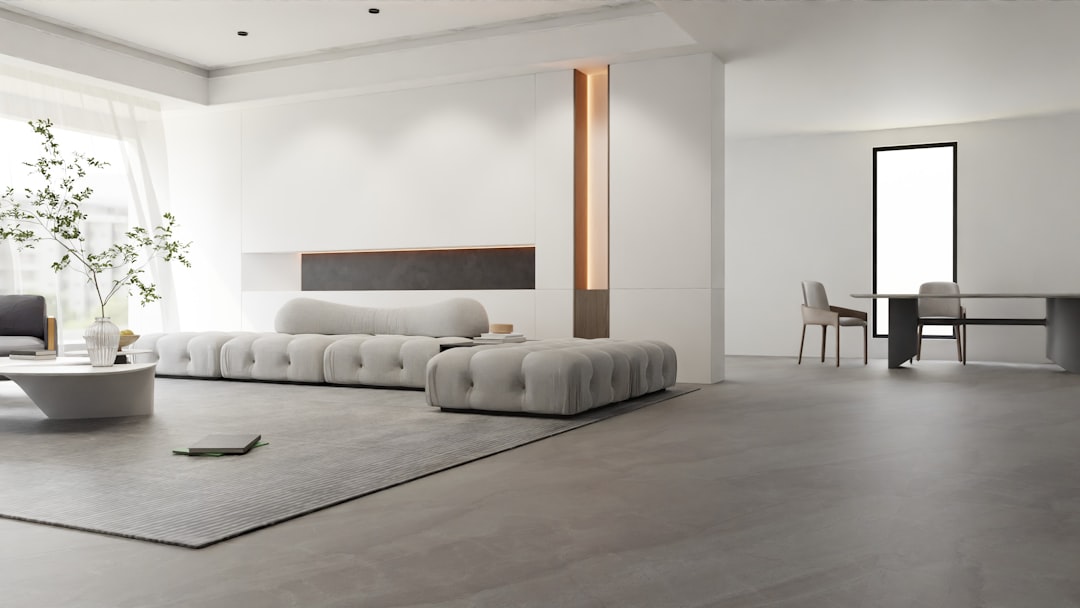
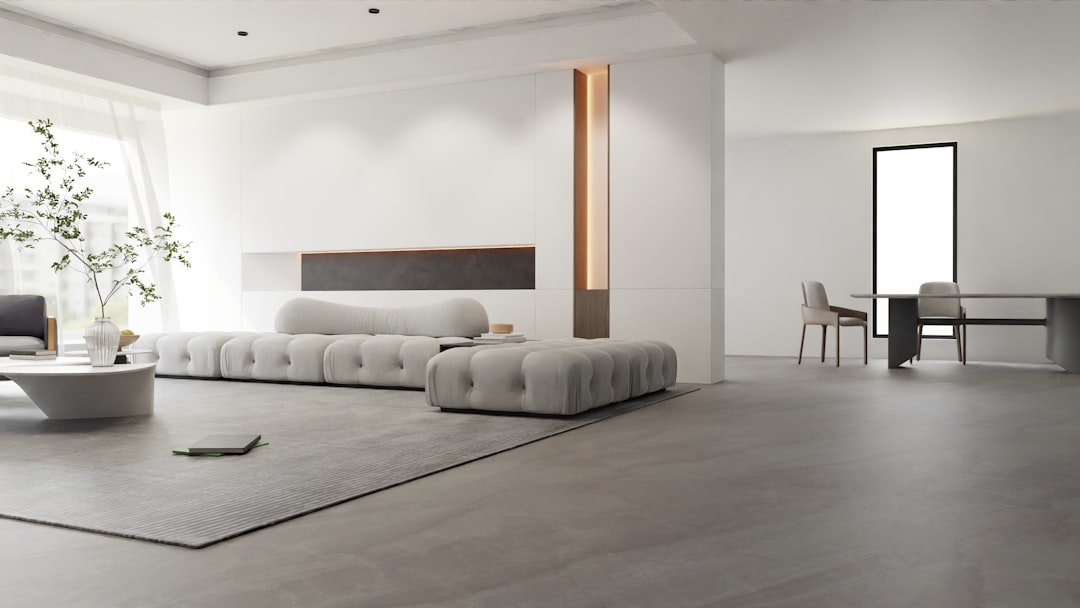
Microcement delivers a truly bespoke finish. Because it is hand-applied, every surface has subtle variations in tone and texture that give the floor an organic, artisanal character. It suits wabi-sabi, industrial and minimalist interiors where imperfection is celebrated as part of the design.
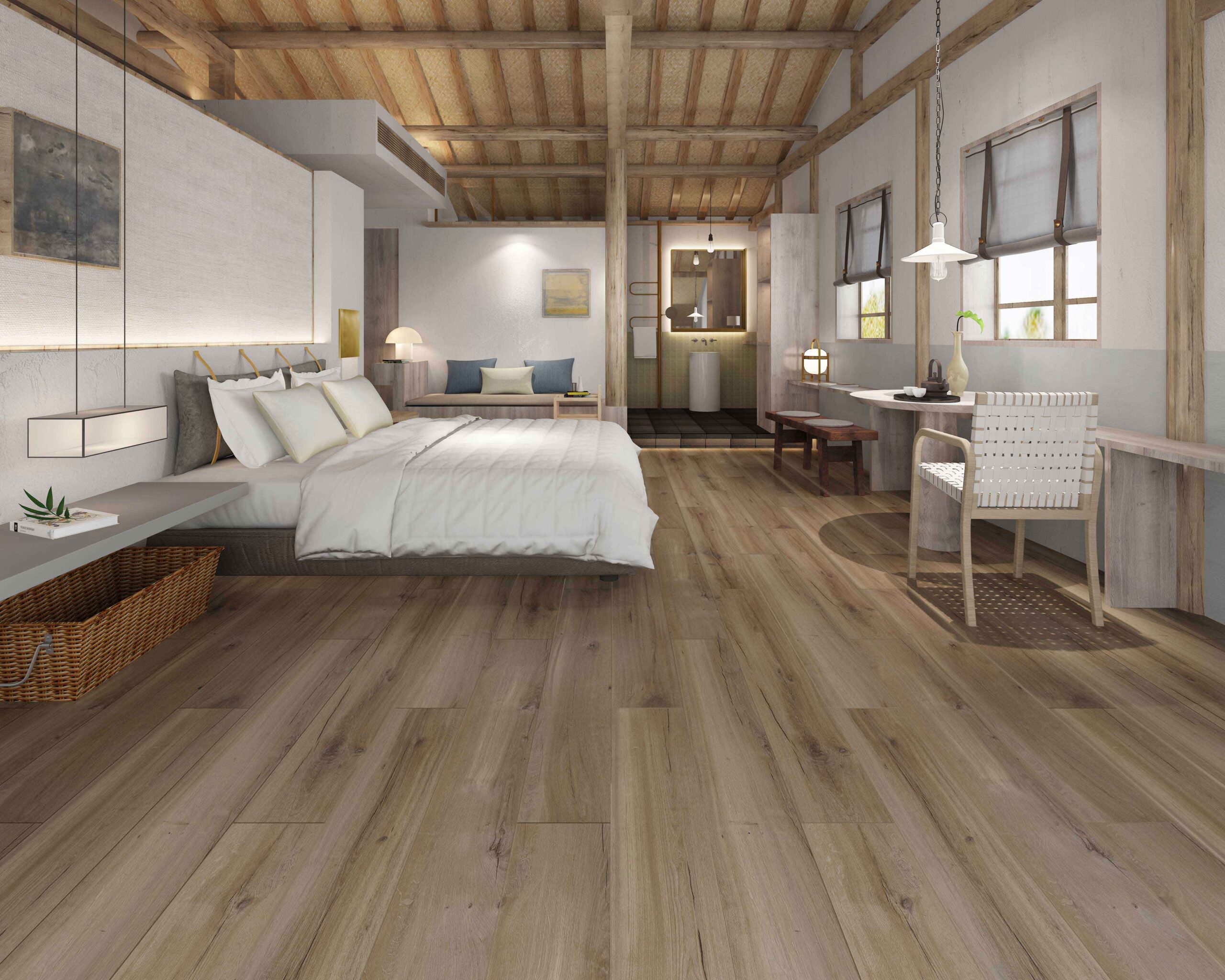
Vinyl flooring, particularly luxury vinyl tile (LVT) and stone-polymer composite (SPC), has made remarkable strides in design realism. Today’s best vinyl floors feature high-definition photographic layers that faithfully replicate concrete, marble, timber and stone. While a trained eye may notice the difference up close, from normal viewing distance the effect is highly convincing.
The key distinction is uniqueness. Microcement gives you a one-of-a-kind floor. Vinyl flooring, while varied in its design options, is a manufactured product with repeating patterns. For homeowners who prioritise individuality, microcement has the edge. For those who want a specific look at a predictable quality, vinyl delivers consistently.
Installation Process
Microcement
Installation is labour-intensive and takes several days. The substrate must be primed, then multiple coats of microcement are trowelled on by hand, with drying time between each layer. A sealer is applied as the final step. The entire process for a single room can take five to seven working days.
Critically, the quality of the finished surface depends almost entirely on the applicator’s skill. Inconsistent trowelling leads to uneven colour, rough spots and potential cracking.
Vinyl Flooring
Modern click-lock vinyl planks can be installed in a day for an average-sized room. The planks float over the existing subfloor with no adhesive required in most cases. Glue-down vinyl takes slightly longer but still completes much faster than microcement.
Vinyl can be installed over most existing hard floors, including tiles, provided the surface is clean, dry and level. This makes it an excellent renovation-friendly option for Singapore homes.
Performance in Singapore’s Climate
Humidity and Moisture
Singapore’s high humidity is a real concern for flooring. Vinyl flooring, especially SPC, is completely waterproof and unaffected by humidity. It will not warp, swell or degrade in tropical conditions, making it suitable for every room including bathrooms and kitchens.
Microcement is water-resistant when properly sealed but not waterproof. In wet areas, the sealer must be maintained diligently. In poorly ventilated spaces or areas with frequent water exposure, the sealer can degrade, allowing moisture to penetrate and potentially damage the coating.
Temperature and Comfort
Both materials feel cool underfoot in Singapore’s warm climate, which most homeowners find pleasant. Vinyl has a slight give that makes it more comfortable to stand on for extended periods, while microcement has the firmness of a cement-based surface.
Durability and Lifespan
Vinyl flooring is engineered for durability. The wear layer on quality LVT and SPC protects against scratches, scuffs and stains from everyday use. It handles foot traffic, furniture movement and pet claws without issue. A good-quality vinyl floor can last 15 to 25 years with minimal maintenance.
Microcement is durable in terms of hardness, but its protective sealer is the weak link. The sealer wears down over time, especially in high-traffic zones, and must be reapplied every two to five years. Without regular resealing, the microcement becomes vulnerable to staining and moisture damage.
Maintenance Comparison
- Vinyl flooring: Sweep or vacuum regularly and mop with a damp cloth. No sealing, waxing or special products required. Spills can be wiped up without concern.
- Microcement: Clean with pH-neutral products only. Avoid acidic or abrasive cleaners. Wipe up spills promptly to prevent staining. Budget for professional resealing every few years.
For busy Singapore households, especially those with children and pets, vinyl’s low-maintenance nature is a significant practical advantage.
Cost Analysis for a Singapore Home
The cost difference between the two materials is substantial. For a 4-room HDB flat with approximately 700 square feet of living area (excluding bathrooms):
- Vinyl flooring (LVT/SPC), fully installed: S$3,500 to S$12,600
- Microcement, fully installed: S$19,600 to S$40,600
Microcement costs three to five times more than vinyl flooring for the same coverage area. This price gap explains why many homeowners opt for vinyl flooring throughout the home and reserve microcement, if they use it at all, for a single feature area.
When to Choose Microcement
- You want a truly unique, handcrafted floor with organic character.
- Your budget allows for both the initial installation and ongoing maintenance.
- You are renovating a specific area, such as a living room or retail space, where visual impact justifies the premium.
- You have access to a proven, experienced microcement applicator.
When to Choose Vinyl Flooring
- You want a durable, low-maintenance floor that looks great for years.
- Budget is a consideration and you want the best value for money.
- You need waterproof flooring for kitchens, bathrooms or the entire home.
- You prefer a quick, minimally disruptive installation.
- You want the flexibility to replace individual planks if damage occurs.
Explore the luxury vinyl collection at Goodrich Global to see concrete-effect, stone and timber designs that deliver the modern aesthetic you are looking for. For a broader range of options, browse the full flooring range.
Final Thoughts
Microcement and vinyl flooring serve different priorities. Microcement is for homeowners who value bespoke artistry and are willing to invest in it. Vinyl flooring is for those who want a stylish, practical and cost-effective floor that performs reliably in Singapore’s demanding climate. Both are valid choices; the right one depends on what matters most to you.
Not sure which flooring is best for your project? Request free samples from our Singapore showroom and compare materials first-hand before making your decision.