Interior Design
Toilet Renovation in Singapore: Materials, Costs and Tips
Toilet renovation in Singapore is one of the most common and impactful home improvement projects you can undertake. A well-designed bathroom not only improves daily comfort but also adds measurable value to your property. Whether you are updating a dated HDB toilet or creating a spa-like retreat in a condo, understanding the process, materials and costs involved will help you make informed decisions.
When Should You Renovate Your Toilet?
Several signs indicate that a toilet renovation is overdue. Persistent leaks, cracked tiles, yellowed fixtures, poor ventilation and outdated plumbing are all common triggers. In older HDB resale flats, the waterproofing membrane may have deteriorated after 15 to 20 years, making renovation not just an aesthetic upgrade but a practical necessity.
If you are purchasing a BTO flat, the default toilet finishes are basic, and most homeowners choose to hack and redo them entirely during the initial renovation. For resale flats and condos, a toilet renovation is often the single project that delivers the greatest visual transformation for the investment.
Key Steps in a Toilet Renovation
A typical toilet renovation in Singapore follows a structured sequence:
- Hacking: Existing tiles, fixtures and fittings are removed. In HDB flats, only the screed and tiles are hacked; the structural slab must not be disturbed.
- Plumbing rough-in: Water supply pipes and drainage points are repositioned if the layout is changing. This is the stage to relocate the shower, basin or toilet bowl if desired.
- Waterproofing: A new waterproofing membrane is applied to the floor and lower walls. This is arguably the most critical step, as poor waterproofing leads to leaks that damage neighbouring units.
- Tiling: Floor and wall tiles are laid. Proper slope toward the floor trap ensures water drains correctly.
- Fixture installation: The toilet bowl, basin, shower set, mirror cabinet and accessories are installed.
- Electrical and ventilation: Exhaust fans, lighting and heated towel rails are connected.
Material Choices for Walls and Floors
The materials you select for your toilet walls and floors affect both the look and the longevity of the renovation.
Tiles
Porcelain and ceramic tiles remain the most popular choice for Singapore bathrooms. They are waterproof, durable and available in an enormous range of finishes, from marble-look to terrazzo, concrete and wood-grain. Large-format tiles (600 x 600 mm or larger) create a more seamless, spacious feel, while smaller mosaic tiles add detail and texture.
Vinyl Flooring
Waterproof luxury vinyl tiles are gaining popularity for bathroom floors. They are softer underfoot than ceramic, warmer to the touch and available in convincing stone and wood finishes. For bathrooms that do not have a floor trap requiring a sloped screed, vinyl can be an excellent alternative.
Wall Finishes Beyond Tiles
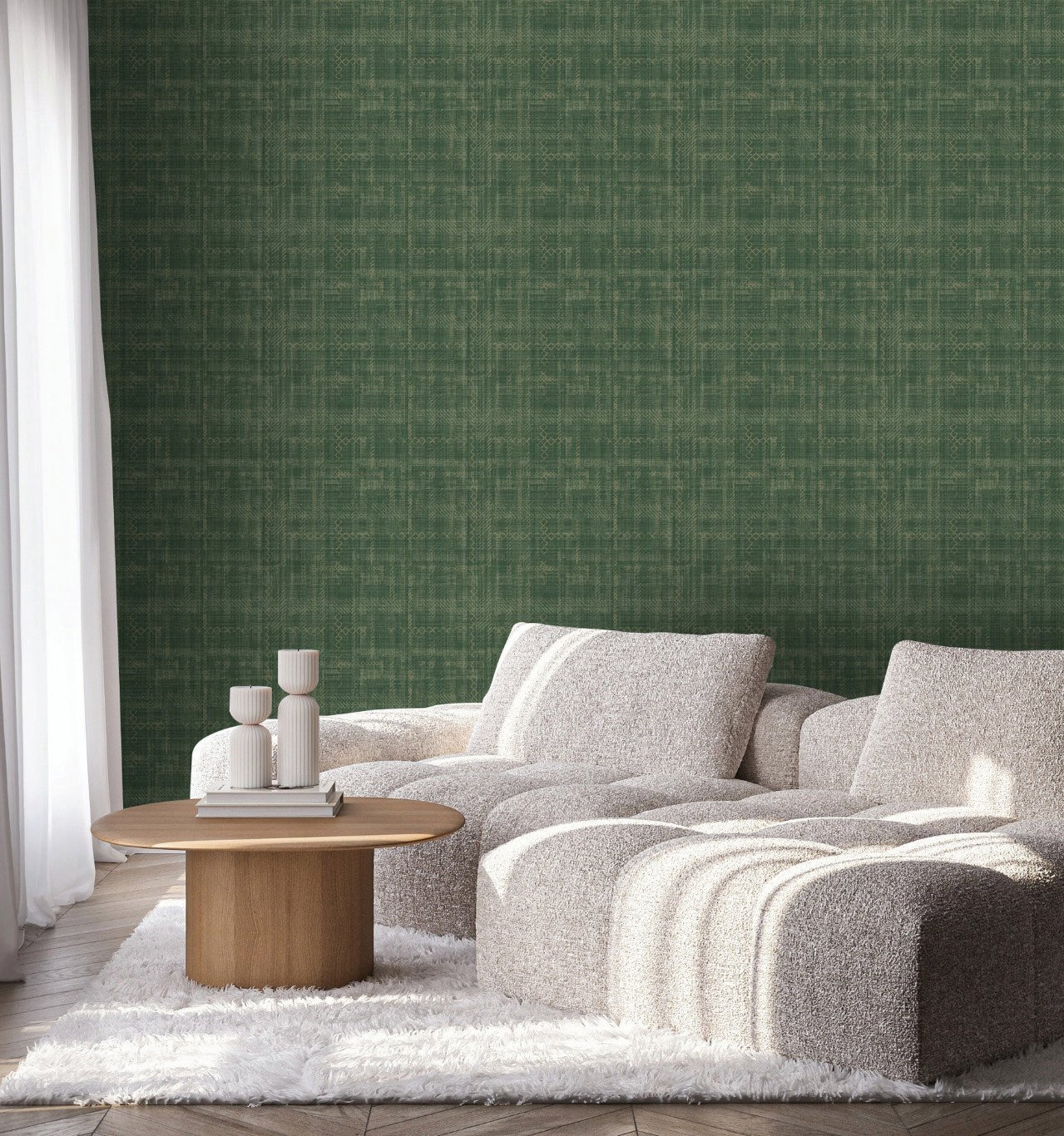
Not every bathroom wall needs to be fully tiled. In the dry zone (away from the shower), moisture-resistant wallcoverings or paint can add colour and personality. This approach breaks up the monotony of floor-to-ceiling tiles and allows for easier updates in future.
Estimated Costs for Toilet Renovation
Costs vary depending on the size of the bathroom, scope of work and quality of materials. The following table provides general ranges for Singapore in 2026:
| Item | Estimated Cost (SGD) |
|---|---|
| Hacking and disposal | $800 – $1,500 |
| Waterproofing | $400 – $800 |
| Plumbing (basic relocation) | $500 – $1,200 |
| Tiling (supply and install) | $1,500 – $4,000 |
| Fixtures and fittings | $1,000 – $3,500 |
| Vanity and storage | $500 – $2,000 |
| Electrical works | $300 – $800 |
| Total (per toilet) | $5,000 – $13,800 |
These figures are indicative. Premium materials, custom vanities and complex layouts will push costs higher. Always obtain at least three quotations from licensed contractors and compare scope, not just price.
Design Tips for a Successful Renovation
Maximise Storage
Bathrooms in Singapore homes tend to be compact. Recessed niches in the shower wall, mirrored cabinets above the basin and slim shelving units help keep essentials organised without eating into floor space. Wall-hung toilet bowls and vanities free up visual floor area, making the room feel larger.
Choose a Cohesive Colour Palette
Stick to two or three colours at most. A neutral base of white, grey or beige with one accent material, such as a patterned floor tile or a timber vanity, keeps the design clean and timeless. Trends come and go, but a well-chosen neutral palette ages gracefully.
Prioritise Ventilation
Singapore’s humidity makes ventilation critical. Ensure your exhaust fan is adequately sized for the room and consider a model with a humidity sensor that activates automatically. Good airflow prevents mould growth and keeps surfaces dry.
Plan for Accessibility
If you are renovating with long-term use in mind, consider grab bars near the toilet and shower, a barrier-free shower entry and non-slip floor tiles. These features benefit all users, not just those with mobility concerns.
Common Mistakes to Avoid
- Skimping on waterproofing: This is not the place to cut costs. A failed waterproofing membrane can lead to leaks that damage your ceiling, your neighbour’s ceiling and your wallet.
- Ignoring the floor slope: Water must drain toward the floor trap. An improperly sloped floor results in pooling water and persistent dampness.
- Overcomplicating the layout: Moving the toilet bowl location requires rerouting the waste pipe, which adds significant cost and may not always be feasible. Work with the existing layout where possible.
- Choosing form over function: That stunning vessel basin may look beautiful, but if it splashes water everywhere and is difficult to clean, you will regret it. Prioritise practical, ergonomic fixtures.
Timeline Expectations
A straightforward toilet renovation in Singapore typically takes two to three weeks from hacking to completion. More complex projects with custom carpentry, layout changes or imported fixtures may extend to four to six weeks. Factor in lead times for tile and fixture orders, which can add one to two weeks before work even begins.
Final Thoughts
A toilet renovation in Singapore is a worthwhile investment that improves both your daily experience and your property’s appeal. By selecting quality materials, working with experienced contractors and planning thoughtfully, you can create a bathroom that serves you well for years to come.
For wall and floor finishing options including waterproof vinyl and moisture-resistant coverings, get a free quote for your project today.