Carpet & Flooring
Cork Flooring in Singapore: Eco-Friendly and Comfortable
Cork flooring in Singapore offers a unique combination of comfort, sustainability and acoustic performance that sets it apart from more conventional materials. Made from the bark of the cork oak tree, which regenerates after harvesting, cork is one of the most environmentally responsible flooring choices available.
This guide explores the benefits, limitations, costs and applications of cork flooring for Singapore homes and commercial spaces.
What Is Cork Flooring?
Cork flooring is manufactured from the outer bark of the cork oak tree (Quercus suber), primarily harvested in Portugal, Spain and North Africa. The bark is stripped every nine years without harming the tree, making cork a genuinely renewable resource.
The harvested bark is ground, compressed and formed into tiles or planks using heat and natural resins. Modern cork flooring is available in a wide range of colours, patterns and textures — far beyond the bulletin-board aesthetic many people associate with cork.
Benefits of Cork Flooring
Comfort and Cushioning
Cork’s cellular structure — each cubic centimetre contains approximately 40 million air-filled cells — gives it a natural springiness that makes it exceptionally comfortable underfoot. Walking or standing on cork puts less strain on joints and backs compared to hard surfaces like tile or stone. This makes it an excellent choice for kitchens, standing work areas and homes with elderly residents.
Sound Absorption
Cork is one of the best natural sound-absorbing materials available. It reduces both impact noise (footsteps, dropped objects) and airborne sound transmission. In Singapore condominiums, where noise transfer between units is a common complaint, cork flooring significantly dampens sound without requiring additional underlay.
Thermal Insulation
Cork provides natural thermal insulation, keeping floors warm in air-conditioned rooms. Unlike tiles, which feel cold underfoot when the air conditioning is running, cork maintains a comfortable, neutral temperature.
Sustainability
Cork is one of the most sustainable flooring materials available. The trees are not cut down during harvesting, and the bark grows back. Cork forests support rich biodiversity and act as significant carbon sinks. The manufacturing process uses minimal energy compared to other flooring types.
Hypoallergenic Properties
Cork contains suberin, a naturally occurring waxy substance that resists mould, mildew and pests. This makes cork naturally hypoallergenic and suitable for homes where indoor air quality is a priority.
Resilience
Cork’s cellular structure allows it to compress under pressure and spring back to its original shape. Furniture impressions and minor dents gradually recover over time, giving cork a self-healing quality that extends its useful life.
Types of Cork Flooring
Cork Tiles (Glue-Down)
Traditional cork tiles are glued directly to the subfloor. They are available in various sizes, typically 300 mm x 300 mm or 600 mm x 600 mm. Glue-down tiles provide a stable, permanent installation and allow for creative patterns and designs.
Cork Planks (Floating / Click-Lock)
Engineered cork planks feature a cork surface layer bonded to a high-density fibreboard (HDF) core with a click-lock connection. They install as a floating floor over existing surfaces, making them suitable for renovations where removing the current floor is impractical.
Cork Underlayment
Cork sheets are also used as underlay beneath other flooring materials such as hardwood, laminate and vinyl. Cork underlay provides sound insulation and cushioning without being the visible surface.
Considerations for Singapore’s Climate
Singapore’s tropical climate presents specific factors that cork flooring owners should be aware of.
Humidity Management
Cork can absorb and release moisture, expanding and contracting with changes in humidity. In consistently air-conditioned spaces, this is rarely an issue. In non-air-conditioned rooms, humidity fluctuations may cause movement in the flooring. Maintaining indoor humidity between 40 and 60 percent through air conditioning or dehumidification keeps cork stable.
Sealing and Finishing
All cork flooring should be sealed with a polyurethane or water-based finish to protect against moisture penetration, staining and wear. Most factory-finished cork products come pre-sealed, but periodic re-sealing (every three to five years) is recommended to maintain protection.
UV Protection
Prolonged direct sunlight can cause cork to fade. In rooms with large windows receiving direct sun, use curtains, blinds or UV-filtering window film to protect the floor. This is a common consideration in Singapore condominiums with floor-to-ceiling glazing.
Cost of Cork Flooring in Singapore
| Component | Cost Range |
|---|---|
| Cork tiles (glue-down) | $5 – $12 per sq ft |
| Cork planks (click-lock) | $7 – $15 per sq ft |
| Installation (glue-down) | $2 – $4 per sq ft |
| Installation (click-lock) | $1.50 – $3 per sq ft |
| Sealing / finishing | $1 – $2 per sq ft (if not pre-finished) |
Cork flooring falls in the mid-to-upper range for flooring materials. While it costs more than basic vinyl or laminate, its comfort, acoustic properties and longevity often justify the premium for homeowners who value these qualities.
Best Applications for Cork Flooring
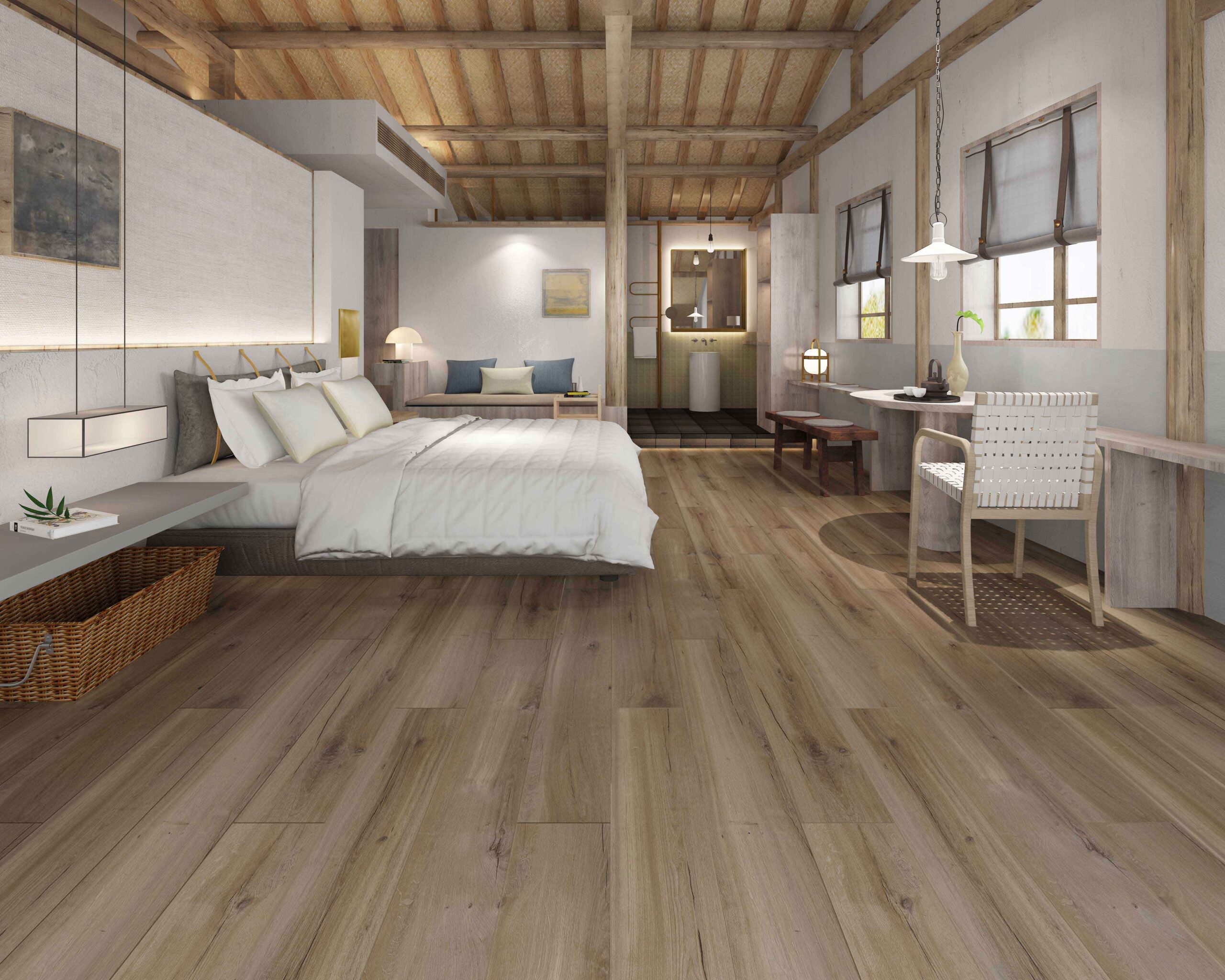
- Bedrooms: Cork’s warmth, softness and sound absorption make it ideal for bedrooms, especially in condominiums.
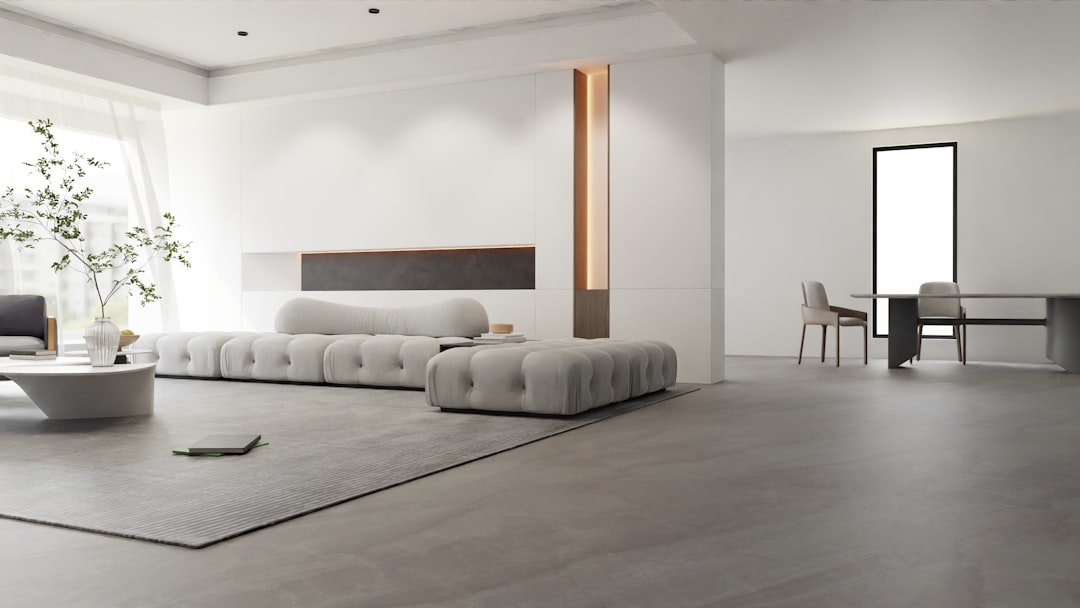
- Living rooms: The cushioning and quiet surface enhance comfort in main living areas.
- Home offices and studies: Cork reduces fatigue from standing and dampens the sound of rolling desk chairs.
- Children’s rooms: The soft, slip-resistant surface provides a safe play area.
- Commercial spaces: Libraries, offices, studios and healthcare facilities benefit from cork’s acoustic and comfort properties.
Cork is less suited to bathrooms and kitchens where standing water is likely, unless the floor is thoroughly sealed and spills are cleaned promptly.
Maintenance and Care
- Sweep or vacuum regularly to remove grit that could scratch the surface.
- Damp mop with a pH-neutral cleaner. Avoid excess water.
- Wipe up spills promptly to prevent moisture absorption.
- Use furniture pads to distribute weight and prevent permanent indentations from heavy items.
- Re-seal every three to five years to maintain the protective finish.
- Place mats at entryways to trap dirt and moisture.
Final Thoughts
Cork flooring delivers a distinctive combination of comfort, sustainability and acoustic performance that few other materials can match. For Singapore homeowners and designers who value eco-friendly materials and underfoot comfort, cork is a compelling choice for bedrooms, living areas and quiet commercial spaces.
Goodrich Global offers sustainable flooring solutions for residential and commercial projects. Our carpet and flooring consultants can advise on the best material options for your specific requirements.