Carpet & Flooring
Engineered Wood Flooring in Singapore: Types, Cost & Pros
What Is Engineered Wood Flooring?
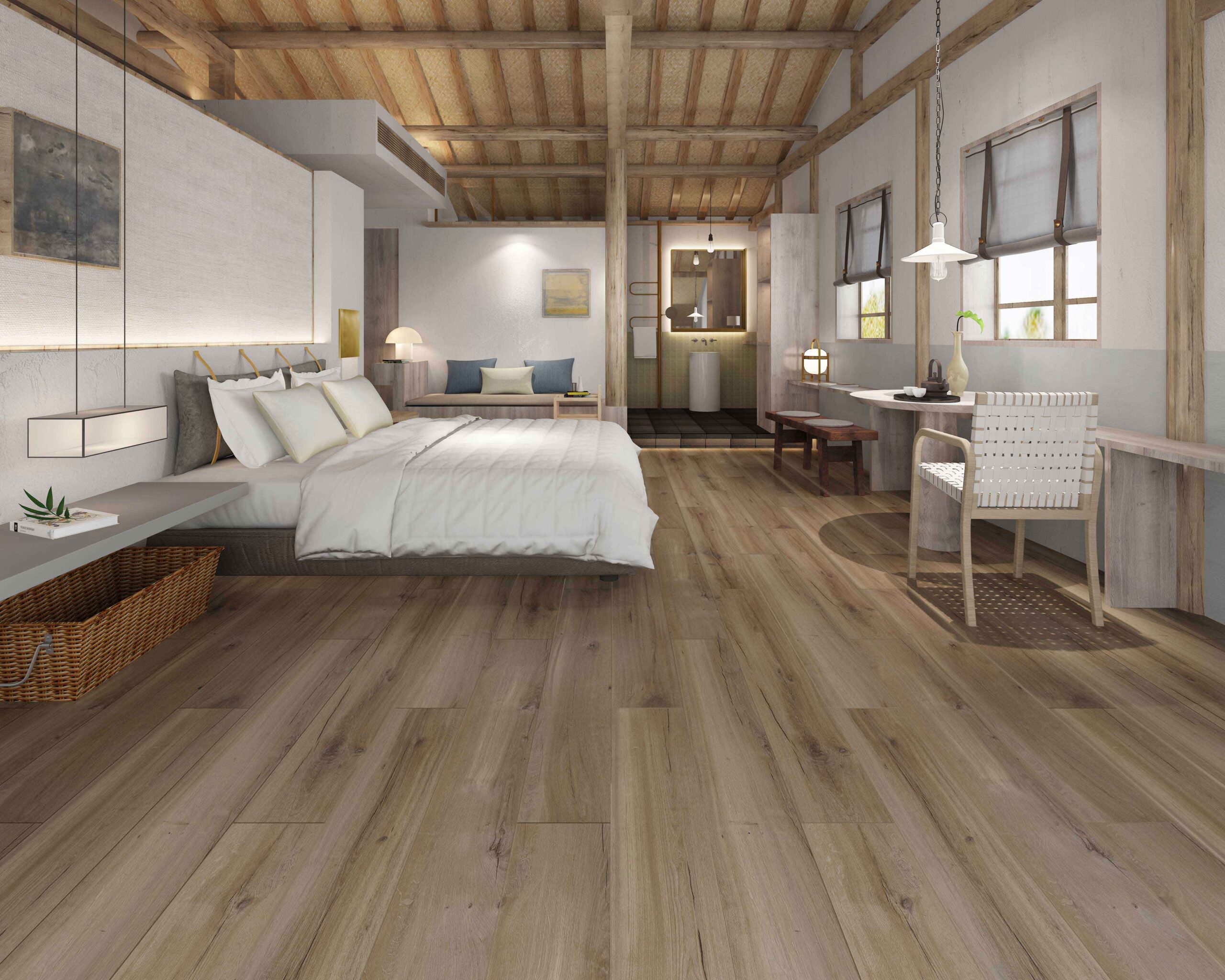
Engineered wood flooring consists of a real hardwood veneer bonded to multiple layers of plywood or high-density fibreboard (HDF). This multi-layer construction gives the floor genuine timber aesthetics while offering far better dimensional stability than solid hardwood.
The top veneer — typically 2 mm to 6 mm thick — is real wood, so it looks, feels and even smells like a traditional hardwood floor. Beneath that veneer, cross-laminated core layers resist the expansion and contraction that Singapore’s humidity can cause in solid timber planks.
For homeowners who want natural wood character without the maintenance headaches common in tropical climates, engineered wood is the most practical timber-based flooring option available.
Popular Wood Species for Singapore Homes
The choice of veneer species affects appearance, hardness and price. Here are the most commonly specified options for Singapore residential projects:
| Wood Species | Janka Hardness | Appearance | Best For |
|---|---|---|---|
| European Oak | 1,360 lbf | Warm golden tones, visible grain | Living rooms, bedrooms, hallways |
| American Walnut | 1,010 lbf | Rich dark brown, fine grain | Master bedrooms, feature walls |
| Maple | 1,450 lbf | Light, creamy, subtle grain | Scandinavian-style interiors |
| Teak | 1,155 lbf | Golden-brown, oily texture | High-traffic areas, humidity-prone rooms |
| Acacia | 1,750 lbf | Varied tones, dramatic grain | Rustic or contemporary designs |
European oak remains the most popular choice for Singapore condominiums and landed homes due to its balance of durability, grain character and availability in a wide range of finishes — from whitewashed to smoked.
Engineered Wood vs Solid Hardwood vs Laminate
Understanding how engineered wood compares to its alternatives helps narrow down the right choice for your project.
| Feature | Engineered Wood | Solid Hardwood | Laminate |
|---|---|---|---|
| Top Layer | Real wood veneer (2–6 mm) | Solid wood throughout | Printed image layer |
| Humidity Resistance | Good — cross-laminated core | Poor — expands and cups | Moderate — HDF core can swell |
| Can Be Sanded | Yes (1–3 times depending on veneer) | Yes (multiple times) | No |
| Installation Over Tiles | Yes — floating or glue-down | Not recommended | Yes — floating |
| Feel Underfoot | Natural wood | Natural wood | Synthetic |
| Price Range (per sq ft) | $6–$18 | $12–$30+ | $3–$8 |
In Singapore’s climate — where relative humidity can swing from 60% to 95% — engineered wood’s dimensional stability gives it a clear edge over solid hardwood. Meanwhile, its real wood surface puts it a class above laminate in terms of look, touch and long-term value.
Pros and Cons of Engineered Wood Flooring in Singapore
No flooring material is perfect for every situation. Here is an honest assessment of engineered wood’s strengths and limitations in the local context.
Advantages
- Humidity-resistant construction: The cross-ply core minimises warping, cupping and gapping in Singapore’s tropical climate.
- Real wood aesthetics: The veneer looks and feels authentic because it is genuine hardwood.
- Overlay-friendly: Can be floated directly over existing tiles — ideal for HDB and BTO renovations.
- Wide design range: Available in herringbone, chevron and wide-plank formats across dozens of species and finishes.
- Can be refinished: Thicker veneers (4 mm+) allow one or two sandings over the floor’s lifespan.
Limitations
- Not waterproof: Prolonged water exposure can damage both the veneer and the core. Not suitable for bathrooms.
- Higher cost than vinyl or laminate: You pay a premium for real wood — expect $6 to $18 per square foot for materials alone.
- Scratches show: Softer species like walnut mark more easily than harder options. Felt pads on furniture legs are essential.
- Limited sanding cycles: Thinner veneers (2 mm) cannot be sanded at all, while even 4 mm veneers allow only one or two refinishes.
Cost Breakdown for Singapore Projects
Engineered wood flooring costs vary based on species, veneer thickness, plank dimensions and installation method. Here is a general guide for Singapore in 2025–2026:
| Component | Cost Per Sq Ft (SGD) |
|---|---|
| Material — entry-level oak (2 mm veneer) | $6–$9 |
| Material — premium oak (4 mm veneer, wide plank) | $12–$18 |
| Material — walnut or specialty species | $14–$22 |
| Installation — floating method | $2–$3 |
| Installation — glue-down method | $3–$5 |
| Underlay (if floating) | $0.50–$1.50 |
For a typical 4-room HDB flat (approximately 900 sq ft of floorspace), budget between $8,000 and $16,000 for materials and installation, depending on the product tier chosen.
Landed property owners covering larger areas may benefit from volume pricing. It is worth requesting a quotation to get accurate figures for your specific project scope.
Installation Methods and Considerations
Two primary installation methods are used for engineered wood in Singapore:
Floating Installation
Planks click together and rest on an underlay without being fixed to the subfloor. This is the faster, more affordable method and works well over existing tiles. It also allows easier replacement if individual planks are damaged.
Glue-Down Installation
Planks are adhered directly to the subfloor using a flexible adhesive. This method produces a more solid feel underfoot with less hollow sound. It is preferred for herringbone and chevron patterns where tight joints are critical.
Regardless of method, the subfloor must be level, clean and dry. For HDB overlay projects where existing tiles are retained, a moisture barrier is recommended to prevent any residual dampness from affecting the wood core.
Acclimatisation
Allow engineered wood planks to sit in the room for 48 to 72 hours before installation. This lets the material adjust to your home’s temperature and humidity, reducing the risk of post-installation movement.
Maintenance Tips for Singapore’s Climate
Keeping engineered wood flooring in top condition in Singapore requires a few consistent habits:
- Control humidity: Use air-conditioning or a dehumidifier to keep indoor humidity between 40% and 65%. Prolonged exposure above 75% can cause the veneer to swell.
- Clean with a damp mop: Wring the mop thoroughly — the surface should be barely damp, not wet. Avoid steam mops entirely.
- Use felt pads: Attach felt protectors to the legs of all furniture, especially dining chairs that slide frequently.
- Wipe spills immediately: Engineered wood is not waterproof. Standing water can seep into joints and damage the core layers.
- Avoid harsh chemicals: Use pH-neutral wood floor cleaners only. Bleach and ammonia-based products strip the finish.
With proper care, a quality engineered wood floor can last 20 to 30 years in a Singapore home — and the veneer develops a natural patina over time that many homeowners find adds character.
If you have heavy furniture, use wide-base castor cups or furniture pads to distribute the weight and prevent indentation. Rearrange rugs and furniture periodically so the floor ages evenly — areas permanently covered by rugs will develop a different tone from the exposed sections over the years.
Is Engineered Wood Right for Your Home?
Engineered wood flooring suits homeowners who value the warmth and authenticity of real timber but need a product that can handle Singapore’s humidity without constant maintenance. It works beautifully in living rooms, bedrooms, dining areas and hallways.
For wet areas like bathrooms and kitchens, consider luxury vinyl flooring instead — it offers excellent water resistance with realistic wood-look designs. For outdoor spaces, composite or timber decking is the appropriate choice.
Goodrich Global carries a curated range of engineered wood and other flooring options suited to Singapore’s climate and design preferences. Book an appointment with our design consultants to explore the right flooring for your home.