Carpet & Flooring
Carpet for Living Room: Styles and Layout Ideas
Carpet in the Living Room: A Return to Comfort
For years, Singapore homeowners favoured hard flooring for living rooms, drawn by the perceived practicality of tiles and vinyl. But carpet is making a strong comeback in living spaces, driven by a renewed appreciation for comfort, acoustics, and the design flexibility that soft flooring provides.
A carpeted living room feels fundamentally different from a hard-floored one. Sound is absorbed rather than reflected, creating a quieter, more intimate atmosphere. Furniture sits more securely without the need for felt pads. And the simple act of walking barefoot across soft carpet transforms how a room is experienced.
Whether you choose wall-to-wall installation, an area rug, or carpet tiles, there is a carpet solution for every Singapore living room. The key is matching the product to your lifestyle, room dimensions, and design preferences.
Wall-to-Wall Carpet Versus Area Rugs
The first decision is whether to carpet the entire living room floor or use a large area rug over existing hard flooring. Both approaches have distinct advantages.
| Feature | Wall-to-Wall Carpet | Area Rug |
|---|---|---|
| Coverage | Full room | Defined zone only |
| Installation | Professional required | Simply placed on floor |
| Sound insulation | Superior | Good within rug area |
| Flexibility | Semi-permanent | Easily changed or moved |
| Maintenance | Regular vacuuming, periodic deep clean | Easier to clean, can be taken outside |
| Cost | Higher upfront | Lower, more flexible |
| Design impact | Unified, seamless | Defines zones, adds layering |
In Singapore’s rental market, area rugs are the practical choice since they can move with you. For owned properties, particularly condominiums and landed homes, wall-to-wall carpet delivers a more polished, cohesive result that can also improve the property’s appeal.
Choosing the Right Carpet Style for Your Living Room
Carpet comes in various pile types, each offering a different look, feel, and level of durability. For living rooms, which see moderate to heavy daily use, the pile type should balance comfort with practicality.
Cut Pile
Cut pile carpets have fibres that stand upright, creating a soft, plush surface. Within this category, saxony offers a formal, velvety appearance; textured cut pile provides a more casual, footprint-hiding surface; and frieze (twist) features tightly twisted fibres that resist matting.
For living rooms, textured cut pile offers the best compromise. It is soft underfoot, hides footprints and vacuum marks, and handles the daily traffic of a family living space.
Loop Pile
Loop pile carpets feature uncut loops of fibre, creating a durable, structured surface. Berber-style loop pile is particularly hard-wearing and suits living rooms in active households. The lower, denser surface resists crushing and shows wear less readily than cut pile options.
Cut and Loop Combination
Combining cut and loop fibres in a single carpet creates built-in pattern and texture. This hybrid approach is increasingly popular for living rooms because it offers visual interest without additional pattern, durability in high-traffic areas, and a surface that conceals wear effectively.
Colour Selection for Living Room Carpet
Colour choice affects both the room’s aesthetics and the carpet’s perceived cleanliness over time. For living rooms, where entertaining, daily activities, and relaxation all occur, choose colours that balance beauty with practicality.
Neutrals (beige, grey, taupe): The safest and most versatile option. Neutrals complement any furnishing style and are easy to accessorise. Mid-toned neutrals hide daily dirt better than very light or very dark options.
Blues and greens: Cool tones create calm, refreshing living rooms. These colours work particularly well in Singapore’s warm climate, providing a psychological cooling effect. Mid-toned blues and sage greens are both beautiful and practical.
Warm tones (terracotta, rust, caramel): These create inviting, cosy living rooms that feel particularly welcoming in the evening. They pair beautifully with timber furniture and warm-toned lighting.
Browse the full carpet collection to see the complete colour range available for living room installations.
Layout Ideas for Carpeted Living Rooms
How you arrange furniture on and around your carpet affects both the room’s functionality and its visual appeal.
The Conversation Layout
Position sofas and armchairs facing each other across the carpet, with a coffee table centred on the rug. All front legs should sit on the carpet to create a unified conversation zone. This classic arrangement suits square and near-square living rooms common in older HDB flats.
The L-Shaped Arrangement
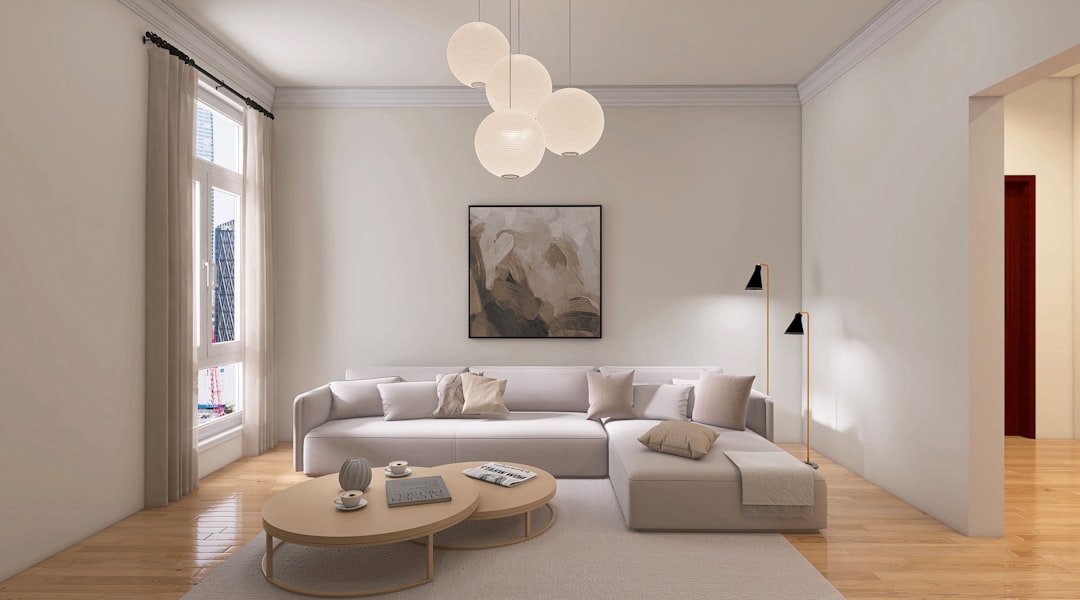
An L-shaped sofa configuration works well with a large rectangular carpet. The sofa wraps two sides of the rug, with the coffee table and open seating area filling the remaining space. This layout maximises seating in the rectangular living rooms found in many Singapore condominiums.
The Open Plan Divider
In open-plan HDB and BTO flats, use carpet to define the living zone from the dining area. The carpet’s edge creates a visual boundary without physical barriers. Choose a carpet colour that complements but contrasts slightly with the hard flooring in the dining zone.
Enhance your living room carpet with coordinating upholstery fabrics on your sofa and cushions for a pulled-together design scheme.
Carpet Tiles as a Living Room Alternative
Carpet tiles offer a modular approach to living room flooring that provides several unique advantages over broadloom carpet and area rugs.
Individual tiles can be replaced if permanently stained or damaged, making carpet tiles the most practical option for families with young children or pets. If a red wine spill resists all cleaning efforts, you replace one tile rather than the entire carpet.
Creative homeowners can mix carpet tile colours and textures to create custom patterns and zones within the living room. A border of darker tiles around a lighter central field, or a graduated colour scheme across the room, adds design interest that standard carpet cannot achieve.
Installation is straightforward, with many carpet tiles suitable for DIY placement. They can be laid over existing hard flooring without professional adhesive in many residential applications, making them a practical option for renters who want carpet comfort without permanent modification.
Maintaining Living Room Carpet
Living room carpet faces more daily wear than bedroom carpet, so a consistent maintenance routine is essential.
- Vacuum at least twice weekly, more often if you have children or pets
- Address spills immediately by blotting with a clean white cloth and cold water
- Place doormats at entries to reduce the amount of dirt tracked onto the carpet
- Rearrange furniture periodically to distribute wear and prevent permanent indentations
- Schedule professional deep cleaning every 12 to 18 months
- Use window treatments to reduce direct sun exposure that causes fading
In Singapore’s humid climate, ensure adequate air circulation across the carpet surface. Air conditioning helps, but rooms that are closed up for extended periods can develop a musty smell as humidity accumulates in carpet fibres. Running the air conditioning or a dehumidifier periodically in unused rooms prevents this issue.
With the right care routine, quality living room carpet maintains its appearance and comfort for many years. The investment in regular maintenance pays for itself through extended carpet life and a consistently pleasant living environment.
Ready to explore carpet options for your living room? Book an appointment with our design consultants to discuss the best carpet type, colour, and layout for your space.