Carpet & Flooring
Grey Vinyl Flooring: Trending Shades for Singapore
Why Grey Vinyl Flooring Dominates Singapore Interiors
Grey has become the defining neutral in contemporary Singapore interior design. Unlike beige and cream tones that dominated the previous decade, grey offers a sophisticated, modern foundation that works across nearly every design style — from minimalist Scandinavian to industrial loft aesthetics.
The popularity of grey vinyl flooring is not merely a passing trend. Grey tones possess a practical versatility that warmer neutrals lack. They complement both cool and warm colour palettes, pair naturally with the concrete and steel elements common in urban Singapore homes, and show less visible dust and minor scuffs than very light or very dark floors.
For HDB and BTO homeowners working with compact floor plans, grey flooring creates an impression of spaciousness. Lighter greys in particular reflect ambient light effectively, making rooms feel larger and more open — a valuable quality when every square foot matters.
Understanding the Grey Spectrum
Grey is not a single colour but an extensive family of tones, each creating a distinctly different mood. Choosing the right shade depends on your room size, natural light levels, and overall design direction.
| Shade Category | Undertone Options | Best For | Design Style |
|---|---|---|---|
| Light grey (ash, silver) | Cool blue, warm beige | Small rooms, north-facing units | Scandinavian, coastal, minimalist |
| Mid grey (pewter, slate) | Neutral, green, brown | Living rooms, open-plan spaces | Contemporary, transitional |
| Dark grey (charcoal, graphite) | Cool blue-black, warm brown | Large rooms with ample light | Industrial, dramatic, luxury |
| Greige (grey-beige) | Warm taupe, sand | Any room; extremely versatile | Modern farmhouse, Japandi |
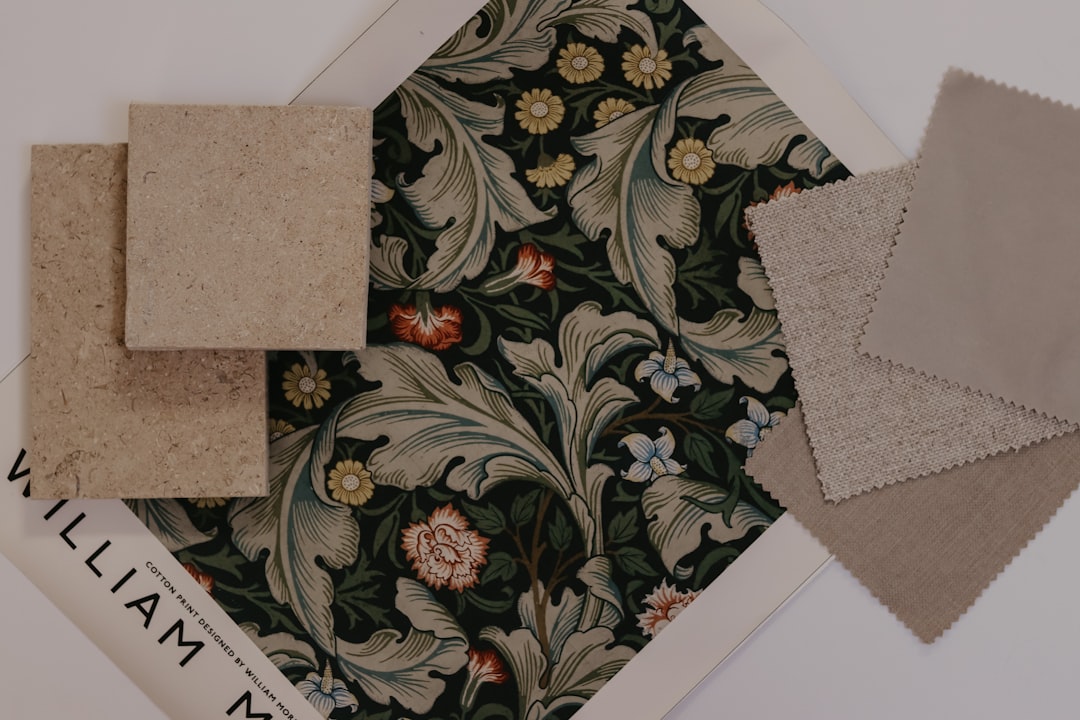
A common mistake is selecting a grey based solely on a small sample chip. Greys shift dramatically depending on surrounding light and the colours in the room. Always view large samples in your actual space, at different times of day, before committing.
Grey Vinyl Flooring in Wood-Look Finishes
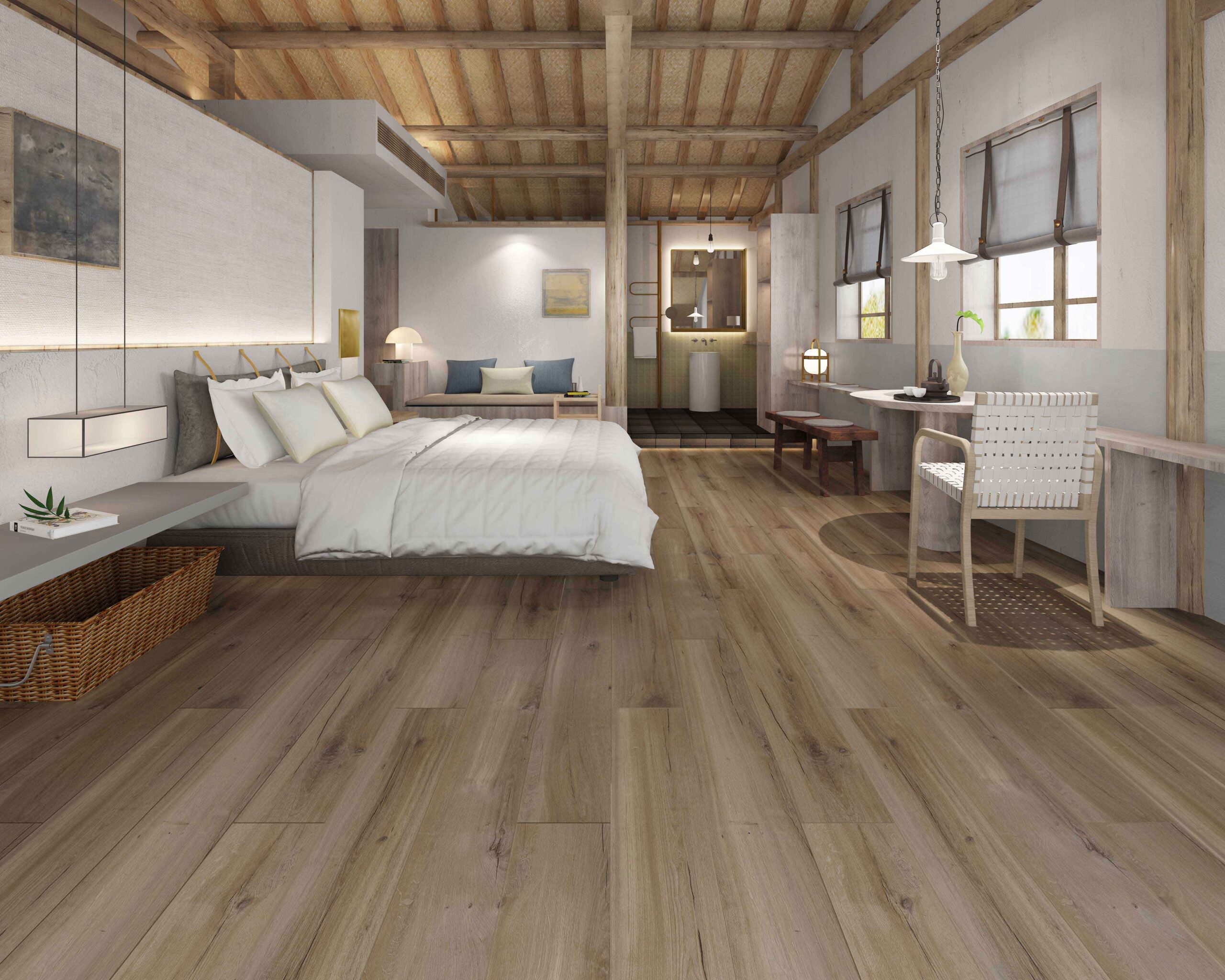
Grey-washed timber effects are among the most sought-after luxury vinyl flooring designs in Singapore. These products combine the warmth and texture of natural wood grain with the contemporary coolness of grey tones.
Popular wood-look grey finishes include:
- Grey oak: A natural grain pattern with subtle grey staining. Versatile enough for any room and pairs well with white, black, and natural wood furniture.
- Driftwood grey: A weathered, sun-bleached appearance with pronounced grain variation. Suits coastal and relaxed contemporary interiors.
- Smoked timber: A darker, more dramatic grey with deep brown undertones. Creates a rich, moody atmosphere in living rooms and master bedrooms.
- Grey walnut: Combines walnut’s characteristic swirling grain with a cool grey wash. Adds sophistication without the heaviness of traditional dark walnut.
Modern printing and embossing technology means these finishes are not just visually convincing — many feature registered embossing where the surface texture aligns precisely with the printed grain, creating a tactile experience close to real timber.
Grey Vinyl in Stone and Concrete Effects
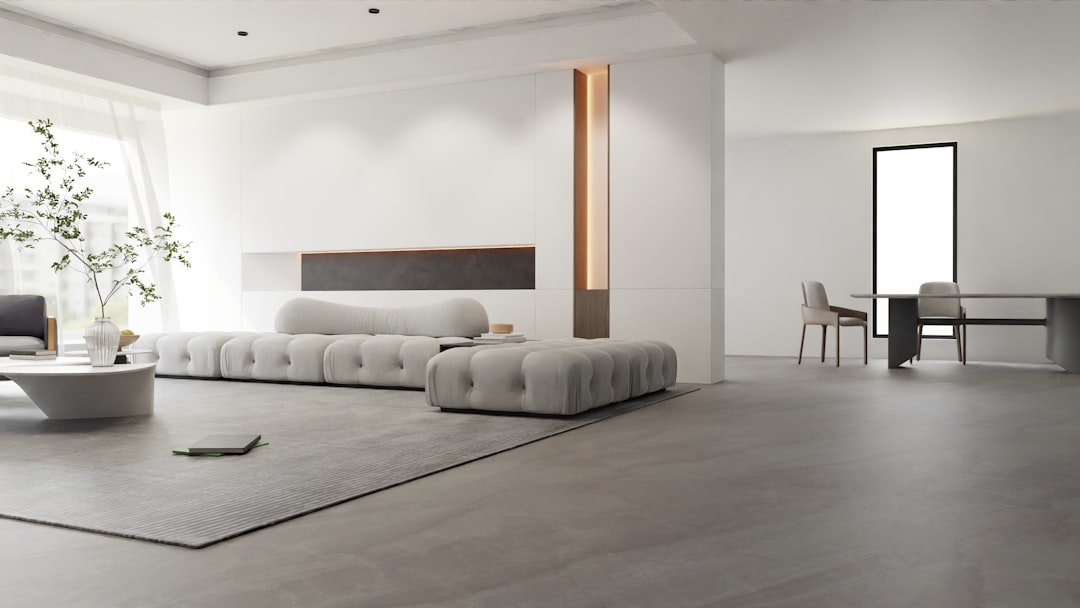
For homeowners drawn to the industrial aesthetic, grey vinyl flooring in stone and concrete patterns delivers the look without the practical drawbacks. Real concrete floors are cold, hard underfoot, prone to cracking, and require sealing. Vinyl alternatives provide the visual impact with warmth, resilience, and zero maintenance beyond regular cleaning.
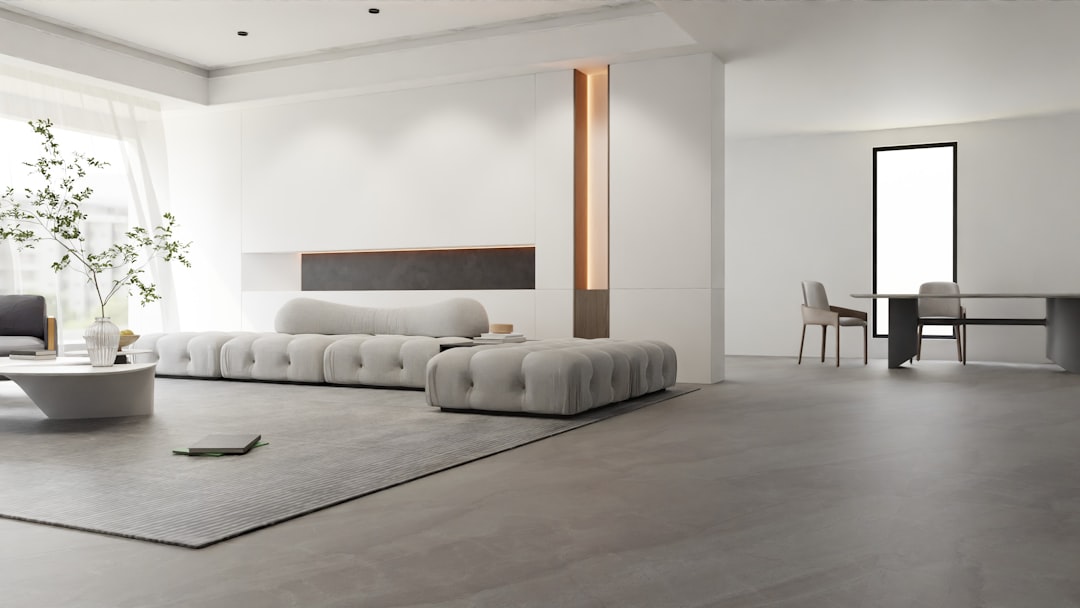
Concrete-effect vinyl suits open-plan HDB and condo layouts particularly well. The uniform, large-format appearance creates visual continuity across kitchen, dining, and living zones without the grout lines that interrupt the flow with real tiles.
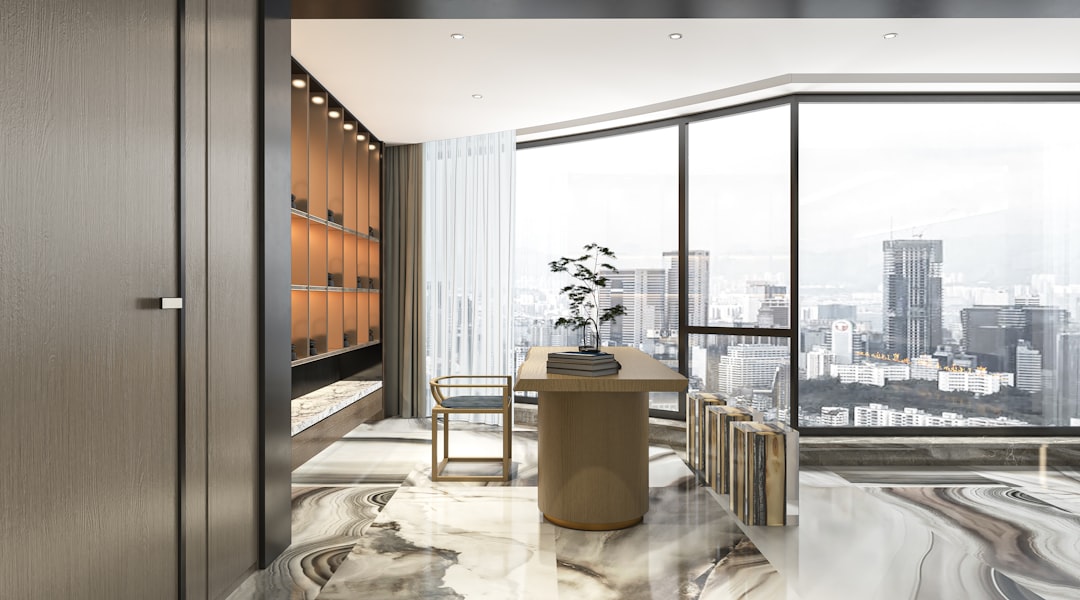
Natural stone effects — such as grey marble, travertine, and limestone — offer a more refined take on grey flooring. These work beautifully in entrance foyers and master bathrooms where a sense of luxury is desired. The veining and tonal variation in these designs prevent the floor from looking flat or monotonous.
Pairing Grey Floors with Singapore Interior Styles
The right grey floor anchors an entire room’s design. Here are proven colour and material combinations for popular Singapore interior styles.
Scandinavian minimalist: Light grey flooring with white walls, blonde timber furniture, and soft textiles in muted pastels. This combination maximises the sense of space in compact BTO units and keeps the mood calm and uncluttered.
Industrial modern: Mid-to-dark grey concrete-effect flooring with exposed brick or dark feature walls, black metal fixtures, and leather upholstery. Add warmth through timber accents and ambient lighting to prevent the space from feeling cold.
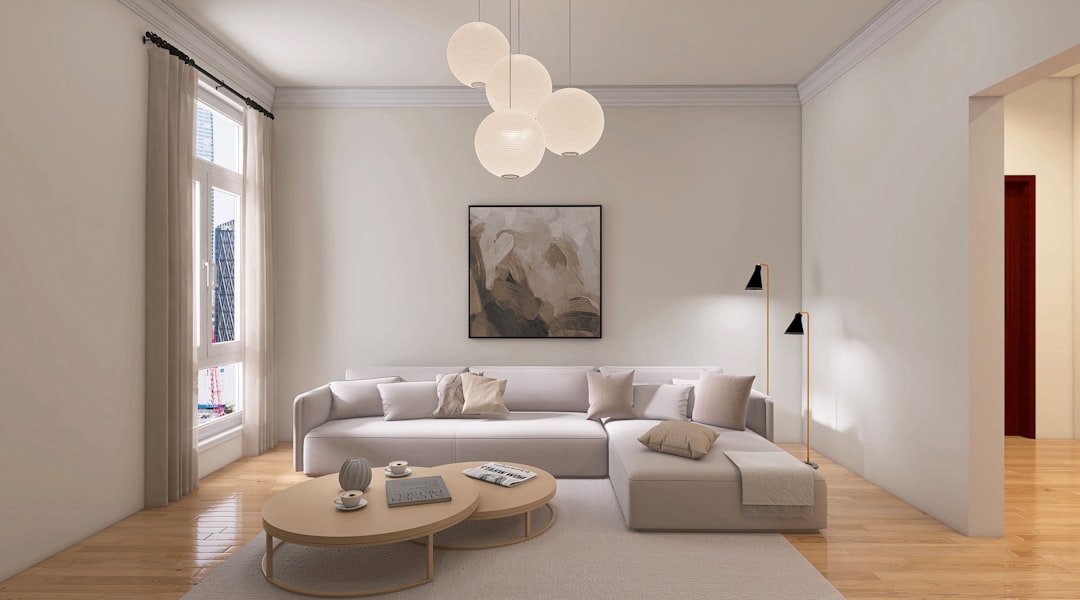
Japandi: Greige flooring bridges the gap between Japanese minimalism and Scandinavian warmth. Pair with low-profile timber furniture, linen textiles, and a restrained palette of earthy neutrals. The warm undertones in greige prevent the space from feeling sterile.
Luxe contemporary: Dark charcoal flooring with rich textures — marble countertops, velvet upholstery, and metallic accents in brushed brass or champagne gold. Best suited to larger condominiums and landed properties where dark floors will not overwhelm the space.
Grey Vinyl Flooring for Commercial and Open-Plan Spaces
Grey vinyl flooring is equally popular in commercial interiors. Offices, co-working spaces, retail stores, and hospitality venues frequently specify grey tones for their professional, contemporary appearance and ability to disguise everyday wear.
In open-plan office environments, grey vinyl creates a calm, focused atmosphere without the visual coldness of bare concrete or the formality of dark timber. Lighter grey tones keep workspaces feeling bright and energetic, while darker greys in executive suites and meeting rooms convey authority and sophistication.
For Singapore’s many serviced apartments and co-living developments, grey vinyl is a pragmatic choice. Its neutral appearance appeals to a diverse range of tenants, and the material’s durability and ease of replacement between tenancies make it commercially sensible. Grey also hides the minor scuffs and marks that are inevitable in high-turnover rental properties.
In retail environments, grey flooring serves as a neutral stage that does not compete with merchandise displays. Fashion boutiques, electronics stores, and lifestyle brands frequently use grey flooring to let their products remain the visual focus.
Practical Tips for Choosing Grey Vinyl Flooring
Beyond aesthetics, several practical factors should guide your selection.
Consider your lighting: North-facing HDB units receive limited direct sunlight. Very dark greys can make these spaces feel cave-like. Opt for lighter shades or greys with warm undertones. West-facing units with strong afternoon sun can handle darker tones and benefit from them, as the warm light naturally balances cool grey floors.
Think about resale: If you may sell your property within five to seven years, mid-tone greys with neutral undertones appeal to the broadest range of buyers. Avoid highly distinctive shades that reflect very personal taste.
Coordinate with existing elements: If you are not replacing kitchen cabinetry or bathroom vanities, ensure your grey floor complements their colour. Warm-toned cabinets pair best with greige floors, while white or grey cabinetry suits cooler grey tones.
Sample in context: Request large samples and place them on your actual floor, viewing them under both natural daylight and your artificial lighting. Grey is notoriously sensitive to surrounding light and colours — a shade that looks perfect in a showroom may appear completely different in your home.
Ready to find the perfect grey? Request free samples from our Singapore showroom and see how different grey tones look in your own space before deciding.