Wallpaper & Wallcovering
Plain Wallpaper: Solid Colour Minimalist Options
The Understated Power of Plain Wallpaper
Plain wallpaper — solid-colour wallcovering without printed patterns — might seem like the simplest option in the wallpaper world. Yet it serves a design function that painted walls simply cannot replicate. The subtle surface textures, material depth, and consistent finish of quality plain wallpaper elevate a room in ways that are felt more than seen.
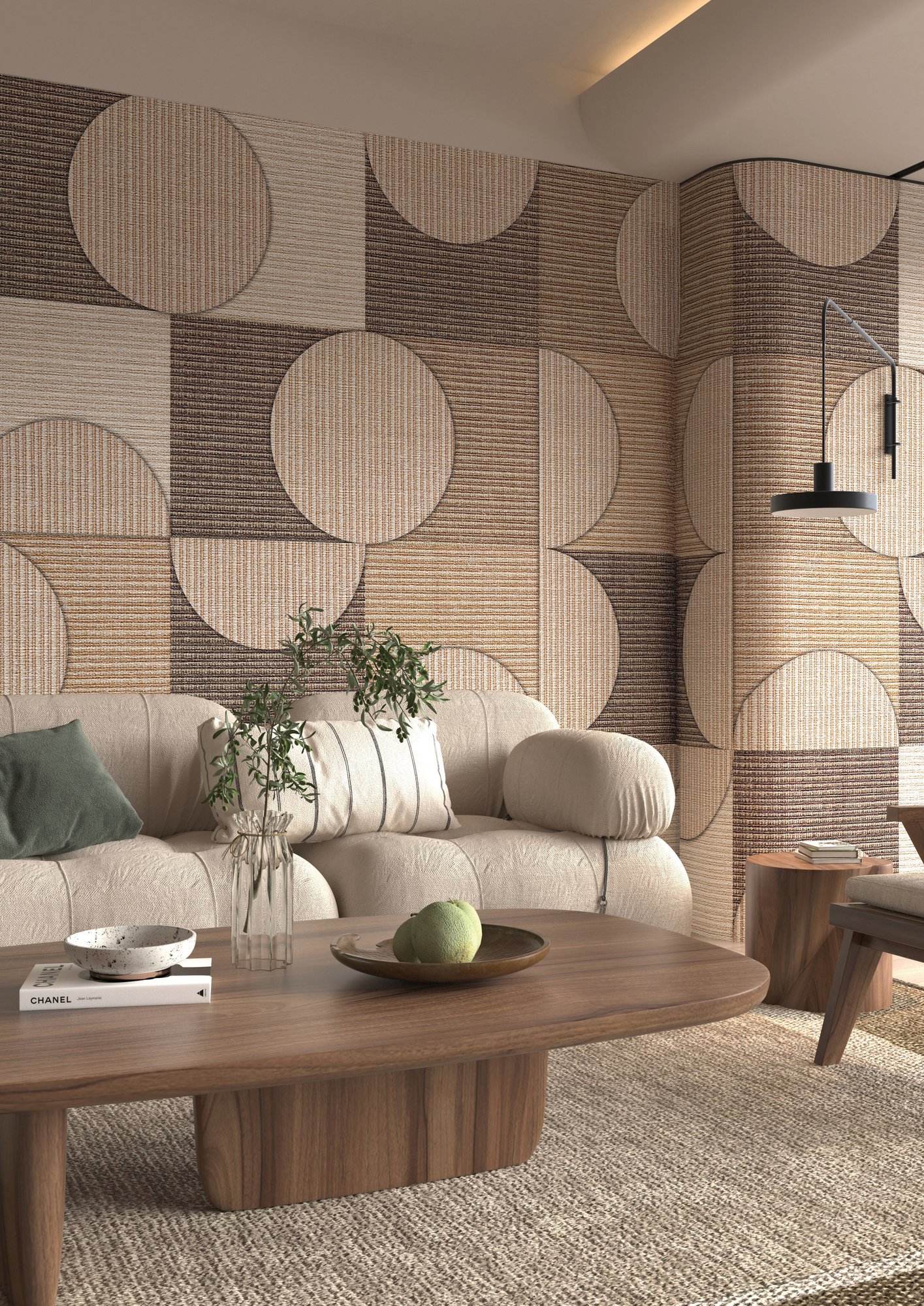
Where paint sits flat on a wall, plain wallpaper introduces tactile dimension. Linen weaves, subtle stucco effects, fine ribbing, and grasscloth textures catch light differently across the surface, creating visual interest without the distraction of a pattern. This makes plain wallpaper a favourite among interior designers who want walls that feel refined and intentional rather than merely painted.
For Singapore homeowners drawn to minimalist design — where every element must justify its presence — plain wallpaper is the wall treatment that adds substance without noise.
Types of Plain Wallpaper Textures
Not all plain wallpapers are equal. The texture of the wallcovering material defines its visual character and practical properties.
| Texture Type | Appearance | Best For | Durability |
|---|---|---|---|
| Linen / canvas weave | Soft, organic crosshatch pattern | Living rooms, bedrooms | Good |
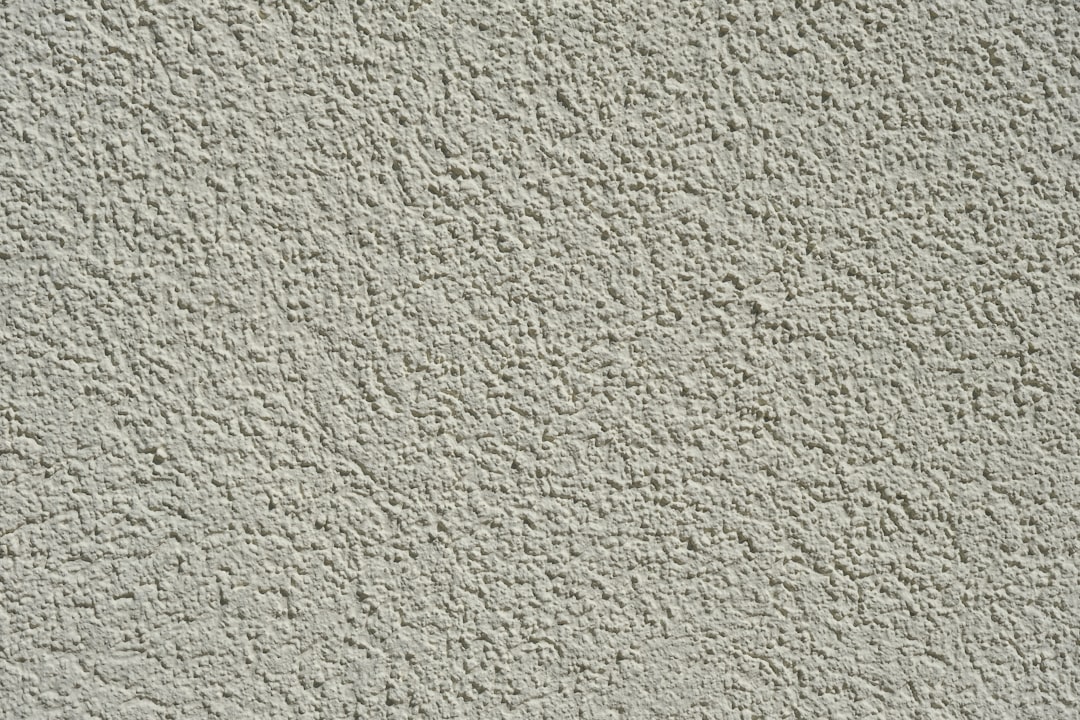
| Stucco / plaster effect | Subtle, irregular surface variation | Feature walls, dining rooms | Good |
| Grasscloth | Natural fibre woven texture | Premium spaces, accent walls | Moderate (delicate surface) |
| Silk / satin finish | Smooth with gentle sheen | Master bedrooms, formal rooms | Good |
| Concrete / industrial | Raw, matte, stone-like | Industrial interiors, studios | Very good |
| Fine ribbed / corduroy | Vertical or horizontal fine lines | Hallways, study rooms | Very good |
Each texture interacts with light differently. Linen and grasscloth textures scatter light softly, creating a warm, diffused glow. Silk and satin finishes reflect more light, adding a sense of luxury but also revealing wall imperfections more readily. Matte concrete and stucco effects absorb light, lending a grounded, contemporary feel.
Choosing the Right Solid Colour
Colour selection for plain wallpaper follows similar principles to any wall treatment, but with an important distinction: the texture of the wallpaper interacts with the colour to create a richer, more nuanced result than flat paint in the same shade.
Popular plain wallpaper colours for Singapore interiors include:
- Warm white and ivory: Clean and bright without the clinical starkness of pure white. Linen-textured white wallpaper adds warmth that white paint often lacks.
- Soft grey: The dominant neutral in contemporary design. Grey plain wallpaper in a linen or stucco texture creates a sophisticated backdrop for both minimal and layered interiors.
- Beige and taupe: Warm, earthy tones that suit Japandi and transitional styles. These colours create an inviting atmosphere without the visual weight of darker shades.
- Navy and deep blue: Bold choices for feature walls and bedrooms. A deep navy with a subtle textile texture adds dramatic depth without overwhelming the space.
- Sage and olive green: Nature-inspired tones that connect indoor spaces to Singapore’s lush tropical surroundings. Increasingly popular for bedrooms and living rooms seeking a calm, grounding atmosphere.
Where to Use Plain Wallpaper in Your Home
Plain wallpaper works in virtually every room, but its impact varies depending on the application.
Full-room coverage: Applying the same plain wallpaper to all walls creates a cohesive, enveloping atmosphere. This works particularly well in bedrooms, where a consistent, calming surround promotes rest. In living rooms, full-room plain wallpaper provides a unified backdrop that allows furniture and artwork to stand out.
Feature walls: A single accent wall in a richer colour or more pronounced texture draws the eye and adds architectural interest. In HDB living rooms, the TV feature wall is a natural candidate. In bedrooms, the wall behind the headboard benefits from a deeper-toned plain wallpaper that anchors the bed visually.
Corridors and hallways: These transitional spaces often feel neglected. Plain wallpaper in a light, textured finish transforms narrow corridors from afterthoughts into intentional design moments. Vertical ribbed textures can make low-ceilinged corridors feel taller.
Study and home office: A calm, non-distracting backdrop supports focus and concentration. Warm grey or soft sage plain wallpaper creates a professional, composed environment for work-from-home setups.
Plain Wallpaper vs Paint: When Wallpaper Wins
The question often arises: why choose plain wallpaper when you could simply paint the wall the same colour? The answer lies in the practical and aesthetic differences between the two.
Wall imperfection concealment: Textured wallpaper hides minor wall defects — hairline cracks, uneven skim coating, slight undulations — that paint would expose. In older HDB flats where walls have settled and developed imperfections, this is a genuine advantage.
Durability: Quality vinyl wallpaper resists scuffs, fingerprints, and minor impacts better than most paint finishes. For households with young children, this translates to walls that look better for longer.
Consistency: Wallpaper delivers uniform colour without the brush marks, roller stipple, or lap marks that can occur with paint application. For large, uninterrupted wall surfaces, this consistency is immediately apparent.
Texture: This is wallpaper’s most irreplaceable advantage. No paint can replicate the tactile depth of a woven linen wallcovering or the organic character of grasscloth. Texture adds a layer of visual richness that flat colour alone cannot achieve.
The trade-off is that wallpaper involves higher upfront cost than paint and requires more effort to change. However, quality plain wallpaper lasts 10 to 15 years, making the long-term cost per year competitive with periodic repainting.
Plain Wallpaper in Commercial Spaces
Plain wallpaper is equally valuable in commercial interiors, where it creates professional, polished environments without the visual distraction of patterns.
Offices and co-working spaces benefit from plain textured wallpaper in muted tones — warm grey, soft blue-grey, or taupe. These colours promote focus without causing visual fatigue during long working hours. The texture adds a sense of quality and intentional design that elevates the workspace beyond basic painted walls.
Hospitality venues — boutique hotels, restaurants, and wellness centres — use plain wallpaper to create atmosphere through colour and texture rather than pattern. A deep charcoal linen wallpaper in a restaurant dining room, or a warm cream grasscloth in a spa reception area, establishes mood immediately and elegantly.
Healthcare and education facilities also specify plain vinyl wallcoverings for their durability and ease of cleaning. Commercial-grade plain wallpapers withstand the heavy cleaning and high traffic that these environments demand while maintaining a pleasant, non-institutional appearance.
Installation and Care in Singapore’s Climate
Singapore’s humidity does not prevent wallpaper use, but it does require proper preparation. Walls should be primed with a wallpaper-specific primer that seals the surface and prevents moisture from weakening the adhesive bond over time.
For bathrooms and kitchens, choose vinyl-coated plain wallpapers that resist moisture and are wipeable. Natural grasscloth, while beautiful, is not suitable for humid wet areas — reserve it for air-conditioned living spaces and bedrooms.
Maintenance for plain wallpaper is straightforward. Vinyl-coated options can be wiped with a damp cloth. Non-vinyl textures should be dusted regularly and spot-cleaned with care. Avoid abrasive cleaning methods that can damage the surface texture.
Explore the full range of plain and textured wallpapers available for Singapore homes. Request free samples from our Singapore showroom to feel the textures and see the colours in your own space.