Carpet & Flooring
Vinyl Sheet Flooring Singapore: Seamless Roll Options
What Is Vinyl Sheet Flooring?
Vinyl sheet flooring is a resilient floor covering manufactured in large, continuous rolls — typically 2 to 4 metres wide. Unlike tiles or planks that are installed piece by piece, sheet vinyl is laid in a single expanse, creating a virtually seamless surface across the room.
This seamless construction is one of its most practical advantages. Fewer seams mean fewer entry points for moisture, making it an excellent choice for kitchens, bathrooms, and service yards in Singapore homes. The material consists of multiple layers: a backing for stability, a printed design layer, and a clear wear layer on top that resists scratches and scuffs.
Modern vinyl sheet flooring has advanced well beyond the thin, flimsy rolls of decades past. Today’s products feature high-definition printing technology that replicates the look of natural stone, timber, and decorative patterns with remarkable accuracy.
Why Vinyl Sheet Flooring Suits Singapore Homes
Singapore’s tropical climate — with year-round humidity levels frequently exceeding 80% — demands flooring that can handle moisture without warping or swelling. Vinyl sheet flooring is inherently waterproof, making it one of the most climate-appropriate options available.
For HDB flats and BTO units, vinyl sheet flooring offers several practical benefits. It can be installed directly over existing floor surfaces in many cases, reducing the need for hacking and the associated noise, dust, and disposal costs. This is particularly valuable in HDB estates where renovation noise restrictions apply.
The material is also softer underfoot than ceramic tiles, which is a consideration for families with young children or elderly residents. It provides a degree of cushioning and sound absorption that hard surfaces cannot match.
In condominiums with strict noise regulations, vinyl sheet flooring helps meet inter-floor acoustic requirements. Its layered construction naturally dampens impact sound, reducing complaints from neighbours below.
Vinyl Sheet vs Other Vinyl Formats
Understanding how sheet vinyl compares to other vinyl flooring formats helps homeowners make informed decisions. Each format has distinct strengths depending on the application.
| Feature | Vinyl Sheet | Vinyl Plank (LVT) | Vinyl Tile |
|---|---|---|---|
| Installation | Full adhesive or loose-lay rolls | Click-lock or glue-down planks | Glue-down individual tiles |
| Seams | Minimal to none | Plank-to-plank joints | Tile-to-tile joints |
| Water resistance | Excellent (seamless surface) | Good (joints may admit moisture) | Good (joints may admit moisture) |
| Design variety | Moderate | Wide range | Wide range |
| DIY friendliness | Moderate (requires cutting) | High (click-lock systems) | Moderate |
| Best for | Wet areas, large open spaces | Living areas, bedrooms | Commercial, utility areas |
Choosing the Right Vinyl Sheet for Your Space
When selecting vinyl sheet flooring, consider the wear layer thickness first. This transparent top coating determines how well the floor resists scratches, scuffs, and general wear. For residential use, a wear layer of 0.3 mm to 0.5 mm is suitable. High-traffic areas benefit from 0.5 mm or above.
Design selection is the next consideration. Current trends in Singapore lean toward:
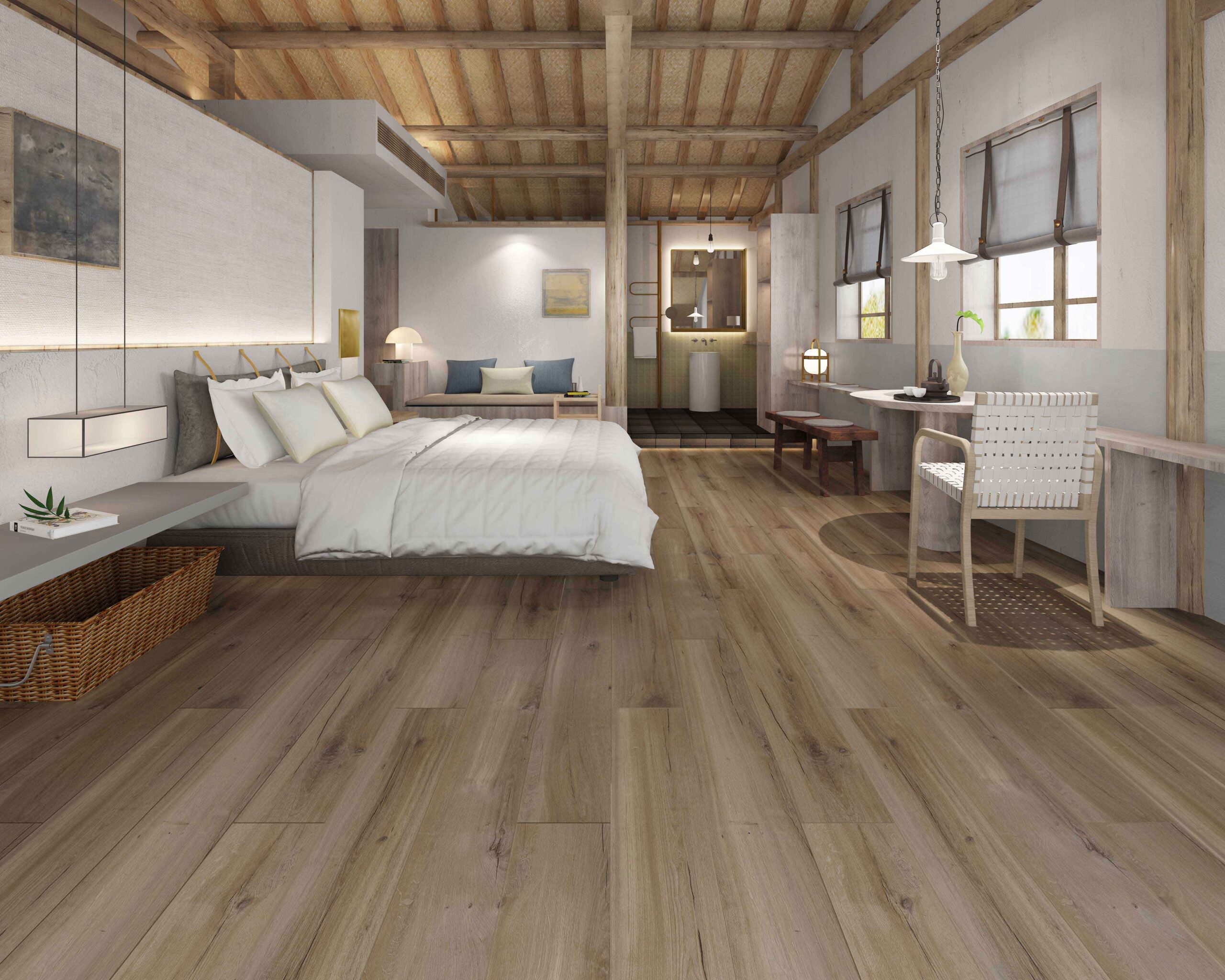
- Light oak and ash wood-look patterns for Scandinavian-inspired interiors
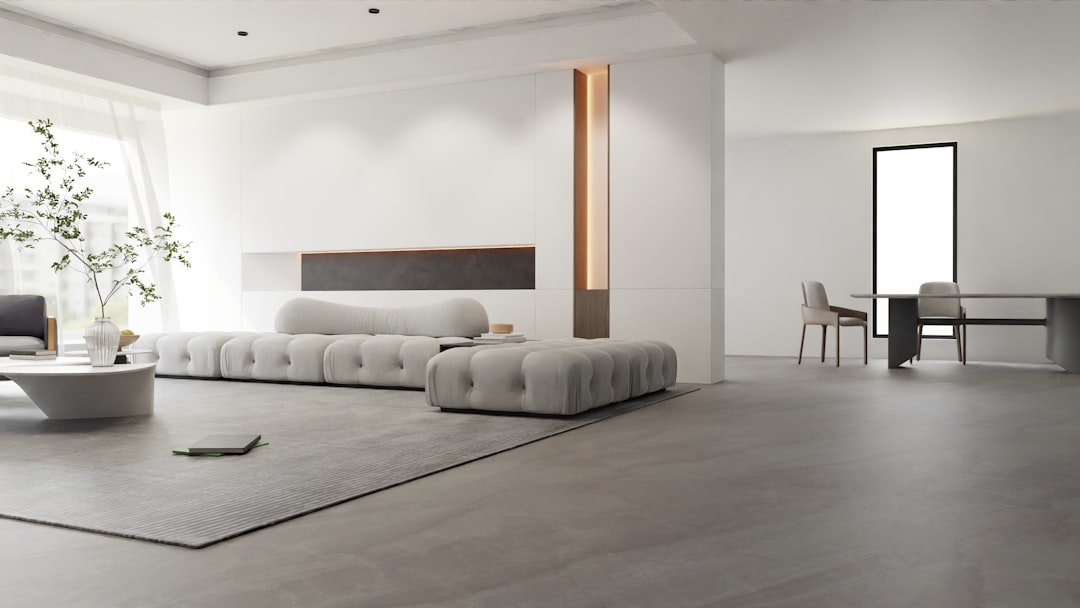
- Grey stone and concrete effects for industrial-modern aesthetics
- Warm walnut and teak tones for traditional and transitional spaces
- Terrazzo-inspired prints for retro-contemporary kitchens
Total thickness also matters. Thicker sheets (2 mm to 3.5 mm) provide better underfoot comfort, improved sound insulation, and greater ability to mask minor subfloor imperfections. Thinner sheets (1.5 mm to 2 mm) work well over smooth, well-prepared surfaces.
For wet areas such as bathrooms and kitchens, look for products with enhanced slip resistance. Many vinyl sheet products carry an R10 or R11 slip rating, indicating suitability for areas that may get wet during normal use.
Installation Considerations for Singapore Properties
Professional installation is recommended for vinyl sheet flooring. The material must be accurately measured, cut to fit the room’s dimensions, and properly adhered to the subfloor. Mistakes during cutting are costly since the roll is a single piece.
Before installation, the subfloor must be clean, dry, and level. In older HDB flats, this may require skim-coating the existing floor to create a smooth base. Any bumps, cracks, or debris beneath the sheet will eventually telegraph through the surface.
Acclimatisation is important in Singapore’s climate. Rolls should be stored flat in the installation space for at least 24 hours before laying, allowing the material to adjust to the room’s temperature and humidity. This prevents post-installation buckling or expansion.
For rooms wider than the roll width, seams are unavoidable. A skilled installer will position seams in low-visibility areas and use cold-welding techniques to create watertight, nearly invisible joints.
Applications Across Different Property Types
Vinyl sheet flooring adapts to the requirements of different Singapore property types, though the ideal application varies.
HDB flats and BTO units: Sheet vinyl is particularly well-suited to HDB bathrooms, kitchens, and service yards where its seamless, waterproof surface prevents moisture-related damage. For homeowners on a renovation timeline constrained by HDB permit periods, the speed of sheet vinyl installation — typically completed in one to two days for a standard bathroom — is a practical advantage. The material can also be installed in living areas and bedrooms as a unified flooring solution, though many homeowners opt for vinyl planks in these spaces for a more timber-like appearance.
Condominiums: Condo renovations often face strict management rules around noise, wet works, and working hours. Sheet vinyl installation generates minimal noise and no wet trade waste, making it a renovation-friendly option. Its acoustic properties also help meet inter-floor sound transmission requirements that many condo management committees enforce.
Landed properties: In larger homes with expansive kitchen and utility areas, sheet vinyl’s ability to cover wide surfaces with few or no seams is especially valuable. Landed property owners also appreciate the material in helper’s quarters and service areas where durability and easy cleaning are priorities over decorative impact.
Commercial spaces: Healthcare facilities, childcare centres, and food-and-beverage outlets frequently specify vinyl sheet flooring for its hygiene credentials. The seamless surface prevents bacteria and debris from accumulating in joints, and the material withstands the heavy cleaning regimes that commercial environments require.
Maintenance and Long-Term Care
Vinyl sheet flooring is one of the easiest flooring types to maintain. Daily care involves sweeping or vacuuming to remove grit that could scratch the wear layer. Weekly mopping with a damp mop and a pH-neutral cleaner keeps the surface hygienic.
Avoid harsh chemicals such as bleach, acetone, or abrasive cleaning powders. These can damage the wear layer and dull the surface finish. Rubber-backed mats should also be avoided, as they can cause discolouration over time through a chemical reaction with the vinyl.
Furniture pads under chair and table legs prevent indentation marks. For rolling office chairs, use a protective mat to distribute the concentrated load across a wider area.
With proper care, quality vinyl sheet flooring lasts 10 to 20 years in a typical residential setting. The seamless surface resists bacterial growth and allergen accumulation, making it a hygienic choice for families with young children or members with respiratory sensitivities.
If a section of the floor becomes damaged — a deep scratch, a burn mark, or a stubborn stain — repair options are limited compared to plank formats where individual pieces can be replaced. Small areas can sometimes be patched by a skilled installer, but for significant damage, the entire sheet may need replacing. This is one trade-off of the seamless format to consider when choosing between sheet vinyl and other vinyl options.
Ready to explore seamless vinyl sheet options for your home? Request free samples from our Singapore showroom to compare colours, textures, and thicknesses before making your decision.