Interior Design
Sound Insulation for Condo: Flooring, Walls and Curtains
Why Sound Insulation Matters in Singapore Condos
Living in a condominium means sharing walls, floors and ceilings with your neighbours. In Singapore’s high-density residential landscape, noise transmission between units is one of the most common complaints among condo residents. Footsteps from the unit above, bass from a neighbour’s entertainment system and even conversations through thin partition walls can significantly affect your quality of life.
The good news is that you can meaningfully reduce noise transfer within your unit through smart material choices. Flooring, wall treatments and soft furnishings all play a role in absorbing, dampening and blocking sound. This guide covers practical, renovation-friendly solutions for Singapore condominiums.
Understanding Sound Transmission
Before choosing solutions, it helps to understand the two main types of noise in condos.
Impact noise is caused by direct contact with a surface — footsteps, dropped objects, furniture being moved or children jumping. This type of noise travels through the building structure and is the most common source of inter-floor complaints in Singapore condos.
Airborne noise is sound that travels through the air before hitting a wall, floor or ceiling — conversations, television audio, music and barking dogs. This type of noise is typically transmitted through gaps, thin walls and lightweight partitions.
Effective sound insulation addresses both types, using a combination of mass, absorption and decoupling to reduce noise transmission.
Flooring for Sound Reduction
Your floor is the single most important surface for managing impact noise, both for your own comfort and for the benefit of neighbours below.
Luxury vinyl flooring with acoustic backing is one of the most effective choices for condo sound insulation. Quality luxury vinyl tiles with integrated acoustic underlays can reduce impact sound transmission significantly. The cushioned layers absorb the energy of footsteps and impacts before they reach the concrete slab.
When selecting vinyl flooring for acoustic performance, look for these specifications:
- Built-in acoustic underlay or cork backing
- Impact sound reduction rating (measured in decibels)
- Overall thickness of 4 mm or more, including the underlay
Carpet and carpet tiles provide the best impact noise reduction of any flooring material. The soft, fibrous surface absorbs impact energy extremely effectively. Carpet in bedrooms is particularly effective for reducing the sound of footsteps that might otherwise disturb neighbours below during early morning or late-night hours.
Hard flooring with separate acoustic underlay is another option. If you prefer the look of hard flooring, installing a dedicated acoustic underlay beneath your chosen material can provide meaningful sound reduction. Rubber, cork and foam underlays are all available in Singapore and can be paired with various floor finishes.
Conversely, bare ceramic or porcelain tiles on concrete provide virtually no impact sound insulation. If you are living above or below someone with bare tile floors, the noise difference compared to carpeted or vinyl-covered floors is dramatic.
Wall Treatments for Noise Reduction
Walls transmit airborne noise between adjacent units and between rooms within your own home. Several approaches can help.
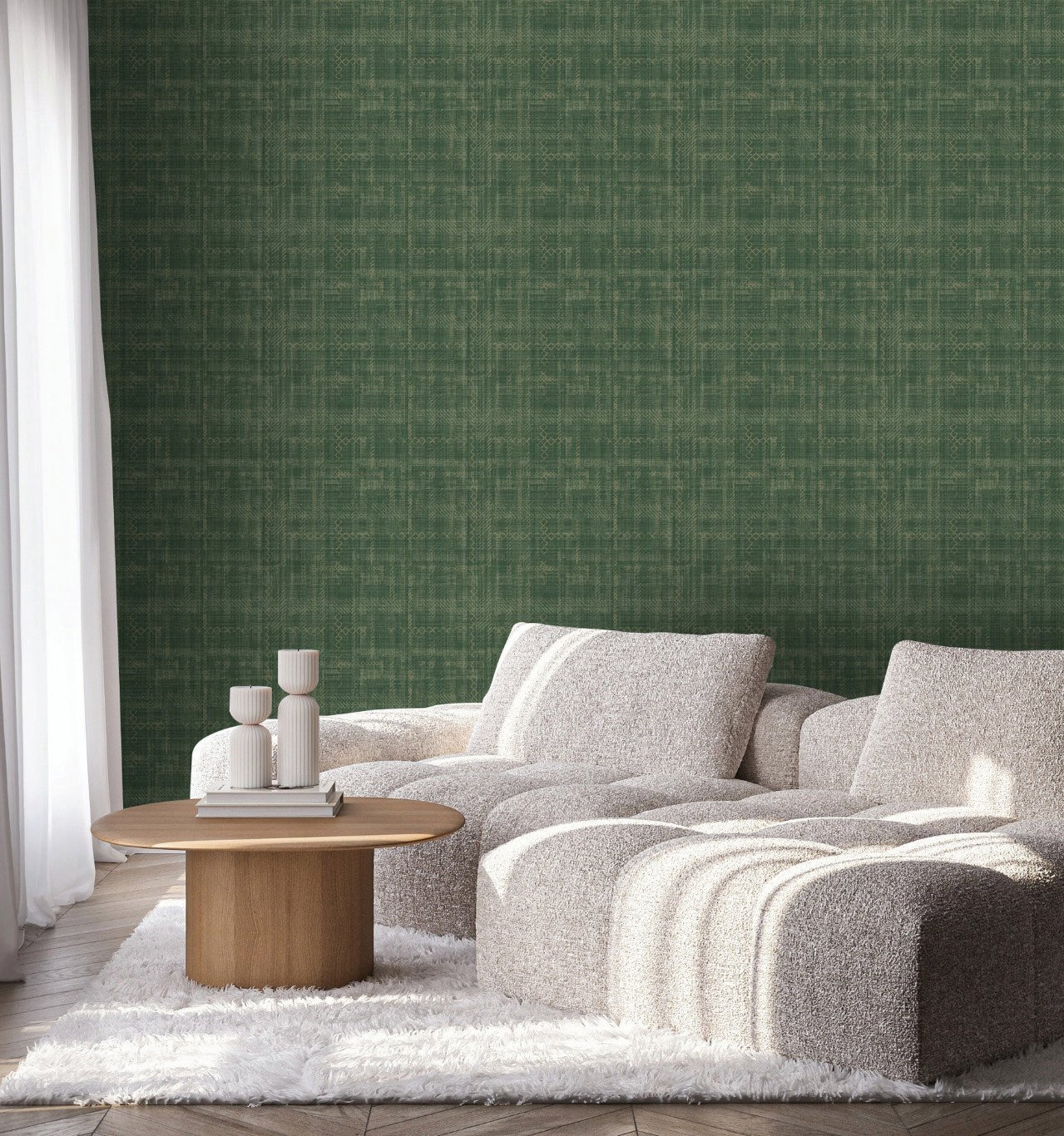
Wallpaper and wall coverings: While standard wallpaper provides minimal acoustic benefit, thicker wall coverings with textile or vinyl backing add mass and absorption to wall surfaces. This is not a substitute for proper acoustic treatment, but it does contribute to overall noise reduction as part of a layered approach.
Acoustic panels: For rooms where noise is a serious concern — home studios, bedrooms adjacent to noisy neighbours, or home offices where you take video calls — purpose-built acoustic panels can be mounted on walls. These panels absorb sound reflections within the room and reduce the amount of sound energy that reaches the wall.
Bookshelves and storage: A fully stocked bookshelf against a shared wall acts as a surprisingly effective sound barrier. The mass and varied density of books break up sound waves and add insulation between you and your neighbour.
Sealing gaps: Sound travels through the smallest openings. Check for gaps around electrical outlet boxes, where pipes penetrate walls, and at the junction between walls and ceiling. Acoustic sealant or putty can be used to fill these gaps without major renovation work.
Curtains and Soft Furnishings
Soft materials absorb sound within a room, reducing echoes and reverberation. While they do not block sound transmission between units as effectively as structural solutions, they make a noticeable difference to the acoustic comfort within your own space.
Heavy curtains are among the most effective soft furnishing solutions for sound absorption. Thick, densely woven drapery fabrics absorb sound energy that would otherwise bounce off glass windows and contribute to a noisy, reverberant room. Floor-to-ceiling curtains are most effective, as they cover the maximum surface area.
For rooms facing busy roads, MRT lines or construction sites, layered curtains provide both sound absorption and thermal insulation. A combination of sheer and heavy curtains gives you flexibility — sheers during quiet daytime hours and heavy curtains when external noise increases.
Upholstered furniture also contributes to room acoustics. Fabric sofas absorb more sound than leather or vinyl upholstery. Rugs on hard floors, cushions on seats and fabric headboards in bedrooms all add absorptive surfaces that reduce echo and create a quieter, more comfortable environment.
Room-by-Room Recommendations
Different rooms have different acoustic priorities. Here is a practical guide for each area of your condo.
Master bedroom: Prioritise carpet or thick vinyl with acoustic underlay. Use heavy curtains and consider a fabric-upholstered headboard on any wall shared with a neighbour. This room is where you are most sensitive to noise, especially at night.
Living room: Use vinyl flooring with acoustic backing and add a large area rug. Install heavy curtains and choose upholstered furniture. These measures reduce internal echo and absorb sound from both external sources and your own entertainment system.
Children’s room: Carpet or thick vinyl is essential to reduce impact noise from jumping and playing. This is a courtesy to your downstairs neighbours and a frequent source of inter-unit disputes in Singapore condos.
Home office: Focus on reducing echo for clear video calls. Acoustic panels, heavy curtains and carpet or vinyl with underlay create a professional-sounding environment.
Kitchen and bathrooms: These are inherently noisy rooms where sound insulation options are limited. Ensure doors seal properly and consider adding a threshold seal to reduce noise leakage to adjacent rooms.
Common Mistakes to Avoid
Many homeowners invest in sound insulation measures that fail to deliver expected results. Understanding common mistakes helps you avoid wasting money on ineffective solutions.
Relying on egg cartons or foam alone: Thin foam panels and improvised solutions like egg cartons reduce echo within a room but do almost nothing to block sound transmission between units. True sound blocking requires mass, and lightweight materials simply cannot provide it.
Ignoring gaps: A wall with excellent mass and insulation will still leak sound through a 5 mm gap around a door frame or pipe penetration. Sound finds the weakest point and exploits it. Always seal gaps before investing in surface treatments.
Over-investing in one area: Spending heavily on acoustic flooring but ignoring thin walls and bare windows delivers disappointing results. Sound enters and exits through multiple paths, and a balanced approach that addresses flooring, walls and windows together is far more effective than over-treating just one surface.
Choosing aesthetics over performance: Thin, decorative curtains do little for sound absorption. If acoustic performance matters, prioritise heavy, densely woven fabrics over lightweight sheer options. You can always layer a sheer behind a heavy curtain for visual appeal without sacrificing function.
Getting Started
Sound insulation in a condo is best approached as a layered strategy. No single product eliminates all noise, but the right combination of flooring, wall treatments and soft furnishings can make a transformative difference to your daily comfort.
Start with the highest-impact changes — acoustic flooring and heavy curtains — and add further treatments as needed. Many homeowners are surprised by how much difference even these two changes make.
Looking for flooring and fabrics with acoustic properties? Request free samples from our Singapore showroom to explore options that combine style with sound insulation performance.