Carpet & Flooring
Best Flooring for Singapore’s Tropical Climate
Why Singapore’s Climate Demands Careful Flooring Selection
Singapore sits just one degree north of the equator, which means year-round heat, high humidity, and frequent tropical downpours. Average relative humidity hovers between 70 and 90 per cent, and temperatures rarely dip below 24 degrees Celsius. These conditions place unique demands on flooring materials.
Flooring that performs beautifully in temperate climates may buckle, warp, or degrade rapidly in Singapore. Understanding how different materials respond to heat and moisture is essential before investing in your home’s floors.
How Heat and Humidity Affect Flooring
High humidity causes moisture to permeate the air and, in some cases, the subfloor itself. This moisture interacts with flooring materials in several ways:
- Expansion and contraction. Natural wood absorbs moisture and swells, then shrinks as air-conditioning removes humidity. This cycle creates gaps, cupping, and creaking over time.
- Mould and mildew. Organic materials and trapped moisture beneath flooring create ideal conditions for mould growth, which affects air quality and structural integrity.
- Adhesive failure. High moisture levels can weaken certain adhesives, causing tiles or planks to lift from the subfloor.
- Surface condensation. Air-conditioned rooms can cause condensation on cool floor surfaces, making them slippery and potentially damaging moisture-sensitive materials.
Flooring Options Compared for Singapore’s Climate
| Material | Humidity Resistance | Heat Stability | Maintenance | Comfort |
|---|---|---|---|---|
| Luxury vinyl (LVT/SPC) | Excellent | Very good | Low | Good |
| Porcelain/ceramic tile | Excellent | Excellent | Low | Hard, cold |
| Engineered hardwood | Moderate | Moderate | Medium | Warm |
| Solid hardwood | Poor | Poor | High | Warm |
| Laminate | Poor to moderate | Moderate | Low | Moderate |
| Polished concrete | Excellent | Excellent | Low | Hard, cold |
Luxury Vinyl: The Top Performer for Tropical Living
Luxury vinyl flooring — including LVT (luxury vinyl tile) and SPC (stone polymer composite) — has become the go-to choice for Singapore homeowners, and with good reason. It is engineered specifically to handle the challenges that tropical climates present.
Vinyl is inherently waterproof. Unlike wood or laminate, it does not absorb moisture, swell, or warp. This makes it suitable for every room in the house, including kitchens, bathrooms, and laundry areas. Even prolonged exposure to spills or humidity will not compromise its structural integrity.
SPC vinyl, with its rigid stone polymer core, offers exceptional dimensional stability. It resists expansion and contraction far better than traditional vinyl or laminate, making it ideal for Singapore homes where rooms transition between air-conditioned cool and ambient tropical warmth.
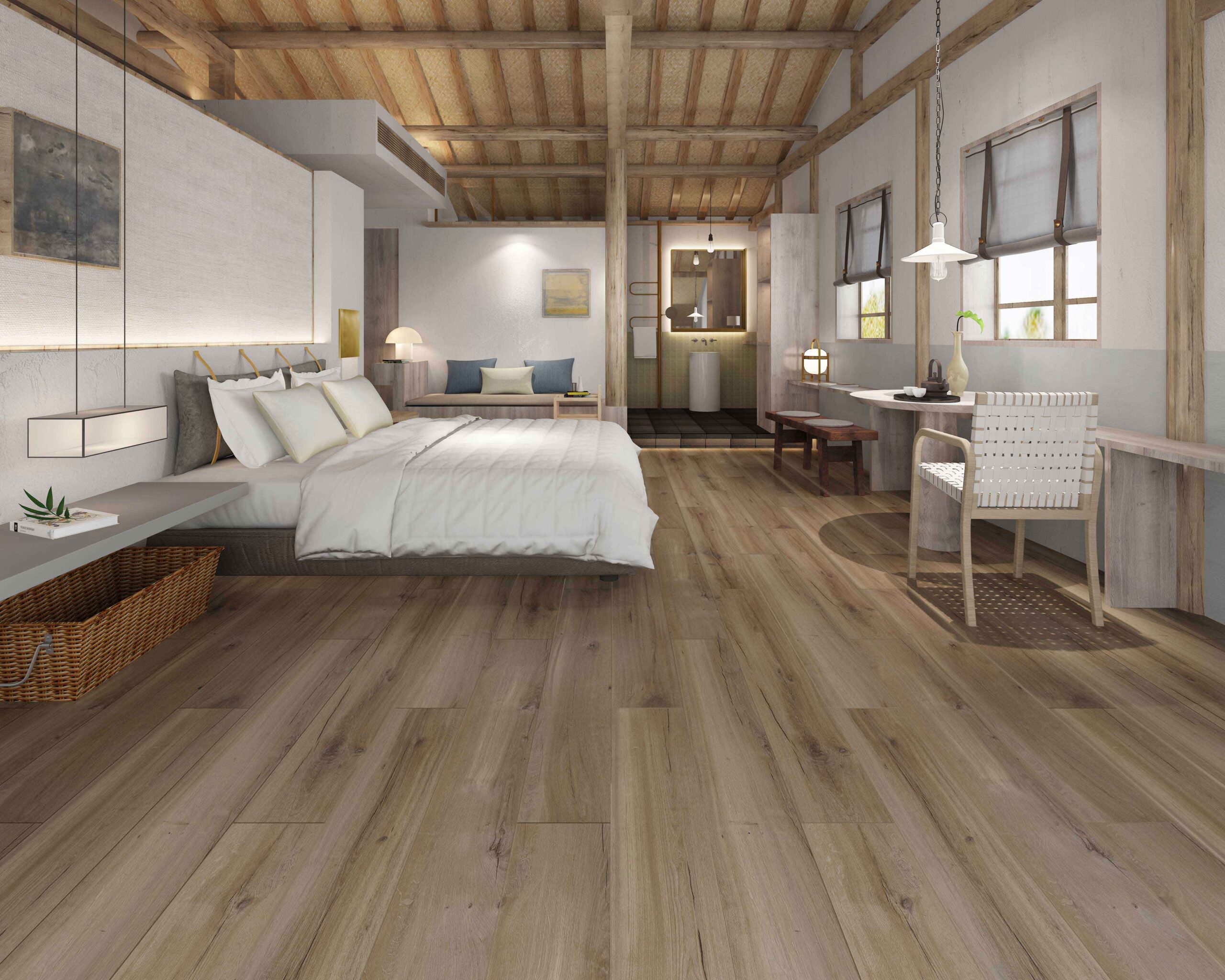
Modern luxury vinyl also delivers on aesthetics. High-definition printing and embossed textures replicate the look and feel of natural wood, stone, and concrete with remarkable accuracy. You get the warmth of timber or the sophistication of marble without the climate-related risks. Explore the full range in the luxury vinyl flooring collection.
Porcelain and Ceramic Tile: A Tried-and-True Option
Tiles have been a staple in Singapore homes for decades, and for good reason. Porcelain and ceramic are completely impervious to moisture, do not harbour mould, and are extremely durable. They handle heavy foot traffic and are virtually maintenance-free.
However, tiles have drawbacks in a tropical home. They feel hard and cold underfoot, which some homeowners find uncomfortable. They can also become slippery when wet — a genuine concern in a climate where rain gets tracked indoors regularly. Sound is another consideration: tiles amplify footstep noise, which is noticeable in high-rise apartments.
For those who love the tile aesthetic but want a warmer, quieter alternative, vinyl tiles that replicate stone and ceramic finishes offer the best of both worlds.
Engineered Hardwood: Natural Beauty with Caveats
Engineered hardwood consists of a thin veneer of real wood bonded to a plywood or composite base. This construction makes it more stable than solid hardwood in humid conditions, as the layered base resists moisture-driven movement.
That said, engineered hardwood is not immune to Singapore’s climate. The wood veneer can still absorb surface moisture and may show wear from repeated wet-mopping. It also requires a controlled indoor environment — consistent air-conditioning helps, but rooms left without climate control for extended periods may see the wood react.
If you choose engineered hardwood, select species and finishes rated for tropical environments. Ensure proper acclimatisation before installation and maintain a stable indoor humidity level. Regular maintenance with appropriate wood-care products is essential.
Materials to Approach with Caution
Solid hardwood is the riskiest choice for Singapore’s climate. Despite its timeless beauty, solid timber is highly reactive to humidity changes. Gaps between planks, cupping, and warping are common complaints from homeowners who have installed solid wood in Singapore. The ongoing maintenance required to keep it in good condition can be considerable.
Laminate flooring has improved significantly, but its fibreboard core remains vulnerable to moisture. Spills must be cleaned immediately, and laminate should never be installed in wet areas. In Singapore’s climate, even ambient humidity can cause edge swelling over time if the laminate is not of sufficient quality.
Room-by-Room Recommendations
Different rooms in a Singapore home face different climate-related challenges. Tailoring your flooring choice to each space ensures the best performance across the board.
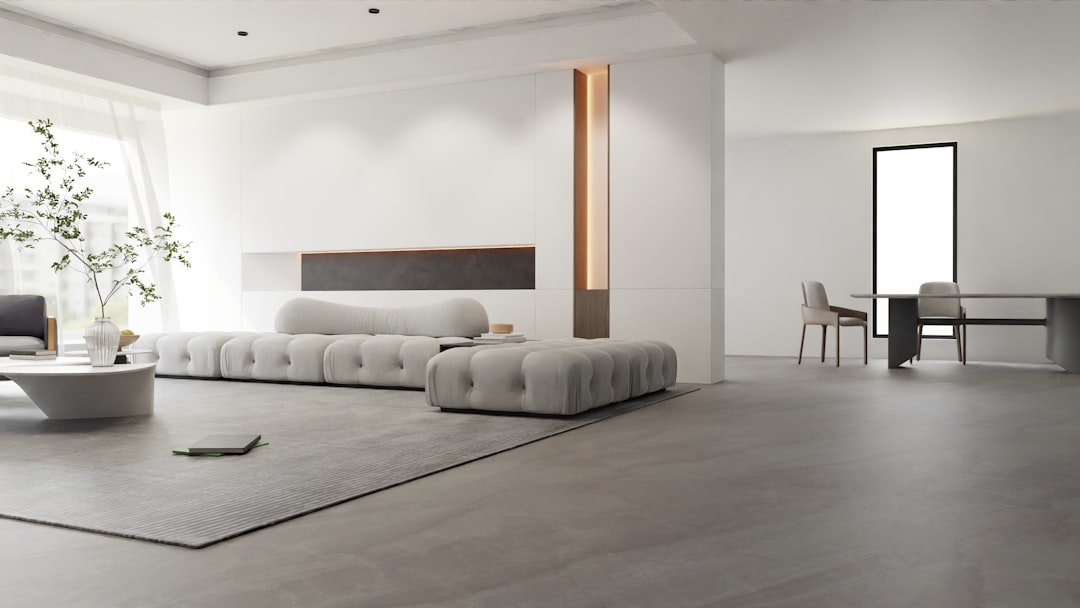
Living and dining areas. These are typically the largest open spaces and receive the most foot traffic. Luxury vinyl in a wood-grain or stone finish provides durability, easy maintenance, and visual warmth. A consistent flooring material across these connected areas creates a sense of spaciousness — particularly valuable in HDB flats.
Bedrooms. Comfort underfoot is paramount. Vinyl with a cork or foam underlayment provides a softer feel than tiles, making barefoot walking pleasant. Engineered hardwood is also viable in bedrooms that are air-conditioned consistently, as the stable temperature reduces humidity-driven movement.
Kitchens. Waterproof flooring is non-negotiable. Vinyl and tiles are the clear leaders here. Avoid any wood-based product in the kitchen — splashes and spills are inevitable, and the area around the sink is perpetually damp in Singapore’s humid conditions.
Bathrooms. Full waterproofing and slip resistance are essential. While tiles remain the standard, textured vinyl designed for wet areas is an increasingly popular alternative that offers better comfort and sound absorption.
Balconies and outdoor areas. Exposed outdoor spaces need materials rated for direct sun, rain, and extreme heat. Standard indoor vinyl and wood are not suitable. Purpose-built outdoor decking materials are the appropriate choice for these areas.
Practical Tips for Flooring in Tropical Homes
- Use a dehumidifier in enclosed rooms that are not air-conditioned, particularly during the monsoon season when indoor humidity spikes.
- Ensure adequate ventilation in all rooms. Poor airflow accelerates moisture-related flooring problems.
- Place absorbent mats at main entrances to capture rainwater before it reaches your flooring.
- Avoid wet-mopping natural wood floors. Use a damp (not wet) mop or a product-specific cleaner.
- Check subfloor moisture levels before installation, especially in ground-floor HDB units and older buildings.
- Choose flooring with built-in moisture barriers or use appropriate underlayment for added protection.
The Importance of Professional Installation
Even the most climate-resistant flooring will underperform if installed incorrectly. Professional installation is particularly important in Singapore because of the specific challenges posed by tropical conditions.
A skilled installer will test subfloor moisture levels before beginning work, ensuring they fall within the manufacturer’s acceptable range. They will acclimatise the flooring material to your home’s temperature and humidity for the recommended period. And they will execute the installation with the precision needed for expansion gaps, transitions, and edge details to perform correctly over time.
For tailored advice on the best flooring for your home, book an appointment with our design consultants. We understand Singapore’s climate intimately and can guide you to products that will look beautiful and perform reliably for years to come.