Interior Design
Shoe Cabinet and Entryway Storage Design Singapore
Why Entryway Design Matters in Singapore Homes
The entryway is the first thing you see when you step through the door — and in Singapore, where shoes are always removed before entering, it needs to work hard. A well-designed shoe cabinet keeps footwear organised, prevents clutter from spilling into the living area, and sets the tone for the rest of your home.
Yet the foyer is often one of the most neglected spaces in HDB flats and condominiums. Many homeowners default to an open shoe rack that quickly becomes an eyesore, or a bulky cabinet that blocks the corridor. With thoughtful shoe cabinet design in Singapore, you can create an entryway that is both practical and visually appealing.
Types of Shoe Cabinets for Different Homes
The right shoe cabinet depends on your household size, available space, and the layout of your entrance. Here are the most popular configurations for Singapore homes:
| Cabinet Type | Best For | Capacity | Space Required |
|---|---|---|---|
| Slim flip-down | Narrow HDB corridors | 12-18 pairs | Minimal depth (17-25 cm) |
| Full-height built-in | BTO customisation | 30-50+ pairs | Standard depth (35-40 cm) |
| Bench-style with storage | Landed homes, large foyers | 10-20 pairs | Moderate footprint |
| Floating wall-mounted | Modern condos | 8-15 pairs | No floor space |
| Modular open shelving | Flexible arrangements | Varies | Adjustable |
For most HDB flats, a slim flip-down cabinet is the most space-efficient option. These cabinets are typically only 17 to 25 centimetres deep, yet they can hold a surprising number of shoes thanks to their angled interior compartments. They are also available in a wide range of finishes, from wood-grain laminates to glossy lacquered surfaces, making them easy to match with your entryway’s overall aesthetic.
If you are moving into a BTO flat and have the opportunity to customise your carpentry, a full-height built-in cabinet is worth the investment. It can accommodate the entire family’s footwear and still leave the corridor clear.
Entryway Flooring Considerations
The foyer floor takes a beating. It is the transition zone between the outdoors and your home, exposed to dirt, moisture from wet shoes and umbrellas, and constant foot traffic. Choosing the right flooring here is as important as selecting the right cabinet.
Luxury vinyl tiles are particularly well-suited to entryways. They are waterproof, scratch-resistant, and available in finishes that mimic natural stone or timber — giving your foyer a polished look without the maintenance demands of real stone. The luxury vinyl collection includes designs that pair beautifully with both modern and traditional cabinetry.
Some homeowners opt to differentiate the foyer from the living area by using a distinct flooring material or pattern at the entrance. A stone-look vinyl in the foyer transitioning to wood-look vinyl in the living room creates a subtle visual boundary that signals the shift from public to private space.
Design Ideas for HDB and BTO Entryways
HDB corridors present specific challenges. The entrance is often a narrow space with the main door opening directly into the living room, leaving limited room for furniture. Here are ideas that work within these constraints:
- L-shaped cabinet layouts: If your entrance is near a corner, an L-shaped shoe cabinet wraps around the wall, providing more storage without blocking the corridor.
- Top-of-cabinet display: Use the surface of a waist-height cabinet for a small tray (keys, access cards), a decorative vase, or a mirror. This turns functional furniture into a styled vignette.
- Integrated seating: A shoe cabinet with a built-in bench seat makes it easier to put on and remove shoes — especially useful for elderly family members.
- Hidden compartments: Cabinets with a mix of flip-down shoe compartments and enclosed drawers can also store umbrellas, reusable bags, and other daily essentials.
For BTO flats, consider planning your shoe cabinet during the ID phase so it can be built into the wall niche or integrated with the electrical panel cover. This creates a seamless look and avoids awkward gaps.
Another practical idea for HDB entryways is a shoe-drying feature. In Singapore’s rainy season, wet shoes are a daily reality. A pull-out tray at the bottom of your shoe cabinet, lined with a drip tray or absorbent mat, keeps wet footwear contained and prevents water from damaging your flooring. Allow the tray to ventilate to discourage mould growth in the humid climate.
Condo and Landed Property Entryway Solutions
Condominiums and landed homes typically offer more generous foyer spaces, which opens up additional design possibilities.
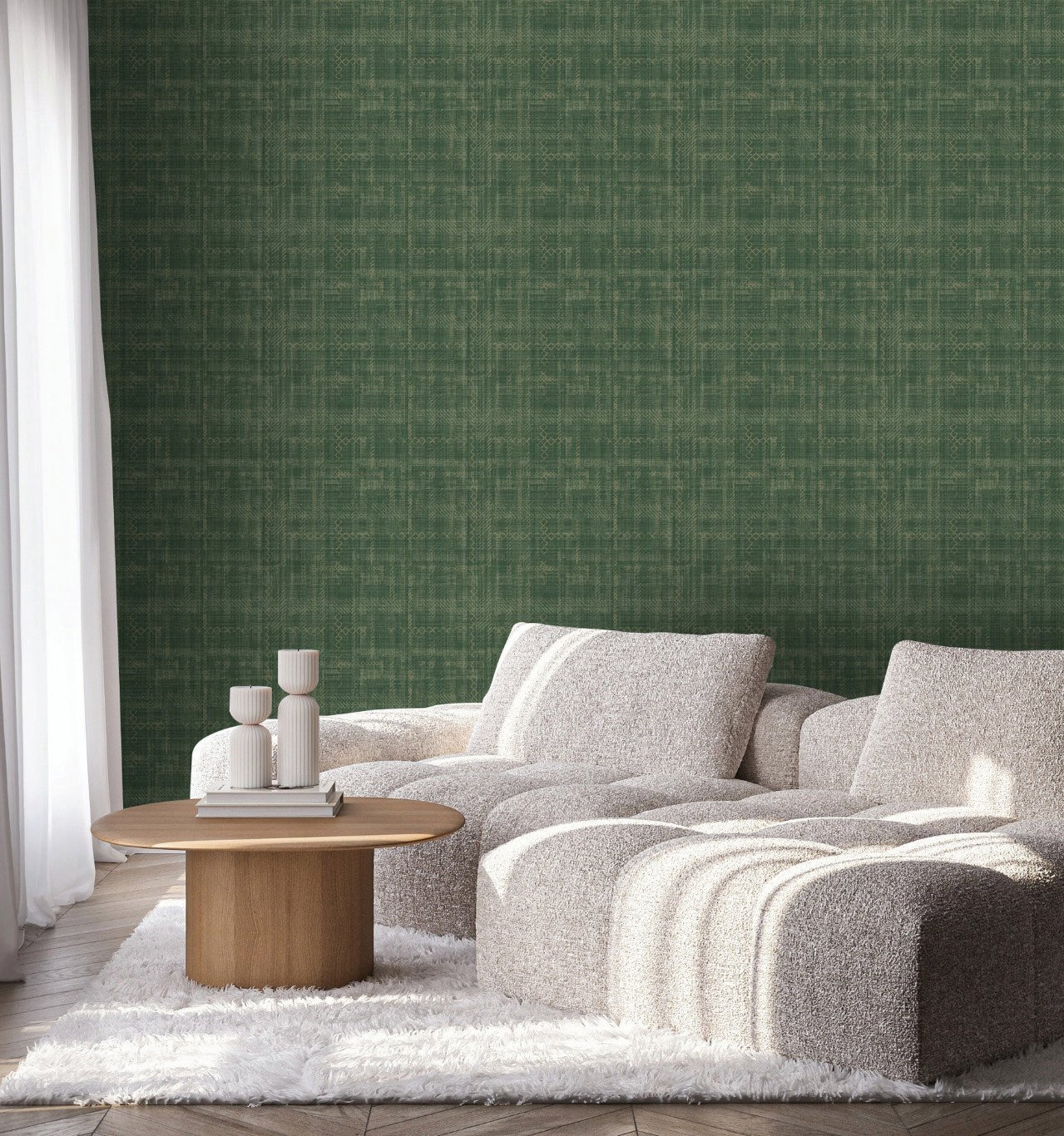
In condos with a dedicated foyer alcove, a full-height cabinet with a combination of closed and open sections works well. The closed sections hide everyday shoes, while open cubbies near the bottom provide quick-access slots for frequently worn pairs. A feature wallpaper behind an open section of shelving can add visual interest to an otherwise utilitarian setup. Browse the wallpaper collection for designs that elevate your entryway.
Landed properties often have the luxury of a proper mudroom or entrance lobby. Here, you can incorporate a bench, a coat rack, and a large shoe cabinet without worrying about space constraints. Use durable flooring that can handle wet shoes and heavy foot traffic, and consider a runner rug for warmth and style.
Keeping Your Entryway Organised Long-Term
Even the best-designed shoe cabinet will descend into chaos without a few ground rules. Here are practical habits that keep Singapore entryways tidy:
- One in, one out: When you buy a new pair, donate or discard an old one. This prevents the cabinet from overflowing.
- Seasonal rotation: Store rarely worn shoes (formal shoes, occasion heels) in boxes elsewhere, keeping only daily and weekly pairs in the foyer cabinet.
- Assign shelves: Give each family member designated shelves or compartments. This builds accountability and reduces mess.
- Ventilation matters: Choose cabinets with ventilation slots or louvred doors to prevent odour and moisture buildup — especially important in Singapore’s humid climate.
- Regular cleaning: Wipe down shelves monthly and clean the flooring beneath the cabinet to prevent dust and grime from accumulating.
Materials and Finishes for Shoe Cabinets
The material you choose for your shoe cabinet affects its durability, appearance, and how well it copes with Singapore’s humidity.
Laminate and melamine cabinets are the most common choice for HDB and condo entryways. They are affordable, available in a wide range of wood-grain and solid-colour finishes, and reasonably resistant to moisture. For a more premium look, veneer-finished cabinets offer the warmth of real timber at a lower cost than solid wood.
Solid timber cabinets in teak or oak make a statement in landed homes and larger condos. They develop a beautiful patina over time and feel substantial to the touch. However, they require occasional treatment to prevent warping in humid conditions.
For a modern, industrial look, metal shoe racks with powder-coated finishes are durable and open designs that promote airflow — keeping shoes dry and reducing odour. Pair them with a timber or stone-look countertop for a balanced mix of materials.
The entryway sets the first impression of your home. A clean, well-organised shoe cabinet paired with attractive flooring transforms a functional necessity into a design feature.
Browse our e-catalogue for the latest designs. Visit the Goodrich e-catalogue to discover flooring and wallcovering options that will elevate your entryway.