Healthcare Interiors
Systems of Care: Designing Interiors for an Ageing Singapore
Designing ageing interiors in Singapore is becoming a mainstream requirement, not a specialist niche. The Design 2035 Masterplan names systems of care as one of three global trends shaping the decade, prompted by a striking statistic it cites: one in four Singaporeans will be 65 or older by 2030. As the population ages, the materials specified in homes, community spaces, and care settings carry real consequences for safety, comfort, and dignity.
This article looks at what the Masterplan’s systems-of-care thinking means for interior surfaces — how flooring, carpet, wallcovering, and fabric can support healthy longevity rather than work against it.
Care As A Design Principle, Not A Building Type
The Masterplan frames care broadly. Its Caring, Cohesive Communities impact area is about spaces, services, and everyday experiences that foster belonging and wellbeing — not only hospitals and nursing homes. That matters for specification, because it means age-friendly material thinking belongs in ordinary residential renovations, active ageing centres, community facilities, and mixed-use developments, not just clinical environments.
The shift is from designing for illness to designing for longevity: environments that help people stay active, safe, and socially connected for longer. Surfaces are central to that, because they shape how safely and comfortably an ageing body moves through a space every day. The same thinking, applied to dedicated facilities, underpins our guides to aged care interior design and dementia-friendly interiors.
Flooring: The Highest-Stakes Surface
For older occupants, the floor is the single most consequential material decision. Falls are a leading cause of injury among seniors, and flooring choices either reduce or compound the risk. Several properties deserve particular attention:
- Slip resistance: Adequate slip ratings, especially in wet-prone areas, are non-negotiable.
- Even, level surfaces: Avoid trip hazards from thresholds, loose edges, or high-pile transitions.
- Cushioning: Resilient floors and carpet can soften the impact of a fall compared with hard, unforgiving surfaces.
- Visual clarity: Avoid high-contrast or busy patterns that can be misread as steps or holes by ageing eyes.
Resilient flooring and contract carpet each have a role. Resilient floors offer cleanability and slip control for kitchens and bathrooms; carpet adds warmth, cushioning, and acoustic comfort in bedrooms and living areas. Specifying across the flooring range lets a project match each space to its safety and comfort priorities rather than compromising with one surface throughout. Our guide to the best flooring for elderly and ageing-in-place homes goes deeper on the specific options.
Contrast And Wayfinding For Ageing Eyes
Vision changes with age — reduced acuity, slower adaptation to light, and difficulty distinguishing similar tones. Thoughtful use of colour and contrast in surfaces becomes a wayfinding and safety tool. Defining the edge of a floor against a wall, marking the start of a level change, and helping doors and handrails stand out from their background all reduce confusion and risk. The balance is deliberate: enough contrast to aid orientation, without the busy patterns that can disorient or read as hazards.
Acoustics, Calm, And Cognitive Comfort
The Masterplan ties care to wellbeing and belonging, and the acoustic environment is a quiet but important part of that. Excessive noise raises stress and makes communication harder for those with hearing loss, while harsh, echoing spaces feel institutional and unsettling. Carpet, acoustic wallcoverings, and soft furnishings absorb sound and warm a space, supporting the calm and dignity that good care environments aim for. This is as relevant in a senior’s home as in a care facility.
Hygiene Without The Clinical Feel
Care settings need surfaces that are easy to clean and resist microbial growth, but the Masterplan’s emphasis on dignity and delight is a reminder that hygienic need not mean cold. Modern materials make this achievable:
| Requirement | Material response |
|---|---|
| Easy cleaning and infection control | Wipeable resilient flooring and performance wallcoverings |
| Stain and moisture resistance | Performance upholstery fabrics for seating |
| Warmth and homeliness | Natural tones, soft textures, and domestic-style finishes |
Performance fabrics, in particular, let care and senior-living seating combine cleanability with the look and feel of a home rather than an institution.
The Home As The First Care Setting
Most ageing in Singapore happens at home, not in a facility, which makes the ordinary residential renovation the most important care project of all. Ageing-in-place design lets people stay in familiar surroundings safely for longer, and material choices are central to whether that succeeds. A bathroom floor with adequate slip resistance, a hallway with even thresholds and clear visual edges, bedroom carpet that cushions and quietens — these are routine specification decisions with outsized effects on safety and independence.
The advantage of designing this into a renovation early is that it need not look clinical or anticipate decline in an obvious way. Slip-resistant flooring is available in finishes indistinguishable from standard residential ranges, and contrast can be handled with subtlety. Families increasingly ask for this foresight without wanting a home that announces it. Reviewing options across the vinyl flooring and carpet ranges at the planning stage makes it straightforward to build in safety without sacrificing the look of the home.
Specifying For Carers As Well As Occupants
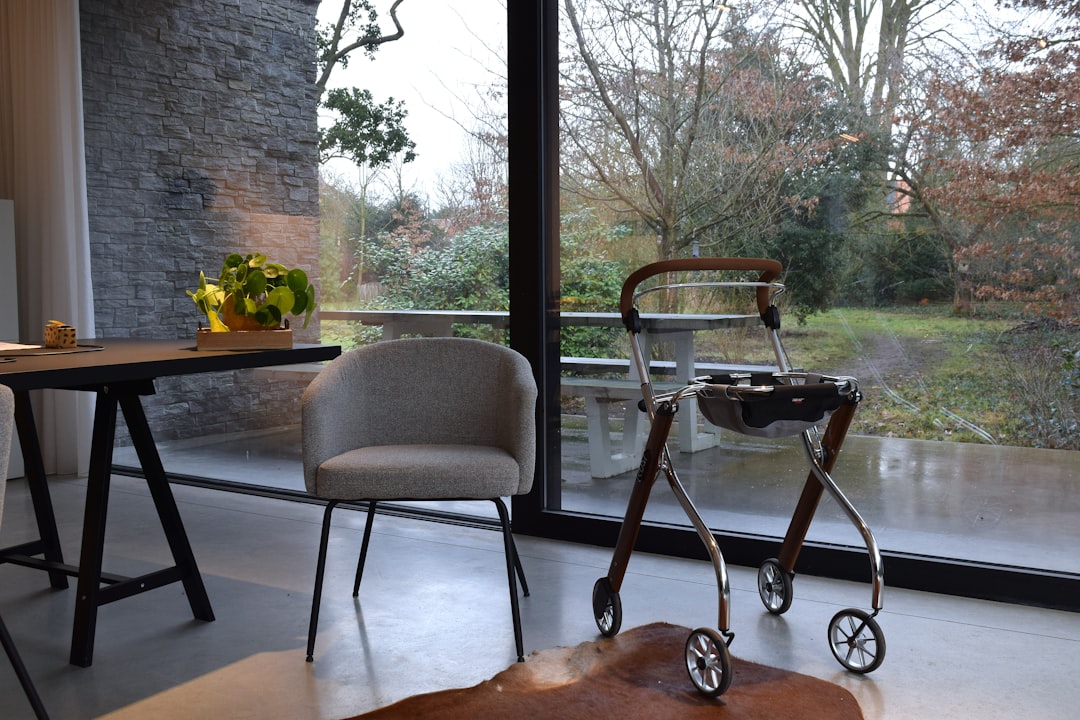
An ageing interior serves two groups: the older occupant and the people who support them. Materials that are easy to clean and maintain reduce the daily burden on family members and care staff, while durable surfaces that withstand mobility aids — walking frames, wheelchairs, and the bumps and scuffs they bring — keep the space serviceable without constant repair. Specifying with both users in mind produces interiors that stay safe and dignified over years of real use, not just on handover day. For projects where the right balance of slip resistance, cleanability, and comfort is critical, it is worth booking an appointment with a consultant to assess samples against the specific needs of the occupants.
A Lesson From The Masterplan: Ageing With Delight
One of the Masterplan’s most memorable case studies refreshed the traditional lion dance for seniors of varying mobility, ending in a joyful performance by a troupe that included a 99-year-old. The lesson for interiors is that designing for age is not only about removing hazards — it is about creating environments that feel vibrant, dignified, and worth being in. Surfaces that are safe and easy to maintain, yet warm, characterful, and beautiful, deliver both halves of that brief.
Designing Across The Spectrum Of Ability
Ageing is not a single condition, and good age-friendly design accommodates a range of abilities rather than assuming the worst case. The Masterplan’s care thinking is about inclusion and belonging — environments that work for the active senior and the frailer resident alike, without segregating either. Material choices support that breadth when they are forgiving rather than restrictive: surfaces that are safe at speed and at a shuffle, contrast that helps without patronising, acoustics that aid the hard-of-hearing without deadening the room for everyone else.
This universal-design mindset has a useful side effect. Interiors specified for ageing occupants tend to be better for everyone — quieter, safer, easier to navigate, and more comfortable. A floor chosen for slip resistance protects a child as much as a grandparent; acoustic comfort helps a stressed worker as much as a senior with hearing loss. Designing for the spectrum of ability is, in practice, simply designing well.
Future-Proofing The Specification
Because Singapore’s demographic shift is steady and well-documented, the smartest specifications anticipate it. Materials chosen today for a home, community centre, or mixed-use development will be in service as the population ages further, and choices that build in safety, comfort, and adaptability now avoid costly retrofits later. Specifying durable, age-friendly surfaces from the outset is both a care decision and an economic one — it extends the useful life of the interior across the very years when its occupants will need it most.
Final Thoughts
An ageing Singapore asks more of interior materials: slip-resistant and cushioned floors, contrast that aids failing vision, acoustic comfort, hygienic yet homely surfaces. The Design 2035 Masterplan elevates this from a specialist concern to a national design priority — and rewards specifiers who design for longevity with dignity, not just for safety alone.
Update Your Material Library
Designers and specifiers — request the latest samples and product information for your library.