Interior Design
Types of Wall Panelling: Fluted, Wainscoting, Slat, Shiplap and More
Understanding the types of wall panelling is the first step to choosing the right one — the terms fluted, slat, wainscoting, shiplap, and board and batten describe genuinely different looks, and picking the wrong one for a room’s proportions is an expensive mistake to reverse. Each type also carries a different price tag, installation method, and level of commitment.
This guide defines every major panelling type, explains where each works best in Singapore homes, and covers the practical question that follows: whether to build the look in timber or achieve it with a panel-effect wallcovering instead.
Goodrich Global does not supply timber wall panelling or carpentry. Our range covers panel-effect and wood-effect wallcoverings that deliver the panelled look without the joinery work.
The Main Types of Wall Panelling at a Glance
| Type | Defining feature | Style character | Best suited to |
|---|---|---|---|
| Fluted | Slim, closely spaced vertical ridges | Contemporary, Japandi | TV walls, headboards, counters |
| Slat | Wider timber battens with visible gaps | Modern, warm | Feature walls, partitions |
| Wainscoting | Framed panels to dado height | Classic, tailored | Dining rooms, hallways |
| Board and batten | Vertical battens over flat boards | Heritage, cottage | Entryways, bedrooms |
| Shiplap | Horizontal boards with shadow gaps | Coastal, farmhouse | Bedrooms, cafes |
| Tongue and groove | Interlocked boards, fine joints | Traditional, versatile | Ceilings, full walls |
| 3D and sculpted | Relief surfaces in waves or facets | Statement, dramatic | Lobbies, accent walls |
| Flat veneer or laminate | Seamless full-height sheets | Minimalist, hotel-like | Master bedrooms, living walls |
Fluted and Slat Panelling
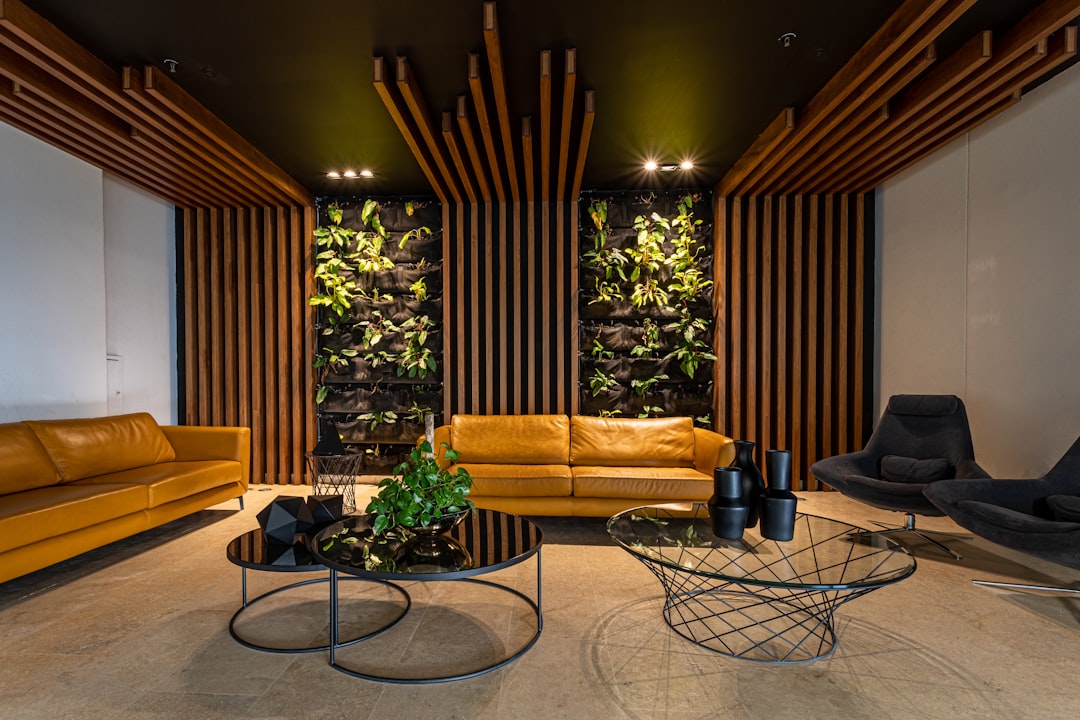
Fluted panelling uses slim vertical ridges — typically finger-width — spaced tightly for a fine, rhythmic texture. Slat panelling is its bolder sibling: wider battens with deeper gaps, often mounted on a dark backing so the grooves read almost black. Both create strong vertical lines that make Singapore’s standard ceiling heights feel taller, which explains their dominance in local renovations.
Fluted works best where you view the wall front-on, such as behind a television or bed. Slat suits larger walls and semi-open partitions. We cover layout, spacing, and finish decisions in our fluted panel wall design guide for Singapore, and the broader design principles in our companion fluted panel wall design guide.
Wainscoting and Board and Batten
Wainscoting is the classic framed treatment: rectangular panels below a dado rail, roughly a third of the way up the wall, traditionally protecting plaster from chair backs. Today it is chosen for its tailored character — painted in heritage tones, it instantly elevates a dining area or corridor. Full-height framed panelling extends the same language to the whole wall for a grander effect. Our guide to wainscoting wall design in Singapore covers heights, proportions, and colour strategy.
Board and batten swaps frames for simple vertical battens fixed over a flat surface, giving a more rustic, cottage-like rhythm. It is the easiest framed style to execute and forgives imperfect walls, making it popular for entryways and children’s rooms.
Both styles share the half-wall logic: they protect the zone that takes daily knocks while leaving the upper wall free for paint, wallpaper, or artwork — a two-layer approach that adds flexibility every time you redecorate.
Shiplap and Tongue and Groove
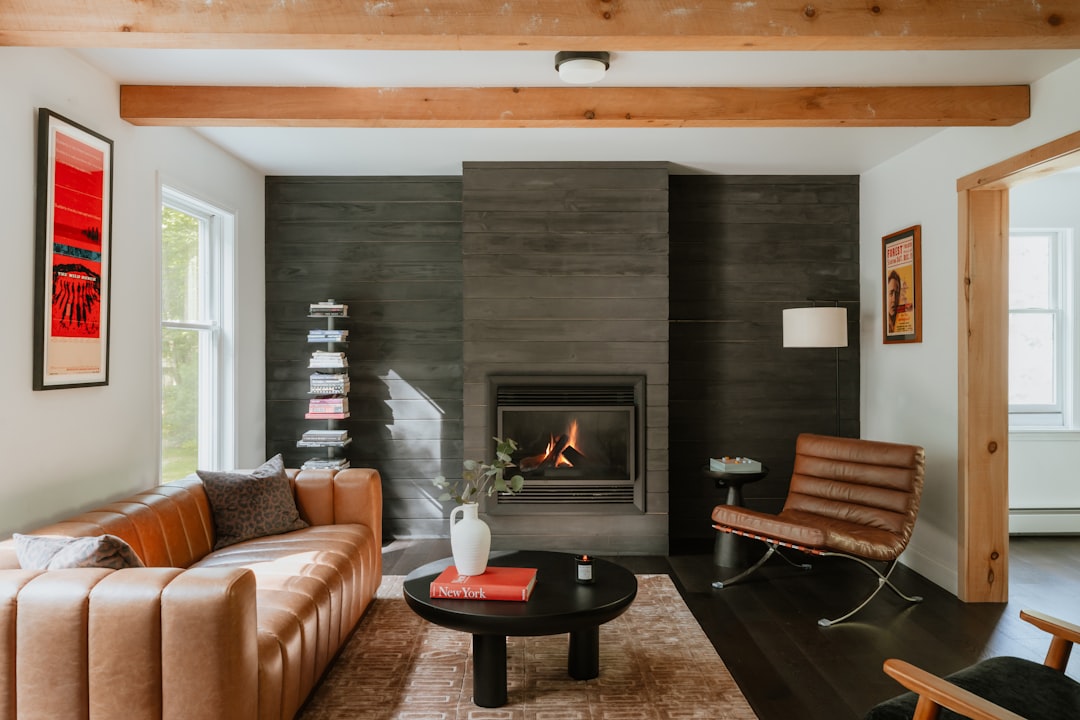
Shiplap boards overlap with a fine horizontal shadow gap between each course, producing the relaxed, coastal look associated with farmhouse interiors. Painted white or pale grey, it brightens rooms and suits bedrooms and cafes; in Singapore it appears less often than vertical styles but photographs beautifully.
Tongue and groove boards interlock fully, leaving a subtler joint line. Run vertically, horizontally, or across ceilings, it is the most versatile of the board styles — though in a humid climate both board types demand proper sealing and acclimatisation to prevent gaps opening between courses.
3D, Sculpted, and Flat Panel Systems
3D panels move beyond lines into sculpted relief — waves, facets, pyramids — usually in gypsum, PU, or moulded fibre. Lit from an angle, they create dramatic shadow play suited to lobbies, accent walls, and commercial spaces. Materials, pricing, and installation are covered in our 3D wall panel Singapore guide.
At the opposite extreme, flat veneer or laminate panels run floor to ceiling with minimal joints for a seamless, hotel-style wall, often concealing doors and storage. This is the most carpentry-intensive type — effectively custom joinery — and the one where quotations climb fastest.
Commercial projects use the same taxonomy with different weightings: fluted and slat panels dominate F&B and retail fit-outs, while flat laminate systems and 3D relief lead in offices and hotel lobbies, where durability and first impressions carry the specification.
How to Choose the Right Type for the Room
Three questions settle most panelling decisions. First, which way should the eye travel? Vertical types — fluted, slat, board and batten — draw the gaze upward and suit Singapore’s standard 2.6-metre ceilings; horizontal types like shiplap stretch a narrow room sideways but can visually lower a ceiling that is already modest.
Second, how formal is the room? Wainscoting and framed panels carry a dressed, classical character that suits dining rooms, studies, and master bedrooms. Fluted and slat panelling reads relaxed and contemporary, at home in living rooms and open-plan spaces. Shiplap and tongue and groove sit at the casual end, better for bedrooms, kids’ rooms, and cafes than formal entertaining areas.
Third, how hard does the wall work? High-traffic zones — hallways, behind dining chairs, along staircases — favour dado-height types that absorb knocks on their toughest section. Purely visual walls, such as behind a bed or sofa, are free to take any type, including delicate 3D relief that would chip in a corridor.
Real Panelling or Panel-Effect Wallcovering?
Every type above can be built in timber, MDF, or laminate by a carpenter. But all the linear styles — fluted, slat, wainscoting, board and batten, shiplap — can also be achieved with panel-effect wallcoverings that print the panel geometry and its shadow lines onto a durable vinyl or non-woven base. The realism of current designs means the difference is only apparent at touching distance.
The trade-offs are consistent across types:
- Cost: Carpentry is priced as custom joinery per foot run; wallcovering costs a fraction of that for the same wall.
- Time: Joinery takes weeks including fabrication; wallcovering installs in hours.
- Climate: Timber moves with Singapore’s humidity and needs sealing; quality wallcoverings are dimensionally stable.
- Commitment: Panelling is fixed and costly to remove; wallcovering strips off cleanly — the only realistic route for rental units.
- Texture: Real panelling offers true relief you can feel; wallcovering delivers the visual effect with embossed texture.
Where the wall must do structural work — concealing storage, wrapping a TV console, hiding a door — carpentry earns its cost. Where the goal is purely the look, wallcovering is the rational default. Our panel-effect wallpaper guide shows which panelling types translate best to print and how to choose between designs.
Final Thoughts
The types of wall panelling each carry a distinct personality: fluted and slat for contemporary verticality, wainscoting and board and batten for classic structure, shiplap for coastal ease, 3D for drama, and flat panels for seamless luxury. Match the type to the room first — then decide whether timber or a panel-effect wallcovering is the smarter way to build it.
Book an appointment with our design consultants to compare panel-effect wallcovering designs against the panelling type you have in mind.