Interior Design
3D Wall Panels in Singapore: Stunning Textured Walls
What Are 3D Wall Panels?
3D wall panels are decorative tiles or boards with raised, sculpted surfaces that create patterns through physical depth rather than printed design. When installed on a wall, they transform a flat surface into a textured feature that interacts dynamically with light — casting shadows that shift as the sun moves or as artificial lighting changes angle.
The concept is simple, but the effect is surprisingly powerful. A wall covered in 3D wave-pattern panels creates a sense of movement and fluidity that no flat wallpaper or paint treatment can match. Geometric 3D panels add architectural structure to a room without built-in cabinetry or shelving. Organic, nature-inspired textures bring biophilic elements indoors.
In Singapore’s residential and commercial interiors, 3D wall panels have gained steady popularity as homeowners and designers seek feature wall solutions that go beyond the conventional. They work equally well in a compact HDB living room and a corporate reception lobby.
Materials and Their Properties
3D wall panels are manufactured from several different base materials, each with distinct characteristics that affect where and how they can be used:
| Material | Weight | Moisture Resistance | Fire Rating | Paintable | Cost (per sq m) |
|---|---|---|---|---|---|
| Gypsum | Moderate | Poor | Good | Yes | $25–$60 |
| MDF | Moderate | Poor (standard), Moderate (MR grade) | Low | Yes | $20–$50 |
| PVC | Very light | Excellent | Varies (check rating) | Yes (with primer) | $15–$40 |
| Plant fibre (bamboo pulp) | Light | Moderate | Good | Yes | $30–$70 |
| Natural stone veneer | Heavy | Good (sealed) | Excellent | No (natural finish) | $60–$200 |
| Polyurethane (PU) | Light | Good | Low | Yes | $20–$50 |
For Singapore’s climate, PVC and polyurethane panels offer the most practical combination of lightweight handling, moisture resistance, and affordability. Gypsum panels produce the crispest, most refined textures but must be restricted to air-conditioned, dry environments — they absorb moisture readily and will deteriorate in humid, non-air-conditioned rooms.
Popular 3D Panel Designs
The pattern of a 3D panel determines the room’s visual character. Designs broadly fall into three categories:
Organic patterns mimic natural forms — rolling waves, overlapping leaves, flowing water, or rock strata. These designs soften a room and create a calming atmosphere. They work particularly well in bedrooms, spas, and wellness spaces. The organic curves interact beautifully with warm, diffused lighting.
Geometric patterns use mathematical forms — diamonds, hexagons, interlocking cubes, or stepped blocks. These create a modern, structured aesthetic that suits living rooms, offices, and commercial spaces. The sharp angles produce dramatic shadow contrasts, especially under directional lighting.
Abstract and artistic patterns include irregular textures, brushstroke effects, and sculptural forms that resist easy categorisation. These are statement features — bold and conversation-starting. Best used sparingly on a single accent wall rather than covering entire rooms.
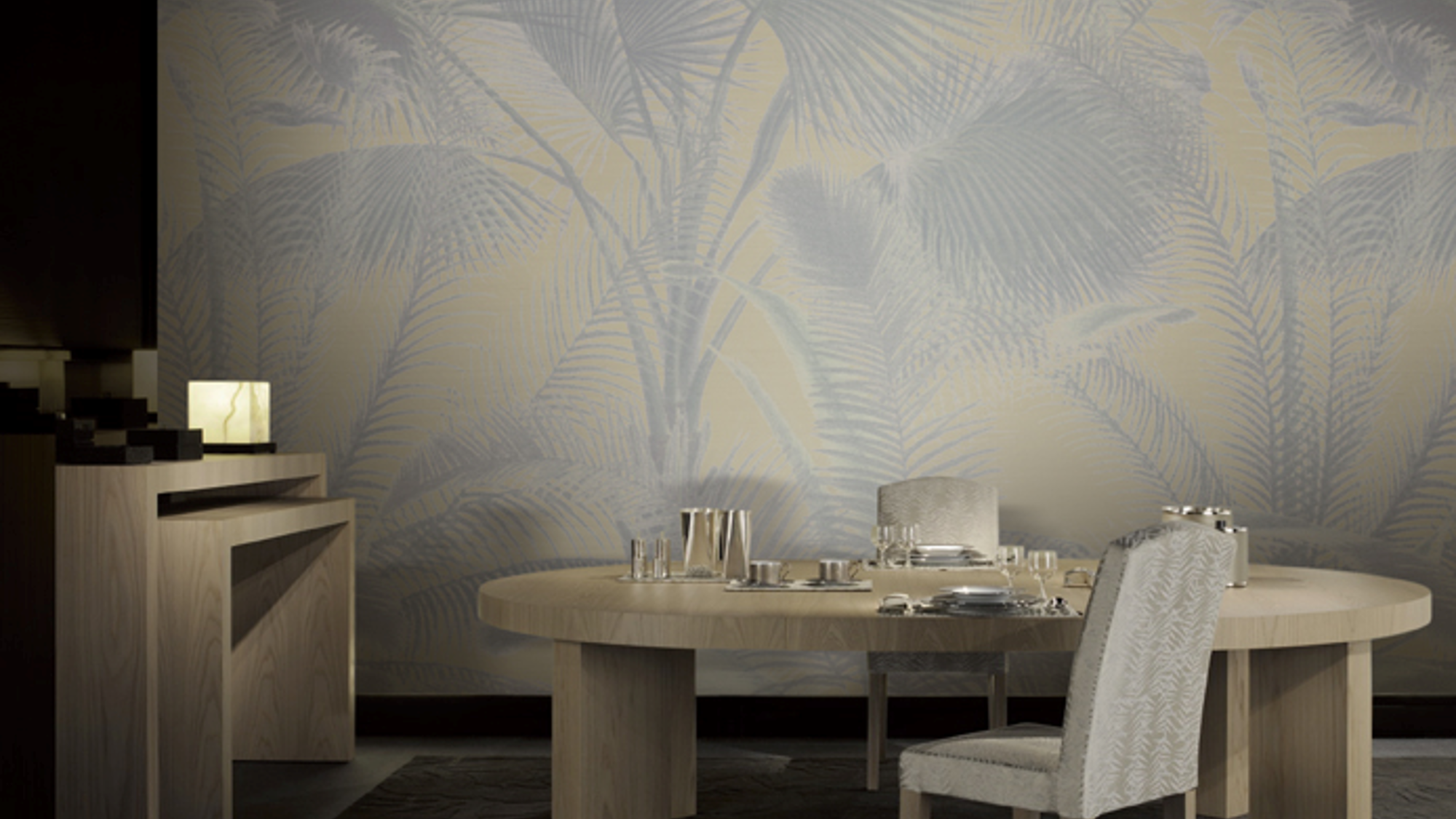
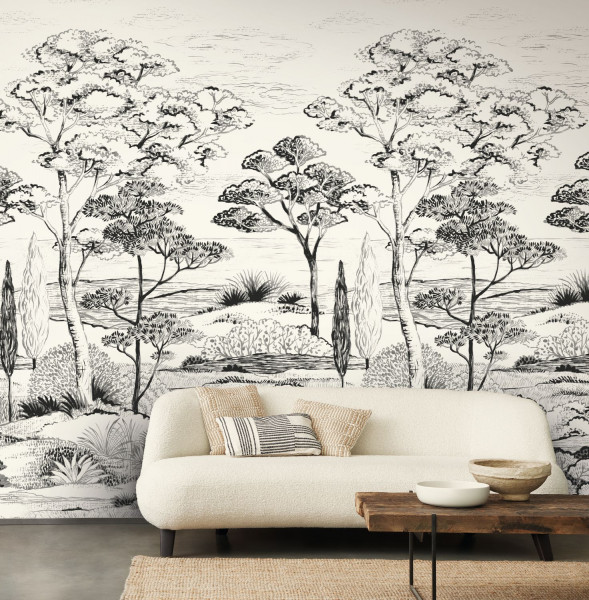
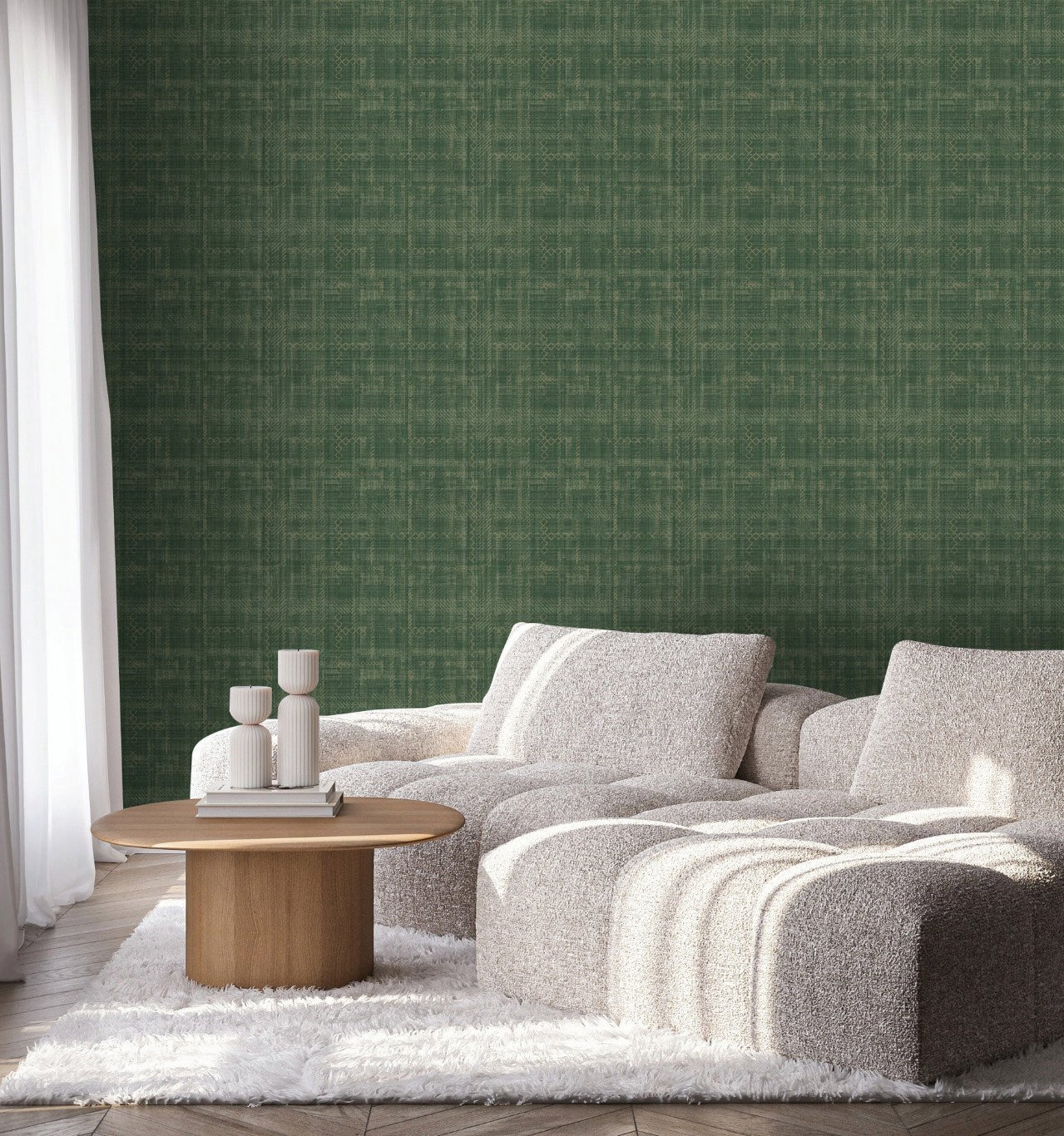
For rooms where 3D panels may feel too bold, textured residential wallpaper offers a subtler alternative that still adds visual depth. When selecting a pattern, consider the wall size. Large, bold patterns need large walls to establish their rhythm. On a small HDB feature wall (2.5 x 2.6 metres), a subtle wave or fine geometric works better than a large-scale sculptural pattern that cannot complete even one full repeat.
Installation Guide
3D wall panel installation is achievable as a DIY project for lighter materials, though professional installation ensures the best finish, particularly for large walls or complex patterns.
The general process involves:
- Wall preparation: Clean the wall surface and ensure it is level. Fill any holes or cracks with filler and sand smooth. For uneven walls, install a plywood or MDF backing board first to create a flat mounting surface.
- Layout planning: Dry-fit panels on the floor to establish the pattern layout and determine where cuts will fall. Start from the centre of the wall and work outward for symmetrical patterns, or from one corner for linear designs.
- Adhesive application: Apply panel adhesive to the back of each panel in a zigzag pattern or as dots. Construction adhesive (such as liquid nails) works for most lightweight panels. Heavier gypsum or stone panels may require specialised adhesive and supplementary mechanical fixings.
- Panel placement: Press each panel firmly against the wall, ensuring tight joints between adjacent panels. Use a spirit level to check alignment. Some panels have tongue-and-groove edges for seamless joining; others butt together and are filled afterward.
- Finishing: Fill any visible joints with appropriate filler. Once dry, sand smooth and paint the entire wall in your chosen colour. Painting the panels and joints the same colour creates a seamless, unified surface.
For the cleanest result, paint 3D panels after installation using a spray gun rather than a roller. Spray application reaches into the recesses and contours of the texture evenly, whereas a roller can leave streaks and miss concave areas.
Lighting Strategies for 3D Walls
A 3D wall panel without proper lighting loses most of its impact. The three-dimensional texture comes alive through shadow, and shadow requires directional light.
- Downlighting: Recessed ceiling lights positioned 20 to 30 cm from the wall cast light down the textured surface, creating shadow patterns below each raised element. This is the most common and effective approach.
- Uplighting: LED strips or floor-mounted fixtures casting light upward along the wall create the reverse shadow effect — shadows fall above rather than below the raised elements. This produces a dramatic, almost theatrical quality.
- Side lighting: Wall-mounted fixtures casting light horizontally across the texture accentuate depth from a different angle. Effective for geometric patterns with sharp edges.
- Backlighting: For panels installed with a gap behind them, LED strips positioned within the gap create a halo glow around each panel. Best for lightweight panels installed on a frame.
Colour temperature matters too. Warm white light (2700K to 3000K) creates inviting, soft shadows suited to living rooms and bedrooms. Cool white light (4000K+) produces crisper, more defined shadows that suit modern and commercial spaces.
Where to Use 3D Panels in Singapore Homes
Strategic placement maximises the impact of 3D wall panels:
Behind the TV: The most popular location in Singapore homes. The textured surface creates a sophisticated frame for the television and prevents the screen from dominating a blank wall. Choose subtle patterns that do not visually compete with what is on screen.
Bedroom headboard wall: A textured panel wall behind the bed creates a luxurious focal point without a physical headboard. Organic wave patterns and soft geometric designs work well in sleeping spaces.
Dining room accent: A 3D panel wall adjacent to the dining table adds dimension to a room that is often otherwise plain. The textured surface becomes a natural conversation piece during meals.
Entrance foyer: A small but impactful application. A 3D panel wall in the entrance sets the design tone for the entire home from the moment you walk in.
Commercial reception areas: 3D panels create an immediate impression of quality and design investment. Hotels, clinics, salons, and corporate offices use textured feature walls behind reception desks to signal professionalism and aesthetic awareness. The panels are typically painted in the brand’s colour palette, with lighting designed to maximise the shadow effect.
Maintenance and Longevity
3D wall panels are relatively low-maintenance, but their textured surfaces do collect dust differently from flat walls. The recessed areas of the pattern accumulate dust and cobwebs more readily than raised surfaces, requiring periodic attention.
For painted panels (gypsum, MDF, PVC), dust monthly with a soft brush attachment on a vacuum cleaner. The brush reaches into the contours without scratching the paint surface. For deeper cleaning, wipe with a slightly damp microfibre cloth. Avoid saturating gypsum or MDF panels with water.
Scuffs and minor damage on painted panels can be touched up with matching paint. Keep a small quantity of the original paint for this purpose. For more significant damage — a cracked gypsum panel, for example — individual tiles can usually be replaced without disturbing the surrounding panels, provided you have spare tiles from the original batch.
PVC and polyurethane panels are the most durable and forgiving. They resist impact, tolerate moisture, and clean easily with household cleaning products. For high-traffic areas or homes with young children, these materials offer the best combination of design impact and practical resilience.
For coordinated wall treatments, explore the wallpaper and wall covering collection for surfaces that complement your 3D feature wall on adjacent walls. Book an appointment with our design consultants to discuss the right combination of textures and finishes for your space.