Commercial Interiors
Commercial Vinyl Wallcovering: Specifying for Singapore Projects
Vinyl wallcovering is the default wall finish in serious commercial fit-outs for a simple reason: no other decorative surface matches its combination of durability, cleanability, and design range at the price. But “vinyl” covers everything from light residential papers to heavy contract sheets, and specifying the wrong weight is one of the most common — and most expensive — mistakes in Singapore projects.
This guide sets out what architects, interior designers, and project managers need to know when specifying commercial vinyl wallcovering: the weight classifications, wide-width formats, fire performance, cleanability, and where each grade belongs.
How Commercial Vinyl Wallcovering Is Constructed
A contract vinyl wallcovering is a solid vinyl layer — printed, embossed, and top-coated — laminated to a woven or non-woven fabric backing. The vinyl layer provides the design, the wear surface, and the moisture resistance; the backing provides dimensional stability and tear strength during installation and, critically, during removal at the end of the fit-out cycle.
This construction is what separates contract products from residential vinyl wallpapers, which use lighter paper or non-woven backings and thinner vinyl skins. In a corridor taking luggage trolleys and cleaning chemicals daily, that difference determines whether the walls last three years or fifteen.
Type I, II and III: Understanding the Weight Classes
The industry grades contract vinyl into three weight classes, and most manufacturer datasheets — including those for the Goodrich range — reference them:
- Type I (light duty, roughly 240–330 g/m²): For walls that receive little direct contact — ceilings, upper wall zones above dado level, executive offices, and hotel guestrooms away from circulation paths. Type I offers the widest choice of fine textures and printed designs.
- Type II (medium duty, roughly 340–500 g/m²): The commercial workhorse, specified for the majority of hotel corridors, office feature walls, meeting rooms, lift lobbies, and healthcare public areas. Type II balances abrasion resistance and impact tolerance with a still-extensive design library.
- Type III (heavy duty, above 500 g/m²): For walls that take genuine abuse — hospital service corridors, back-of-house circulation, food courts, and transport-related spaces where trolleys, beds, and equipment make regular contact.
A practical specification habit: match the class to the wall zone, not the building. A hotel might use Type II in corridors, Type I in guestrooms, and Type III behind service doors — three grades in one project, each doing exactly the job it is priced for.
Wide-Width Formats and Seam Strategy
Contract vinyl is produced in widths from standard 68–70 cm rolls up to wide-width formats of 130 cm. Wide-width matters in commercial work for two reasons. First, fewer seams: on a long corridor run, halving the number of joints visibly improves the finished wall and reduces the points where edges can lift under cleaning. Second, installation speed: fewer drops means less labour time on hoardings-off deadlines.
The trade-off is handling — wide-width vinyl is heavy and demands experienced installers, particularly around door frames and internal corners. On patterned products, also confirm the pattern repeat against your wall heights to control wastage; your Goodrich account manager can run coverage calculations against floor plans at specification stage.
Fire Performance: What Singapore Projects Require
Wall finishes in commercial buildings must satisfy the fire safety requirements set out under Singapore’s Fire Code, and submitting compliant test documentation is part of every fit-out approval. Contract vinyl wallcoverings in the Goodrich range are tested to recognised international standards — commonly BS 476 (surface spread of flame) and the European EN 13501-1 Euroclass system — with certificates available for submission.
Two specification notes save time here. First, request the fire certificates for the exact product and thickness you are specifying, not the range in general, because classifications are product-specific. Second, remember that adhesive and substrate form part of the tested system in some classifications — follow the manufacturer’s installation specification to keep the certification valid.
Cleanability and Hygiene
Cleanability is where vinyl earns its keep over paint. A Type II vinyl withstands repeated washing with standard detergents, and scrubbable grades tolerate soft-bristle brushing — meaning scuffs, food splashes, and hand marks are removed rather than repainted. Over a typical commercial cycle, walls that are cleaned instead of recoated represent a significant lifecycle saving, quite apart from avoiding the downtime of repainting an operating hotel or clinic.
For healthcare and eldercare projects, look for contract vinyls with antimicrobial-treated finishes and sealed, low-porosity surfaces that support infection-control cleaning regimes. Where impact protection is also required — bed movement, wheelchair traffic — pair the wallcovering with rigid protection systems on the most exposed zones.
Where Each Grade Belongs: Sector Notes
Hotels and Hospitality
Corridors and lift lobbies are Type II territory; guestrooms can step down to Type I for design range. Pattern and texture help disguise the inevitable scuffs between refurbishment cycles. Our guides to hotel wallpaper design and commercial wallcovering supply for hospitality cover the design side in depth.
Healthcare
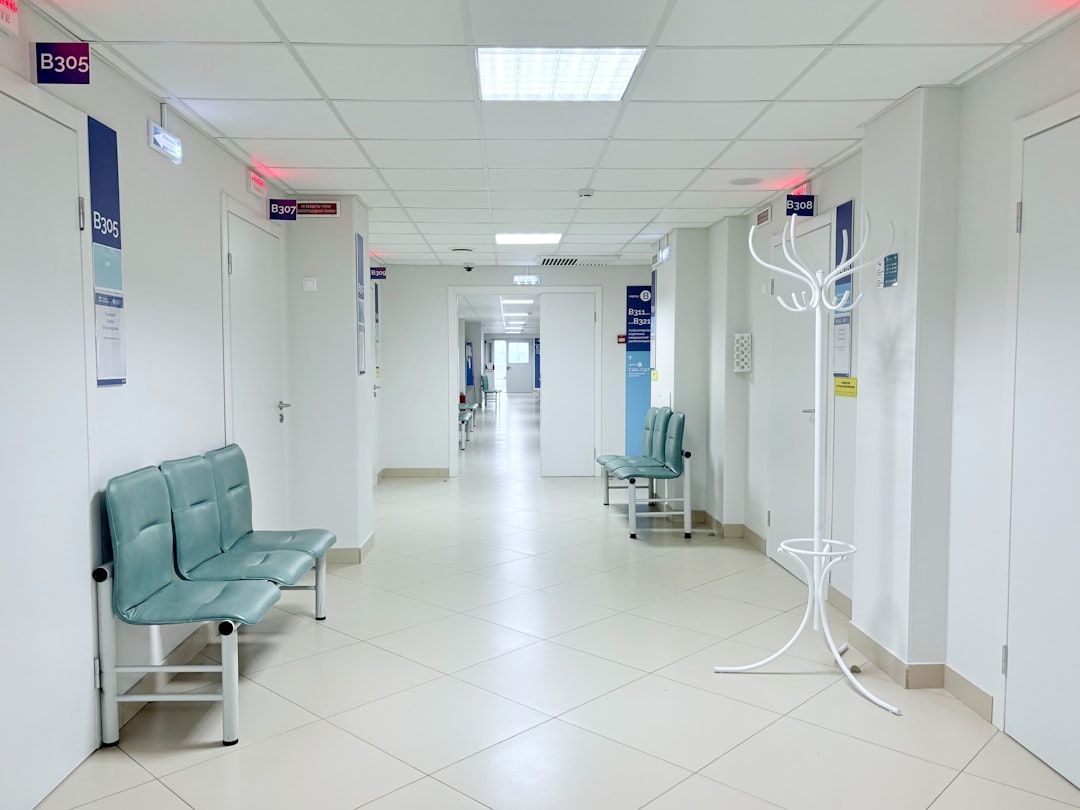
Public circulation and consultation rooms take Type II; service corridors and equipment routes justify Type III. Prioritise cleanability certifications and treated surfaces, and coordinate wallcovering with corner guards and crash rails as one protection package.
Offices and Corporate
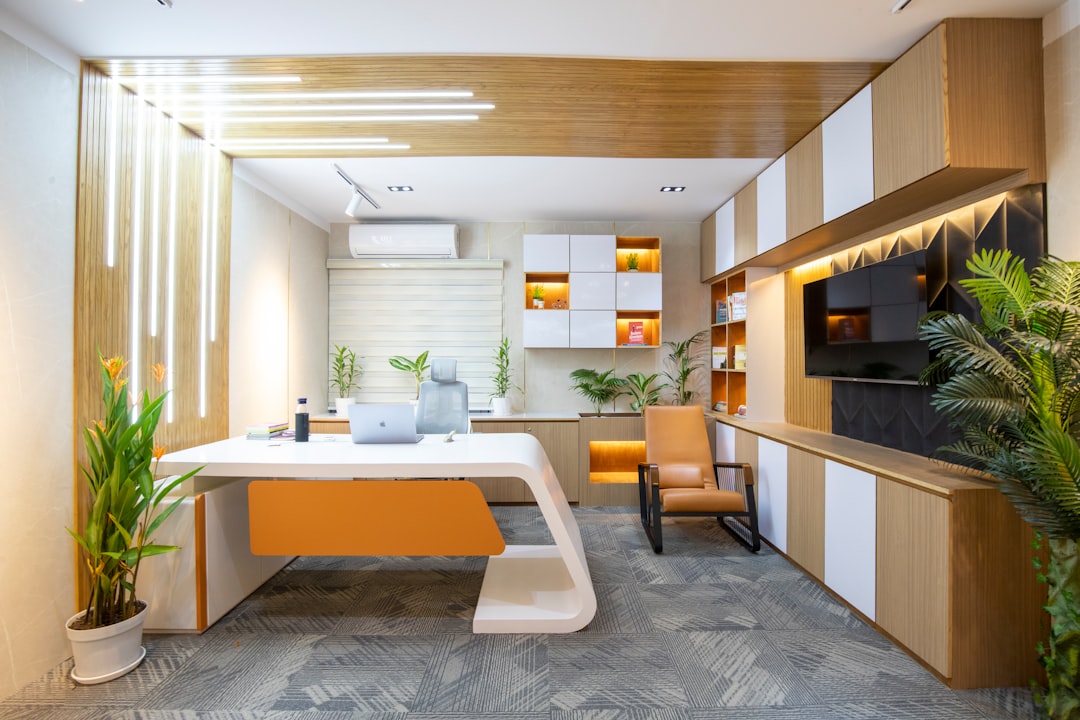
Feature walls, meeting rooms, and reception areas are typically Type I or II depending on traffic. Where open-plan acoustics are part of the brief, consider pairing vinyl in circulation zones with acoustic wallcoverings in meeting and focus rooms.
Retail and F&B
Fast fit-out cycles favour wide-width Type II for speed and durability, with digitally printed vinyl an increasingly popular route to brand-specific walls. The Spectrum commercial wallcovering range is a good starting point for high-traffic retail and F&B environments.
Lifecycle: Installation, Maintenance and Removal
Contract vinyl earns its specification across the whole fit-out cycle, not just at handover. Installation over properly prepared substrates is fast and clean relative to wet finishes, which matters on phased refurbishments where floors of an operating building are returned zone by zone. In service, maintenance is a cleaning task rather than a redecoration task, and damaged drops can be replaced individually if attic stock was ordered — a strong argument for adding five to ten per cent overage at procurement rather than attempting to colour-match a discontinued batch years later.
At end of life, fabric-backed contract vinyls are designed to strip from the wall in full sheets, leaving a substrate that needs minimal making-good before the next scheme. For tenanted buildings, that removability is a genuine reinstatement advantage over heavily built-up finishes.
A Specifier’s Checklist
- Zone the project and assign Type I, II, or III by actual wall exposure, not uniformly.
- Confirm fire certificates for the specific products, in a format ready for fit-out submission.
- Check cleanability ratings against the operator’s maintenance regime.
- Decide roll width by wall lengths and seam tolerance, and verify pattern repeats against wall heights.
- Specify the adhesive and wall preparation alongside the product — performance is a system, not a roll.
- Order production samples for sign-off under the project’s actual lighting.
Final Thoughts
Specified correctly, commercial vinyl wallcovering delivers a decade or more of presentable, cleanable walls in the hardest-working parts of a building — and the specification decisions that matter are made before a single roll is ordered. Explore the full wallcovering range to shortlist by weight class, width, and design.
Request product specifications and samples for your commercial project — our team can recommend weight classes zone by zone from your drawings.