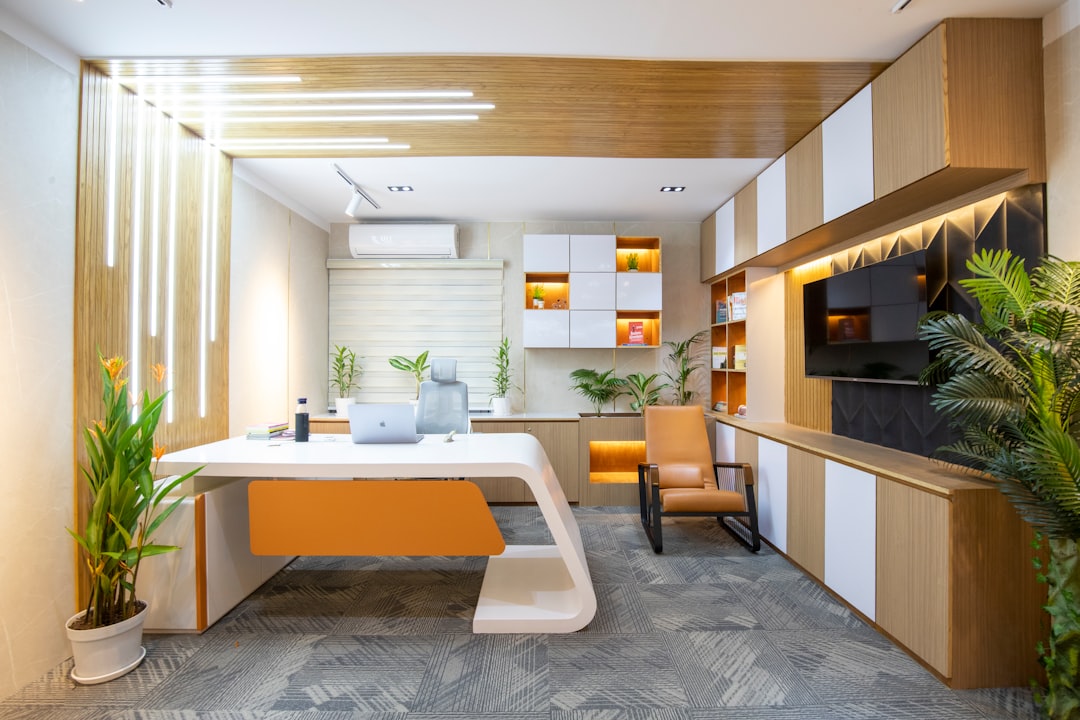
Commercial Interiors
Commercial Wallcovering Supplier in Singapore Guide
A wallpaper supplier in Singapore serving hospitality and commercial projects works to a different standard than a residential decorating shop. Contract wallcovering for hotels, offices, and public spaces must meet fire ratings, survive constant cleaning and contact, and be supplied in matching batches at scale. This guide explains how to specify commercial wallcovering and what to expect from a project-grade supplier.
On a hotel or corporate interior, walls do enormous visual work and take relentless physical use — luggage, trolleys, hands, and cleaning. Contract wallcovering is engineered for exactly this, which is why it remains the professional choice over paint in these settings.
Why Contract Wallcovering Over Paint
In commercial and hospitality interiors, wallcovering earns its place on performance as much as appearance. It is more durable than paint, more washable, and available with properties paint cannot offer:
- Durability: resists scuffs, knocks, and abrasion in high-traffic corridors and lobbies.
- Cleanability: wipes down repeatedly without the patch-and-touch-up cycle paint needs.
- Fire rating: commercial grades meet building code requirements, as covered in our guide to fire-rated wallcovering.
- Acoustic and antimicrobial options: functional properties for offices, healthcare, and hospitality.
- Design range: textures, prints, and finishes that paint cannot reproduce.
Across a building’s life, the higher upfront cost is usually repaid because wallcovering is replaced far less often than paint is repainted — the case we set out in detail when comparing the two options for commercial use.
Specifying For Hospitality
Hospitality interiors push wallcovering hardest, combining demanding aesthetics with heavy use across guest rooms, corridors, lobbies, and function spaces. Each zone has its own requirement: guest rooms favour texture and warmth, corridors need durability, and public areas want statement design with fire compliance. Our guides to wallcovering for hotel rooms and hotel wallpaper design explore the design side, while the supply side — batch matching and lead times across a whole property — is where a project supplier proves its value.
Specifying For Offices
Corporate interiors use wallcovering for branding, durability, and increasingly for acoustics in open-plan space. Feature walls carry brand identity, while acoustic wallcovering helps manage noise — a function detailed in our piece on acoustic wallcovering for offices. The specification balances appearance with the performance the workplace needs, and a capable supplier helps strike it.
Types Of Commercial Wallcovering
Commercial wallcovering is not a single product, and matching type to setting is central to specifying it well:
- Vinyl wallcovering: the durable, washable workhorse for corridors, lobbies, and high-traffic zones, available in heavy-duty commercial grades.
- Textile and natural wallcovering: texture and warmth for guest rooms and premium spaces, where appearance leads.
- Acoustic wallcovering: sound-absorbing finishes for open-plan offices and noisy public areas.
- Specialty finishes: antimicrobial, digital print, and bespoke designs for healthcare, branding, and feature walls.
A supplier carrying the full range, rather than one type, lets a specifier match each zone of a property to the right product instead of compromising.
Installation And Surface Preparation
Wallcovering performance depends heavily on installation, and at commercial scale this is a specification concern, not just a site one. Walls must be properly prepared — sound, smooth, and sealed — and in Singapore’s humidity, moisture and substrate condition affect adhesion and longevity. The right adhesive and hanging method vary by wallcovering type, and a capable supplier provides this technical guidance alongside the product. Poor preparation causes seams to lift, bubbles to form, and patterns to misalign — faults that no product quality can overcome once the walls are hung.
What To Demand Of The Supplier
A project-grade wallcovering supplier should offer well beyond a sample book:
| Requirement | Why it matters |
|---|---|
| Fire and compliance documentation | Required for commercial and hospitality building approval |
| Batch consistency | Large areas show variation across mismatched runs |
| Stock depth and lead times | Whole-property orders need volume on programme |
| Performance options | Acoustic, antimicrobial, and heavy-duty grades |
| Samples and technical support | In-situ viewing and specification guidance |
Scale, Batches And Lead Times
Hospitality and commercial wallcovering is bought by the hundreds of rolls, and the same supply disciplines as flooring apply. Batch consistency keeps long corridors and large feature walls visually uniform; reserved stock keeps phased projects continuous; and planned lead times keep specialised or imported lines from delaying handover. A supplier who manages these is the difference between a smooth install and a site held up waiting for walls.
Healthcare And Education Settings
Beyond hotels and offices, wallcovering plays a demanding role in healthcare and education, where hygiene and durability are paramount. Antimicrobial wallcovering supports infection control in clinics and wards, while impact-resistant grades and dedicated wall protection systems guard corridors against trolleys and constant contact. Education settings need surfaces that survive heavy student use and clean up easily. These are exacting applications where the cost of a wrong specification is high, and a supplier with the right grades and the documentation to prove their performance is essential rather than optional.
Maintenance And Longevity
Part of wallcovering’s commercial case is how well it lasts with simple upkeep. Commercial grades wipe clean, resist marking, and hold their appearance through repeated cleaning far longer than paint, which reduces the disruption and cost of redecorating an operating building. Specifying washable, durable grades in high-contact zones, and confirming the cleaning regime against the supplier’s guidance, is what realises that longevity. Over a property’s life, wallcovering that is cleaned rather than repainted saves both money and the operational disruption of taking spaces out of use — a meaningful advantage in hospitality and commercial environments that cannot easily close.
This longevity is also where whole-life cost favours wallcovering despite its higher upfront price. A finish that lasts years longer than paint, cleans instead of needing repainting, and avoids closing revenue-generating space for redecoration repays its initial cost many times over. Framing the decision on whole-life cost rather than installed price is what makes the commercial case for contract wallcovering clear to a budget holder.
Sustainability And Certification
Commercial wallcovering increasingly needs low-emission and responsibly sourced credentials to support green building and corporate ESG goals. A capable supplier documents these against recognised standards, explained in our Green Mark certified materials guide. Where a project’s certification depends on its interior finishes, the wallcovering specification becomes part of meeting that target. A full commercial wallcovering range gives specifiers the breadth to match design and compliance at once.
Questions To Ask A Wallcovering Supplier
A few direct questions establish whether a supplier can handle a hospitality or commercial project:
- Can you provide fire ratings and compliance documentation for this wallcovering?
- Do you carry the performance grades I need — acoustic, antimicrobial, impact-resistant?
- Can you supply the volume for the whole property from matched batches?
- What are the lead times, and can you reserve stock for later phases?
- What installation and surface-preparation guidance do you provide?
Documented, confident answers mark a supplier equipped for contract work; uncertainty on fire ratings or batch consistency is a warning to heed before the walls are ordered.
Final Thoughts
The right wallpaper supplier in Singapore for hospitality and commercial work is one that combines a contract-grade range with fire documentation, batch consistency, stock depth, and technical support. Specify wallcovering to the zone and code, plan supply across the whole property, and back it with certification — and the walls will perform as well as they look, for years.
Request commercial wallcovering specifications and samples for your project.