Interior Design
Wall Treatment Ideas: 15 Ways to Upgrade Plain Walls
The best wall treatment ideas start with a simple observation: in most Singapore homes, walls are the largest untouched surface in the room. Floors get chosen carefully, furniture gets agonised over, and the walls stay builder-white. Yet a single well-treated wall changes how an entire room feels — and most treatments cost far less than new furniture.
This guide collects fifteen ways to upgrade a plain wall, from subtle texture to full statement, with a note on how to achieve each one. Whether you are staring at a blank BTO wall or refreshing a tired condo, at least a few of these will fit your space and budget.
Pattern and Print Treatments
1. A feature wallpaper wall
The classic starting point: one wall in a bold print — botanical, geometric, chinoiserie — with the rest of the room kept quiet. It concentrates impact where you want it, keeps costs low, and is easily changed when tastes move on. Choose the wall the room naturally faces — behind the TV console, sofa, or bed head — rather than the first wall you see. Our guide to feature wall ideas for Singapore homes covers placement and pattern selection in detail.
2. A wall-sized mural
Digitally printed murals scale a single image — a landscape, an abstract wash, an oversized botanical — across the whole wall. Because the design is made to measure, there is no repeating pattern, which reads as more bespoke than standard rolls. Murals work hardest in rooms with one clear viewing position, such as behind a sofa or bed, where the image can be appreciated whole.
3. Marble and stone-effect wallpaper
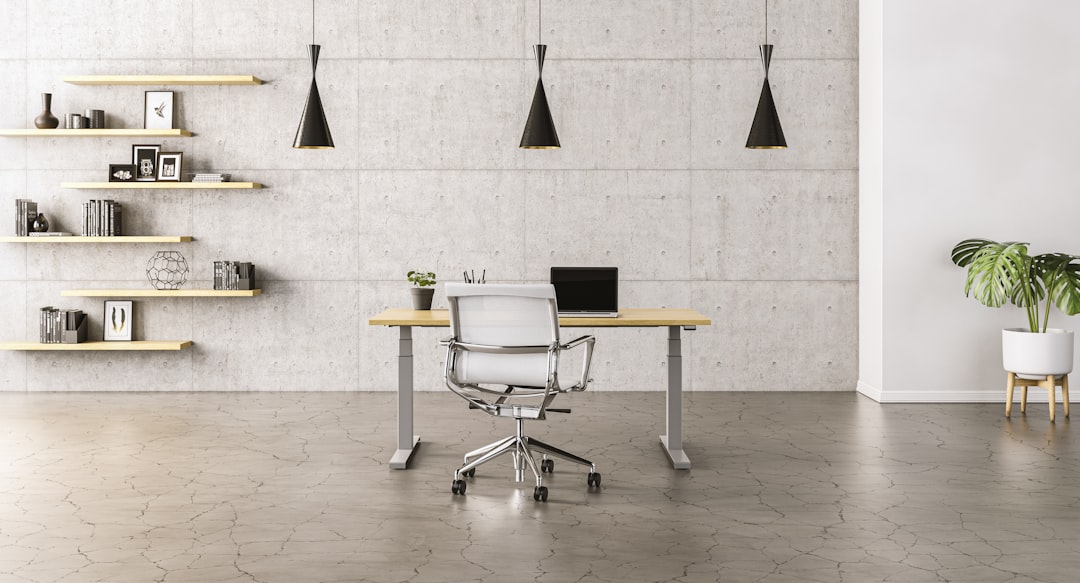
Printed marble, travertine, and concrete-look wallcoverings deliver the luxury-stone aesthetic without slabs, weight, or hacking. They suit dining walls and master bedrooms where real stone would be impractical on an upper floor.
4. A playful print for kids’ rooms
Children’s rooms are where pattern earns the most joy per square metre. Dedicated kids’ wallpaper collections offer washable, hard-wearing designs that survive the crayon years and peel away cleanly when tastes mature.
5. A two-tone split wall
Divide the wall horizontally — darker below, lighter above — to add architecture and make ceilings feel higher. Wallpaper-on-wallpaper splits give the effect more texture than paint alone; see our two-tone wall design ideas for proportions that work.
Texture and Material Treatments
6. Textured wallcovering
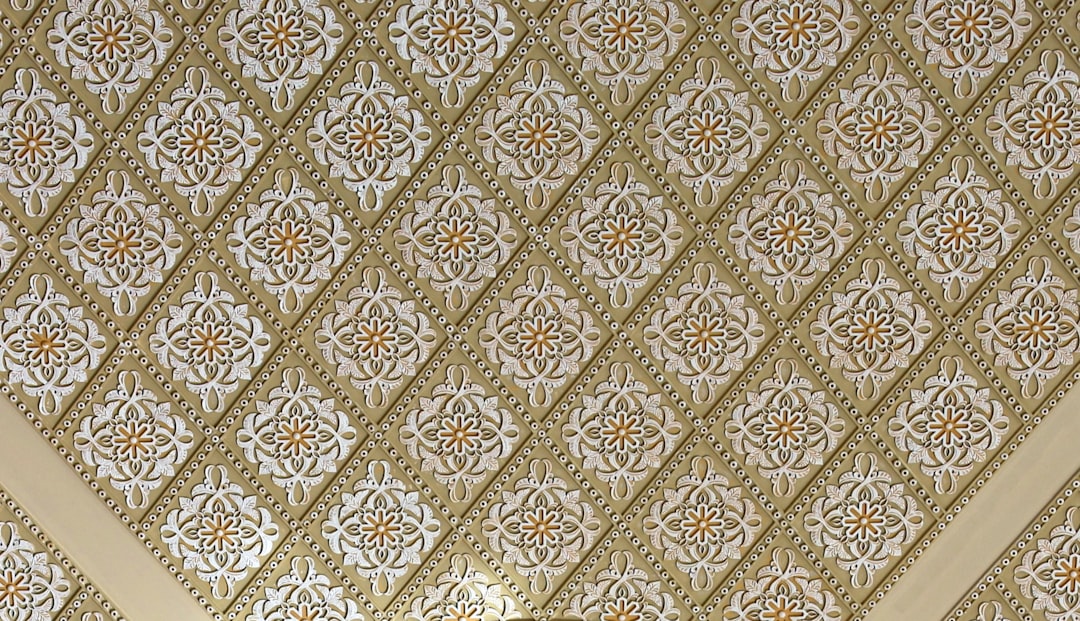
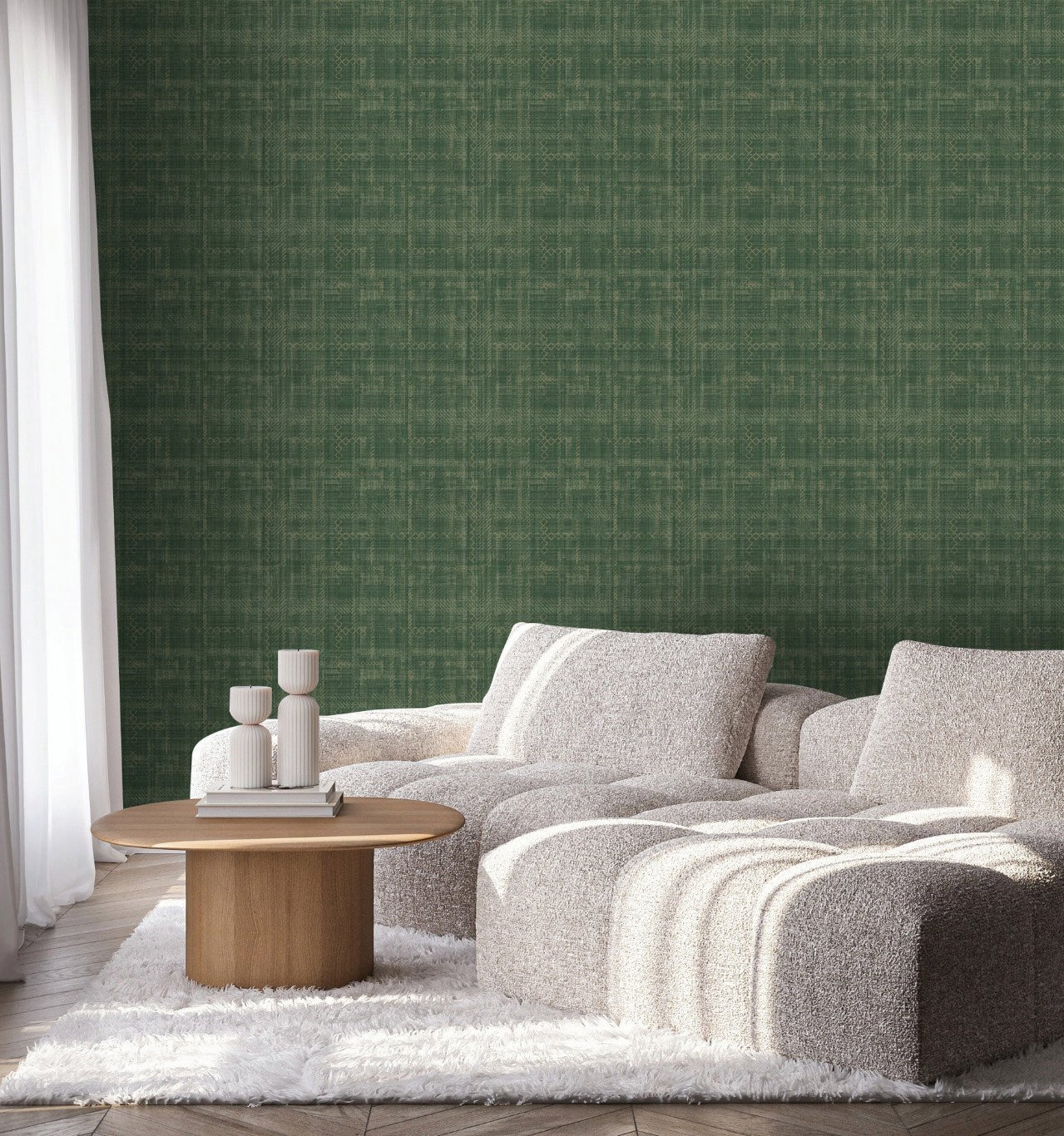
Linen weaves, raked plaster effects, and embossed geometrics catch the light and give a wall depth that flat paint cannot. Texture is the quiet route to a finished-looking room — more ideas in our guide to textured wall ideas.
7. Natural grasscloth and woven fibres
Grasscloth, sisal, and woven-fibre wallcoverings bring genuine natural material onto the wall, each panel subtly different. They suit Japandi and resort-style interiors and add warmth that printed paper cannot fully imitate. Keep them to dry, low-contact walls — bedrooms, studies, dining rooms — as natural fibres prefer gentler treatment than vinyl.
8. Metallic and pearlescent finishes
Wallcoverings with metallic inks or pearlescent grounds shift with the light through the day — subtle in daylight, glamorous under evening lighting. Best used on a dining or bedroom wall where lamps can play across the surface.
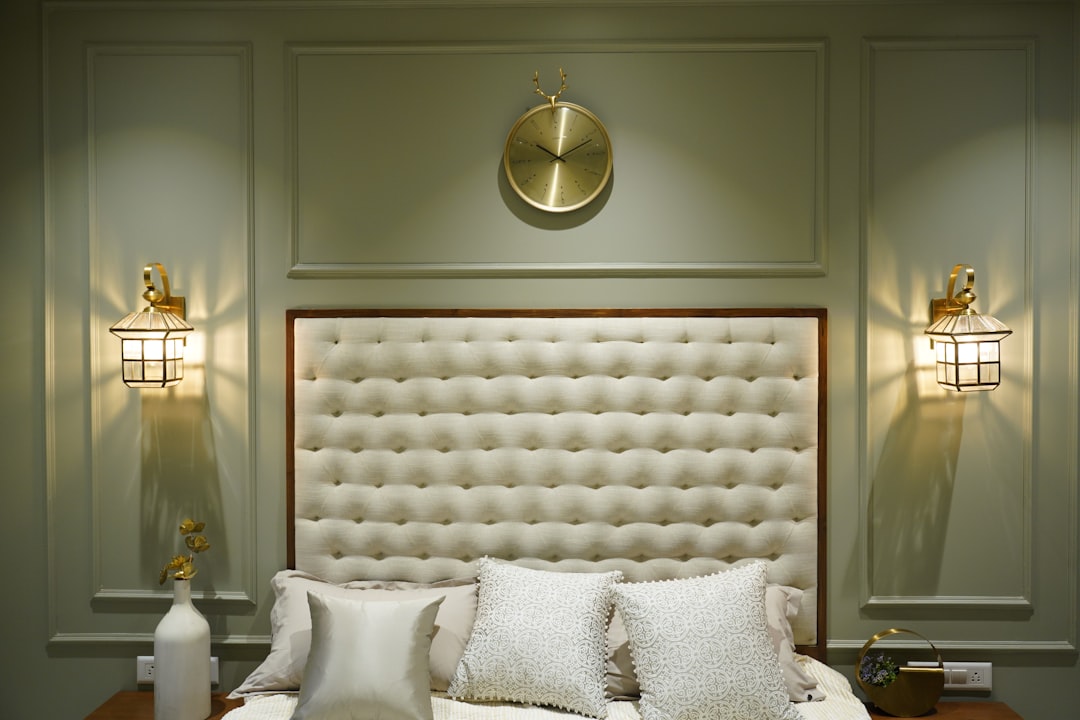
9. An upholstered fabric wall
Fabric-wrapped walls and padded headboard walls bring softness and acoustic damping to bedrooms and media rooms. With 350-plus performance and decorative textiles, the Goodrich fabric range covers both the upholstery and the coordinating cushions.
10. A floor-to-ceiling drapery wall
Curtaining an entire wall — not just the window — is a designer trick that softens hard-edged rooms and hides awkward layouts, service hatches, or uneven plaster. Sheer and blackout drapery fabrics can be layered on a single track for day and night moods.
Panelled and Architectural Looks
11. Panel-effect wallpaper
Printed shaker frames, fluted grooves, and slat-look designs deliver the panelled wall trend without carpentry — installed in a day and removable later. Our panel-effect wallpaper guide explains the options.
12. Wood-effect wallcovering
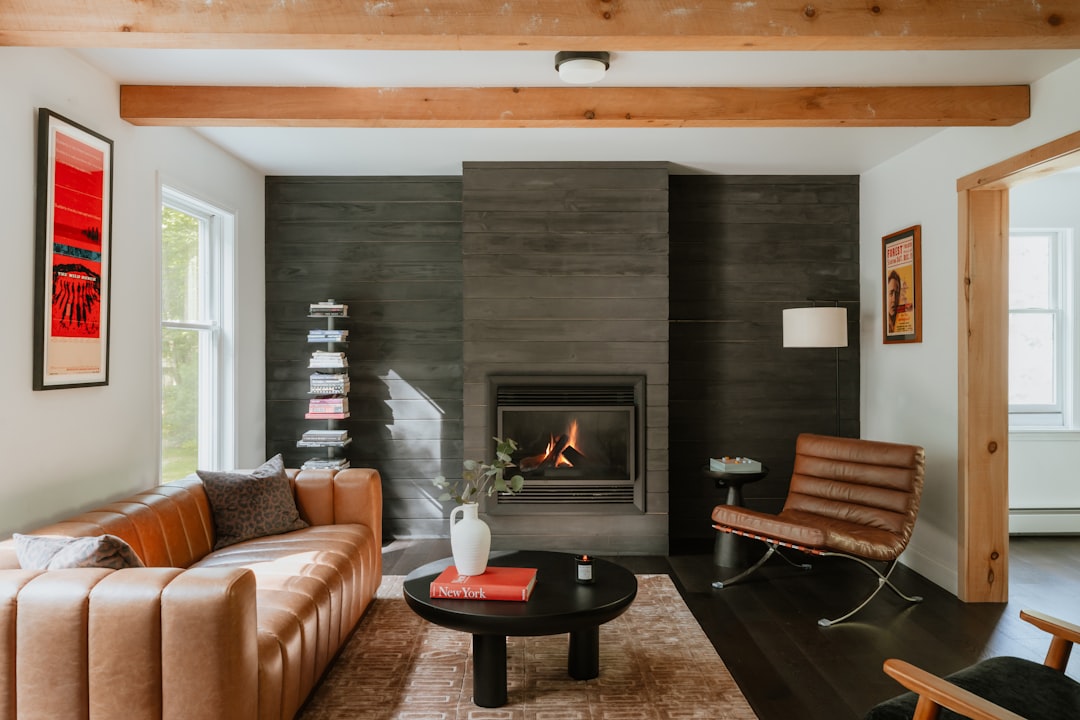
Timber-look wallcoverings reproduce oak, walnut, and rattan textures convincingly, bringing warmth to a wall with none of the joinery cost or humidity movement of real timber cladding.
13. Dado-height treatment
Stopping the treatment at around a metre high — panel-effect below, paint or paper above — adds structure to living rooms, dining areas, and corridors, and protects the wall zone that chairs and bags actually touch.
Hardworking Treatments for Busy Walls
14. Heavy-duty vinyl wallcovering
Corridors, stairwells, and family rooms need surfaces that shrug off scuffs and wipe clean. Commercial-grade vinyl wallcoverings — the same materials specified in hotels and hospitals — are engineered for exactly this and now come in residential-friendly textures and colours. For homes with young children, pets, or narrow entryways, they are the treatment that still looks fresh three years in.
15. Acoustic wallcovering
For home offices and TV walls, acoustic wallcoverings absorb reflected sound while looking like a refined textile finish. Our guide to acoustic wallcoverings for offices explains how they work — the same logic applies to a noisy living room.
How to Choose the Right Wall Treatment
With fifteen options on the table, three questions narrow the field quickly:
- What does the wall endure? High-traffic and splash-prone walls need wipeable vinyl or heavy-duty finishes; bedroom walls can take delicate textures and naturals.
- How much pattern can the room carry? Small or busy rooms usually reward texture over print; larger, sparsely furnished rooms can handle murals and bold repeats.
- How permanent should it be? Renters and serial redecorators should favour removable wallcoverings and drapery over anything built or fixed.
If you want a deeper taxonomy of the materials behind these ideas — vinyl, non-woven, paper, fabric, and speciality types — our complete guide to types of wall coverings breaks them down.
Combining Treatments Without Overdoing It
Most well-designed Singapore homes use three or four of these ideas across the whole flat, not one per room. A workable formula: one statement treatment in the main living space, quieter textures in the bedrooms, a playful print for the kids, and hardworking vinyl in the corridor. The rooms stay distinct, but the palette holds together.
Two rules keep multi-treatment schemes coherent. First, repeat at least one element between rooms — a shared base colour, a recurring material, or the same texture in different tones. Second, let each room have only one hero: if the wall is the statement, keep the curtains and sofa fabrics supporting; if the furniture is bold, choose a wall texture that recedes. Working with an ID firm? Bring wallcovering samples to the same meeting as your fabric and flooring selections, so every surface is chosen against the others rather than in isolation.
Final Thoughts
Plain walls are an opportunity, not a fixture. Whether you choose one statement treatment or layer a quiet texture through the whole home, every idea here installs faster and costs less than most homeowners expect — and all fifteen are achievable with wallcoverings and fabrics rather than major works. Start with the room you spend the most waking hours in, and let its walls set the tone for the rest of the home.
Browse our e-catalogue for the latest wallcovering and fabric designs, or visit the Goodrich Gallery to see these treatments at full scale.