Interior Design
Textured Wall Ideas: Paint, Panels and Creative Finishes
Why Textured Walls Transform a Room
Flat, painted walls are the default in most Singapore homes, but adding texture to even a single wall changes the entire character of a space. Textured walls introduce depth, visual interest and a tactile quality that flat surfaces cannot replicate.
A textured feature wall draws the eye, anchors furniture arrangements and can disguise minor surface imperfections. In Singapore’s property landscape, where many HDB and condo units share identical floor plans, textured walls are one of the most effective ways to personalise your home without major structural changes.
The options range from subtle to bold, from wallpaper with embossed patterns to three-dimensional wall panels that create dramatic shadow play. This guide covers the most practical and popular textured wall treatments for Singapore homes.
Wallpaper With Texture and Dimension
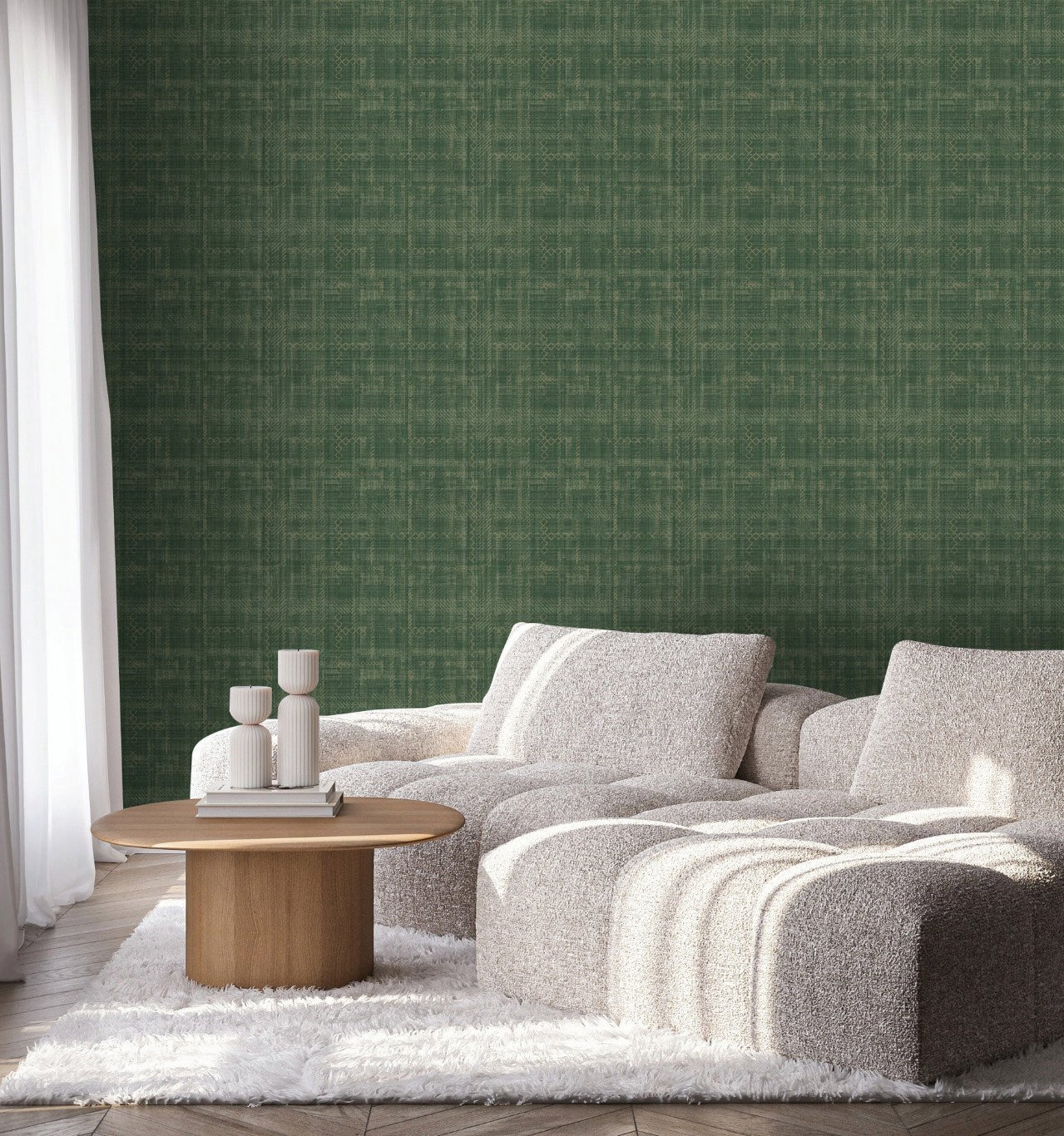
Wallpaper has evolved far beyond flat, printed paper. Modern wallcoverings include embossed textures, woven fibres, grasscloth, faux-stone finishes and three-dimensional geometric patterns that add genuine tactile depth to walls.
Embossed and Textured Wallpaper
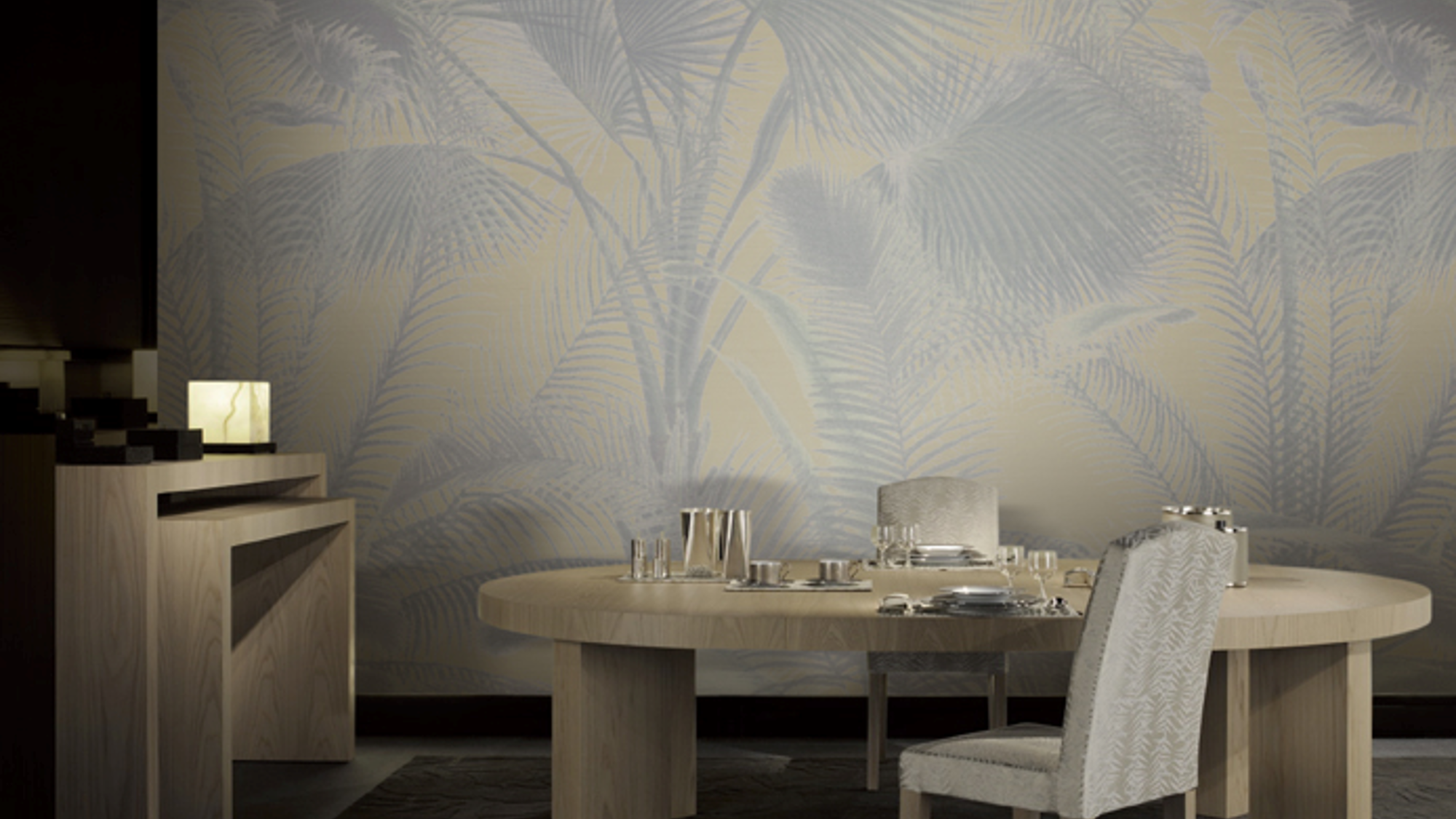
Embossed wallpaper features raised patterns pressed into the surface during manufacturing. Common textures include linen weave, plaster effects, brick patterns and botanical motifs. These wallpapers add visual depth while remaining relatively flat to the touch, making them practical for high-traffic areas.
Grasscloth and Natural Fibre Wallcoverings
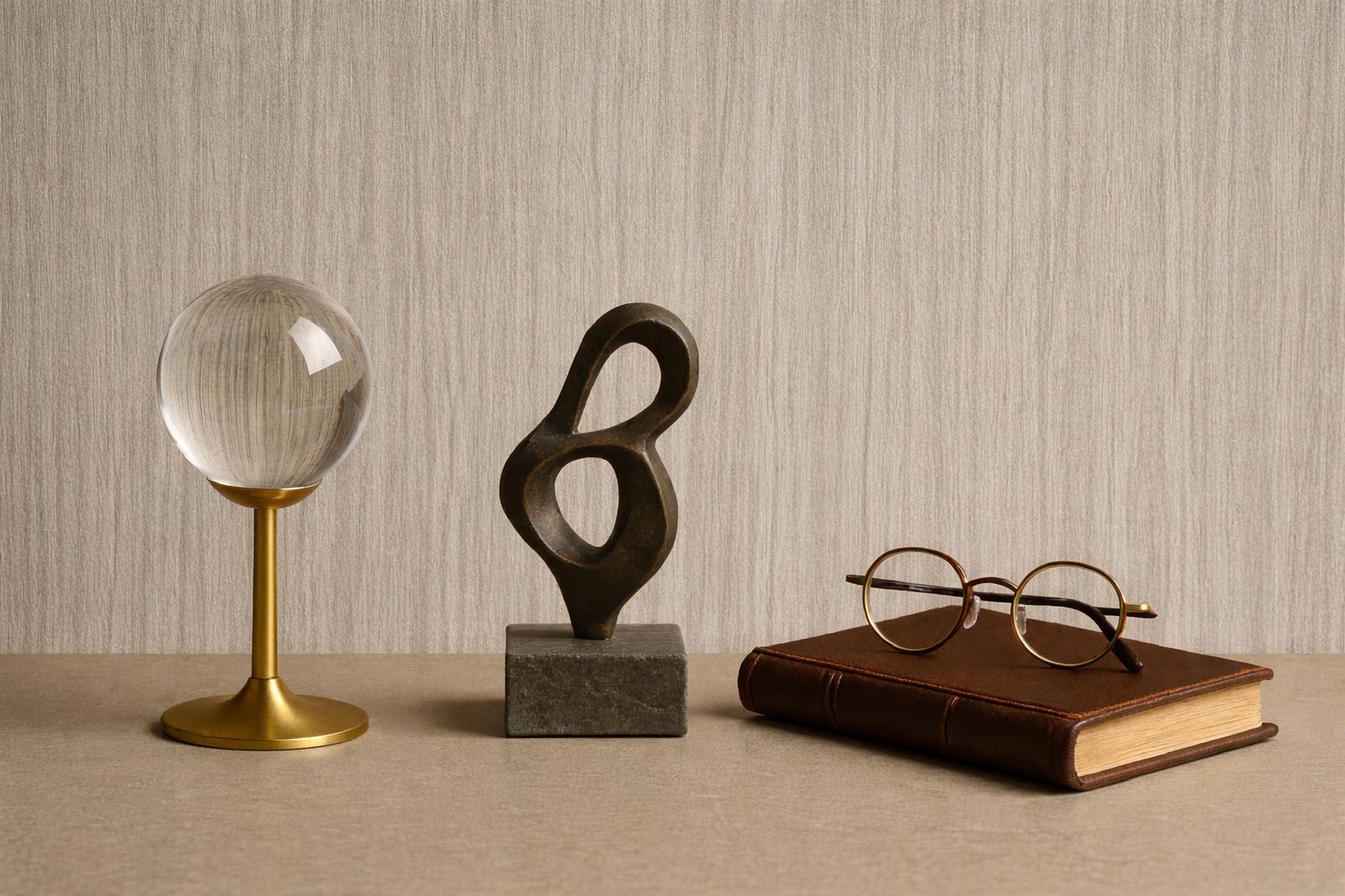
Made from woven natural fibres such as jute, sisal, seagrass and bamboo, grasscloth wallcoverings bring organic texture and warmth to any room. Each panel has subtle variations in colour and weave, creating a handcrafted, artisanal look that cannot be replicated by printed wallpaper.
In Singapore’s humid climate, choose grasscloth with a protective backing or coating to resist moisture absorption. Install in air-conditioned rooms for best longevity.
Vinyl Textured Wallpaper
Vinyl wallpaper is the most practical option for Singapore homes. It resists humidity, is easy to clean and is available in a vast range of textured finishes including faux concrete, marble, wood grain and fabric effects. Browse the full range of residential wallcoverings to explore textured options suited to local conditions.
Wall Panels for Three-Dimensional Impact
Wall panels create a more dramatic textured effect than wallpaper. They project further from the wall surface, casting shadows that change throughout the day as natural light shifts.
MDF and PVC Panels
Lightweight MDF or PVC panels come in geometric patterns such as waves, hexagons, diamonds and fluted designs. They can be painted any colour after installation, allowing you to match your interior scheme precisely. PVC panels are moisture-resistant, making them suitable for bathrooms and kitchens.
Fluted and Ribbed Panels
Fluted wall panels with vertical ridges have become one of the most popular textured wall treatments in Singapore in recent years. They add a sophisticated, linear texture that works in both modern and transitional interiors. Fluted panels can be used as a full feature wall, a headboard backdrop or to define a hallway.
Natural Stone and Brick Veneers
Thin stone or brick veneers applied to walls create an authentic textured surface without the weight and thickness of full masonry. They are available in a range of finishes from raw concrete to whitewashed brick. These are particularly effective in industrial-style interiors and open-concept living areas.
Paint Techniques for Textured Walls
If you prefer to work with paint rather than applied materials, several techniques can create textured effects directly on the wall surface.
- Limewash: Creates a soft, chalky texture with natural colour variation. The finish develops character over time and works beautifully in minimalist and Mediterranean-inspired interiors.
- Venetian plaster: A polished plaster technique that creates a smooth yet visually textured surface with depth and subtle sheen. It suits contemporary and luxurious interiors.
- Microcement: A thin cement-based coating that creates an industrial, raw concrete look. It can be applied over existing tiles, making it useful for bathroom and kitchen renovations.
- Textured paint: Paints with added sand, stone or metallic particles create a subtle textured finish. They are the simplest way to add dimension to a wall without additional materials.
- Skim coat effects: Deliberately varied skim coat application creates a handmade, organic texture that adds character to feature walls.
Where to Use Textured Walls in Your Home
Not every wall should be textured. The most effective approach is to choose one or two key walls per room as focal points.
Living Room Feature Wall
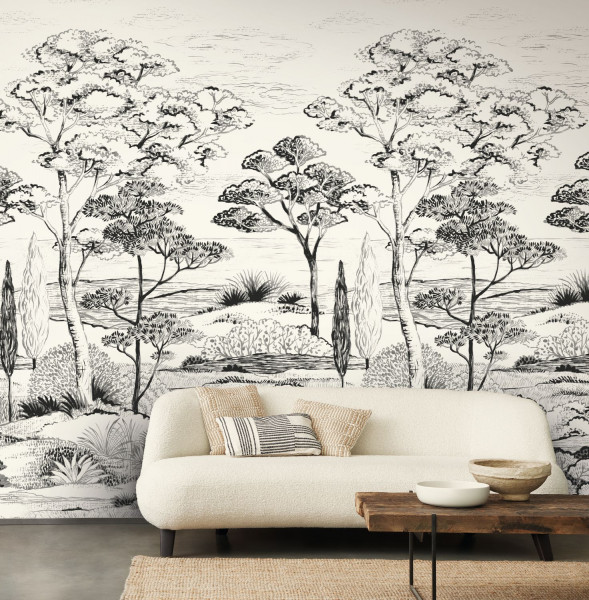
The wall behind the sofa or the TV wall are the most common choices for textured treatment. A full-height textured wall in a living room creates an instant focal point and provides a rich backdrop for furniture and artwork.
Bedroom Headboard Wall
Texturing the wall behind the bed adds warmth and intimacy to the sleeping area. Fluted panels, wallpaper with raised textures or fabric-wrapped panels all work well here.
Dining Area
In open-concept HDB and condo layouts, a textured wall behind the dining table helps define the dining zone as a distinct space within the larger room.
Entryway and Corridors
Hallways and entryways are often overlooked, but a textured wall treatment here creates a strong first impression. Vertical fluted panels are particularly effective in narrow corridors as they draw the eye upward and create a sense of height.
Practical Considerations for Singapore Homes
Singapore’s climate and housing conditions require specific attention when planning textured wall treatments.
- Humidity: Choose moisture-resistant materials. Vinyl wallpaper, PVC panels and microcement handle humidity better than untreated natural materials.
- HDB regulations: Certain wall modifications in HDB flats require approval. Check current HDB renovation guidelines before making structural changes to walls.
- Weight considerations: Heavy stone or concrete panels require adequate wall support. HDB partition walls may need reinforcement before heavy panels can be installed.
- Maintenance: Textured surfaces collect dust in their grooves and ridges. Regular dusting or vacuuming with a soft brush attachment keeps them looking fresh.
- Lighting: Textured walls benefit from directional lighting that creates shadow play. Consider wall-mounted uplights or downlights to enhance the three-dimensional effect.
Combining Textures for Depth and Interest
The most sophisticated textured wall designs often combine two or more textures within the same space. The key is contrast: pair smooth with rough, fine with coarse, matte with sheen.
For example, a fluted timber panel wall behind the sofa paired with a smooth, matte-painted opposite wall creates visual tension that keeps the eye moving. A grasscloth wallcovering on one wall with a polished concrete effect on the adjacent wall establishes a dialogue between organic and industrial textures.
When combining textures, maintain a unified colour palette to prevent the room from feeling chaotic. Two different textures in similar tones create sophisticated interest, while two different textures in contrasting colours risk visual overload. The texture itself provides enough variation without needing colour contrast to support it.
Textured walls are a versatile design tool that can elevate any room in your Singapore home. Whether you choose the subtle depth of an embossed wallpaper or the bold statement of fluted panels, the right texture adds a layer of sophistication that flat paint simply cannot achieve.
Browse our e-catalogue for the latest textured wallcovering designs and find inspiration for your feature wall project.