Fabric & Upholstery
Upholstered Fabric Wall Panels: Softness, Acoustics and Style
Fabric wall panels are having a moment in Singapore interiors — padded headboard walls in condo bedrooms, sound-softening panels in media rooms, and upholstered acoustic walls in meeting rooms all use the same simple construction: a rigid backing, a layer of foam or wadding, and a carefully chosen fabric stretched over the top. The result is a wall you can lean against, that quiets a room, and that adds a depth of texture no flat finish can match.
The fabric is what makes or breaks these panels. This guide explains where upholstered wall panels work best, what they do for acoustics, and how to choose fabrics that will survive years of contact and cleaning.
Goodrich Global supplies the decorative and performance fabrics used to make upholstered wall panels — the panels themselves are fabricated and installed by upholsterers and fit-out contractors. Browse the fabric collection of 350+ upholstery and drapery designs to start a panel project.
What Are Upholstered Fabric Wall Panels?
An upholstered wall panel is essentially furniture-making applied to a wall. A backing board — typically plywood or MDF — is cut to size, padded with high-density foam or polyester wadding, then wrapped in fabric that is stretched taut and fixed at the rear. Panels are made individually and mounted to the wall in a grid, in vertical bands, or as one continuous padded plane.
Because each panel is made to order, the format is completely flexible. Deep-buttoned squares, slim vertical channels, oversized rectangles behind a bed, and geometric arrangements are all achievable — the upholsterer shapes the design, and the fabric sets the character.
Why Upholster a Wall? Softness, Acoustics and Style
Softness
Padded panels are forgiving in ways hard finishes are not. A headboard wall cushions the inevitable contact of daily life; a padded wall beside a bench seat or banquette makes the seat genuinely comfortable rather than merely decorative.
Acoustics
The foam-and-fabric build-up absorbs sound energy instead of reflecting it, reducing echo and making rooms noticeably calmer to talk in. This is why the same construction appears in cinemas, recording studios, and boardrooms. Fabric choice matters here too — acoustically transparent weaves let sound pass into the absorbent core, a topic we cover in detail in our guide to fabric for acoustic wall panels. For offices weighing panels against other sound-softening finishes, see acoustic wallcoverings for offices.
Style
Fabric brings colour, weave, and pattern to a wall at a richness paint cannot approach. A bouclé panel wall reads entirely differently from the same layout in velvet or a tailored plain — one wall design, many personalities.
Where Fabric Wall Panels Work Best
- Headboard walls: The most popular residential application in Singapore. A floor-to-ceiling padded wall replaces the headboard entirely, adds comfort for reading in bed, and dampens noise transfer — welcome in HDB flats and condos with shared bedroom walls.
- Media and entertainment rooms: Panels absorb the reflections that make home cinema audio harsh, while dark, textural fabrics reduce screen glare and set the right mood.
- Meeting rooms and offices: Upholstered panels tame the echo of glass-and-plaster meeting rooms and improve speech clarity on calls. Performance fabrics in corporate palettes keep the look sharp through years of use.
- Hospitality and F&B: Padded walls along banquette seating combine comfort, acoustic control, and a premium look in one element — a fixture of hotel restaurants and lounges.
Choosing the Right Fabric
Wall panels are touched, brushed past, and cleaned, so the fabric needs to be specified like upholstery, not like curtains. Four factors matter most:
- Abrasion resistance: Look at the Martindale rub count. Panels in contact zones — headboards, banquette backs, corridor walls — should use fabrics rated for general or heavy-duty upholstery. Purely decorative panels above touch height can use lighter weaves.
- Stain resistance and cleanability: Performance fabrics with soil-release or moisture-repellent finishes wipe clean and shrug off marks — worth specifying anywhere hands or heads will rest.
- Fire performance: Commercial and hospitality projects need flame-retardant fabrics that meet the fire-safety requirements of the fit-out. Confirm certification with your contractor at specification stage, not after fabrication.
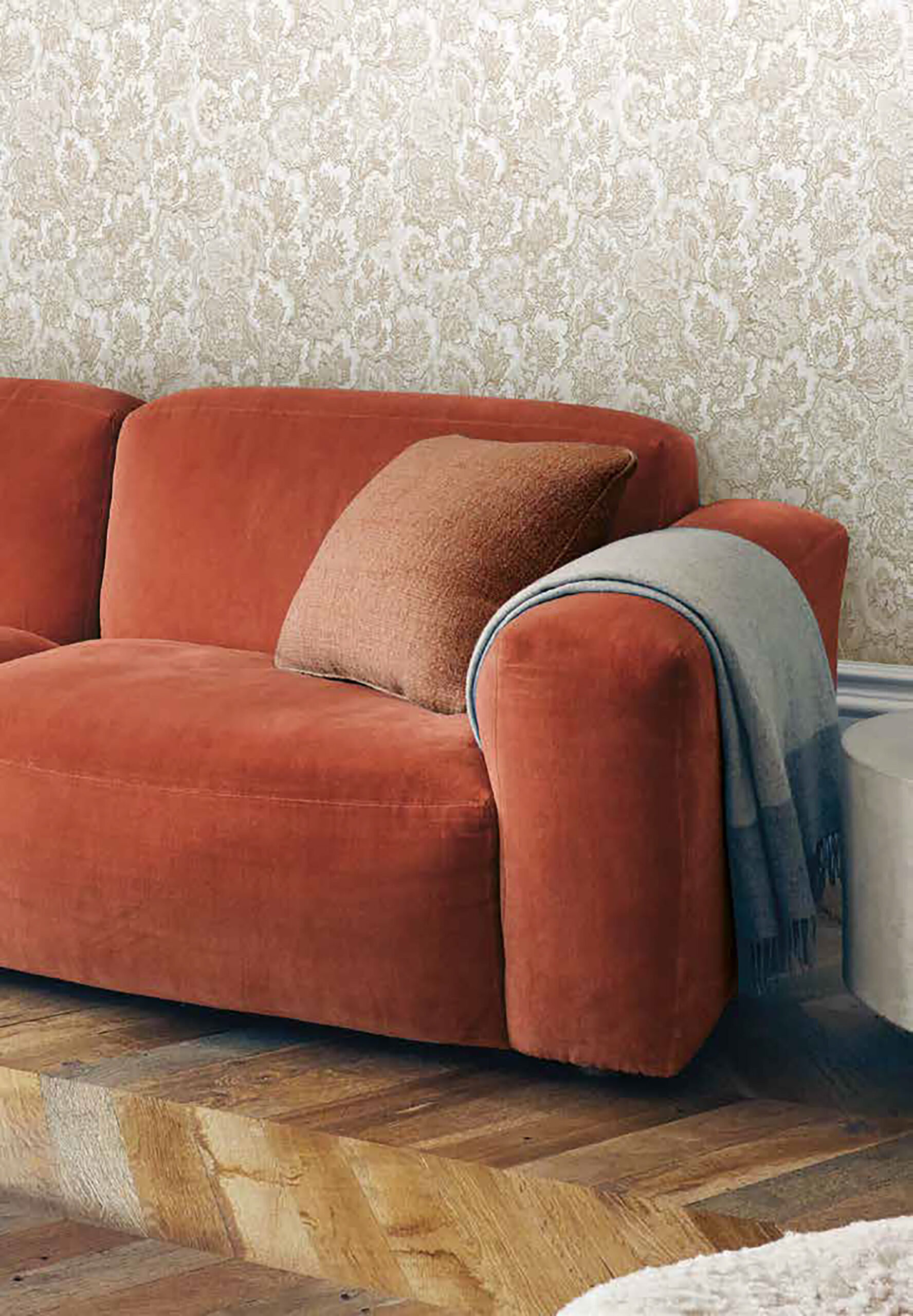
- Texture and weight: Mid-weight woven fabrics upholster cleanly and hold their tension on a panel. Bouclés and chenilles give softness and depth; velvets bring luxury but show pressure marks in high-contact spots; tailored plains and subtle weaves suit corporate settings.
Our upholstery fabric types guide walks through these families in more detail, and the upholstery fabric range spans performance and decorative options across all of them.
How a Panel Project Comes Together
A typical upholstered wall project involves three parties, and it helps to know who does what:
- Design: You or your interior designer set the panel layout, padding depth, and fabric direction — and select the fabric itself from a supplier’s collection.
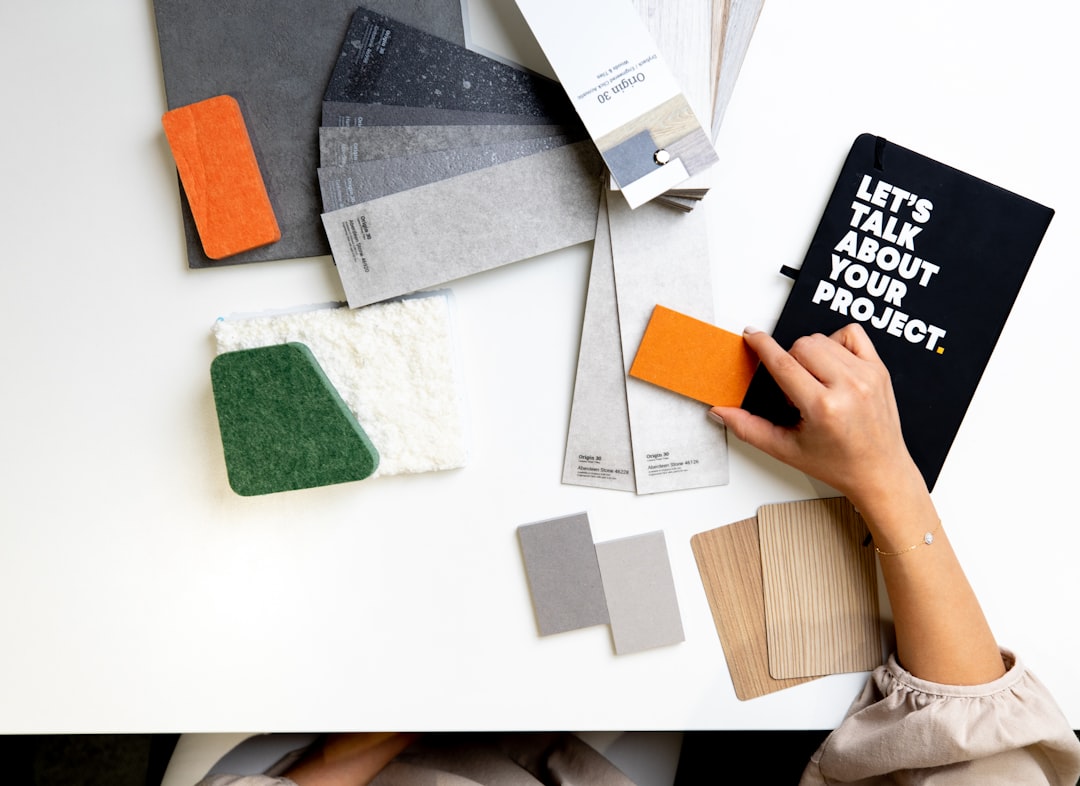
- Fabric supply: The chosen fabric is ordered by the metre. This is where Goodrich fits in: we supply the performance and decorative fabrics, with samples available so you can check colour and texture against the room before committing.
- Fabrication and installation: An upholsterer or fit-out contractor builds the panels, wraps them, and mounts them on site. Ask to see examples of previous panel work — clean corners and consistent tension are the marks of a good maker.
Order fabric with an allowance above the panel face area — wrapping around edges, pattern matching, and buttoning all consume extra material. Your upholsterer will confirm the exact quantity from the panel drawings.
Panel Formats and Design Ideas
The upholstery techniques that shape furniture translate directly to walls, and the format you choose sets the room’s character:
- Flat grid panels: Clean rectangles in a regular grid — the most contemporary and most economical format, well suited to meeting rooms and media walls.
- Channel tufting: Slim vertical or horizontal channels create a tailored, rhythmic wall — currently the most requested headboard-wall style in Singapore condos.
- Deep buttoning: Classic diamond tufting for a plush, hotel-suite look; it uses noticeably more fabric and suits velvets and soft plains.
- Oversized single panels: One wide padded plane behind the bed reads minimal and lets a textural fabric such as bouclé do the talking.
Padding depth matters too. Slim 10–20mm wadding keeps panels architectural and space-efficient in HDB bedrooms; deeper 30–50mm foam maximises softness and acoustic absorption in media rooms. Demountable panel systems — mounted on cleats or clips rather than glued — are worth specifying in offices, where fabric may need replacing at the next refresh without rebuilding the wall.
Caring for Upholstered Panels
Maintenance is straightforward: vacuum with a brush attachment to keep dust out of the weave, and treat marks promptly according to the fabric’s cleaning code. In Singapore’s humidity, keep air circulating in rooms with extensive fabric walls — regular air-conditioning or ventilation prevents the damp conditions that textiles dislike. Performance fabrics with stain-resistant finishes reduce upkeep to almost nothing.
Final Thoughts
Fabric wall panels deliver a combination no other wall finish manages: genuine softness, measurable acoustic improvement, and the visual richness of upholstery at architectural scale. Success comes down to the fabric — specify for abrasion, cleanability, and fire performance, and the wall will look tailored for years.
Request free fabric samples from our Singapore showroom to shortlist upholstery fabrics for your wall panel project.