Carpet & Flooring
Cement Screed Flooring in Singapore: Look, Reality, Alternatives
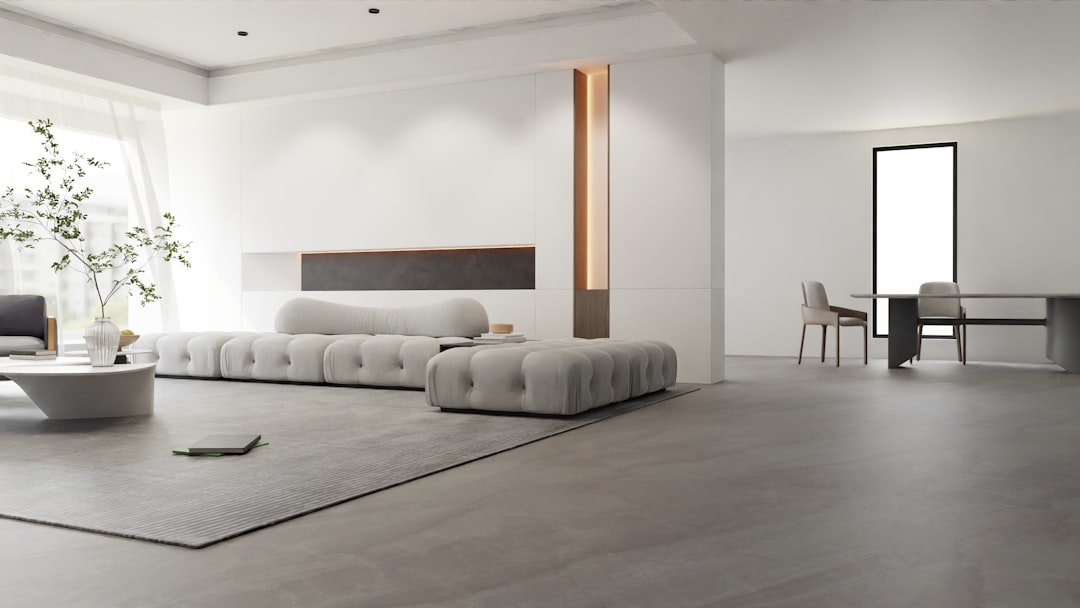
Scroll through any Singapore interior design portfolio and the industrial-loft look is everywhere: raw grey floors, black steel window frames, warm timber joinery and exposed track lighting. The floor anchoring that aesthetic is usually cement screed — or something designed to look like it. It photographs beautifully, which is exactly why so many homeowners request it without knowing what living on it actually involves.
This article explains what a screed floor really is, the realities that surprise owners six months in, and how to get the look without signing up for the compromises.
Goodrich Global does not supply or install poured cement screed floors. Our range covers concrete-look luxury vinyl flooring that delivers the raw industrial aesthetic with warmth underfoot, consistent colour and no cracking.
Why the Screed Look Keeps Trending
The appeal is partly aesthetic and partly philosophical. A seamless grey floor is the most neutral backdrop possible: it makes teak and oak furniture glow, sharpens the lines of black metal shelving, and lets textiles and art carry the colour. It reads as honest and unfussy — materials shown as they are, without pattern or gloss.
It also flatters small spaces. With no grout lines or plank joints breaking the surface, a 60 sqm flat feels visually larger, and the same floor can run from living room into kitchen without a threshold. Add in the cafe-and-gallery associations the finish carries, and it is easy to see why screed sits on so many renovation moodboards alongside terrazzo and microcement.
What a Cement Screed Floor Actually Is
A screed is a sand-and-cement mortar layer, typically 25mm to 50mm thick, poured over the structural slab. For a feature finish, the contractor power-trowels the surface as it cures to bring up a smooth, slightly mottled face — the cloudy variation that gives screed its character. Once cured, the surface is sealed with a penetrating sealer or a clear coating, because raw cement is porous and will otherwise dust and absorb everything spilled on it.
That is the whole system: mortar, trowelling skill and sealer. There is no printed layer and no factory quality control, which is both the charm and the risk. The final appearance depends heavily on the individual applicator, the weather during curing and the mix that day. Two rooms poured a week apart can look noticeably different, and no sample can promise what your floor will be.
The Honest Realities in Singapore Homes
Screed behaves like what it is — a thin layer of site-mixed concrete — and several of its behaviours surprise owners who bought it from photographs.
Hairline cracking is guaranteed, not a defect
Cement shrinks as it cures and keeps moving with the slab beneath it. Fine hairline cracks will appear, usually within the first year, and every honest contractor’s contract says so. Some owners grow to love the wabi-sabi character; many others quietly regret it, especially when a crack runs across the middle of the living room rather than along a discreet edge.
Staining, dusting and daily care
Even sealed, screed is more absorbent than tile or vinyl. Cooking oil beside the hob, red wine, curry gravies and rusty furniture feet can all leave permanent shadows if not wiped quickly. Where the sealer wears thin, the surface begins to dust — a fine grey powder that turns up on mop heads and sock soles.
Cold, hard and loud
Screed has zero give. Dropped glasses shatter, dropped phones crack, and standing at the kitchen counter for an hour is noticeably harder on knees than on resilient flooring. It is acoustically live too — footsteps, chair scrapes and toy wheels all ring — and in air-conditioned bedrooms the surface feels cold in a way that divides households.
Weight, thickness and curing time
In an HDB flat, adding a 40mm screed layer raises floor levels against door clearances and existing tile thresholds, and hacking the old finish first adds cost, noise and debris. Fresh screed also needs up to two to four weeks to cure and dry before sealing, during which the zone is out of action — a real constraint on a renovation timeline that is already tight.
Maintenance: The Resealing Cycle
The sealer is the floor’s only defence, and it is sacrificial. High-traffic zones — the kitchen work triangle, the entryway, the corridor to the bedrooms — wear their sealer fastest, and once it goes, stains soak in rather than sit on top. Expect to reseal every one to three years depending on the product used, which means clearing furniture, light abrading, application and curing time all over again.
Skip the cycle and the floor does not fail structurally, but it darkens unevenly, patch by patch, until the “raw and honest” look becomes simply tired. Budgeting owners should treat resealing as a recurring line item, not a one-off.
The Concrete Look Without the Compromises
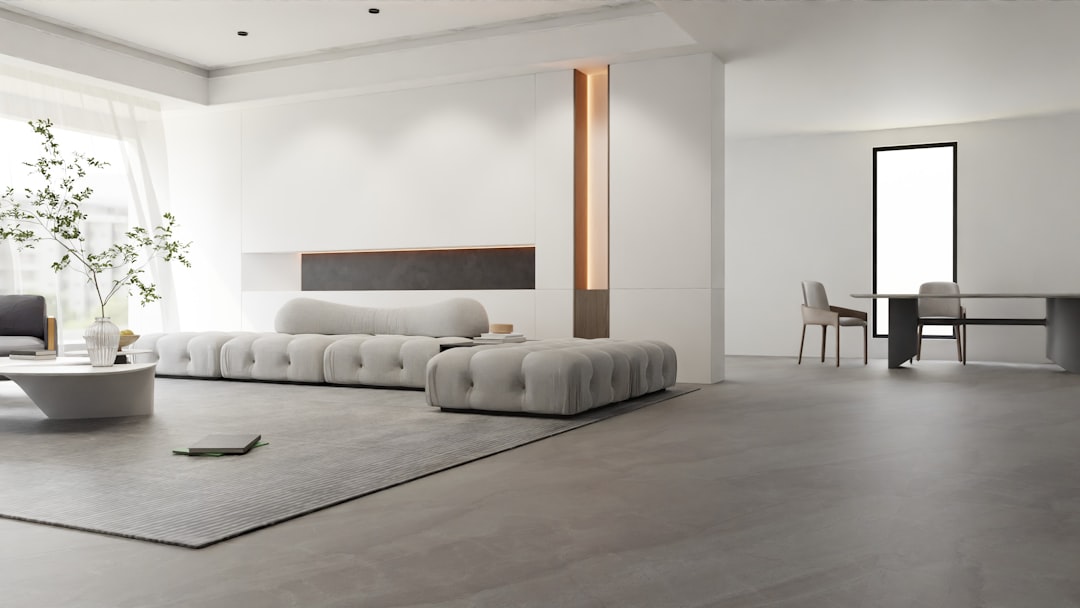
Concrete-look luxury vinyl exists precisely because so many people want the aesthetic and not the behaviour. Large-format vinyl tiles reproduce trowel marks, clouding and stone-grey tonal shifts convincingly — and because the design is manufactured, every tile in the room is consistent, with no lottery on the applicator’s trowel work and no hairline cracks, ever.
The living experience is where the gap widens. Vinyl is warmer underfoot, softer underfoot, and dramatically quieter — rigid-core formats with acoustic backing take the ring out of footsteps that screed amplifies. It is stain-resistant without a sealer, mops clean with neutral detergent, and never needs a resealing cycle. Installation takes days rather than weeks because there is no wet trade and no curing: panels lay over a properly prepared existing floor, often without hacking, and the room is usable the same day. Our guide to concrete-look vinyl flooring shows the formats and grey tones available in Singapore.
Cost-wise, feature screed with proper sealing typically lands between S$20 and S$40 per sqm before hacking and level adjustments, while quality concrete-look vinyl runs roughly S$35 to S$70 per sqm supplied and installed — comparable once you factor screed’s prep work, and cheaper over ten years once resealing is counted. Readers researching poured finishes will also encounter microcement, a thinner polymer-modified system with its own strengths and costs; our microcement vs vinyl comparison covers that option in detail. The full Goodrich flooring range includes concrete, stone and timber visuals across plank and tile formats.
Final Thoughts
Cement screed flooring is a legitimate design choice — for owners who genuinely embrace cracks, patina and a maintenance ritual as part of the material’s character. Go in with that mindset and a skilled applicator, and it can be beautiful. But if what you actually want is the look — seamless grey, raw and architectural — while keeping a floor that is warm, quiet, stain-proof and identical in every corner, concrete-look vinyl is the version of industrial style built for how Singapore homes are really lived in.
See the finish in person before you decide; grey tones shift dramatically under warm and cool lighting.
Book a showroom appointment to compare concrete-look vinyl finishes side by side under different lighting, with our flooring specialists on hand.