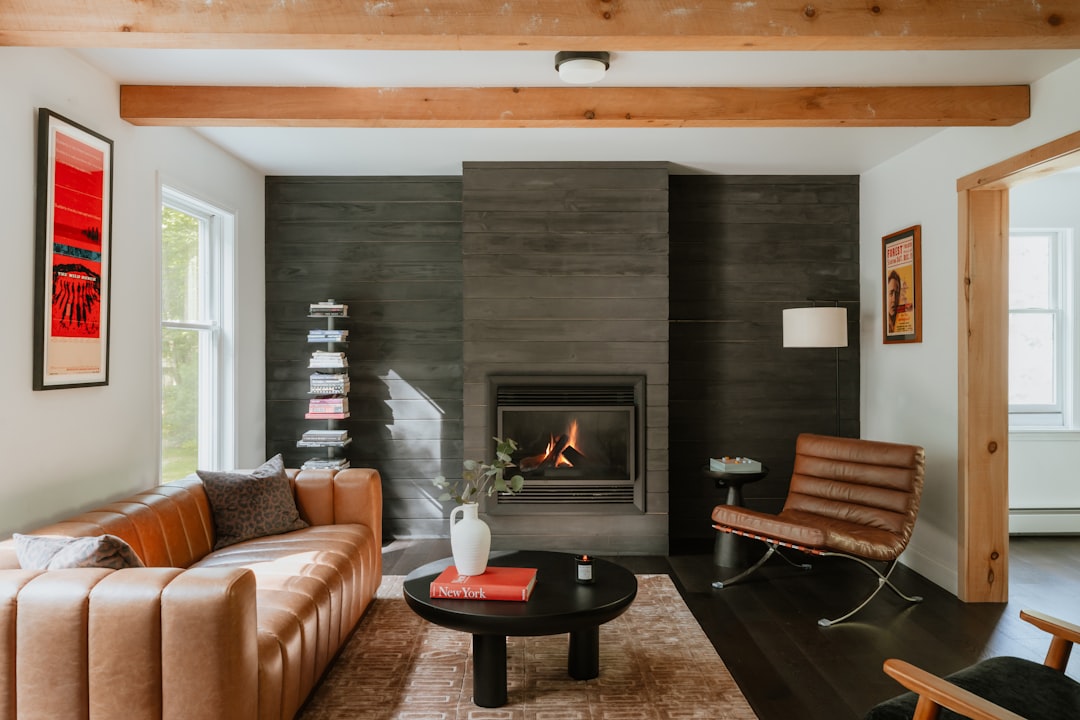
Interior Design
Smart Space Design: 5 Ways to Make a Small Home Look Bigger
Living in a compact home does not mean compromising on comfort, personality or style. With thoughtful use of colour, wallcoverings, flooring, fabrics, carpets and greenery, a small home can feel more spacious, connected and comfortable — without changing its physical dimensions.
Drawing on more than four decades of material expertise, Goodrich Global shares five practical design decisions that can transform the way a compact home looks, feels and functions. A larger-looking home begins with three principles: continuity, proportion and restraint.
1. Connect Your Rooms With One Colour Story
Many homeowners assume that using white throughout the home will automatically make it look bigger. Light colours can help, but colour continuity is often more important than using white everywhere. When adjoining rooms share a connected colour palette, the eye moves smoothly from one area to another. This creates a stronger sense of visual flow and makes the home feel less divided.
A simple way to coordinate the colours is to follow the 60-30-10 principle:
- 60% foundation: Flooring and the main wall colour.
- 30% supporting layers: Curtains, furniture, carpets and rugs.
- 10% accents: Artwork, accessories and greenery.
Select two or three related colours and repeat them across your wallcoverings, flooring, fabrics and carpets. They do not have to match exactly — the aim is to create a relationship between the materials.
Goodrich tip: Decide how you want the home to feel before selecting the colours. Should it feel calm, warm, sophisticated or energising? Once the mood is clear, coordinating the different surfaces becomes easier.
2. Use Wallcoverings to Create Depth
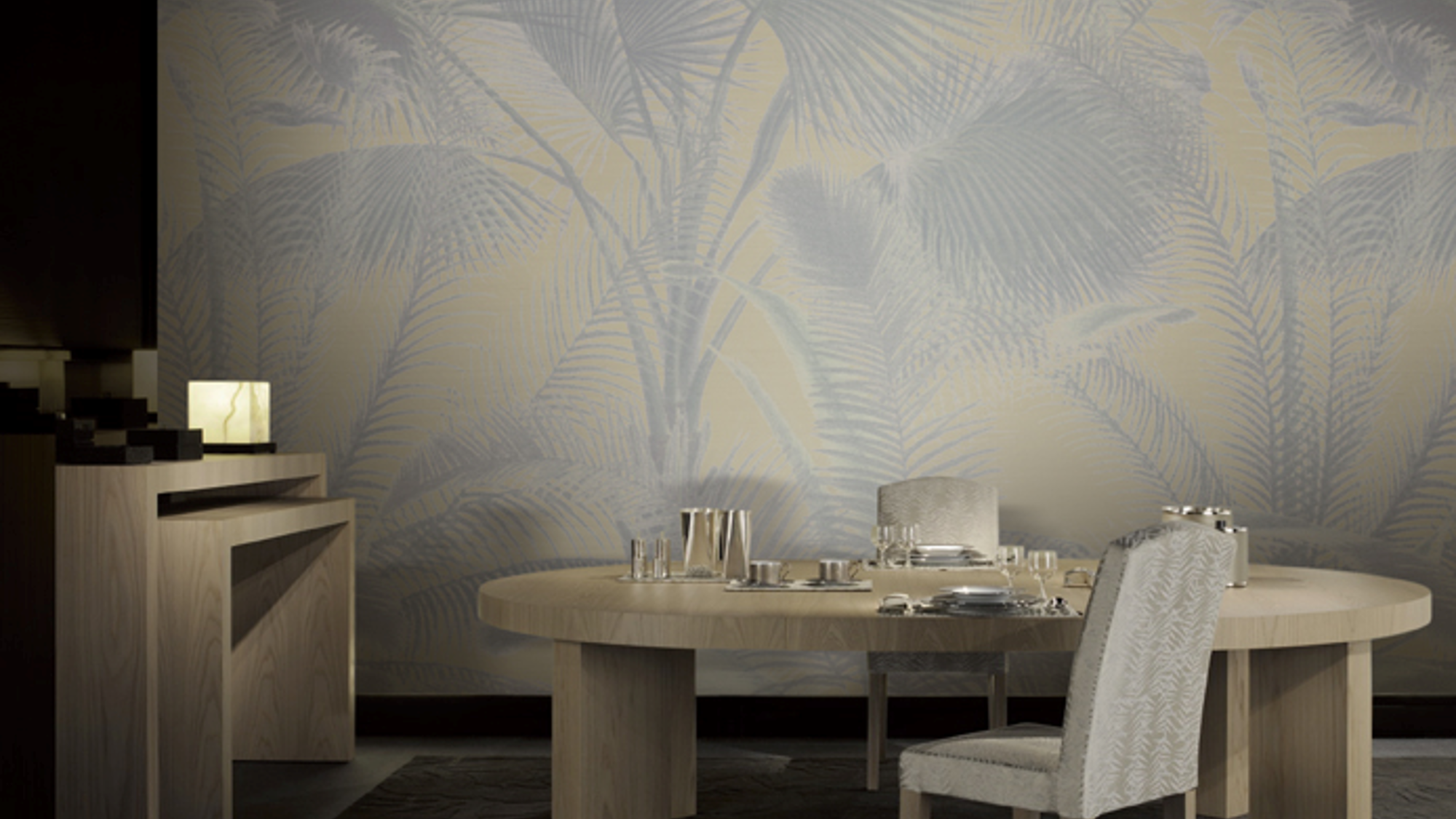
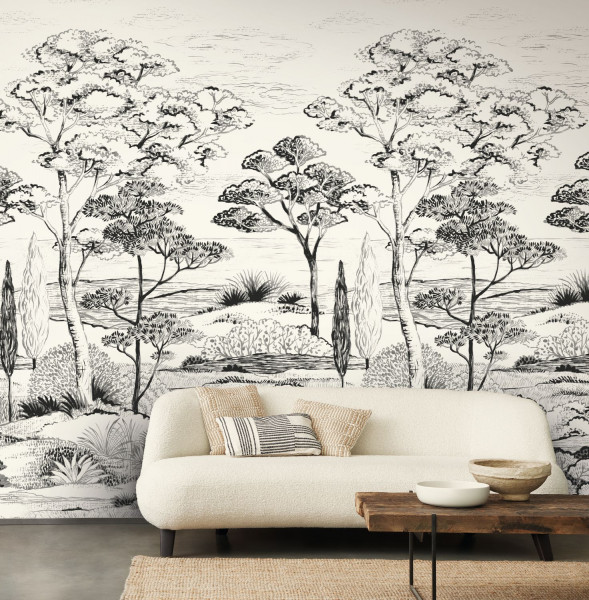
Wallcoverings introduce pattern, texture and visual depth without taking up valuable floor space. This makes them particularly effective for small rooms and compact homes. A scenic or landscape wallcovering can create a sense of distance, while a textured design adds dimension to an otherwise plain surface. A carefully positioned feature wall can also anchor a bed, define a dining area or create a focal point in the living room.
The easiest formula to follow is one hero wall with quieter supporting surfaces. Before confirming the wallcovering, consider how it works with the carpentry, flooring, curtains and major furniture pieces. If the wall pattern is expressive, allow the surrounding materials to remain calmer.
Will Dark Wallpaper Make a Small Room Look Smaller?
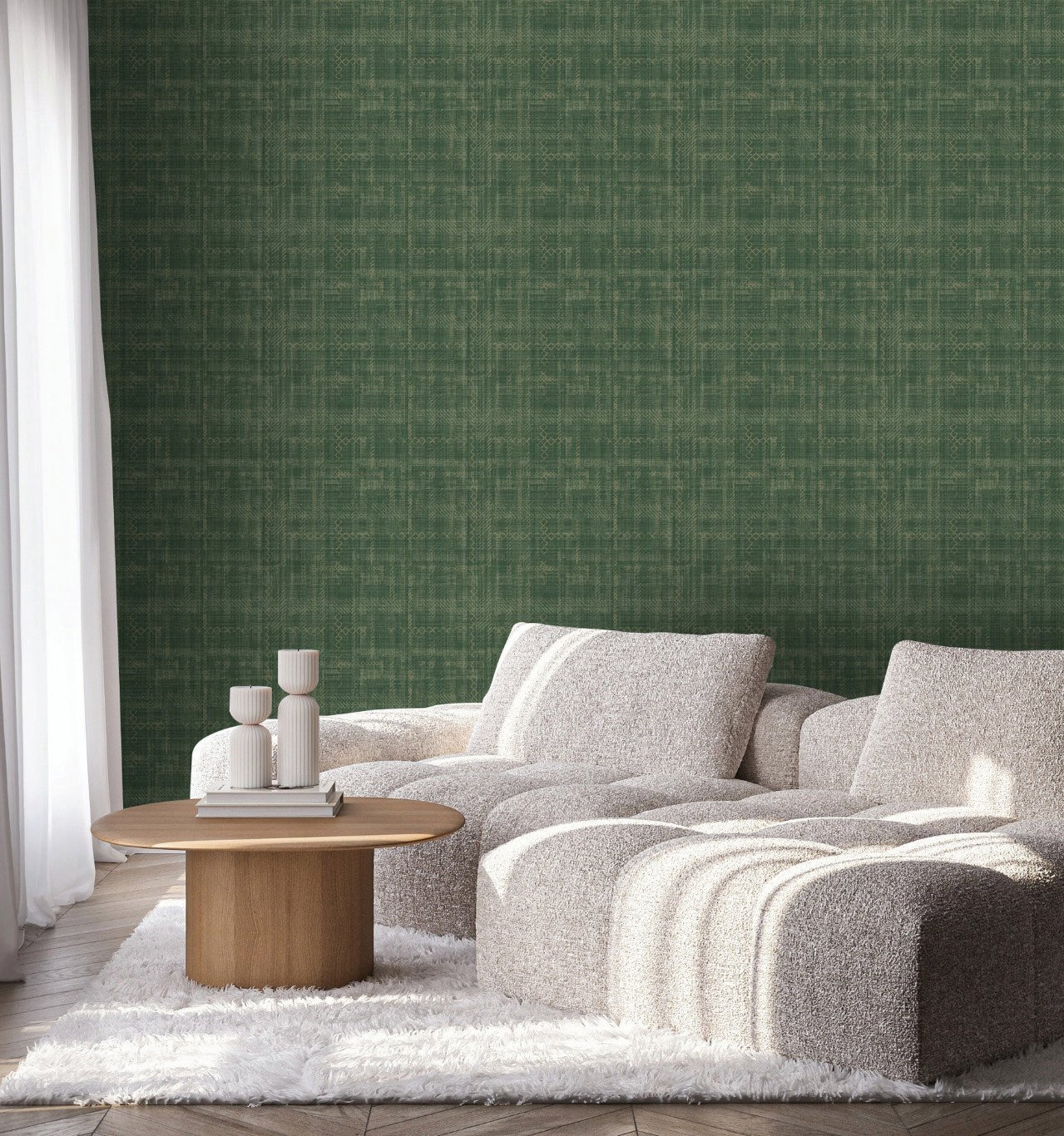
Not necessarily. A dark wallcovering can introduce depth, intimacy and sophistication when balanced with suitable lighting, flooring and furniture. Rather than covering every surface, consider using it on one feature wall. Pair it with lighter or quieter supporting materials to create controlled contrast. It is not darkness alone that makes a room feel small — the overall balance of colour, pattern, light and proportion matters more.
How Many Patterns Can You Use in One Room?
Begin with one hero pattern. If you introduce a second pattern, choose something smaller or more subtle that shares at least one colour with the main design. Too many patterns of equal strength can make a compact space feel visually crowded.
3. Create Visual Flow With Continuous Flooring
The floor is one of the largest uninterrupted surfaces in a home. It plays an important role in connecting rooms and guiding the eye through the interior. Using too many flooring colours or finishes creates visual breaks that divide the home into smaller sections. Continuing one flooring finish across adjoining areas helps the rooms feel more connected.
Vinyl flooring is a practical option for compact homes because it can provide a consistent foundation across living, dining and bedroom spaces. It is also available in a wide selection of wood-inspired colours and finishes. The direction of the flooring planks can influence how the room is perceived — running the planks along the longest line of the space guides the eye forward and can make the room appear longer.
Goodrich tip: Select the flooring early in the design process. As the visual foundation of the home, it should connect naturally with the wallcoverings, carpentry, furniture and fabrics.
4. Use Fabrics to Add Height, Light and Softness
Curtains and upholstery do more than decorate a room. They can influence its proportions, control natural light and soften the overall atmosphere.
- Hang curtains high: Install curtains closer to the ceiling and allow them to extend towards the floor. The longer vertical line can make the ceiling appear higher and the room feel taller.
- Layer the light: Use sheer curtains to soften daylight while maintaining privacy. This also reduces the contrast between bright windows and darker interior surfaces.
- Balance your patterns: If the wallcovering carries a detailed pattern, choose quieter curtains. If the walls are plain, the fabrics can introduce more colour, texture or character.
- Repeat a colour: Select one colour from the wallcovering and repeat it through the cushions, curtains or upholstery. This connects the different materials without making everything look overly matched.
Soft furnishings are also flexible. Curtains, cushions and upholstery can be changed over time as your needs and style preferences evolve.
Should Curtains Match the Wall or the Sofa?
Curtains do not need to match either one exactly. They should instead belong to the same overall colour story. For example, the curtain fabric could repeat a secondary colour found in the wallcovering, sofa, rug or artwork. The objective is coordination, not identical matching.
5. Define Zones With the Correct Carpet or Rug
Open-plan homes often need different areas for living, dining, studying and relaxing. A carpet or rug can define these zones without constructing additional walls or partitions. Where a room needs a light physical separation as well — for a study nook or a work-from-home corner — a freestanding acoustic screen can divide the space and dampen sound without closing it in.
In the living room, a correctly sized rug anchors the seating arrangement and helps the furniture feel connected. A rug that is too small can have the opposite effect, making the individual pieces appear disconnected. As a general guide, the front legs of the sofa and armchairs should sit on the rug. This visually brings the seating area together.
Carpets and rugs can also add warmth and comfort underfoot, soften surrounding sound, define a study or reading corner, introduce texture and colour, and make a bedroom feel more comfortable. Choose a rug that relates to the room’s colour palette while providing sufficient contrast from the flooring to define the area.
Add Greenery Without Creating Clutter
Greenery can soften hard surfaces, balance an empty corner and bring warmth and personality into a compact home. However, adding more plants does not necessarily create a better space. Greenery should respond to what the room needs.
Consider introducing greenery when a wall feels empty, the architecture feels too hard, a corner appears forgotten, the room lacks a focal point, privacy is needed without constructing another wall, or the space feels visually flat. When styling greenery, consider scale, proportion, repetition, contrast and negative space. A plant that is too small may appear lost, while too many plants can make the room feel overcrowded.
Artificial plants can be useful in areas with limited sunlight or for homeowners who prefer a low-maintenance option. They should still complement the room’s materials, colours and overall design style.
Five Common Greenery Mistakes
Avoid:
- Choosing plants that are too small for the space.
- Adding too many plants and creating clutter.
- Selecting greenery that competes with the furniture.
- Blocking circulation, views or focal points.
- Choosing plants and planters that do not relate to the interior palette.
The goal is not to add more plants. The goal is to make the space feel better.
Build a Complete Material Palette
A well-designed compact home is not created by selecting every item separately. It comes from understanding how the different materials work together. Goodrich Global recommends building your interior palette in five layers:
- Hero pattern: Begin with a wallcovering or key visual feature.
- Foundation: Select flooring that connects the home.
- Softness: Add curtains, upholstery and cushions.
- Comfort: Introduce a correctly sized carpet or rug.
- Life: Complete the space with greenery and accessories.
The result should combine one strong pattern, two or three connected colours and supporting textures in different scales.
Five Rules for a Larger-Looking Home
Use this smart space design checklist when planning your compact home:
- Keep connected rooms within one colour family.
- Use one hero pattern with quieter supporting materials.
- Continue the flooring across adjoining rooms.
- Hang curtains high and select the correct rug size.
- Leave breathing space around furniture and greenery.
A compact home needs thoughtful choices — not more things.
Frequently Asked Questions
How can I make a small living room look bigger?
Use a connected colour palette, continuous flooring and ceiling-to-floor curtains. Choose one main feature rather than several competing focal points, and use a correctly sized rug to connect the seating area.
Is wallpaper suitable for a small room?
Yes. Wallcoverings can add depth, texture and character without using floor space. Scenic designs introduce a sense of distance, while subtle textures add dimension to a plain wall.
What flooring makes a small home look bigger?
A continuous flooring finish with fewer colour changes helps adjoining rooms feel connected. The direction of the flooring planks can also guide the eye along the longest part of the room.
Are large or small patterns better for compact homes?
Both can work. A large pattern creates a strong focal point when given sufficient breathing space, while a smaller repeated pattern can be used across a wider area. The key is to balance the pattern with quieter materials.
What rug size is suitable for a small living room?
Choose a rug large enough to connect the main furniture pieces. Ideally, the front legs of the sofa and armchairs should rest on it. A rug that sits alone in the centre of the room can make the furniture appear disconnected.
How can I add greenery without making my home look cluttered?
Choose fewer but better-positioned plants. Consider the scale of the room, surrounding furniture and available circulation space. Leave some empty space so that each plant has room to be appreciated.
The Goodrich Global Perspective
Smart space design is not simply about making a room look bigger. It is about creating a home that feels connected, comfortable and personal. Goodrich Global approaches the home as a complete material palette: wallcoverings that add character and visual depth, flooring that creates continuity and visual flow, fabrics that manage light and complete the palette, carpets and rugs that define zones and soften sound, and acoustic solutions that improve everyday comfort. When these different elements are thoughtfully coordinated, even a compact home can feel spacious, inspiring and distinctly your own.
Bring your floor plan, photographs or samples of your carpentry, flooring, stone and furniture to Goodrich Global, and our team can help you coordinate a complete material palette for your home. Visit the Goodrich Global website or email info@goodrichglobal.com to discover more. Goodrich Gallery Singapore is at 8 Changi South Lane, #01-01, Singapore 486113 (customer hotline +65 6586 8700).