Articles / Commercial Interiors / Healthcare Interiors / Wallpaper & Wallcovering
Antimicrobial Restaurant Wall Coverings: Hygienic, Durable & Easy-Maintenance Solutions for Commercial F&B Spaces

Introduction: Why Restaurant Walls Are an Operational Surface
In restaurants, walls are far more than background elements. They are constantly exposed to heat, moisture, food particles, and frequent human contact, especially in high-turnover dining environments. Unlike many other interior surfaces, restaurant walls sit at the intersection of visibility and vulnerability, making their performance critical to daily operations.
Guests increasingly judge cleanliness not only by what they are served, but by what they see around them. Marks, stains, or surface degradation on walls can undermine confidence in hygiene, even when food handling standards are high. For operators, this creates a direct link between wall performance and brand trust.
Within this context, antimicrobial restaurant wall covering, especially one with easy maintenance, becomes a functional requirement rather than a design upgrade. Choosing wall coverings that actively support hygiene and simplify cleaning allows restaurants to maintain visual cleanliness, reduce operational strain, and uphold customer expectations without compromising on atmosphere or identity.
Restaurants as High-Risk Hygiene Environments
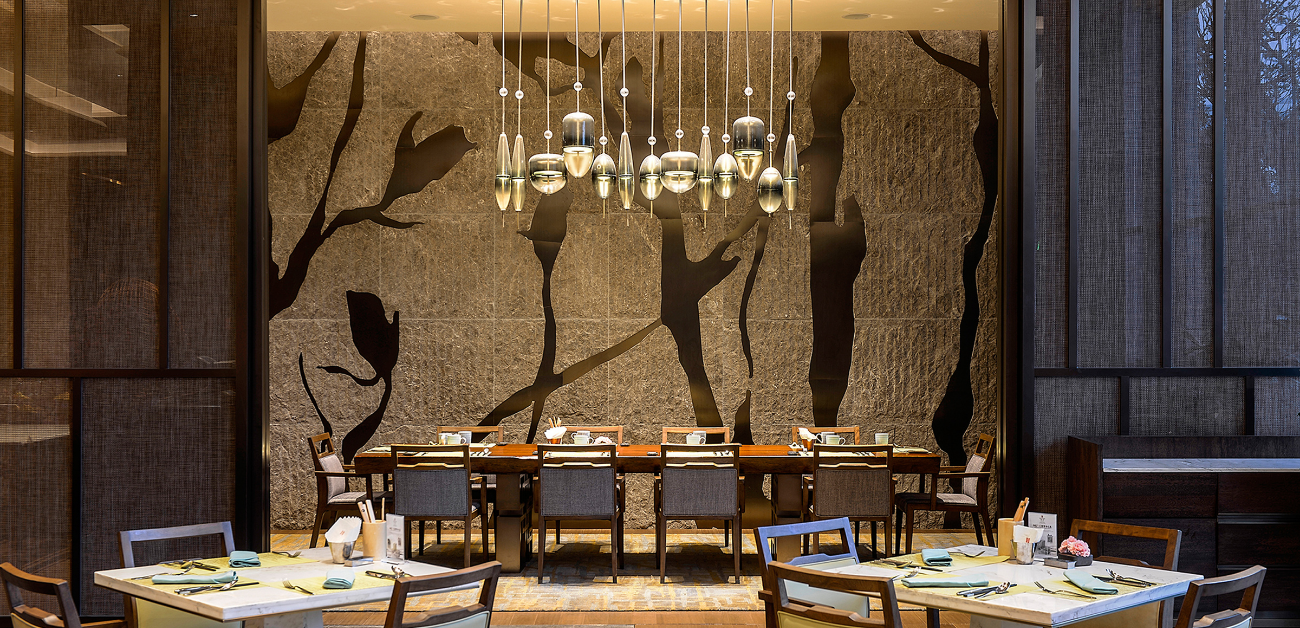
Restaurant interiors operate under constant hygienic pressure. Food preparation generates grease, moisture, and airborne particles that can settle on surrounding surfaces. Spills and splashes are inevitable, and high levels of humidity from cooking and dishwashing accelerate wear and contamination. Combined with continuous human contact from staff and guests, these conditions place unique demands on interior materials.
Open kitchens and exposed service paths intensify this risk. Walls near preparation areas, pass-throughs, and circulation routes experience frequent contact and cleaning, often multiple times a day. High dining turnover further increases surface exposure, as more people interact with the environment within shorter timeframes.
Walls face different risks than floors or furniture because they are both highly visible and less frequently replaced. Floors are expected to endure heavy wear, and furniture can be swapped out. Wall coverings must perform consistently over time. This is why antimicrobial restaurant wall covering is essential for maintaining hygiene standards without constant disruption.
What ‘Antimicrobial’ Actually Means in wall coverings
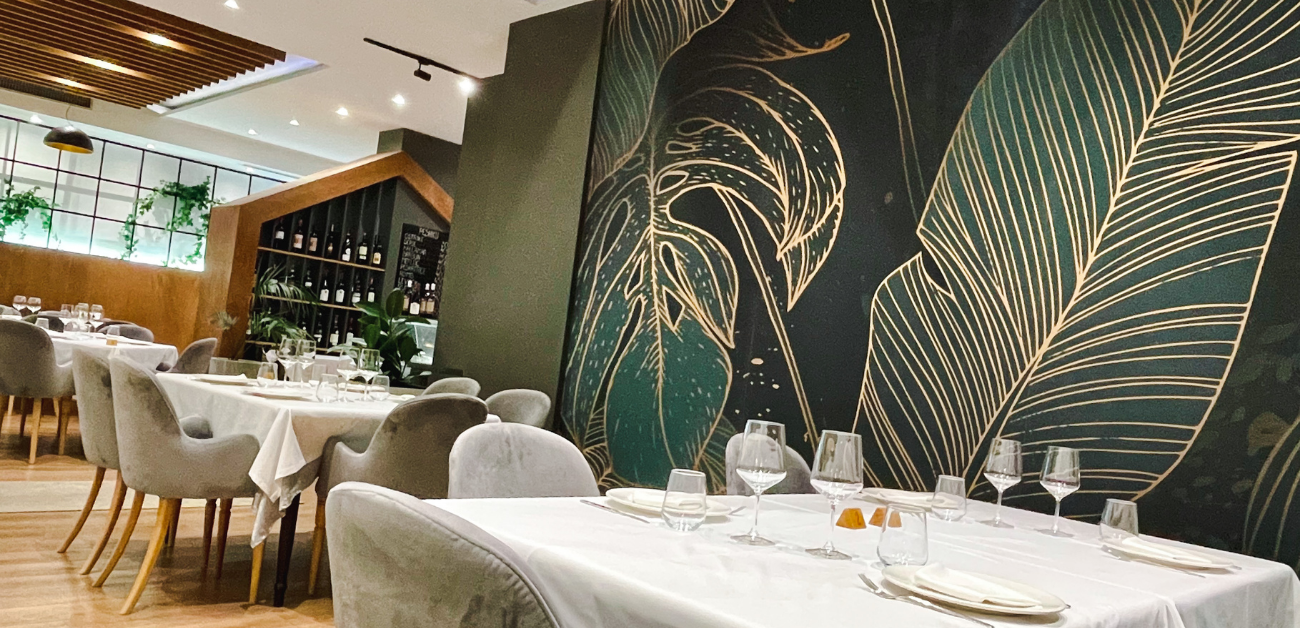
The term ‘antimicrobial’ is often used broadly, but not all wall coverings achieve protection in the same way. Some products rely on surface coatings that inhibit microbial growth only at the top layer. While these can be effective initially, their performance may diminish over time as surfaces are cleaned, abraded, or damaged.
Material-level treatments work differently. In these cases, antimicrobial properties are integrated into the wall covering itself rather than applied as a finish. This approach offers more consistent protection because the active properties remain present even as the surface ages. Understanding this distinction is critical when evaluating long-term suitability.
There is also a difference between active and passive antimicrobial approaches. Active systems disrupt microbial growth continuously, while passive systems reduce conditions that allow microbes to thrive. For antimicrobial restaurant wall covering, performance expectations should include durability under frequent cleaning, consistent antimicrobial effectiveness, and the ability to maintain hygiene without requiring specialised maintenance routines.
Easy Maintenance Is a Business Requirement, Not a Convenience
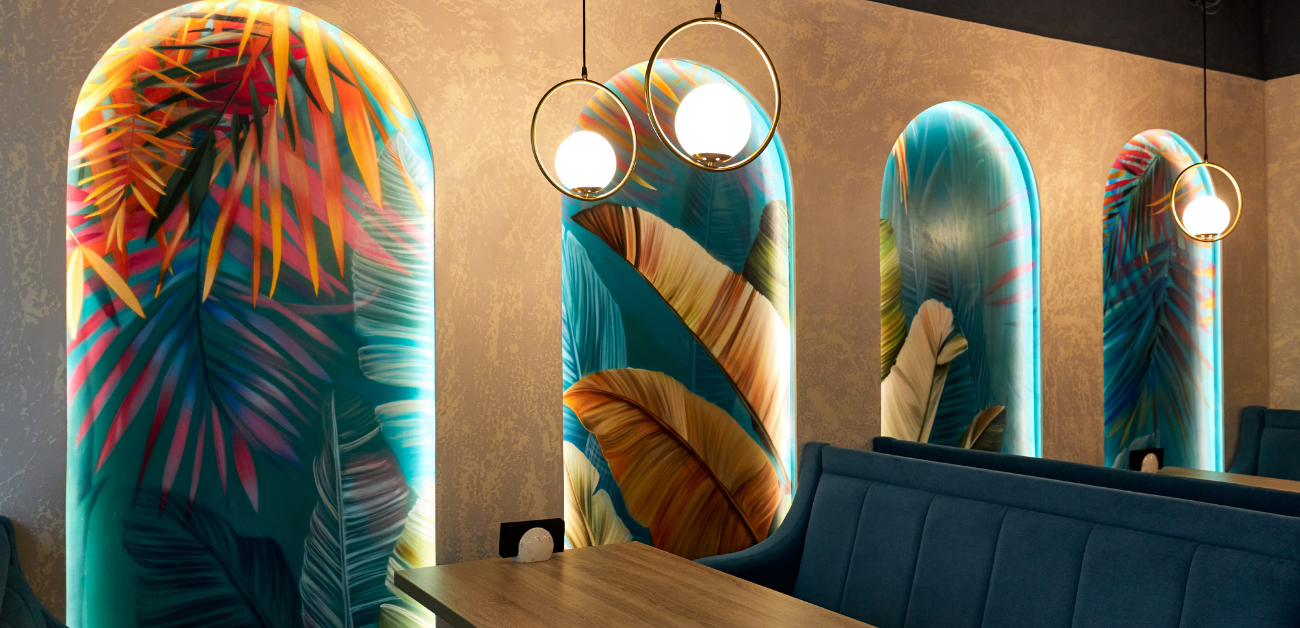
In restaurant operations, time is a critical resource. Cleaning routines are often performed between service periods or during limited off-hours, leaving little room for materials that require special care. Wall surfaces must withstand frequent wiping, disinfecting, and spot cleaning without degrading or absorbing stains. When maintenance becomes time-consuming, it directly affects labour efficiency and consistency.
Stain resistance, wipeability, and surface durability are therefore essential attributes. wall coverings that trap grease, show water marks, or degrade under cleaning chemicals quickly become liabilities. Over time, these issues increase the frequency of deep cleaning or premature replacement, placing additional strain on staff and budgets.
Poor wall covering choices also carry hidden costs. Downtime for repairs or replacement disrupts service and may require partial closures. Selecting antimicrobial restaurant wall covering reduces these risks by supporting faster cleaning, maintaining appearance under daily use, and protecting operational continuity in demanding restaurant environments.
Visual Cleanliness and Customer Perception
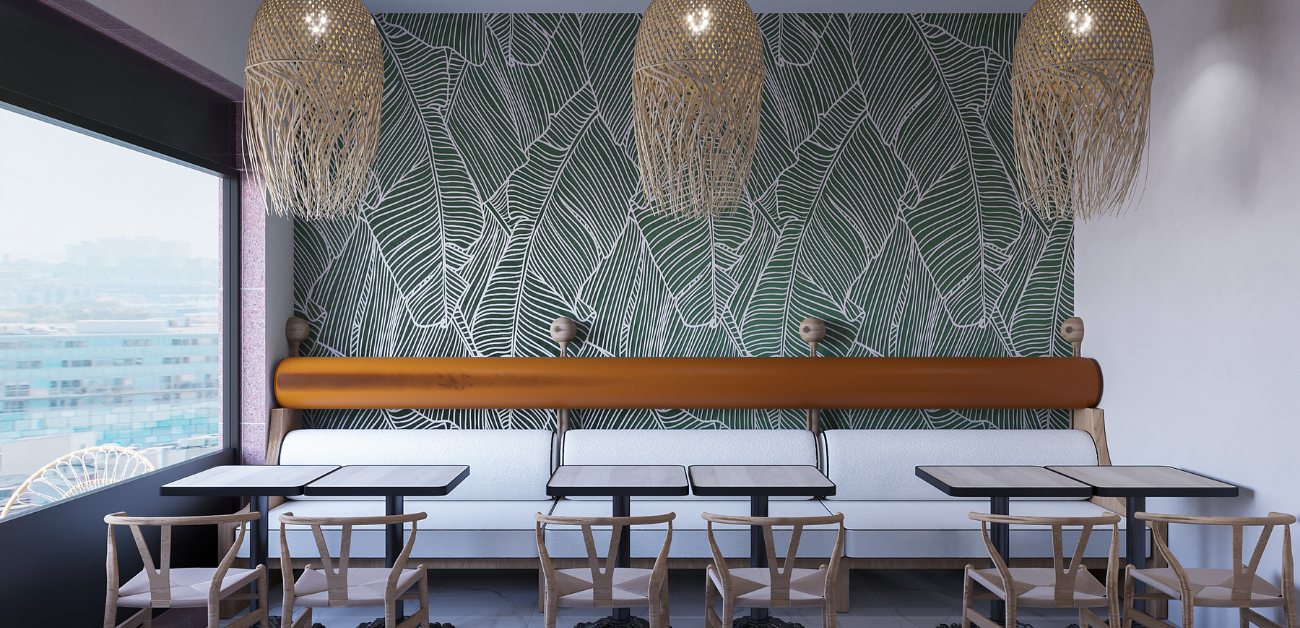
In restaurants, perceptions of hygiene are formed visually long before food is tasted. Guests subconsciously scan their surroundings for cues that signal cleanliness and care. Walls with visible stains, discoloration, or surface wear can raise doubts, even if hygiene practices behind the scenes are rigorous. Visual cues play a powerful role in shaping trust.
Walls are a direct extension of brand identity. A well-maintained interior communicates professionalism, attention to detail, and respect for guests. Conversely, surfaces that appear neglected or difficult to clean can undermine a restaurant’s positioning and weaken confidence in the overall experience.
This is why antimicrobial restaurant wall covering supports confidence as much as cleanliness. When walls remain visually consistent and easy to maintain, they reinforce the perception of a hygienic environment. Clean-looking surfaces help reassure guests that hygiene is taken seriously at every level of the operation.
Design Without Compromise: Aesthetics That Survive Use
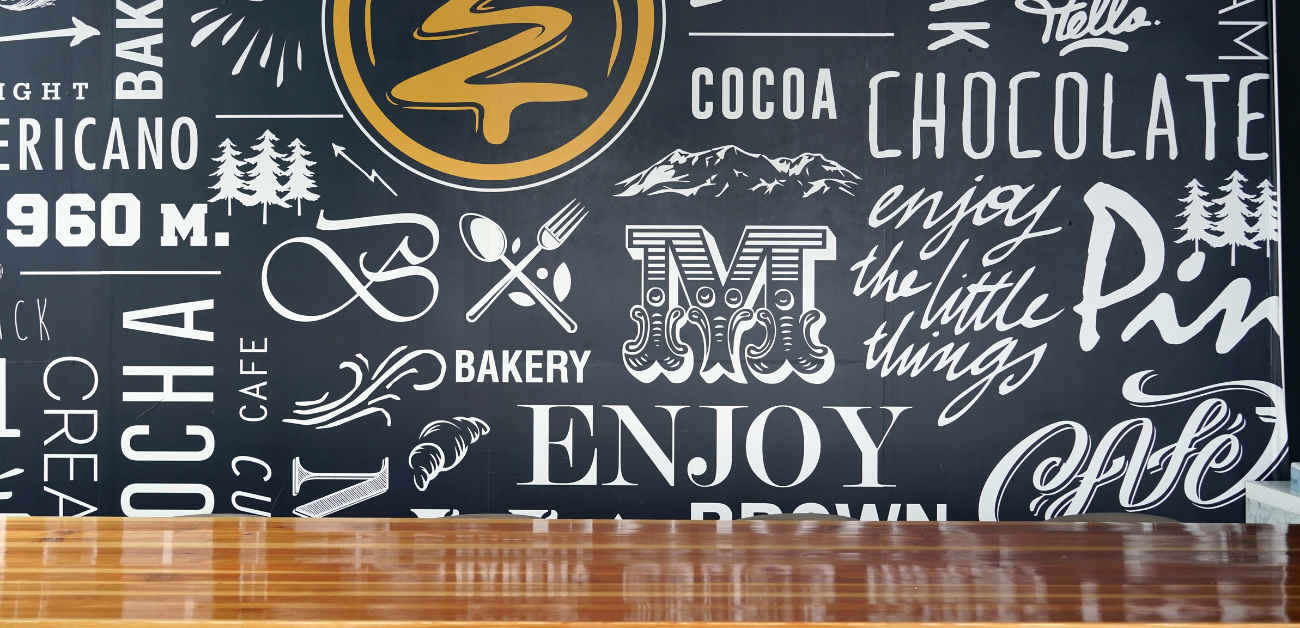
Restaurants should not have to choose between visual appeal and practical performance. The challenge lies in balancing texture and pattern with surfaces that can be cleaned repeatedly without damage. Heavily embossed finishes or porous materials may look compelling initially, but they often trap grease and show wear quickly under daily use. Thoughtful design prioritises surfaces that retain character while remaining easy to maintain.
Materials that age poorly create long-term problems. Fading, peeling, or surface breakdown not only detract from appearance but also increase maintenance demands and replacement frequency. These issues become especially visible in high-traffic dining environments where walls are constantly exposed.
Designing walls that stay presentable requires anticipating real conditions, not ideal ones. With antimicrobial restaurant wall covering, designers can specify finishes that support both hygiene and visual integrity. The result is an interior that holds its aesthetic value over time while meeting the operational realities of restaurant use.
Where Antimicrobial, Easy-Maintenance wall coverings Matter Most
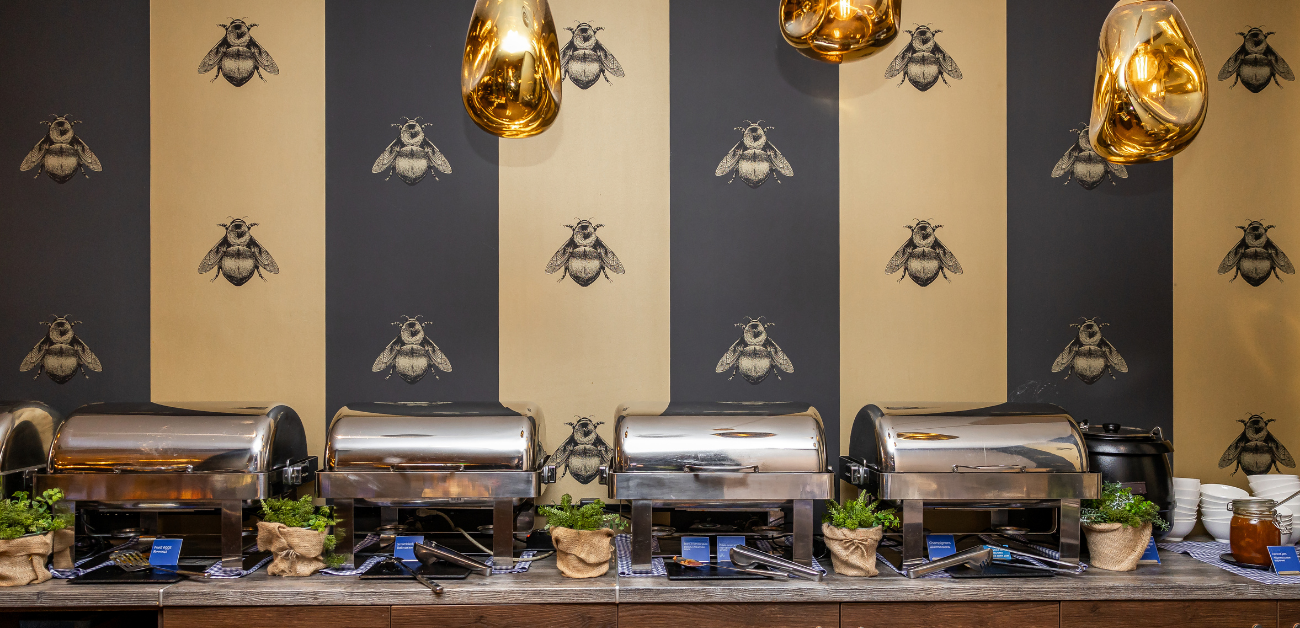
Not every wall in a restaurant faces the same level of exposure. Dining areas, service zones, restrooms, and back-of-house spaces each present different hygiene and maintenance challenges. Walls near food preparation, service counters, and circulation paths are more likely to encounter spills, contact, and frequent cleaning, making performance a priority in these areas.
High-touch and high-visibility zones demand particular attention. Surfaces that guests see up close or staff interact with repeatedly must remain clean and intact to support both hygiene and brand perception. In contrast, lower-risk areas may not require the same level of specification.
This is why strategic placement is more effective than blanket use. Applying antimicrobial restaurant wall covering where it matters most allows operators to maximise impact, control costs, and maintain consistent standards without overengineering the entire space.
Longevity, Replacement Cycles, and Operational Value
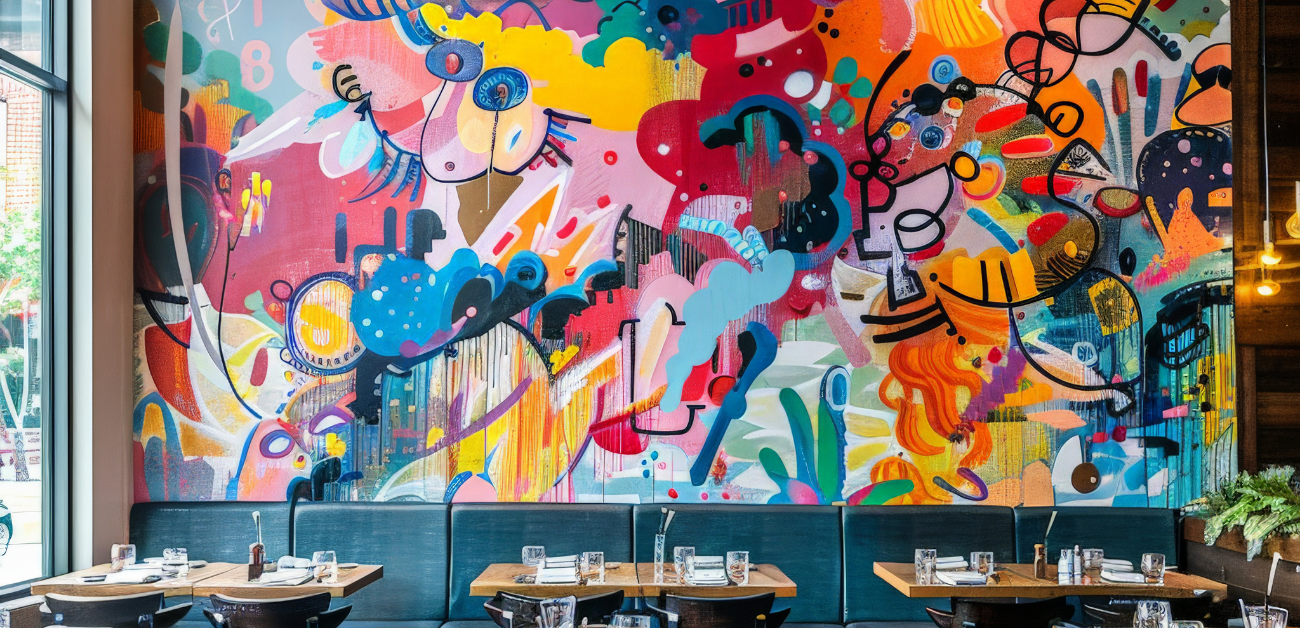
Restaurant interiors are subjected to constant use, and wall surfaces must perform reliably over extended periods. Over time, repeated cleaning, moisture exposure, and daily contact can degrade materials that were not designed for demanding environments. As finishes deteriorate, visual quality declines and maintenance demands increase.
Replacement cycles are not just a design concern but an operational one. Replacing wall coverings often requires partial closures, disruption to service, and additional labour. These interruptions carry costs that extend beyond materials, affecting revenue and customer experience.
Investing in an easy maintenance antimicrobial restaurant wall covering supports long-term operational value. Durable surfaces reduce the frequency of replacement, maintain appearance under continuous use, and simplify upkeep. When wall coverings are specified with longevity in mind, they contribute to smoother operations and more predictable maintenance planning over the life of the restaurant.
Conclusion: wall coverings as Part of Restaurant Infrastructure

Restaurant wall coverings should be viewed as part of the operational infrastructure rather than decorative finishes. Their role in hygiene, maintenance efficiency, and visual consistency directly affects daily performance and customer perception. Walls that are easy to clean and resist microbial growth support both safety and confidence in the dining environment.
The value of antimicrobial restaurant wall covering lies in its ability to meet real-world demands without sacrificing design intent. By balancing aesthetics with durability and hygiene, operators can maintain inviting interiors that perform reliably over time.
Within this context, Goodrich Global approaches restaurant wall solutions with a focus on performance-driven materials and thoughtful design integration. Its emphasis on durability, hygiene, and visual integrity reflects an understanding that in restaurants, walls are not passive backdrops, but essential contributors to operational success and brand trust.