Articles / Fabric & Upholstery / Healthcare Interiors
Antimicrobial Upholstery Fabric for Healthcare and Clinics
Introduction: Why Upholstery Matters in Healthcare Infection Control
In healthcare environments, infection control extends beyond clinical procedures to include the materials used throughout patient and staff areas. High-touch surfaces such as seating, examination furniture, and waiting room chairs are in constant contact with patients, visitors, and healthcare workers. These surfaces can quietly contribute to infection risk if they are difficult to clean or retain moisture and contaminants.
Upholstery is often a hidden hygiene challenge. Unlike hard surfaces, fabric-covered furniture can trap fluids, microorganisms, and cleaning residues over time. In busy healthcare settings, frequent use combined with limited downtime makes thorough cleaning more difficult, increasing the risk of cross-contamination if materials are not designed for clinical use.
This is why antimicrobial upholstery fabric is increasingly specified as a functional requirement rather than a design preference. By helping inhibit microbial growth and supporting effective cleaning, antimicrobial upholstery fabric healthcare plays an important role in maintaining safer, more hygienic healthcare environments.
What Is Antimicrobial Upholstery Fabric in Healthcare
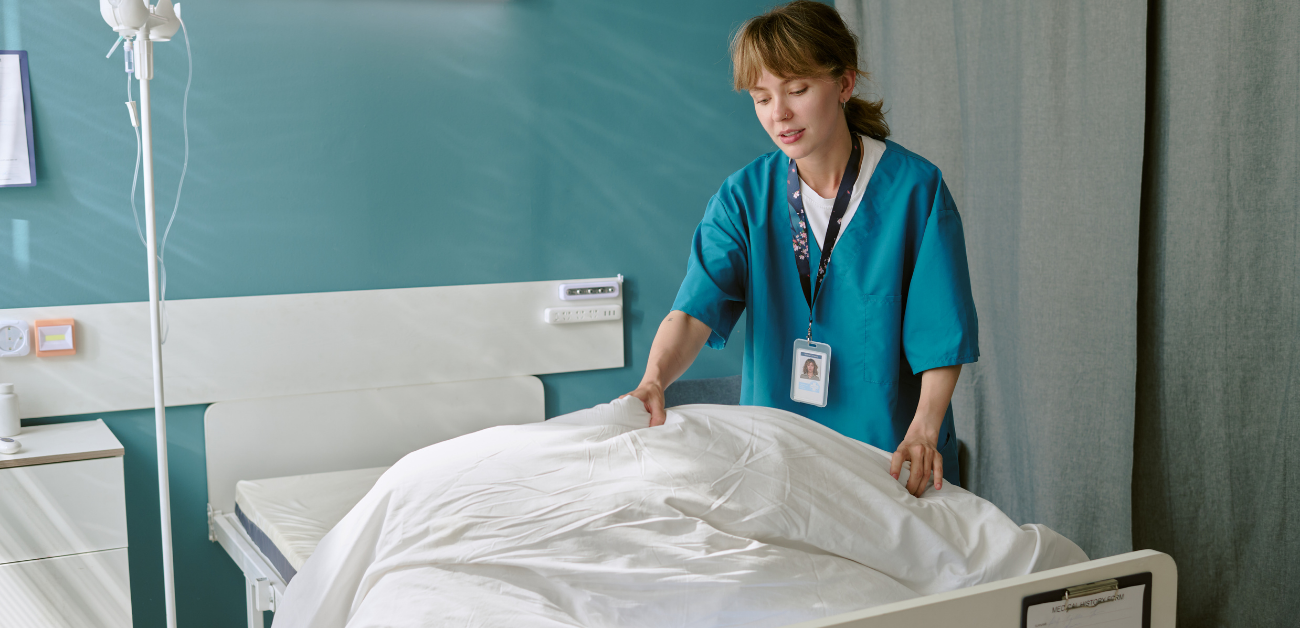
Antimicrobial upholstery fabric in healthcare refers to upholstery materials specifically designed to inhibit the growth of microorganisms on their surface in clinical environments. The primary purpose of these fabrics is to reduce the risk of contamination on high-touch furniture while supporting routine cleaning and disinfection protocols. They are engineered for use in settings where hygiene, durability, and patient safety are critical.
The key difference between antimicrobial-treated upholstery and standard upholstery lies in material performance. Standard fabrics focus mainly on comfort and appearance, while antimicrobial upholstery fabric healthcare incorporates treatments or material technologies that actively limit microbial growth. These treatments are intended to remain effective over time and under repeated cleaning, rather than providing short-term protection.
Upholstery plays a direct role in infection control strategies because seating and padded surfaces are frequently used by multiple individuals throughout the day. When upholstery is difficult to clean or retains moisture, it can become a reservoir for contaminants. Antimicrobial upholstery fabric healthcare helps address this risk by supporting cleaner surfaces and contributing to overall infection prevention efforts within healthcare facilities.
How Upholstered Surfaces Contribute to Infection Risk
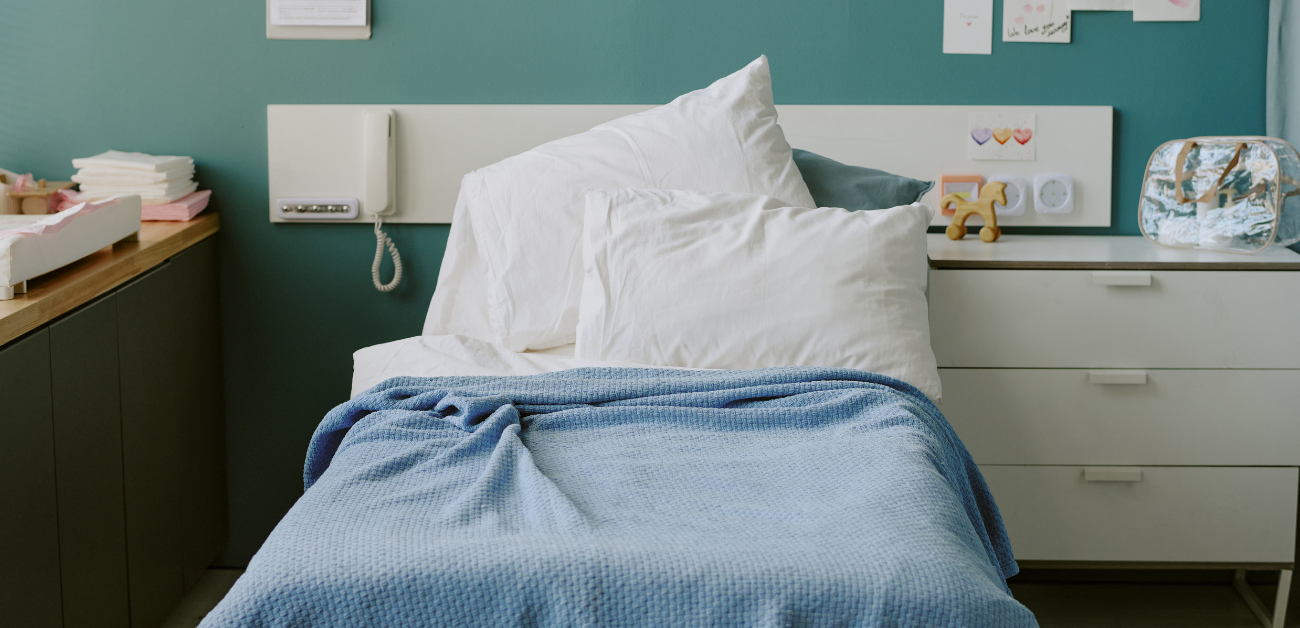
Upholstered surfaces in healthcare facilities are in constant use by patients, visitors, and staff, making them a potential source of contamination. Chairs in waiting areas, examination rooms, and staff stations are touched frequently and often used by multiple individuals throughout the day. Without appropriate materials, these surfaces can harbour microorganisms between cleaning cycles.
Moisture and spills further increase infection risk. Bodily fluids, cleaning solutions, and everyday spills can penetrate standard upholstery fabrics, creating conditions where bacteria can persist beneath the surface. Because upholstery is softer and more absorbent than hard finishes, moisture can remain trapped, making thorough disinfection more difficult.
Conventional fabrics often fall short in healthcare environments because they are not designed to withstand repeated chemical cleaning or resist fluid absorption. Over time, frequent disinfection can degrade fabric surfaces, reducing cleanability and durability. This is why the use of antimicrobial upholstery fabric is increasingly specified. By limiting microbial growth and improving resistance to moisture and cleaning agents, antimicrobial upholstery fabric helps reduce infection risk in high-use clinical settings.
Key Features of Antimicrobial Upholstery Fabric in Healthcare
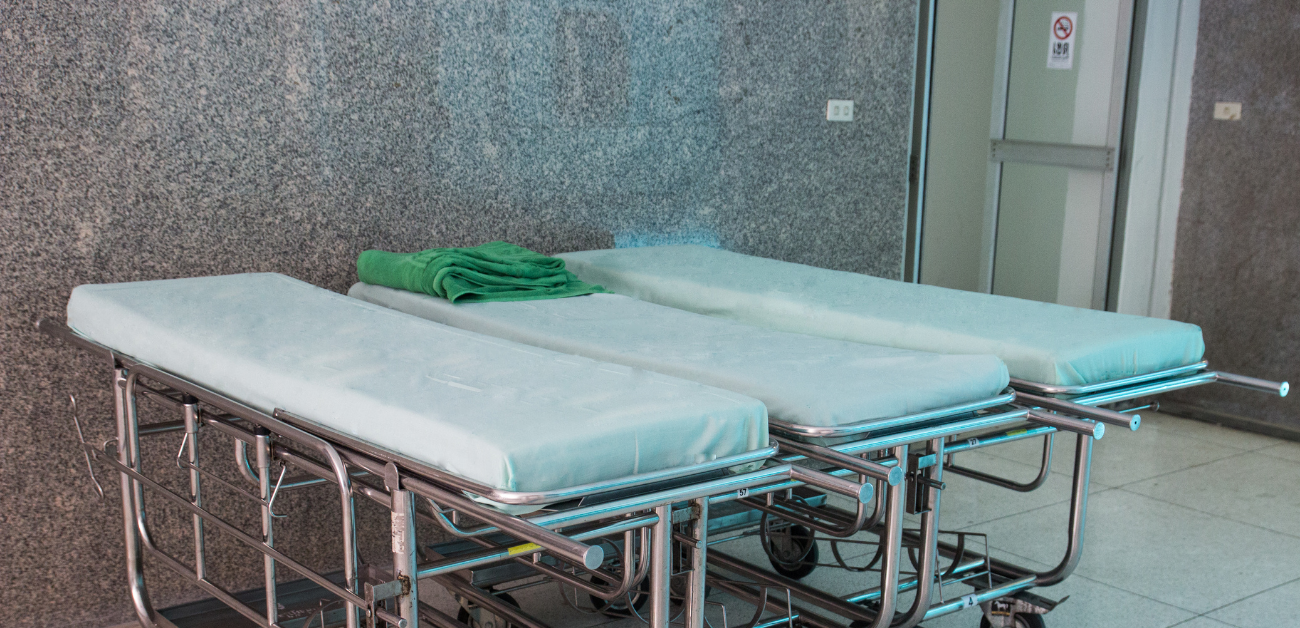
Antimicrobial upholstery fabric is defined by a set of performance features that address hygiene, durability, and clinical use requirements. One of the most important features is the antimicrobial technology itself. These fabrics use embedded treatments or integrated material technologies that inhibit the growth of bacteria and microorganisms on the surface. Unlike topical coatings that wear off quickly, healthcare-grade antimicrobial solutions are designed to remain effective throughout the fabric’s service life.
Fabric construction is another critical factor. Many antimicrobial upholstery fabric in healthcare products use non-porous or specially coated constructions that limit fluid absorption. This prevents spills and contaminants from penetrating into cushioning layers, where cleaning becomes difficult. By keeping contaminants on the surface, these fabrics support more effective disinfection.
Resistance to fluids, stains, and bacteria further distinguishes healthcare upholstery from standard fabrics. These materials are engineered to withstand frequent exposure to disinfectants, body fluids, and cleaning agents without degrading or losing performance. Together, these features ensure that antimicrobial upholstery fabric healthcare supports infection control goals while maintaining durability, comfort, and long-term usability in demanding healthcare environments.
Where Antimicrobial Upholstery Fabrics Are Most Critical
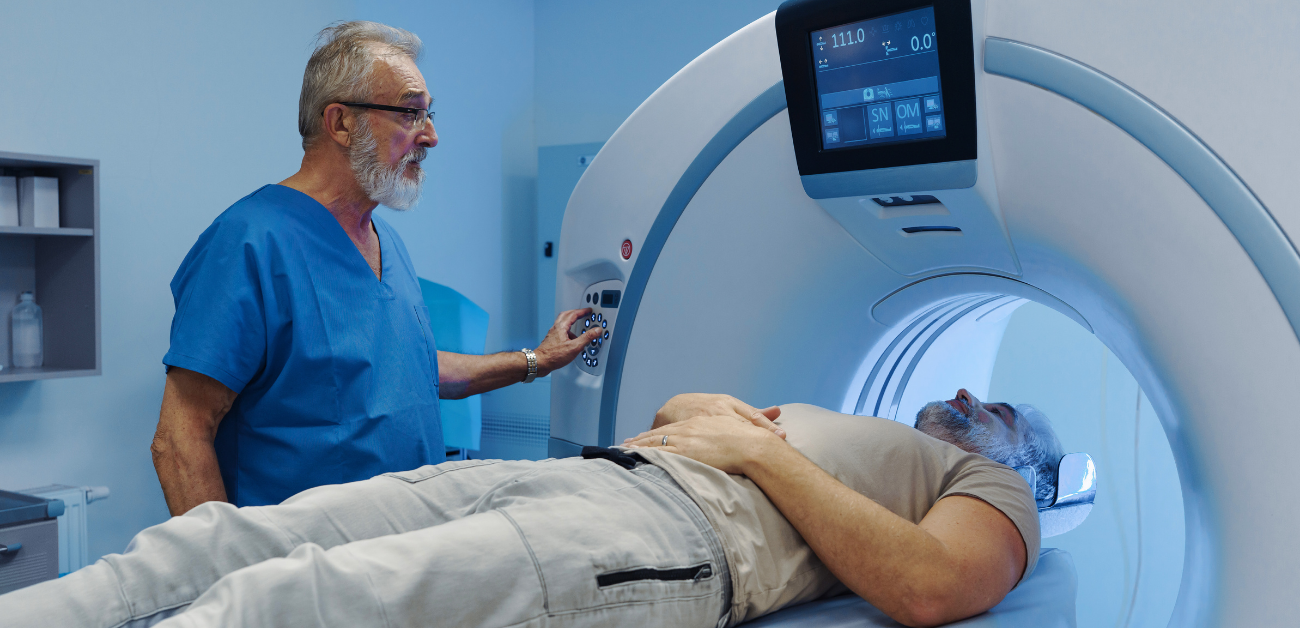
Antimicrobial upholstery fabric applications are most critical in areas where seating and padded surfaces are used by multiple people throughout the day. Patient rooms and waiting areas are high-priority zones because furniture is shared continuously by patients and visitors with varying health conditions. In these spaces, upholstery must support hygiene without compromising comfort or durability.
Examination rooms and treatment spaces also require careful material selection. Chairs, stools, and examination furniture are frequently exposed to close patient contact and regular cleaning. Upholstery in these areas must withstand repeated disinfection while limiting microbial buildup between cleaning cycles. Antimicrobial upholstery fabric healthcare solutions help reduce contamination risk while supporting clinical workflows.
Nurse stations and shared staff seating are often overlooked but equally important. These areas experience long hours of use and frequent contact, increasing the likelihood of surface contamination. By specifying antimicrobial upholstery fabric healthcare facilities in these locations, healthcare facilities support cleaner shared environments, reduce cross-contamination risk, and maintain consistent hygiene standards across both patient-facing and staff-only areas.
Cleaning, Disinfection, and Maintenance Performance
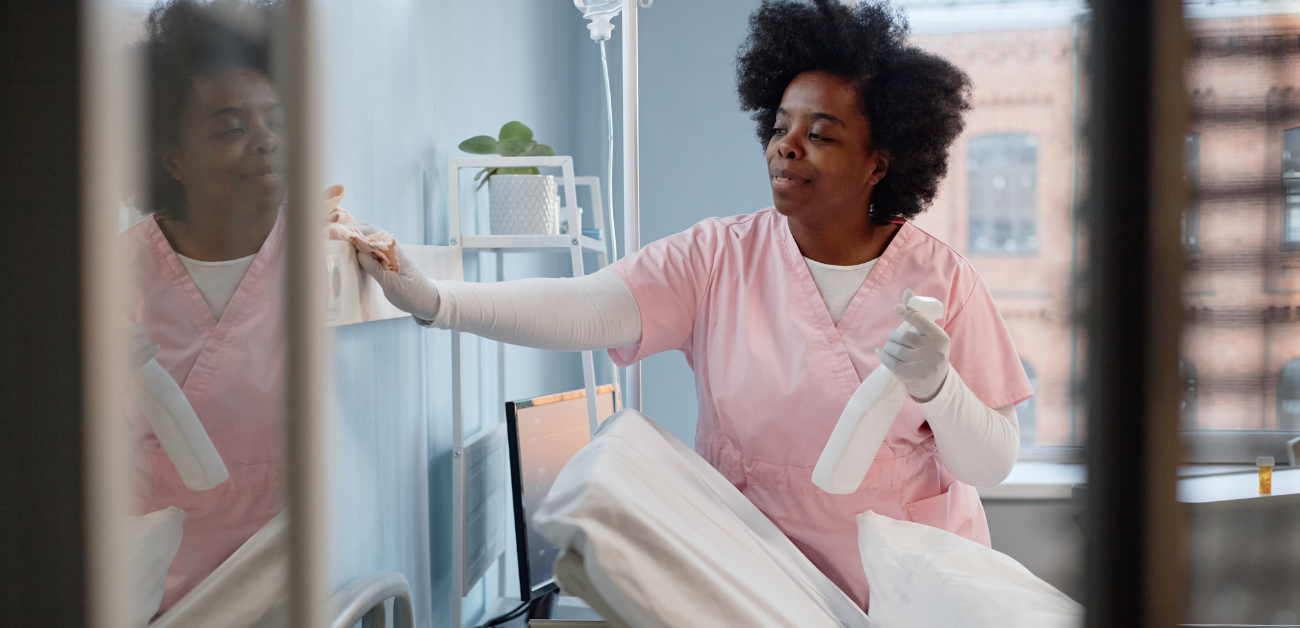
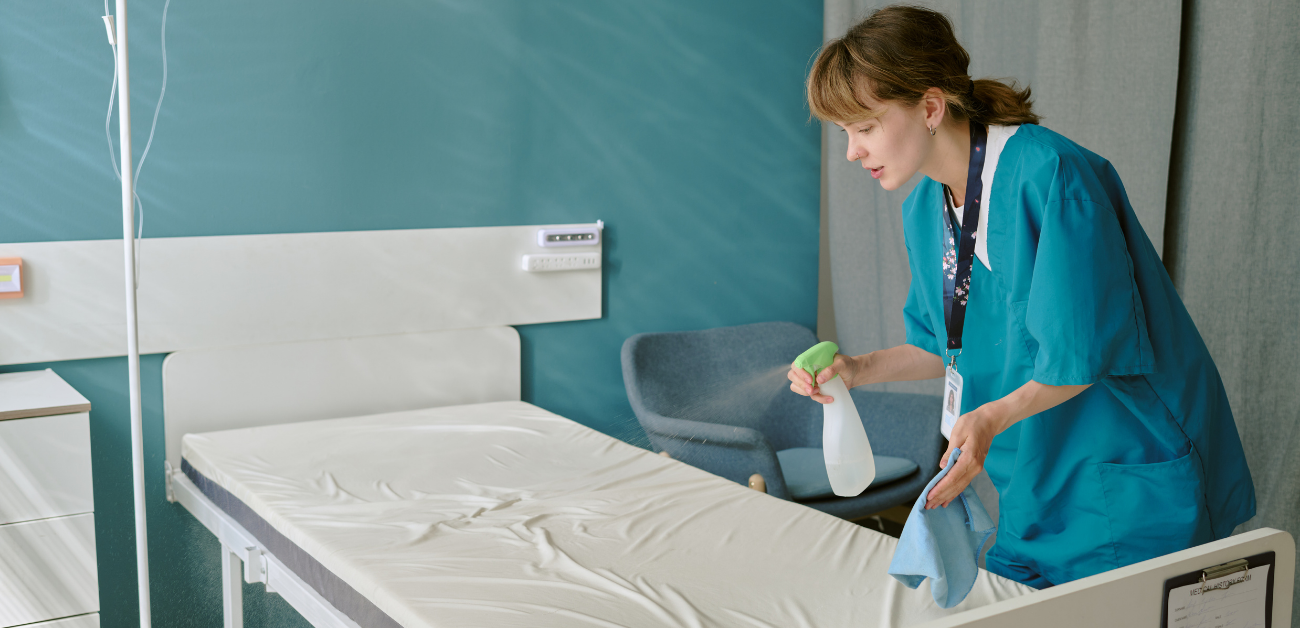
Effective infection control depends on how well materials perform under daily cleaning routines. Antimicrobial upholstery fabrics are designed to be compatible with healthcare cleaning protocols, including frequent wipe-downs using approved disinfectants. These fabrics allow surfaces to be cleaned thoroughly without absorbing moisture or retaining residues that could compromise hygiene.
Resistance to repeated chemical disinfection is also a critical requirement. Healthcare environments rely on strong cleaning agents to control pathogens, and upholstery must tolerate continuous exposure without cracking, stiffening, or losing surface integrity. Antimicrobial upholstery fabric healthcare products are engineered to maintain performance under these conditions, ensuring that disinfection remains effective over time.
Long-term hygiene performance is closely tied to fabric durability. Upholstery that degrades quickly becomes harder to clean and may harbour contaminants beneath the surface. By maintaining structural integrity and antimicrobial effectiveness throughout its service life, antimicrobial upholstery fabric healthcare supports consistent hygiene standards, reduces maintenance intervention, and helps healthcare facilities manage infection risk with predictable upkeep.
Compliance, Standards, and Healthcare Regulations
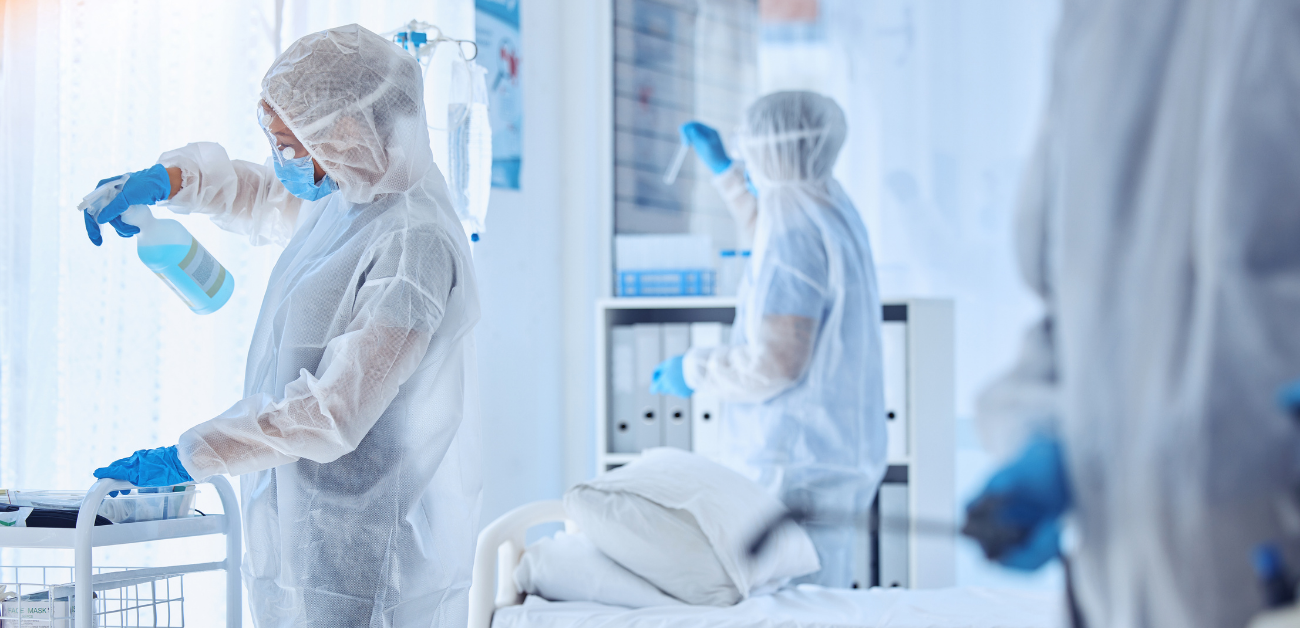
Material compliance is a critical consideration when specifying antimicrobial upholstery fabric healthcare for medical environments. Healthcare facilities operate under infection control guidelines that emphasise cleanability, resistance to contamination, and material performance under frequent cleaning. Upholstery fabrics must support these requirements without compromising patient or staff safety.
Fire safety and durability standards are equally important. Upholstered furniture in healthcare settings must meet fire performance regulations while maintaining structural integrity through continuous use and cleaning. Fabrics that degrade or fail under these conditions can create safety risks and lead to early replacement, increasing operational costs.
Documentation and product validation play a central role in approval and specification processes. Healthcare providers often require test reports, compliance certificates, and material data sheets to verify that upholstery fabrics meet regulatory and operational standards. Selecting antimicrobial upholstery fabric healthcare with clear documentation helps streamline approvals, reduce compliance risk, and ensure materials perform reliably throughout their intended service life.
Lifecycle Value and Operational Benefits for Healthcare Facilities
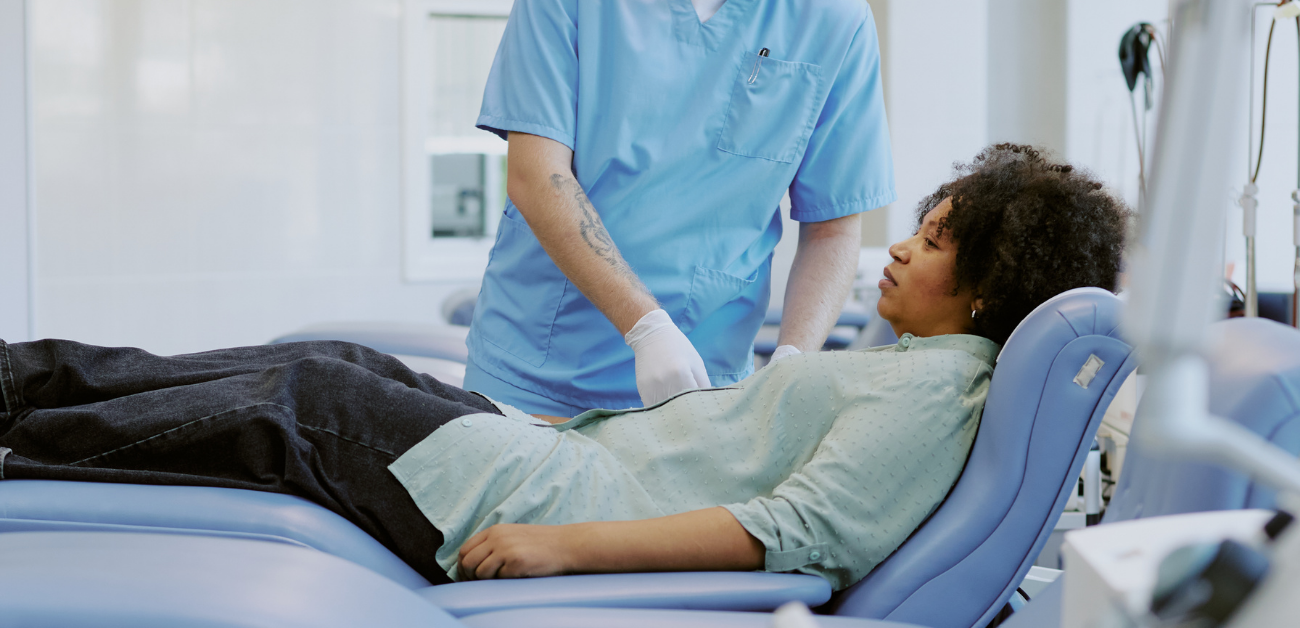
Antimicrobial upholstery fabric delivers measurable lifecycle value by reducing premature replacement and unplanned downtime. Upholstered furniture in clinical settings is subject to constant use and frequent cleaning, which can quickly degrade standard fabrics. Antimicrobial healthcare-grade upholstery is designed to withstand these conditions, extending service life and reducing the need for frequent refurbishment or furniture replacement.
Maintenance efficiency is another key operational benefit. Due to the fact that antimicrobial upholstery fabric resists fluid absorption and microbial growth, routine cleaning is more effective and less time-consuming. Facilities teams can maintain hygiene standards without relying on intensive treatments or frequent interventions, helping control labour costs and minimise disruption to patient care areas.
The long-term value of antimicrobial upholstery lies in its ability to support infection control, durability, and operational continuity simultaneously. By maintaining fabric integrity and hygiene performance over time, antimicrobial upholstery fabric helps healthcare facilities protect both patient safety and capital investment, making it a practical, performance-driven material choice rather than a short-term upgrade.
Conclusion: Choosing Antimicrobial Upholstery Fabrics with Confidence

In healthcare environments, upholstery should be treated as part of the infection control infrastructure, not a secondary design element. Seating and padded surfaces are high-touch areas that directly influence hygiene, patient safety, and cleaning effectiveness. Antimicrobial upholstery fabric supports this role by helping reduce microbial growth while maintaining durability under constant use and disinfection.
Informed, compliant material selection is essential. Healthcare facilities benefit from choosing upholstery fabrics that are supported by documented performance, regulatory compliance, and proven resistance to cleaning chemicals. Relying on standard upholstery can introduce avoidable hygiene and maintenance risks over time.
Within the broader healthcare interior solutions landscape, Goodrich Global operates among providers that understand these clinical demands. In this context, selecting antimicrobial upholstery fabric healthcare solutions supports safer environments, predictable maintenance, and long-term operational reliability across healthcare facilities.