Articles / Fabric & Upholstery / Interior Design
Rethinking Interiors Through Bespoke Design Printed Upholstery Fabric
Introduction: Why Upholstery Is Where Design Gets Personal
Among all interior materials, upholstery is the surface people interact with most closely. It is touched, leaned against, and lived with over extended periods, making it far more intimate than walls, floors, or ceilings. Because of this proximity, upholstery plays a quiet but powerful role in shaping comfort, perception, and emotional response within a space.
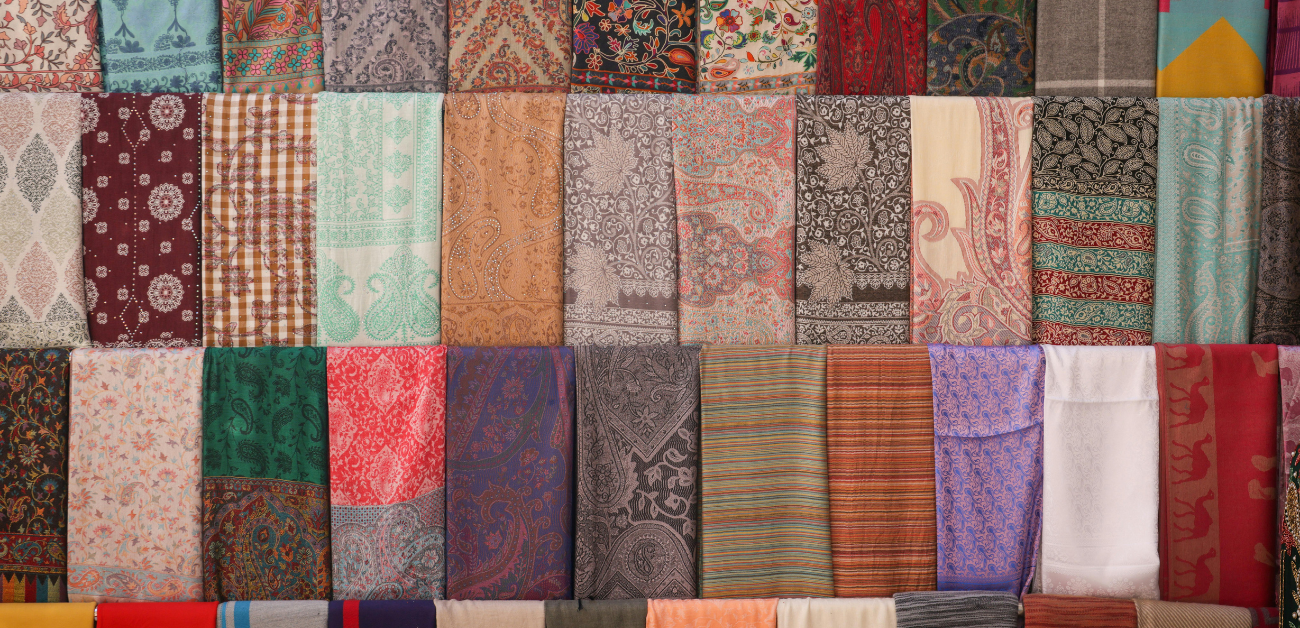
Pattern and print on upholstery are experienced at a human distance. They are not glanced at in passing but absorbed over time through repeated contact. Scale, colour, and detail behave differently when viewed from arm’s length, where imperfections, visual fatigue, or poor resolution become immediately apparent. What looks compelling from afar can quickly feel overwhelming or poorly resolved when experienced up close.
This is why bespoke design printed upholstery fabric represents a deliberate and demanding design choice. Unlike generic finishes, bespoke printed upholstery carries higher responsibility. It requires careful consideration of intent, scale, material behaviour, and long-term use, because its success is judged continuously through everyday interaction rather than occasional observation.
Bespoke Does Not Mean Customised: Clearing a Misused Term
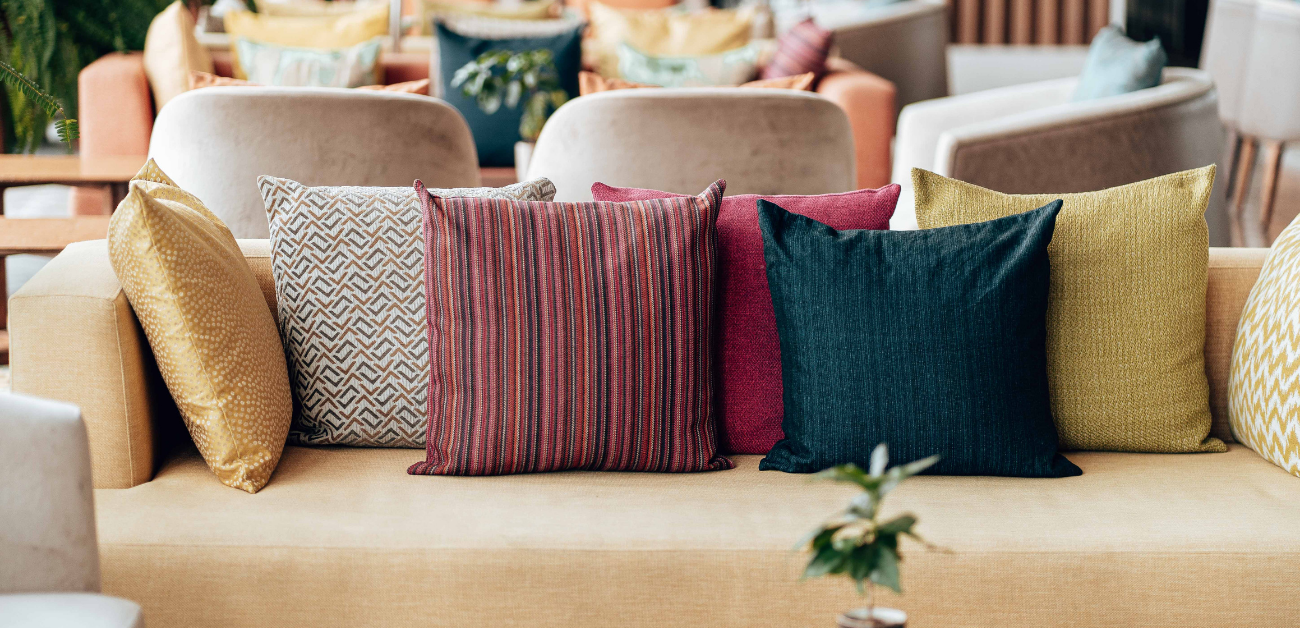
In contemporary interiors, the term ‘bespoke’ is often applied loosely. It has become shorthand for choosing a colorway, adjusting scale, or selecting from a limited set of predefined options. While these choices introduce variation, they do not constitute true bespoke work. This dilution of meaning has blurred the line between customisation and authorship.
Selecting variations operates within existing frameworks. The underlying design remains unchanged, and decisions are confined to what is already available. Authored design, by contrast, begins with a blank page. It responds to context, use, and intention, shaping pattern and print specifically for a particular application rather than adapting something that already exists.
True bespoke design printed upholstery fabric begins with intent, not options. It asks why a pattern exists, how it will be experienced at close range, and what role it plays within the space. This approach demands responsibility, as the designer assumes ownership of both the visual outcome and its long-term performance in everyday use.
Designing at Arm’s Length: Pattern, Scale, and Human Perception

Upholstery is not experienced in passing. It is viewed continuously, often for long durations, and from close proximity. Seating, panels, and soft furnishings remain within a user’s visual field while they work, rest, or interact, making upholstery patterns far more demanding than finishes seen briefly or from a distance.
This sustained exposure heightens sensitivity to repeat, scale, and proportion. Pattern repetition becomes obvious quickly, and motifs that feel dynamic at first can begin to feel monotonous or intrusive over time. A scale that is slightly misjudged can distort perception, making designs feel either visually cluttered or unnaturally sparse. These issues are amplified in upholstery because the eye has no relief from the surface.
As a result, mistakes are felt faster in bespoke design than on walls or floors. Walls are often peripheral, and floors are rarely scrutinised visually. Upholstery sits at eye level and within reach, making its successes and failures immediately and repeatedly apparent.
From Concept to Cloth: Where Design Meets Reality
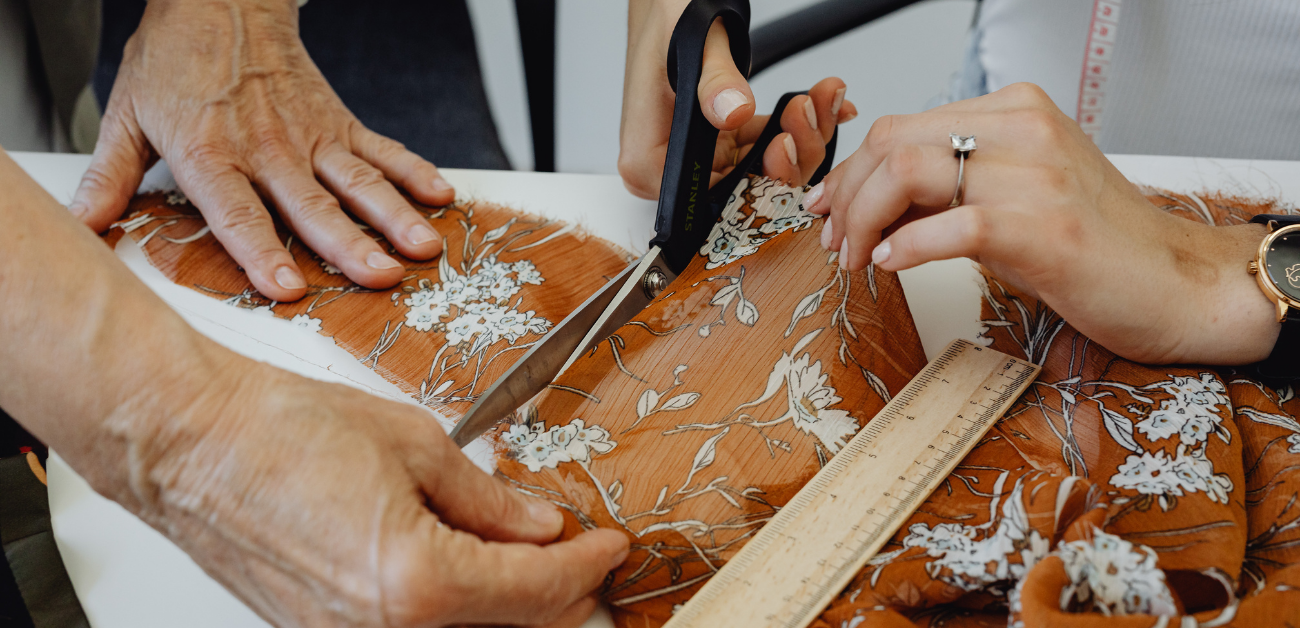
The transition from digital concept to physical fabric is where many upholstery designs succeed or fail. Graphics that appear refined on screen can behave unpredictably once translated into textile form. Line sharpness, tonal depth, and contrast are all affected by the way ink interacts with fibres, making direct translation from digital artwork unreliable without adjustment.
Print limitations further complicate this process. Certain levels of detail may be lost, colours can shift depending on the substrate, and texture can soften or distort intended visual effects. Fabric construction, yarn type, and finish all influence how a design is ultimately perceived. Ignoring these factors can result in outcomes that diverge significantly from the original intent.
This is why collaboration matters more than visual ambition in bespoke design printed upholstery fabric. Designers, printers, and material specialists must work together to resolve technical constraints early. Successful bespoke upholstery emerges not from pushing visuals alone, but from aligning creative intent with material reality.
Performance Is the Silent Test of Bespoke Upholstery
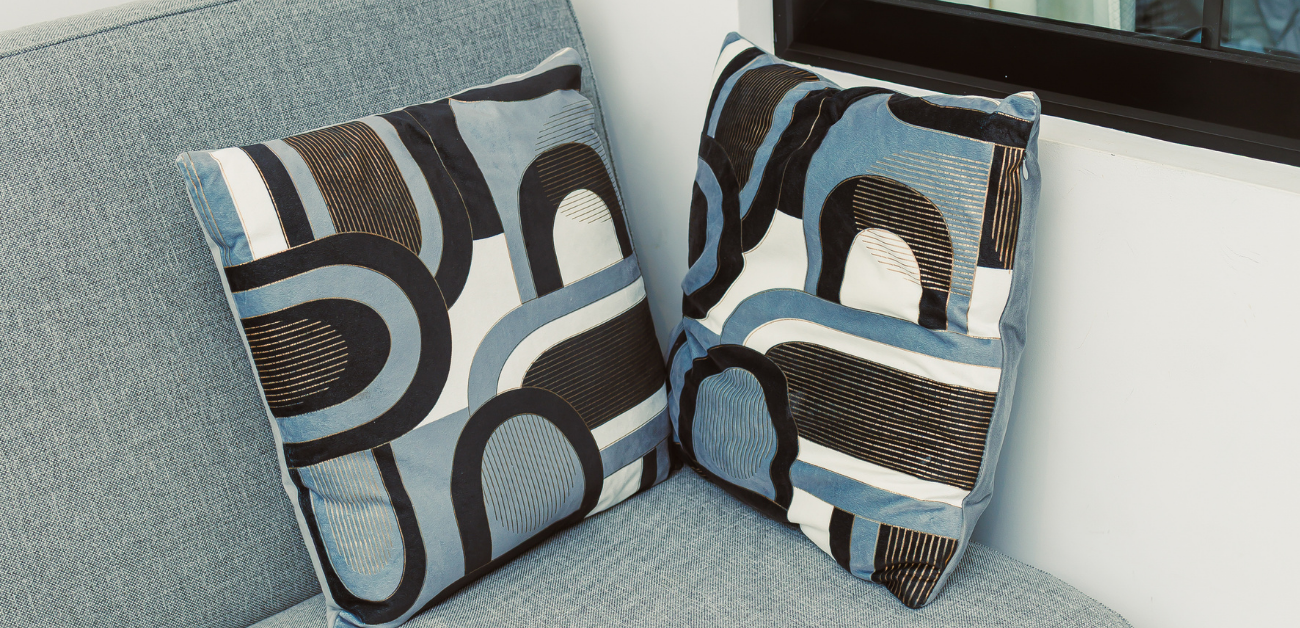
Visual impact may attract attention, but performance determines whether bespoke upholstery succeeds over time. Upholstered surfaces are subjected to abrasion, repeated cleaning, and constant physical contact. As fabrics age, weaknesses in construction or finish become evident through fading, pilling, or loss of clarity. These changes are not immediately dramatic, but they steadily undermine the integrity of the design.
Designs that prioritise novelty over use often fail quietly. Patterns that rely on delicate contrasts or fine detail may degrade quickly, and materials not specified for real conditions can deteriorate under routine maintenance. What begins as a distinctive feature can quickly appear tired or compromised when performance is overlooked.
For this reason, bespoke design printed upholstery fabric must resolve performance considerations early in the design process. Abrasion resistance, cleanability, and long-term stability should shape creative decisions from the outset. Treating performance as an afterthought risks producing work that cannot withstand the very environments it was created to enhance.
Where Bespoke Upholstery Adds Value and Where It Does Not
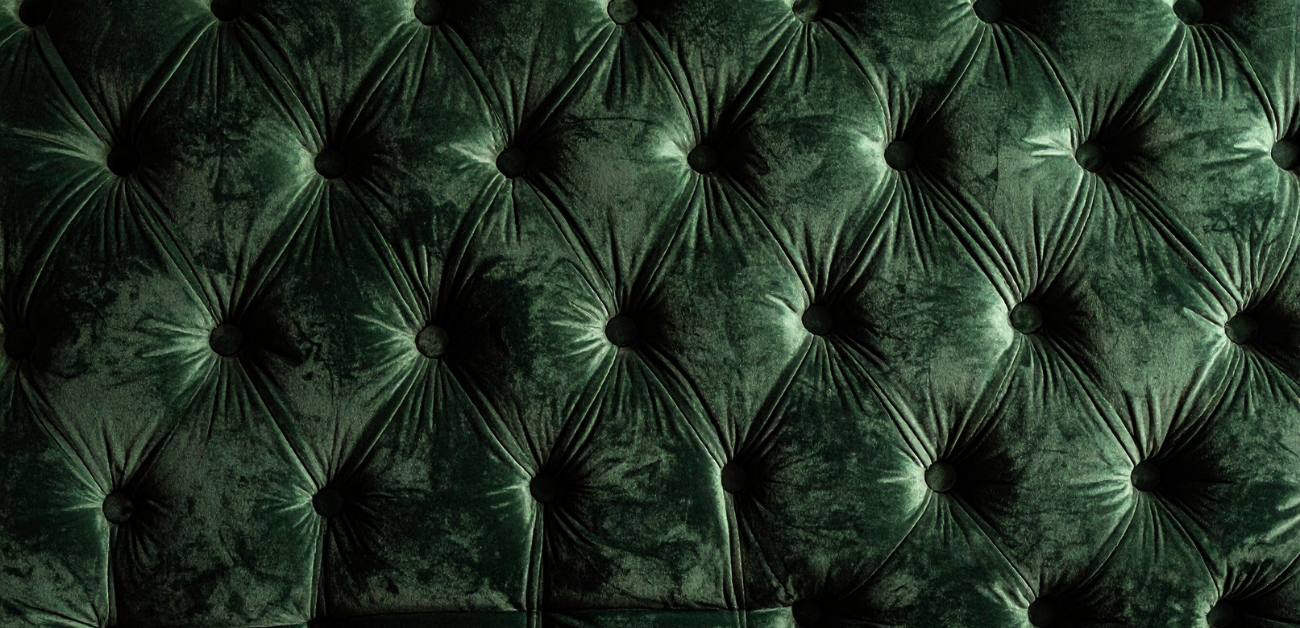
Bespoke upholstery is not universally appropriate, and its value depends heavily on context. In hospitality and residential settings, where identity, atmosphere, and emotional experience are central, bespoke designs can meaningfully strengthen character and memorability. Custom patterns may reinforce a narrative or elevate a space that relies on visual distinction to create impact.
In workplace and public seating environments, the equation shifts. High traffic, extended use, and diverse user groups place greater emphasis on durability, neutrality, and long-term comfort. In these settings, overly specific or expressive designs can age quickly or conflict with evolving needs. Bespoke work that lacks flexibility may become a limitation rather than an asset.
Bespoke upholstery adds value when it aligns with the purpose and duration of use. There are cases where restraint delivers better long-term results than customization. Understanding when to apply bespoke design printed upholstery fabric and when to step back is a mark of professional judgment rather than creative limitation.
Longevity, Waste, and the Ethics of Custom Print
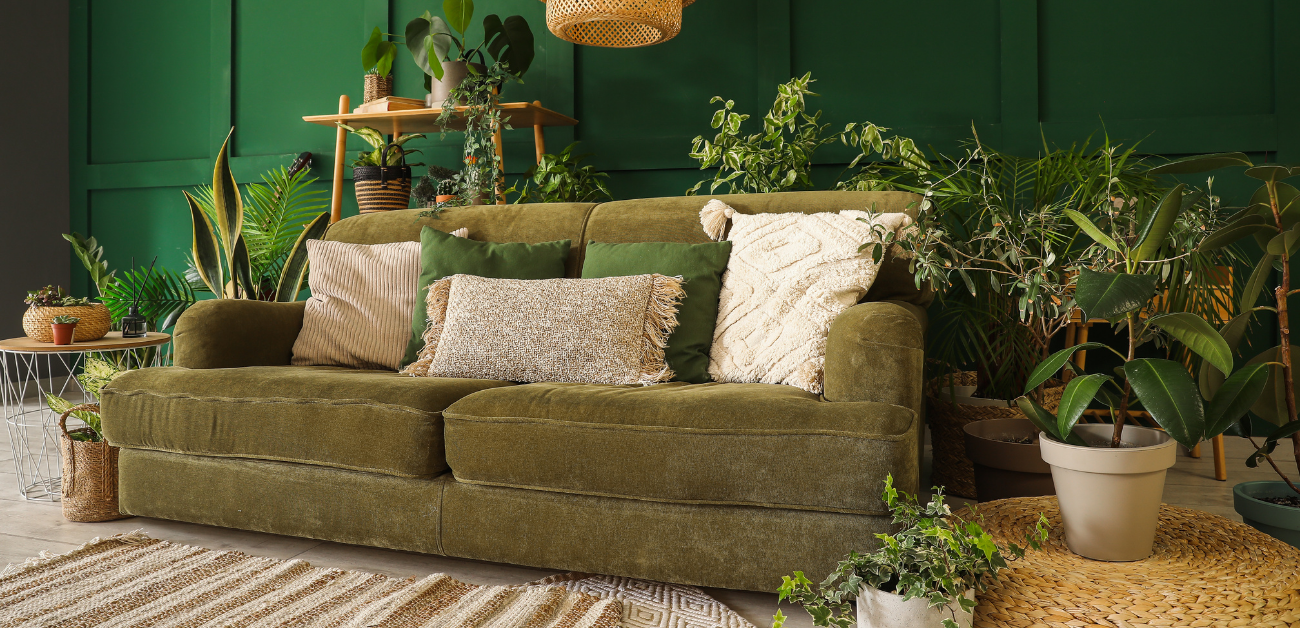
Bespoke upholstery carries ethical implications that extend beyond visual outcomes. Custom prints created around short-lived trends often lead to premature replacement, contributing to material waste and unnecessary resource use. When designs lose relevance quickly, the environmental and economic costs are absorbed long after the initial impact has faded.
Longevity should therefore be a guiding principle. Patterns designed with durability, adaptability, and visual restraint are more likely to age with dignity. This does not mean avoiding character, but rather resisting novelty for its own sake. Ethical design considers how long a material will remain appropriate, functional, and valued in its setting.
In bespoke design, responsibility lies in balancing expression with endurance. Decisions made at the design stage influence not only aesthetics but also lifecycle impact. Designing with longevity in mind reduces waste, supports sustainability goals, and respects the realities of how interiors evolve over time.
Conclusion: Bespoke Upholstery as Design Authorship

Bespoke upholstery should be understood as a form of design authorship rather than surface embellishment. Because it is experienced at close range and over long periods, it demands clarity of intent, technical rigor, and respect for use. Successful bespoke work integrates pattern, material behaviour, and performance into a cohesive whole that supports both experience and longevity.
When approached responsibly, bespoke design printed upholstery fabric can deepen identity, enhance comfort, and add meaning to interiors. When applied without restraint or foresight, it risks becoming visually dated or functionally compromised.
Within this context, Goodrich Global approaches bespoke upholstery through a performance-driven lens, emphasising collaboration, material integrity, and long-term relevance. Its work reflects an understanding that true bespoke design is not about novelty, but about creating upholstery that remains purposeful, durable, and considered well beyond its first impression.