Articles / Carpet & Flooring / Commercial Interiors
Psychology of First Impressions: Bespoke Printed Carpet Design for Hotel Lobby

Introduction: Why the Hotel Lobby Begins at the Floor
The hotel lobby is the first space guests encounter, and its impact is immediate. Before a reception desk is approached or a scent is noticed, the floor sets the tone for arrival. It is the largest continuous surface in the lobby, and the one experienced most instinctively, shaping how a space feels underfoot and how movement unfolds across it.
Carpets play a unique role in this moment. Its texture signals comfort or formality, its pattern guides direction, and its colour establishes mood. Unlike walls or ceilings, the floor is experienced both visually and physically, making it a powerful contributor to first impressions. Generic solutions often fall short in conveying the distinct identity many hotels seek at this threshold.
This is where bespoke printed carpet design for hotel lobby becomes a strategic design choice. Rather than serving as a neutral backdrop, a bespoke printed carpet allows the lobby floor to participate in storytelling, reinforce brand character, and support a memorable sense of place from the very first step inside.
Arrival Psychology and the Power of Ground-Level Design
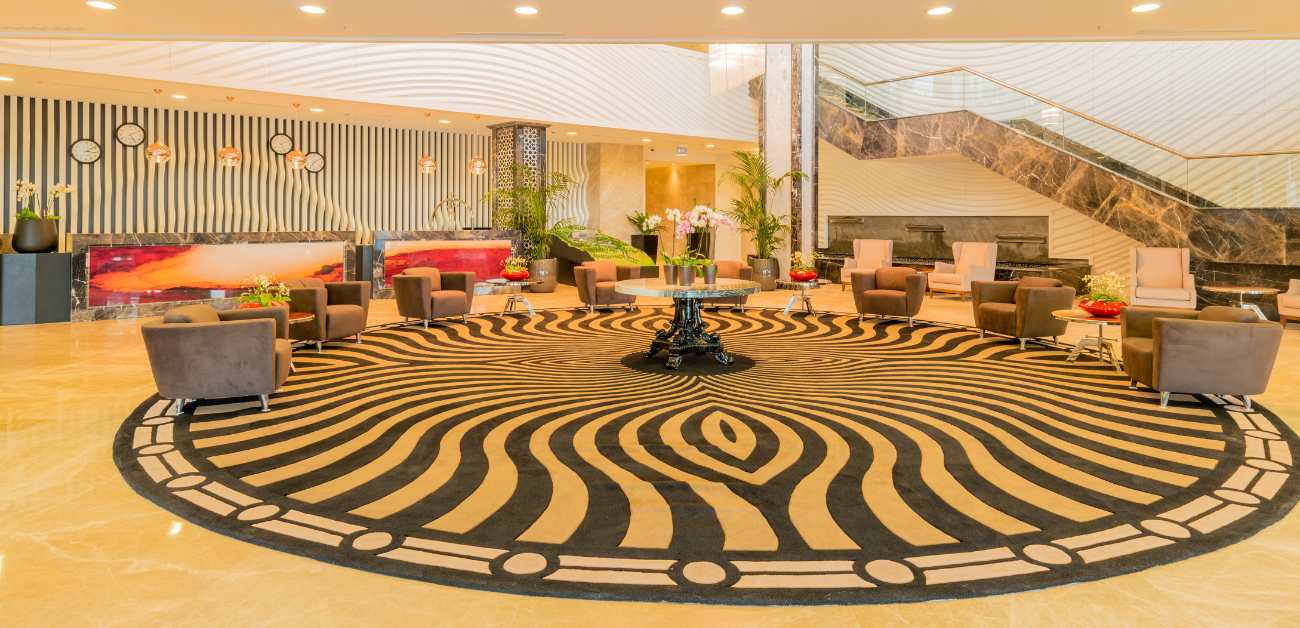
Guests begin forming impressions of a hotel within seconds of entry, often before they consciously register individual design elements. This initial reading of space is largely intuitive. People sense scale, orientation, and atmosphere almost immediately, guided by what they see and feel beneath their feet as they cross the threshold into the lobby.
Texture, pattern, and tone underfoot contribute strongly to this response. A soft surface can signal comfort and welcome, while a pattern can suggest direction and movement. Colour and contrast influence whether a space feels calm, energetic, intimate, or expansive. These cues are absorbed subconsciously, shaping emotional response without demanding attention.
Carpet shapes perception before furniture or lighting because it occupies the entire ground plane. Guests walk across it before they look up or settle into the space. By using bespoke printed carpet designs, designers can deliberately shape this first sensory layer, ensuring that the arrival experience feels coherent, purposeful, and aligned with the hotel’s identity from the very first step.
Bespoke Versus Generic: Why Lobbies Demand Originality
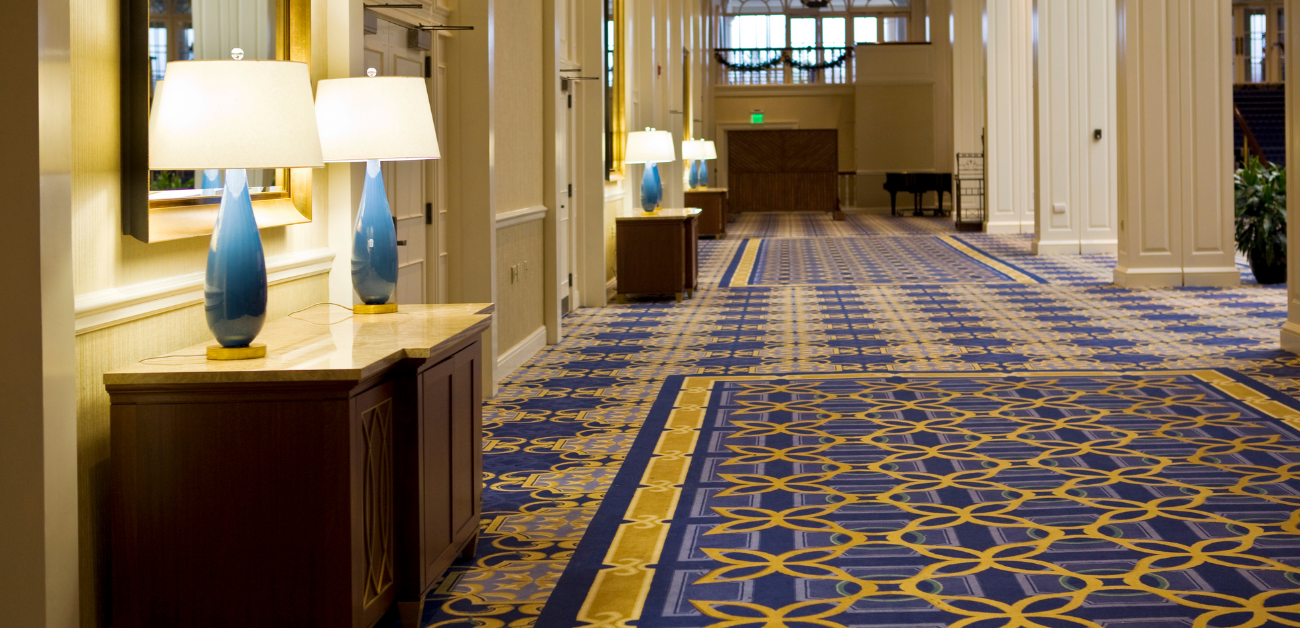
Standard carpet collections are designed to appeal to a wide range of projects, which often makes them safe but indistinct. In hotel lobbies, where first impressions carry significant weight, these generic solutions can dilute a property’s identity. When materials feel familiar or interchangeable, the sense of place weakens, and the arrival experience becomes forgettable.
Repetition across hotel brands and properties reinforces this problem. Guests who travel frequently encounter the same patterns and colourways in different cities, reducing the opportunity for a lobby to feel unique or rooted in its context. Even well-made carpets can lose impact when they are widely used and easily recognisable.
This is where bespoke printed carpet design creates distinction. Custom patterns allow designers to move beyond catalog limitations, developing visuals that reflect brand character, local influence, or a specific narrative. By breaking away from repetition, bespoke printed carpets help hotel lobbies establish originality and a stronger emotional connection with guests.
Pattern, Scale, and Movement in Lobby Spaces
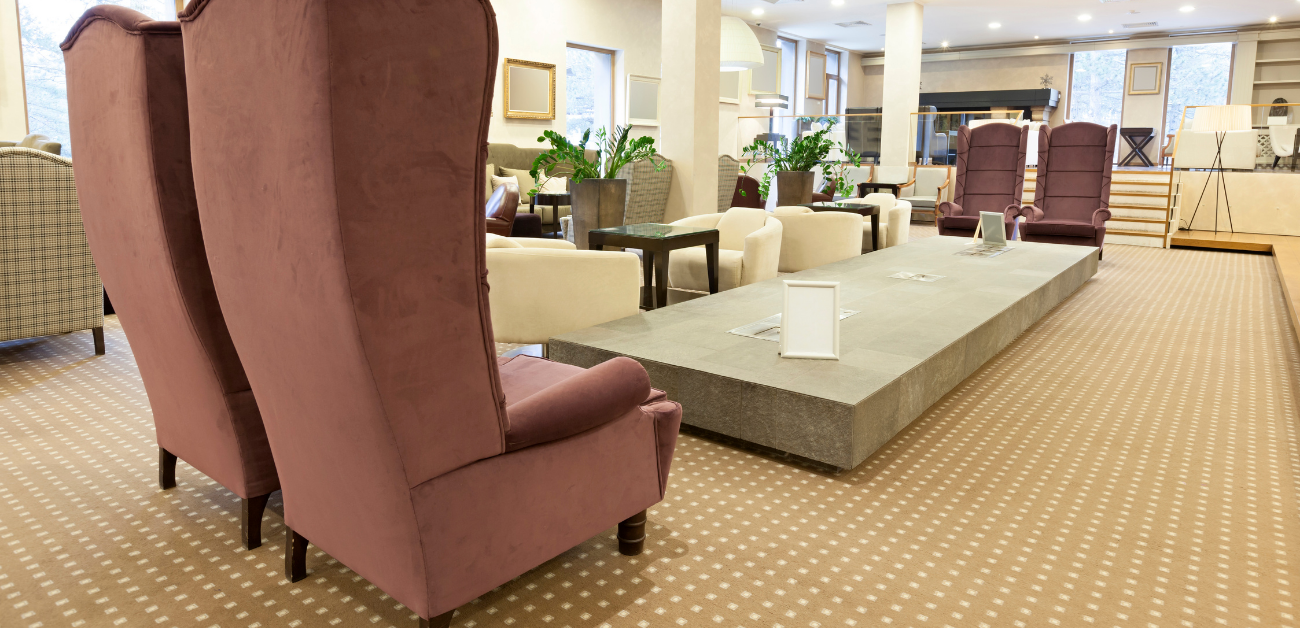
Lobby spaces are defined by movement. Guests arrive, pause, orient themselves, and continue toward reception, lifts, or lounge areas. The pattern at floor level plays a subtle role in shaping this flow. Large-scale designs can anchor expansive spaces, while finer patterns may suit more intimate areas. The challenge lies in aligning pattern scale with how people move through the lobby.
When scale is misjudged, patterns can interfere with movement cues. Overly dense designs may create visual congestion, especially in high-traffic zones, making spaces feel busy or disordered. Conversely, patterns that are too understated can fail to support spatial legibility in large volumes.
An effective bespoke printed carpet design uses a pattern to guide flow without drawing attention to itself. Directional cues, gradual transitions, and controlled contrast help lead guests naturally from the entrance to the reception and beyond. By balancing scale and movement, designers ensure that carpets support circulation while maintaining a calm and cohesive arrival experience.
Printed Carpet as Storytelling, Not Decoration
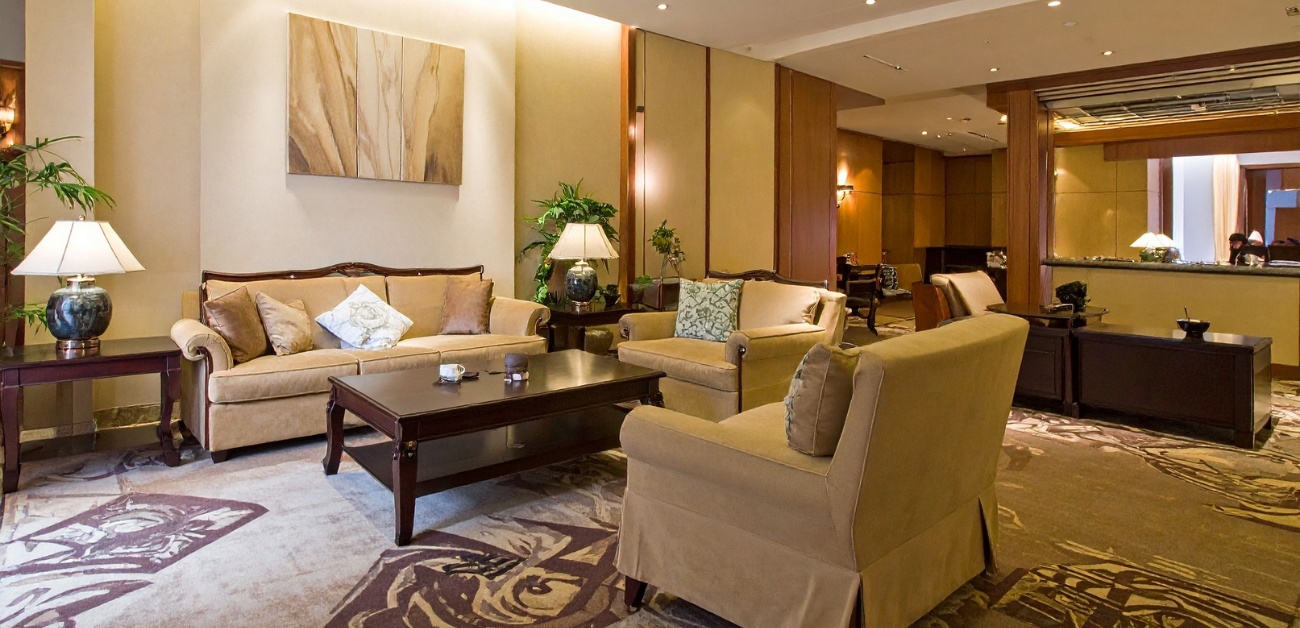
In hotel lobbies, printed carpet is most effective when it communicates a story rather than serving as surface decoration. Patterns can reference brand values, local culture, or the atmosphere a hotel wishes to evoke, all without relying on overt symbols. These narratives are often subtle, unfolding through colour relationships, rhythm, and movement rather than explicit imagery.
Abstract approaches tend to age more gracefully than literal ones. While representational graphics may deliver immediate recognition, they can quickly feel dated or overly thematic. Abstract narratives, by contrast, allow guests to sense place and identity without being instructed how to feel. This restraint leaves room for personal interpretation and emotional engagement.
When applied thoughtfully, bespoke printed carpet design for the hotel lobby adds depth to the arrival experience. It enriches the space by supporting a layered story that complements the architecture and interior elements. Rather than competing for attention, the carpet becomes a quiet foundation for the lobby’s overall narrative.
Texture, Colour, and Light Interaction
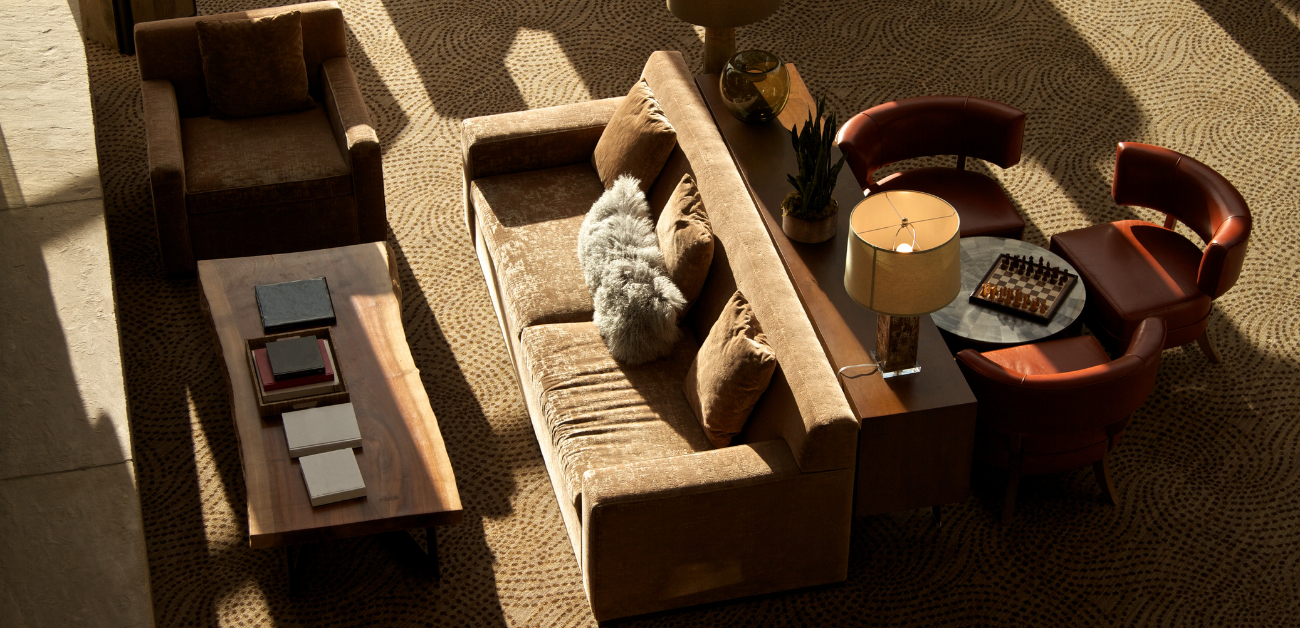
Texture, colour, and light are inseparable in how a lobby carpet is perceived. Pile height and density affect how printed patterns absorb or reflect light, often softening contrast or deepening colour in ways that differ from flat surfaces. The same pattern can appear richer, quieter, or more pronounced depending on how fibres interact with illumination.
Lighting conditions in hotel lobbies shift constantly. Natural daylight may wash colours and reduce contrast during the day, while evening lighting can intensify tones and shadows. These day-to-night transitions change how patterns are read, making it essential to consider multiple lighting scenarios during design development.
Designing for consistency across changing conditions is a key strength of bespoke printed carpet design. By anticipating how colour and texture respond to light, designers can create patterns that remain balanced and legible throughout the day. This foresight ensures that the carpet continues to support the atmosphere and identity regardless of time or lighting mood.
Longevity, Wear, and Visual Endurance
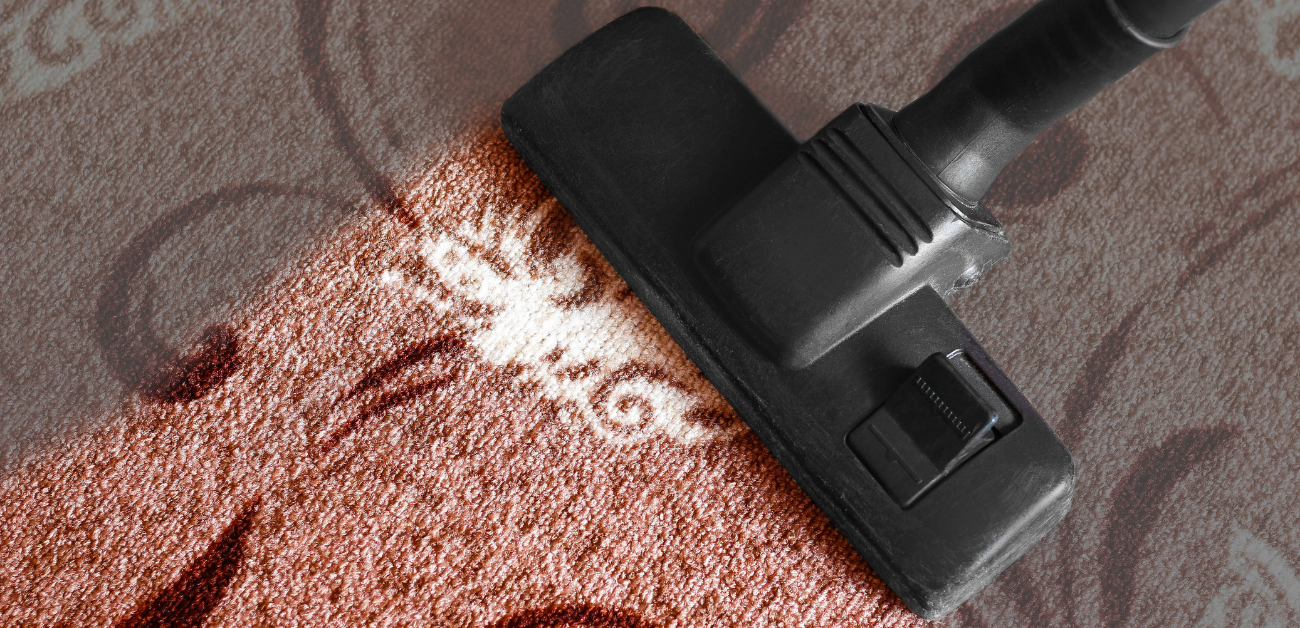
Hotel lobbies experience constant foot traffic, luggage movement, and repeated daily use. Over time, this wear becomes part of the visual experience. Patterns that rely on sharp contrast or highly detailed motifs can reveal wear more quickly, drawing attention to paths and pressure points. As guests pass through repeatedly, visual fatigue can also set in if designs are overly assertive.
Designing patterns that age gracefully requires anticipation of both physical and perceptual change. Subtle variation, layered tones, and balanced contrast help carpets absorb wear without looking degraded. These approaches allow the surface to evolve naturally while maintaining its intended character.
In many cases, restraint outperforms statements. Bold designs may impress initially, but quieter compositions often endure longer, remaining comfortable and relevant over years of use. Through the use of bespoke printed carpet, longevity is achieved not through visual excess, but through thoughtful moderation that respects time, movement, and repeated exposure.
Design Responsibility in Shared Hospitality Spaces
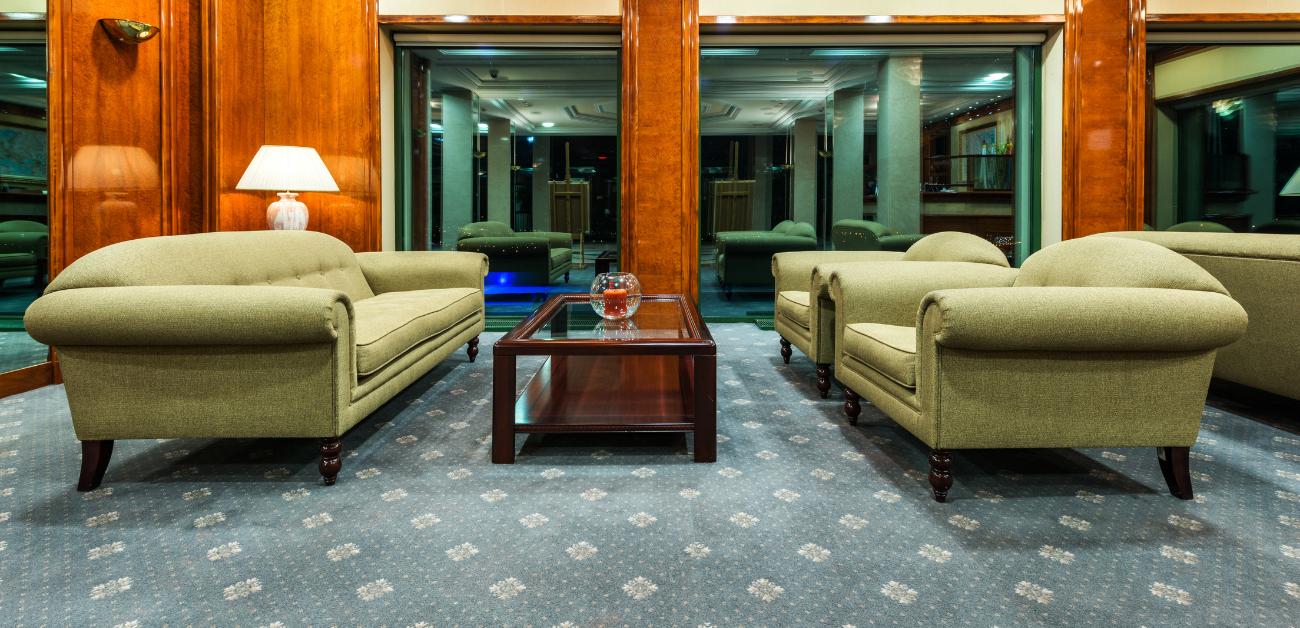
Hotel lobbies function as shared environments for guests, staff, and visitors with diverse needs and expectations. As public spaces, they must balance visual impact with comfort and accessibility. Design decisions made here influence how welcoming, calm, and inclusive the environment feels to everyone who enters.
Carpet plays a quiet but significant role in supporting this balance. Excessively bold patterns or high-contrast designs can create visual tension or discomfort, particularly for guests who are sensitive to busy environments. Thoughtful patterning and tonal control help create spaces that feel grounded and easy to navigate.
Responsible use of bespoke printed carpet design means considering how the floor supports well-being as much as identity. When designers prioritise comfort and clarity alongside expression, carpets contribute to a lobby atmosphere that feels inclusive, composed, and welcoming rather than overwhelming.
Conclusion: Carpet as the Silent Host of the Lobby

In a hotel lobby, the floor does more than support movement. It shapes first impressions, guides behaviour, and quietly communicates identity before a word is spoken or a service is delivered. Carpet, in particular, operates as a silent host, welcoming guests through texture, tone, and rhythm that are felt as much as they are seen.
The strength of bespoke printed carpet design for hotel lobby lies in its ability to merge storytelling with endurance. When pattern is scaled thoughtfully, colour responds well to light, and restraint guides design decisions, the carpet becomes a long-term contributor to atmosphere rather than a short-lived statement. It supports arrival, movement, and comfort without demanding attention.
Approached with care, bespoke printed carpet elevates the lobby from a transitional space to a meaningful point of connection. It reinforces a sense of place that remains consistent through daily use, changing light, and the passage of time, anchoring the guest experience from the ground up.
If you are planning a hospitality project and require bespoke printed carpet solutions tailored to your brand and operational needs, contact Goodrich Global to discuss how our team can support your design and installation requirements.