Articles / Carpet & Flooring / Commercial Interiors / Sustainability
Why the Bio-Based Vinyl Flooring Contract Is Reshaping Construction Procurement

Introduction: Why Sustainable Materials Are Now a Boardroom Issue
Construction decisions were once confined to operational checklists, cost per square foot, durability, and installation speed. Today, they carry financial, reputational, and regulatory consequences that reach the boardroom. Institutional investors evaluate embodied carbon disclosures. Regulators tighten reporting standards. Tenants and corporate clients increasingly demand verifiable sustainability data.
Under intensifying ESG scrutiny, procurement contracts have evolved into governance tools. Material selection now affects access to capital, insurance terms, and long-term asset valuation. Within this landscape, the bio-based vinyl flooring contract has emerged as more than a purchasing agreement. It functions as a strategic signal, demonstrating alignment between sustainability commitments and supply chain execution.
For decision-makers, the debate is no longer abstract. Is adopting a bio-based vinyl flooring contract primarily about managing cost, ensuring compliance, or securing a competitive advantage in an increasingly carbon-conscious market?
Overview: What a bio-based vinyl flooring contract Really Signals

A bio-based vinyl flooring contract is best understood as a procurement instrument that integrates renewable-content requirements into a legally binding supply agreement. Commercially, it shifts flooring from a commodity purchase to a sustainability-linked transaction. Rather than focusing solely on durability, price, and delivery schedules, as conventional PVC contracts typically do, this structure embeds environmental performance into contractual obligations.
The difference lies in scope and accountability. A bio-based vinyl flooring contract may specify minimum renewable content percentages, require third-party certifications, and mandate environmental product declarations. Pricing models can reflect traceable bio-attributed feedstocks, sometimes indexed to agricultural inputs rather than purely petrochemical markets. Supplier obligations often expand to include carbon transparency, compliance documentation, and sustainability warranties.
Institutional interest is growing because these contracts intersect directly with ESG disclosures, green financing criteria, and public procurement standards. In practical terms, they transform flooring procurement into a measurable sustainability commitment, one visible not just to contractors, but to auditors, investors, and regulators.
Financial and Operational Implications

A bio-based vinyl flooring contract introduces a distinct cost profile compared to traditional PVC agreements. While conventional contracts benefit from petrochemical scale and relatively stable supply chains, bio-based alternatives often carry a modest upfront premium due to renewable feedstock sourcing and certification requirements. Production volumes are typically lower, which can further influence pricing.
However, evaluation must extend beyond initial cost. Reduced embodied carbon and improved environmental performance may contribute to green building certifications and stronger tenant positioning, potentially supporting long-term asset value. Over a building’s lifecycle, these advantages can partially offset early premiums.
From a reporting perspective, Scope 3 emissions are increasingly scrutinised. Because flooring materials contribute to supply chain carbon totals, a bio-based vinyl flooring contract can influence ESG disclosures and investor assessments.
Operational risks also shift. Supplier pools are narrower, increasing concentration risk and limiting negotiating leverage. Contracts often include renewable content verification, performance guarantees, and sustainability warranties to manage compliance exposure. Additionally, pricing may fluctuate with agricultural commodity cycles, exposing buyers to bio-feedstock volatility not typically seen in conventional PVC markets.
Market Forces Driving Adoption
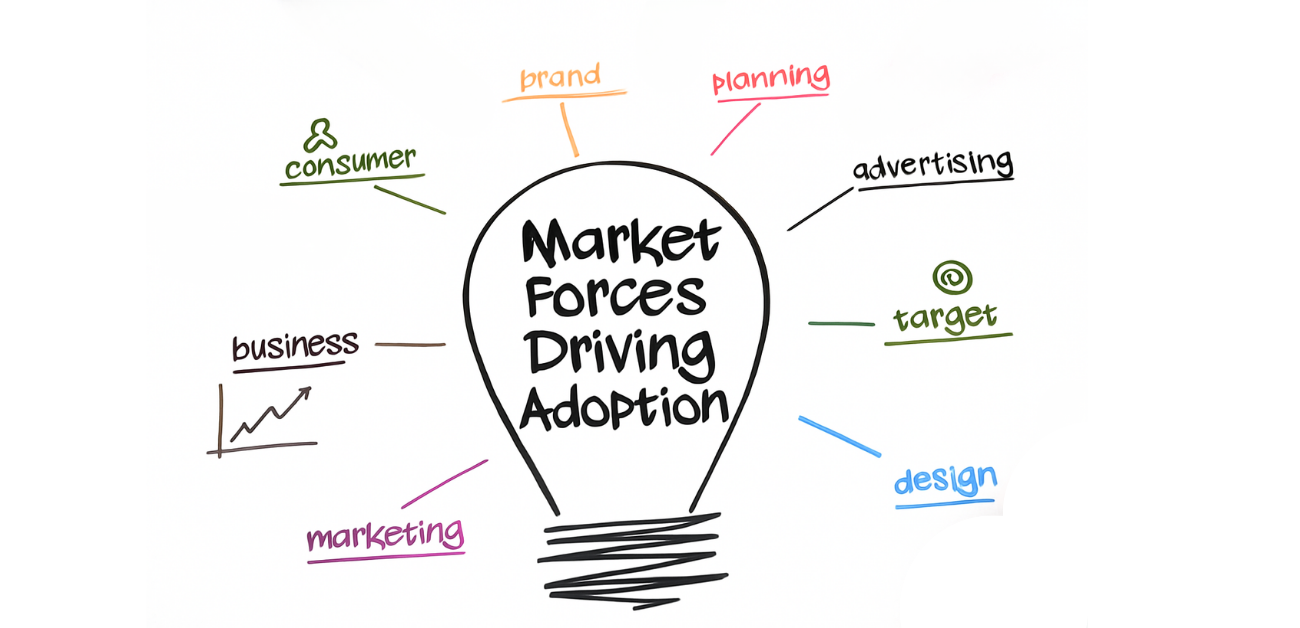
The rise of the bio-based vinyl flooring contract is closely tied to shifting capital expectations. Institutional investors increasingly assess real estate portfolios through a climate-risk lens, examining embodied carbon and regulatory exposure alongside traditional financial metrics. Assets perceived as environmentally outdated risk valuation discounts, particularly in markets where sustainability disclosures influence fund allocation.
Public infrastructure mandates reinforce this momentum. Governments are embedding low-carbon material standards into procurement frameworks, making renewable-content products a prerequisite for eligibility. For contractors operating in these ecosystems, adoption becomes strategic rather than optional.
Financial incentives further accelerate uptake. ESG-linked loans and green bonds frequently tie borrowing costs to measurable sustainability outcomes. Incorporating renewable materials through a bio-based vinyl flooring contract can help developers meet performance thresholds required for preferential financing.
Insurance underwriting trends also reflect climate accountability. As insurers refine risk models, buildings aligned with emerging environmental standards may benefit from more favourable assessments. In competitive commercial leasing markets, sustainability credentials increasingly influence tenant decisions, occupancy rates, and rental premiums, demonstrating how material choices can ultimately shape asset valuation.
Risk Assessment: Greenwashing, Compliance, and Reputation
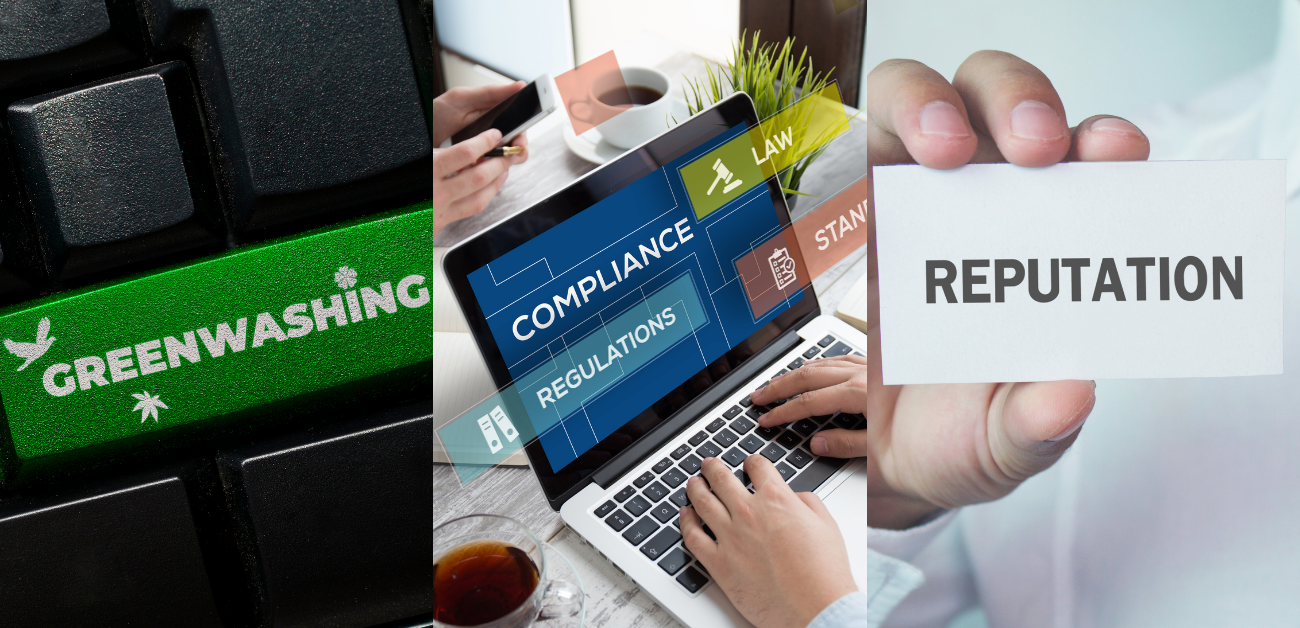
Despite its sustainability promise, a bio-based vinyl flooring contract carries reputational and legal risk if not rigorously verified. The term ‘bio-based’ itself can be ambiguous, sometimes referring to partial renewable content rather than full material substitution. Without clear percentage thresholds, claims may overstate environmental impact.
Certification frameworks also vary across jurisdictions. Inconsistent global standards create gaps in verification, allowing suppliers to meet minimal criteria while marketing broader sustainability narratives. For multinational developers, this fragmentation complicates compliance oversight.
Legal exposure arises when sustainability claims fail audit scrutiny. If disclosed carbon reductions or renewable content levels cannot be substantiated, companies risk regulatory penalties, investor backlash, or contractual disputes. In an ESG-driven market, reputational damage can extend beyond a single project.
Proper auditing requires third-party certification validation, traceable environmental product declarations, defined renewable content benchmarks, and enforceable sustainability warranties. A bio-based vinyl flooring contract must clearly allocate accountability, ensuring that environmental performance is measurable, documented, and defensible under review.
Historical Context: From Cost Efficiency to Climate Accountability

For decades, PVC dominated commercial flooring due to its durability, affordability, and ease of maintenance. Its rise aligned with post-war construction booms that prioritised scale and cost efficiency over environmental impact. Vinyl became a default material choice, standardised, predictable, and globally traded.
Environmental scrutiny intensified in the late 20th and early 21st centuries. Concerns over phthalates, indoor air quality, and lifecycle emissions prompted reformulation efforts and the introduction of low-VOC alternatives. Manufacturers adapted incrementally, but the broader procurement model remained cost-driven.
The ESG era has fundamentally altered that equation. Material selection is no longer judged solely by performance and price, but by carbon footprint, transparency, and regulatory alignment. Within this shift, the bio-based vinyl flooring contract represents more than product innovation. It reflects a structural transformation in procurement, where sustainability metrics are embedded directly into contractual obligations, signalling a move from efficiency-first construction toward climate-accountable development.
Conclusion: Strategic Investment or Transitional Phase?

The growing adoption of the bio-based vinyl flooring contract reflects a quiet but meaningful shift in the construction ecosystem. Materials are no longer evaluated solely on price and performance; they are assessed through the lenses of traceability, compliance, and long-term resilience. Contracts now carry strategic weight, translating sustainability commitments into measurable obligations.
For decision-makers, the path forward requires disciplined scrutiny, clear renewable content verification, reliable supply partnerships, lifecycle cost modelling, and enforceable contractual protections. The advantage lies not in adopting a trend, but in understanding its structural implications.
These are precisely the kinds of material and procurement transitions that Goodrich Global observes from within the industry itself. As suppliers, contractors, and developers navigate evolving standards, informed dialogue becomes essential. When product performance and accountability move together, strategic clarity, not marketing, defines leadership in modern construction markets.