Interior Design
Brutalist Interior Design: Raw Beauty in Modern Spaces | Goodrich
Brutalist interior design draws inspiration from the architectural movement that celebrated raw, unfinished materials and bold structural forms. Once dismissed as cold and unwelcoming, brutalism has been reinterpreted for residential spaces — softened with thoughtful material layering while retaining its signature honesty and visual power.
In Singapore, where exposed concrete features in everything from public housing to award-winning commercial buildings, brutalist elements feel culturally familiar. The style translates particularly well into modern apartments and loft-style spaces seeking an industrial edge with architectural credibility.
Core Principles of Brutalist Interior Design
Brutalist interiors are built on a small number of strong ideas. Understanding these principles helps you adopt the style authentically rather than simply painting walls grey and calling it done.
Material Honesty
Brutalism celebrates materials in their raw or near-raw state. Concrete is left exposed rather than plastered. Timber shows its grain rather than hiding behind lacquer. Metal is brushed or patinated rather than chrome-plated. Every surface communicates what it is made of, without pretence.
Monolithic Forms
Furniture and architectural elements favour solid, geometric volumes over delicate frames. A concrete-look kitchen island, a block-shaped sofa in a single heavy fabric, a shelf unit that reads as a continuous slab — these pieces anchor a room with gravitational presence.
Restrained Palette
The colour palette is deliberately limited: greys, charcoals, off-whites, raw timber tones, and black. Colour, when introduced, arrives sparingly — a single rust-toned cushion, a deep green plant, warm brass hardware. This restraint ensures the materials themselves remain the visual focus.
Key Materials for Brutalist Interiors
Achieving the brutalist look in a Singapore home does not require pouring concrete walls. Modern materials convincingly replicate raw finishes while offering the practical performance that residential living demands.
Flooring
Concrete-look flooring is the foundation of most brutalist interiors. Stone polymer composite (SPC) flooring in micro-cement, polished concrete, and raw stone finishes delivers the aesthetic without the cold, hard surface of actual concrete. These products are waterproof, comfortable to walk on, and available in large-format tiles that minimise grout lines for that seamless, monolithic look.
For homeowners who want the real thing, micro-cement overlay systems can be applied directly over existing flooring. However, SPC alternatives are faster to install, easier to maintain, and more forgiving underfoot — important considerations for homes where bare feet are the norm. Browse Goodrich Global’s flooring range for concrete and stone-look options.
Walls
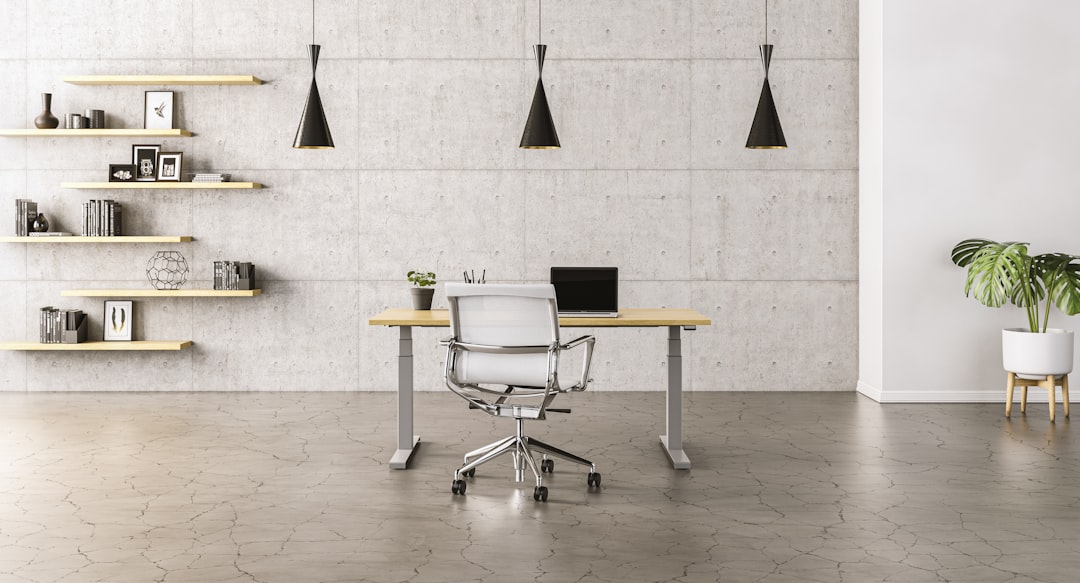
Concrete-effect wallcoverings bring the brutalist aesthetic to walls without structural intervention. High-quality options replicate the colour variation, form-work marks, and subtle imperfections of poured concrete with remarkable fidelity. Unlike actual exposed concrete, wallcoverings can be applied to any room, are easier to maintain, and can be replaced when you want a change.
For accent walls, textured wallpapers in stone, slate, or raw plaster effects add another layer of material honesty. These treatments work particularly well in living rooms and bedrooms where the wall serves as a backdrop for statement furniture.
Fabrics
Brutalist interiors rely on fabric to prevent rawness from tipping into discomfort. Heavy-weave upholstery in charcoal, slate, and putty tones softens the hard edges. Bouclé textures, chunky linens, and wool blends add warmth that counterbalances the coolness of concrete and metal. The fabric selection should feel substantial and slightly rough — delicate silks and smooth satins belong to a different vocabulary.
Softening Brutalism for Residential Comfort
Pure brutalism can feel oppressive in a home. The residential interpretation requires strategic softening without diluting the style’s essential character.
Layered Lighting
Lighting transforms brutalist spaces. A single overhead fixture creates harsh shadows that exaggerate the coldness of concrete surfaces. Instead, layer warm-toned ambient lighting (concealed LED strips at floor or ceiling level), task lighting (adjustable floor and desk lamps), and accent lighting (spotlights on textured walls). The interplay of light and shadow becomes a design feature in itself, highlighting the materiality of surfaces.
Greenery
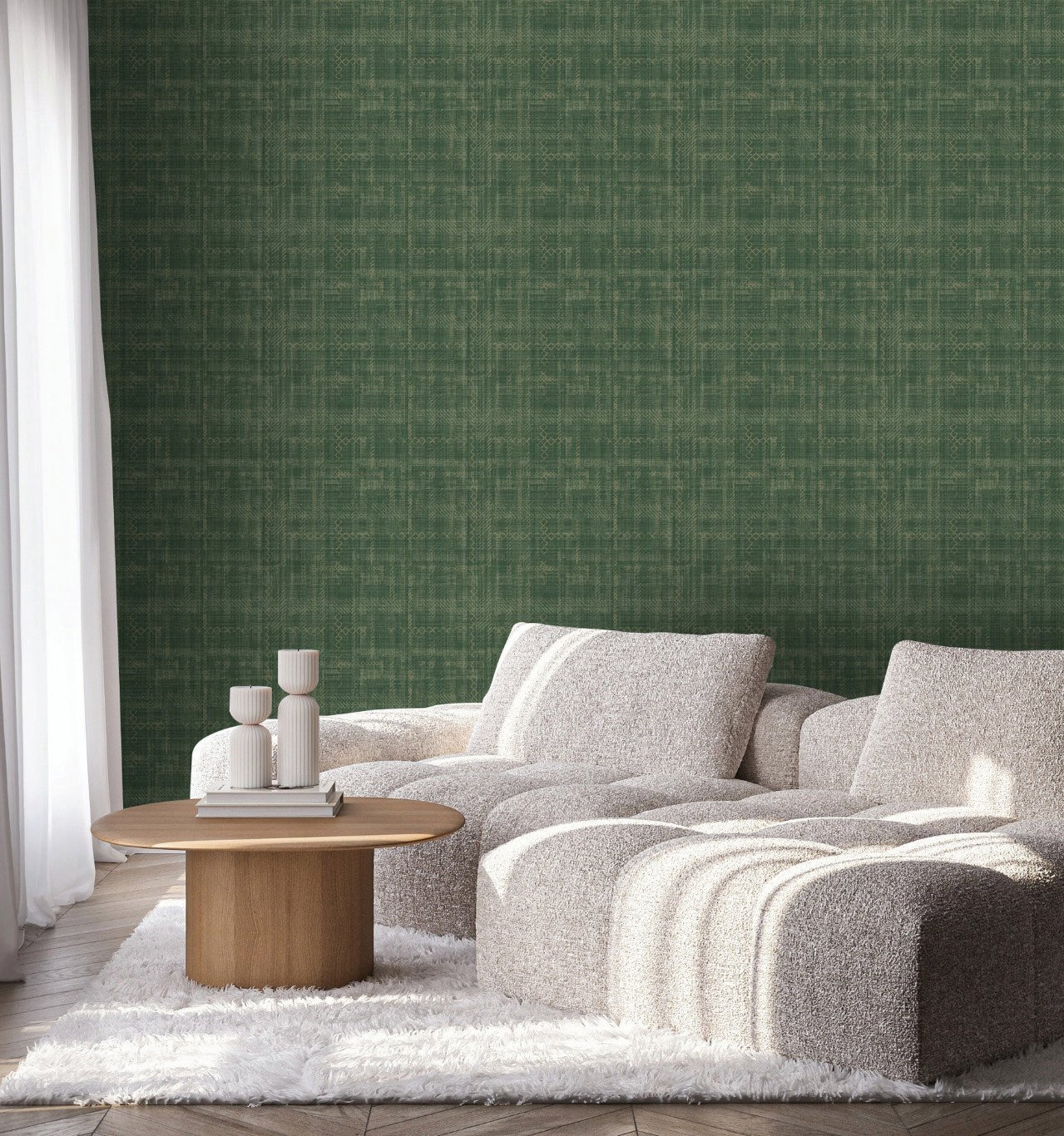
Plants are one of the most effective softening agents in brutalist interiors. Large-leafed tropical species — monstera, fiddle-leaf fig, bird of paradise — complement the bold scale of brutalist furnishings. Positioned against a concrete-effect wall, the organic curves and vibrant green of living plants create precisely the contrast the style needs to feel habitable.
Textile Layering
Curtains, throws, and rugs prevent brutalist bedrooms and living rooms from feeling like galleries. Floor-to-ceiling curtains in a heavy linen or wool-blend fabric soften window walls and add acoustic warmth. A textured area rug over concrete-look flooring defines seating zones and provides barefoot comfort. Explore Goodrich Global’s fabric collection for heavy-weave upholstery and drapery options suited to brutalist schemes.
Brutalist Design in Singapore Apartments
Singapore’s architectural landscape offers natural starting points for brutalist interior design. Many older HDB flats and condominium developments feature exposed concrete elements — columns, beams, ceiling soffits — that are typically concealed behind plaster and paint. Leaving these elements exposed (or selectively exposing them during renovation) gives the interior an authentic brutalist foundation at zero material cost.
HDB Applications
In BTO and resale flats, the bare concrete screed that forms the base floor is itself a brutalist material. Some homeowners choose to polish and seal the screed rather than overlay it with tiles or vinyl, creating an authentically raw floor. Pair this with concrete-effect wallcovering on a single feature wall and warm timber furniture for a balanced brutalist HDB interior.
Condo Applications
Loft-style and warehouse-conversion condominiums are natural homes for brutalist design. Higher ceilings, industrial-scale windows, and open layouts accommodate the bold proportions and strong visual weight of the style. Even in standard condos, a restrained brutalist approach — concrete-look flooring, minimal furniture, raw-finish lighting fixtures — creates a striking alternative to the more common Scandinavian or contemporary themes.
Final Thoughts
Brutalist interior design is not about austerity — it is about authenticity. By celebrating the inherent beauty of raw materials and honest construction, it creates spaces with a quiet intensity that more decorative styles struggle to match.
The key is balance: enough rawness to honour the style’s origins, enough softness to make a home comfortable. Get the material mix right, and a brutalist interior becomes one of the most compelling and enduring approaches to residential design.
Browse our e-catalogue for the latest designs in concrete-effect flooring and textured wallcoverings.