Carpet & Flooring
BTO Flooring Guide: What to Choose for Your New Flat
What Flooring Comes with a New BTO Flat?
When you collect the keys to a new BTO flat, the flooring situation is minimal. Bathrooms and the kitchen come with basic ceramic floor tiles installed by HDB’s appointed contractor. The living room, dining area, bedrooms and hallway are bare concrete screed — a rough, grey surface that requires finishing before the flat is liveable.
This blank slate is actually an advantage. Unlike resale flat owners who must decide whether to hack existing tiles or overlay them, BTO owners start fresh. You choose exactly what goes on every floor, with no removal costs and no compromises forced by existing materials.
The key decision is whether to tile these bare areas (which involves screeding, waterproofing for wet areas and tiling) or to install overlay-type flooring directly on the screed after levelling.
Best Flooring Options for BTO Flats
SPC Vinyl Flooring
SPC vinyl is the most popular BTO flooring choice in Singapore, and for good reason. It is waterproof, durable, affordable and available in an enormous range of wood, stone and marble designs. Installation over levelled screed takes one to two days for a typical 4-room flat.
Vinyl works in every dry area and can extend into the kitchen for a seamless open-plan look. It handles Singapore’s humidity without warping and cleans up easily — a practical choice for first-time homeowners.
Ceramic or Porcelain Tiles
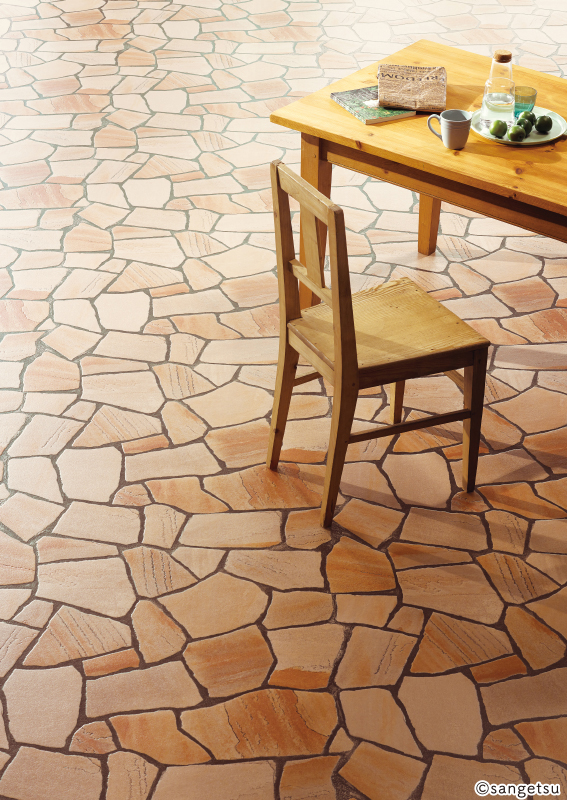
Tiles are the traditional choice and remain popular for homeowners who want a hard-wearing, cool surface. Porcelain tiles in particular offer excellent durability, water resistance and design flexibility, with options ranging from marble-look to wood-look formats.
The trade-off is cost and time. Tiling a BTO flat requires screeding, levelling and grouting, which adds $3,000 to $6,000 to the project compared to vinyl overlay. The process also takes longer — typically five to seven days for a full flat.
Laminate Flooring
Laminate offers wood-look aesthetics at the most affordable price point. It is a reasonable choice for bedrooms and living areas in BTO flats, though its poor water resistance limits where it can be used. Avoid laminate in kitchens and any area near water sources.
Engineered Hardwood
For BTO owners with a larger budget, engineered hardwood delivers genuine timber beauty. It can be installed over levelled screed using either a floating or glue-down method. Best suited to living rooms and bedrooms where the natural warmth of wood creates a premium atmosphere.
BTO Flooring Cost Comparison
Here is what to budget for flooring in common BTO flat types. Costs cover materials and installation for dry areas (living, dining, bedrooms, hallway):
| Flooring Type | 3-Room (650 sq ft) | 4-Room (900 sq ft) | 5-Room (1,100 sq ft) |
|---|---|---|---|
| SPC Vinyl | $3,000–$7,000 | $4,000–$10,000 | $5,000–$12,000 |
| Laminate (AC3+) | $3,000–$6,500 | $4,000–$9,000 | $5,000–$11,000 |
| Porcelain Tiles | $5,000–$10,000 | $7,000–$14,000 | $9,000–$17,000 |
| Engineered Hardwood | $5,500–$14,000 | $7,500–$19,000 | $9,000–$23,000 |
Note: BTO screed often requires levelling before any flooring can be installed. Budget an additional $1 to $2 per square foot for self-levelling compound if the screed is uneven.
Room-by-Room Planning for Your BTO
Living and Dining Area
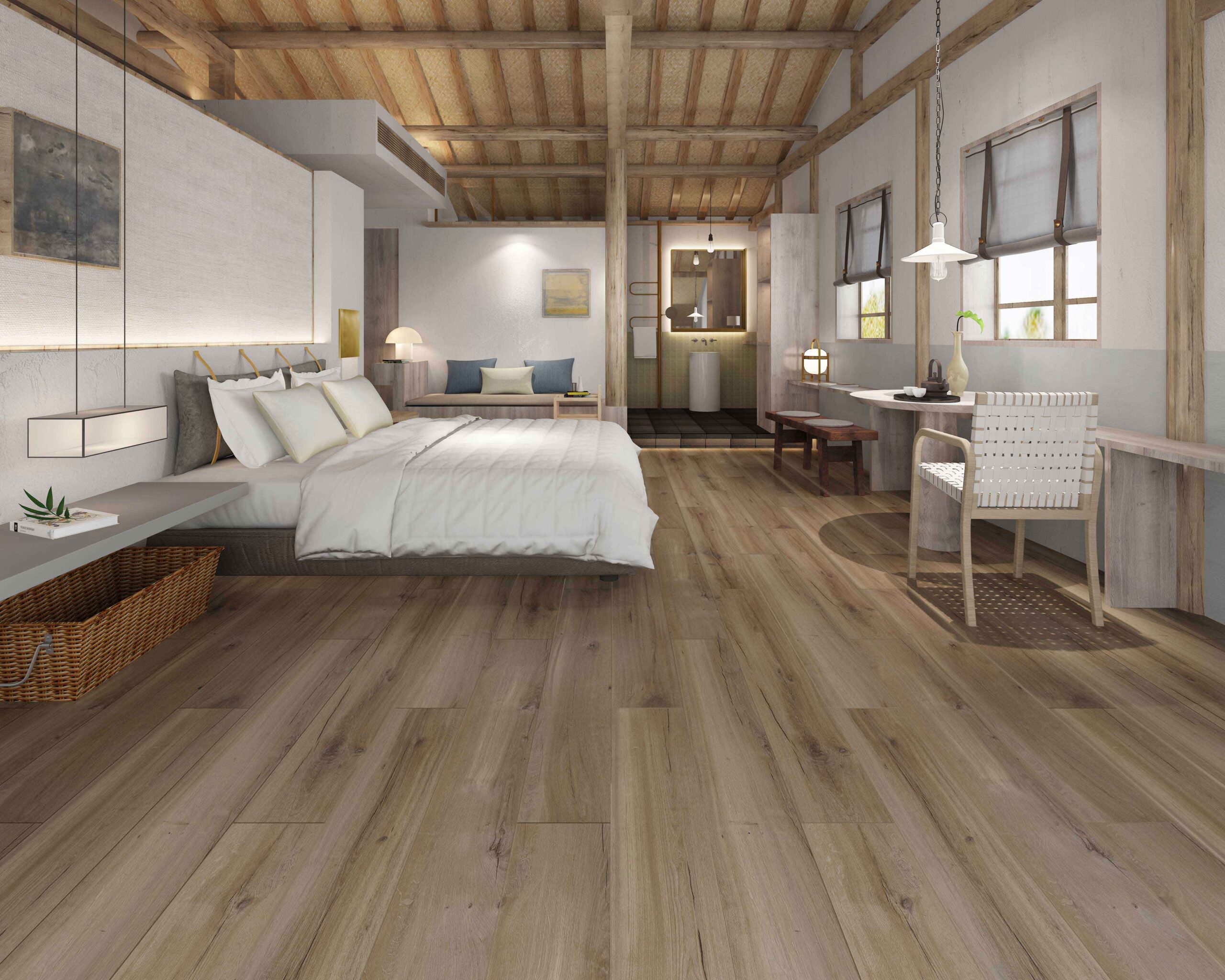
This open-plan space sets the tone for your entire flat. Choose a flooring material that looks good, handles daily traffic and complements your furniture and wall colours. Wide-plank vinyl in oak or walnut tones is the most popular choice. If budget allows, engineered hardwood makes a statement.
Master Bedroom
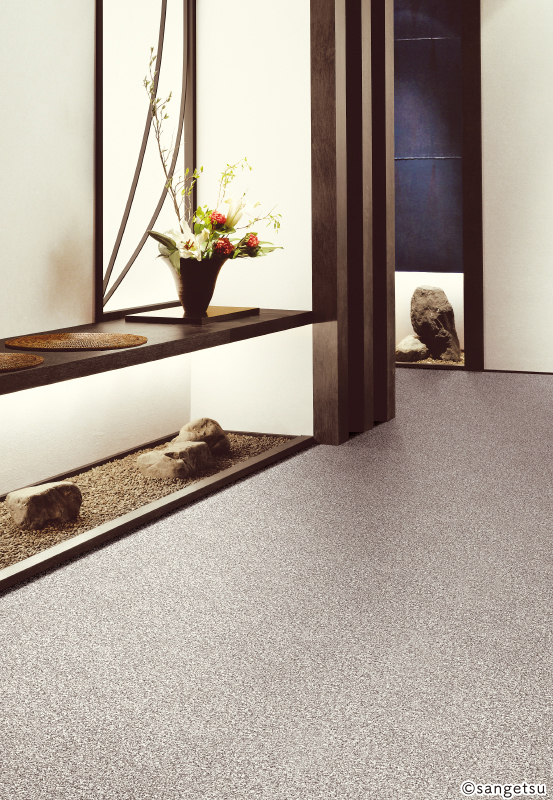
Comfort and warmth matter most here. Wood-look vinyl, laminate or engineered hardwood all work well. Some homeowners opt for carpet tiles for a hotel-like feel and sound insulation — useful in BTO flats where inter-unit noise can be an issue.
Common Bedrooms
These rooms often serve as children’s rooms or guest rooms. Vinyl is the most practical option — it handles spills, toy impacts and frequent cleaning without damage. Match the colour and pattern to the rest of the flat for visual continuity.
Kitchen
Your BTO kitchen comes with basic tiles, but many homeowners choose to extend their living room flooring into the kitchen — especially in open-concept layouts. SPC vinyl handles kitchen conditions well. If you prefer tiles, consider upgrading the builder-grade tiles to a design that matches your overall aesthetic.
Bathrooms
Retain the HDB-installed tiles unless they are damaged or you have specific design requirements. If upgrading, choose slip-resistant porcelain tiles with an R10 or R11 rating for safety.
BTO Renovation Timeline: Where Flooring Fits In
Flooring installation typically happens after demolition (if any), electrical and plumbing work, masonry and carpentry framing, but before built-in furniture installation and painting touch-ups. Here is where it fits in a typical BTO renovation schedule:
- Demolition and hacking (if changing bathroom/kitchen tiles) — Week 1
- Electrical rewiring and plumbing — Week 1–2
- Masonry, tiling and waterproofing — Week 2–4
- Flooring installation (dry areas) — Week 4–5
- Carpentry and built-in furniture — Week 5–7
- Painting and touch-ups — Week 7–8
- Cleaning and move-in — Week 8–9
Vinyl and laminate overlay installations are quick (one to three days), so they rarely cause delays. Tiling takes longer and needs to be coordinated with other wet trades.
Common BTO Flooring Mistakes to Avoid
- Skipping screed levelling: BTO screed is often uneven. Installing flooring over an unlevel base causes rocking planks, visible gaps and premature wear at joints.
- Choosing laminate for the kitchen: Laminate cannot handle water splashes. Use vinyl or tiles in any area where water is present.
- Ignoring door clearance: BTO doors are set at a standard height above the screed. Adding 10+ mm of flooring may require trimming the bottom of doors.
- Not ordering enough material: Order 10% extra to account for cutting waste and future repairs. Running short mid-installation means waiting for new stock, which may come from a different production batch with slight colour variation.
- Forgetting transition strips: Where different flooring materials meet (e.g., vinyl in the living room and tiles in the bathroom), transition strips create a safe, clean join.
Coordinating Flooring with Your Overall BTO Design
Flooring sets the visual foundation for every room. As you plan your BTO renovation, consider how the flooring colour and material interact with other design elements:
Light flooring (white oak, ash, light grey): Brightens compact BTO spaces and makes rooms feel larger. Pairs well with both white and coloured walls. Shows dirt more easily but creates a clean, airy aesthetic.
Medium flooring (natural oak, warm walnut, beige): The safest, most versatile choice. Complements a wide range of furniture styles and wall colours. Hides moderate dirt and wear well.
Dark flooring (espresso, dark walnut, charcoal): Creates drama and contrast but can make small BTO rooms feel enclosed. Best used in larger living areas or master bedrooms with plenty of natural light. Shows dust and scratches more visibly.
For continuity and perceived space, use the same flooring throughout all dry areas rather than changing materials or colours between rooms. This is especially effective in 3-room and 4-room BTOs where visual flow between rooms creates an illusion of more space.
Getting Started with Your BTO Flooring
Start by measuring your dry floor areas and deciding which rooms will use the same material. A cohesive flooring choice throughout the living, dining and bedrooms makes a small BTO flat feel larger and more open.
Goodrich Global carries a wide range of luxury vinyl and flooring solutions ideal for BTO projects. Browse our e-catalogue for the latest designs, or visit the Goodrich Gallery to see materials in person before making your selection.