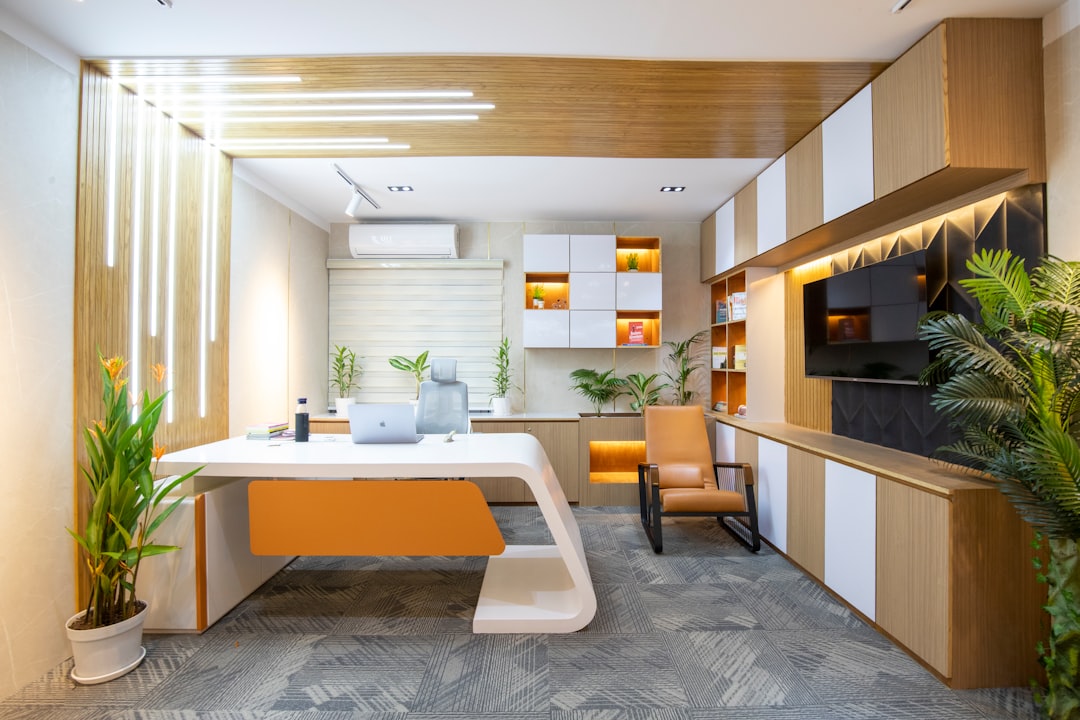
Commercial Interiors
Carpet vs Vinyl for Offices: Choosing the Right Floor
Office Flooring Matters More Than You Think
The floor beneath your feet affects productivity, acoustics, maintenance costs and the overall impression your office makes on clients and employees. In Singapore’s commercial landscape, carpet tiles and vinyl flooring are the two dominant choices for office environments.
Both materials are well-suited to commercial use, but they serve different priorities. Understanding where each excels — and where it falls short — is essential for making the right investment. This guide compares carpet and vinyl flooring across the factors that matter most for Singapore offices, helping you make an informed decision for your workspace.
Carpet Tiles for Offices
Carpet tiles — also known as modular carpet or carpet squares — are the most popular form of commercial carpet. Unlike broadloom carpet that comes in wide rolls, carpet tiles are individual squares (typically 500 mm by 500 mm) that are laid in a grid pattern on the office floor.
The key advantages of carpet tiles in an office setting include:
- Superior acoustics: Carpet absorbs sound, reducing ambient noise levels compared to hard flooring. In open-plan offices, this meaningfully reduces distracting background chatter and footfall noise.
- Comfort: The soft, cushioned surface reduces fatigue for employees who spend long hours at their desks. Walking on carpet is also quieter, minimising disruption in the workplace.
- Design versatility: Modern carpet tiles come in an extensive range of colours, patterns and textures. They can be mixed and matched to create zones, wayfinding paths and design features.
- Easy replacement: If a section becomes stained or worn, individual tiles can be replaced without disturbing the surrounding floor. This is a significant advantage in high-traffic areas and beneath office chairs.
Vinyl Flooring for Offices
Luxury vinyl tiles (LVT) and vinyl plank flooring have gained significant ground in commercial applications. Their popularity stems from durability, design flexibility and low maintenance requirements.
The key advantages of vinyl flooring in an office include:
- Exceptional durability: Commercial-grade vinyl with a wear layer of 0.5 mm or thicker handles heavy foot traffic without showing wear. It resists scratches from office chairs, trolleys and foot traffic.
- Water and stain resistance: Spills from coffee, tea and water are easily wiped away without any risk of staining. This is particularly valuable in pantry areas and meeting rooms.
- Low maintenance: Regular mopping is all that is needed. There is no need for periodic deep cleaning or extraction as with carpet.
- Professional appearance: Wood-look and stone-look vinyl creates a polished, premium impression that suits client-facing areas such as reception lobbies and meeting rooms.
Side-by-Side Comparison
| Factor | Carpet Tiles | Vinyl Flooring |
|---|---|---|
| Acoustics | Excellent — absorbs sound | Moderate — harder surface reflects some sound |
| Foot traffic durability | Good with quality tiles | Excellent |
| Stain resistance | Moderate — requires treatment | Excellent |
| Maintenance frequency | Regular vacuuming plus periodic deep cleaning | Regular mopping only |
| Allergen management | Can trap dust and allergens | Easy to clean, minimal allergen retention |
| Comfort | Soft and warm | Firmer but resilient |
| Design options | Patterns, textures, mixed layouts | Wood, stone, concrete, abstract effects |
| Replacement | Individual tiles replaceable | Individual tiles or planks replaceable |
| Lifespan (commercial use) | 8 to 15 years | 10 to 20 years |
Choosing by Office Zone
The most effective approach for many Singapore offices is to use both materials strategically, deploying each where it performs best.
Open-plan workstations: Carpet tiles are the preferred choice. Sound absorption is critical in open offices where dozens of employees work in proximity. Carpet reduces the ambient noise level, making it easier to concentrate and conduct phone conversations without disrupting neighbours.
Reception and lobby areas: Vinyl flooring creates a polished, professional first impression. Stone-look or wood-look vinyl conveys quality and is easy to keep immaculate despite heavy foot traffic from visitors.
Meeting rooms: Both materials work well here. Carpet enhances acoustic privacy for confidential discussions, while vinyl offers a more modern, boardroom-style look. The choice depends on whether acoustics or aesthetics take priority.
Pantry and kitchen areas: Vinyl is the clear winner. Spills from food and beverages are inevitable, and vinyl’s waterproof, stain-resistant surface makes cleaning effortless.
Server rooms and IT areas: Carpet tiles with anti-static properties are specifically designed for these environments. Static discharge can damage sensitive electronic equipment, making anti-static carpet an essential consideration.
Corridors and high-traffic paths: Either material works, but vinyl may be more practical for very high-traffic routes as it resists wear from rolling chairs and trolleys more effectively than carpet.
Singapore-Specific Considerations
Several factors unique to Singapore’s commercial environment should influence your decision.
Air-conditioning: Most Singapore offices run air-conditioning throughout business hours. This creates a consistently cool, dry indoor environment that benefits carpet tiles. Without the humidity that promotes mould growth, carpet performs well in air-conditioned offices. However, at night and on weekends when air-conditioning is off, humidity levels can rise, which carpet is more susceptible to than vinyl.
Lease terms: If your office is on a short lease, vinyl flooring is easier to remove and reinstall in a new location. Some vinyl systems, particularly click-lock products, can even be uplifted and relaid at your next office.
Green Mark certification: Both carpet tiles and vinyl flooring are available in products that contribute to Green Mark points. Look for products with low VOC emissions, recycled content and environmental certifications from recognised bodies.
Maintenance contracts: Factor in the long-term cleaning costs. Carpet tiles require professional extraction cleaning every six to twelve months, whereas vinyl only needs regular mopping. Over the lifespan of your office fit-out, this maintenance difference adds up significantly.
Design and Branding Opportunities
Both carpet tiles and vinyl flooring offer significant design possibilities that can reinforce your brand identity and create a memorable office environment.
Carpet tiles can be arranged in custom patterns using different colours and textures from the same collection. Create your brand’s colour palette in the flooring, define departmental zones with distinct colour schemes or design wayfinding paths that guide visitors from the reception to meeting rooms. The modular nature of carpet tiles makes these creative layouts straightforward to execute.
Vinyl flooring offers an equally rich design palette. Wood-look planks in warm tones create a welcoming, contemporary feel. Stone-look tiles lend gravitas to boardrooms and executive offices. Abstract and geometric patterns in vinyl are increasingly popular for creative agencies and technology firms seeking a distinctive aesthetic.
Combining both materials creates natural visual transitions between different areas of the office. A shift from wood-look vinyl in the reception to carpet tiles in the work area subtly communicates the transition from public to private space.
Making Your Decision
If acoustic comfort is your top priority — and for most open-plan offices, it should be — carpet tiles are the stronger choice for workstation areas. Their sound-absorbing properties create a more productive work environment that employees genuinely appreciate.
If low maintenance, durability and stain resistance matter most, vinyl flooring delivers superior long-term performance with lower ongoing costs. It is particularly well-suited to client-facing areas, pantries and high-traffic zones.
The best Singapore offices often combine both materials, creating distinct zones that optimise each material’s strengths. This hybrid approach ensures acoustic comfort where it matters most while maintaining practical durability in high-wear areas.
Ready to explore commercial flooring solutions for your office? Get a free quote for your project today and our commercial team will recommend the ideal combination of carpet and vinyl for your workspace.