Interior Design
Corridor Design Ideas: Transforming Transitional Spaces
Corridor design ideas can turn one of the most overlooked areas in any property into a memorable design feature. Whether in an HDB flat, condominium, or commercial building, corridors occupy significant square footage yet rarely receive the attention they deserve. With the right combination of wallcovering, flooring, and lighting, these transitional spaces become opportunities to impress.
Why Corridor Design Matters More Than You Think
In Singapore, where space comes at a premium, every square metre counts. Corridors in HDB flats typically measure 1.2 to 1.5 metres wide, while commercial buildings may have corridors stretching 20 metres or more. Ignoring these spaces means wasting valuable design real estate.
A well-designed corridor serves multiple purposes. It creates visual flow between rooms, reinforces a property’s design narrative, and can even influence how spacious a home or office feels. In commercial settings such as hotels and hospitals, corridors guide wayfinding and set the tone for guest and patient experiences.
The challenge lies in working with proportions. Corridors are inherently narrow and linear, which makes material selection and colour choices critical to avoiding a cramped or tunnel-like effect.
Flooring Strategies for Narrow Corridors
Flooring has the single greatest impact on how a corridor is perceived. The direction of plank installation, pattern choice, and colour all influence the sense of width and length.
Diagonal and Herringbone Layouts
Installing vinyl plank flooring at a 45-degree angle breaks the linear monotony of a corridor and draws the eye outward, creating an illusion of width. Herringbone patterns achieve a similar effect while adding a touch of sophistication suited to executive offices and luxury condominiums.
Colour and Tone Selection
Light to mid-tone flooring works best in residential corridors, reflecting ambient light and preventing the space from feeling enclosed. For commercial corridors with heavy foot traffic, mid-tone options in luxury vinyl tile provide both visual warmth and practical stain concealment.
Transition Considerations
Where corridors connect rooms with different flooring, seamless transitions maintain visual continuity. Flush transition strips in matching tones keep the eye moving forward rather than stopping at thresholds.
Wallcovering Ideas That Add Depth
Walls dominate the visual field in any corridor, making wallcovering one of the most effective tools for transformation. Singapore’s humid climate calls for vinyl-based wallcoverings that resist moisture and are easy to maintain.
Feature Wall Panels
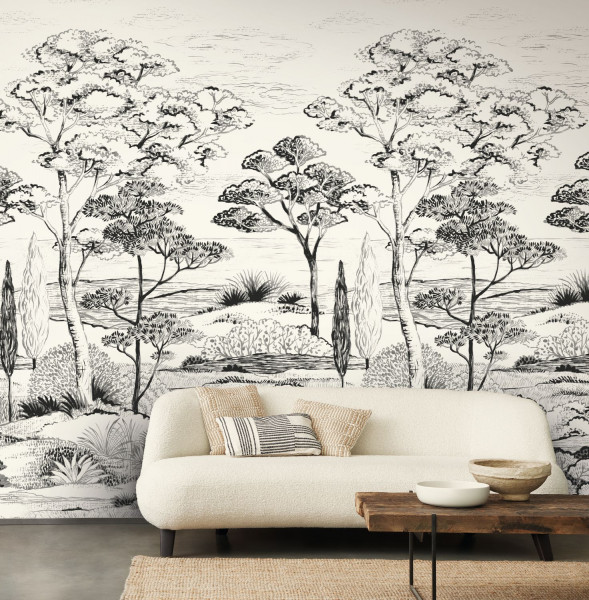
Applying a textured or patterned wallpaper to one side of a corridor while keeping the opposite wall in a complementary solid tone creates depth without overwhelming the space. Vertical stripe patterns draw the eye upward and make standard 2.6-metre ceilings feel taller.
Colour Blocking and Ombre Effects
Gradient wallcoverings that transition from darker tones at the base to lighter tones at the top add visual interest and a contemporary edge. This technique works particularly well in commercial corridors where branding colours can be subtly incorporated.
Textured Neutrals for Residential Corridors
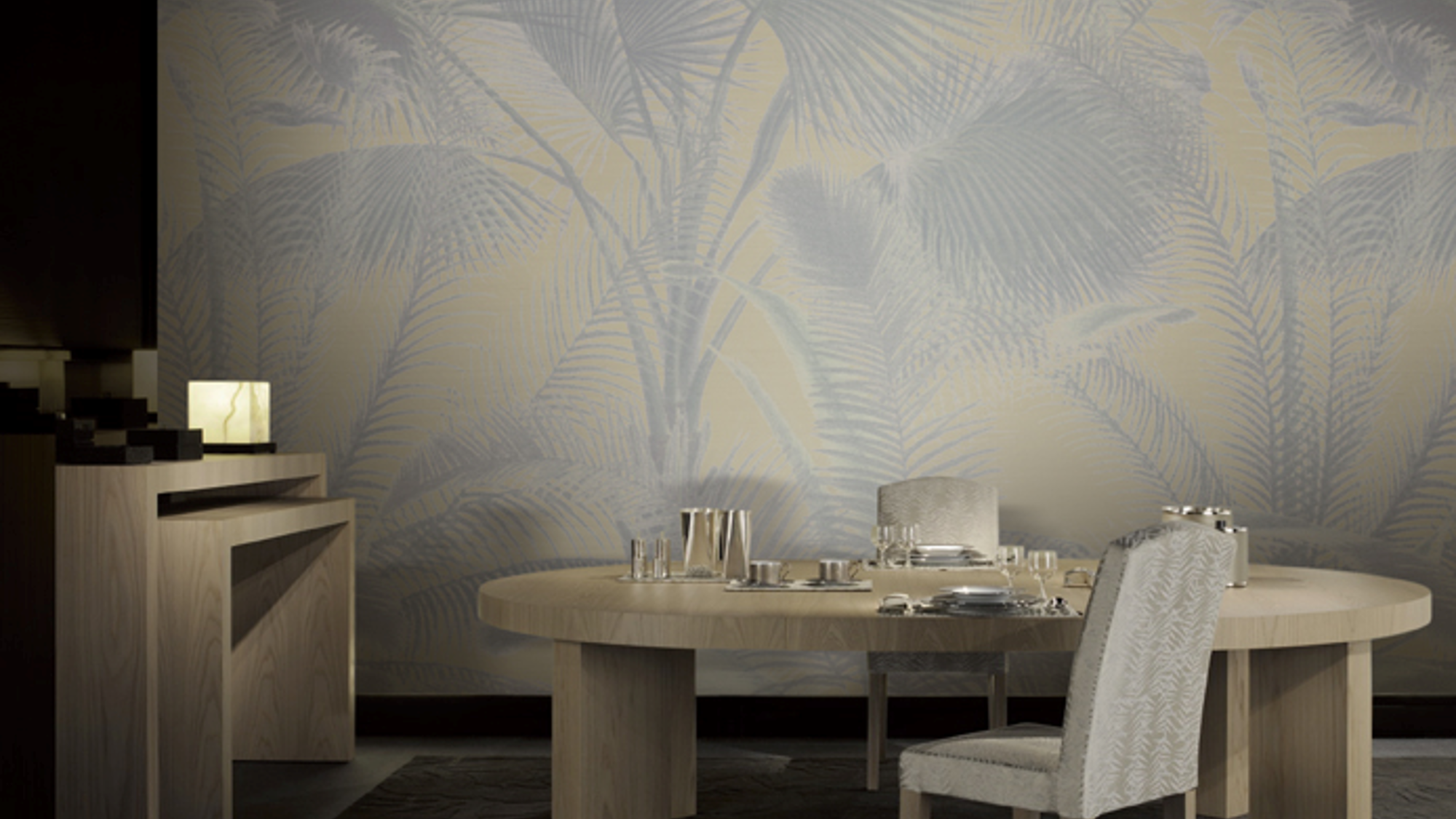
Grasscloth-effect and linen-textured wallcoverings in neutral tones add warmth and tactile interest to HDB and condo corridors. These patterns are forgiving enough to suit narrow spaces without creating visual clutter.
Lighting Techniques for Corridor Spaces
Lighting transforms corridors from utilitarian passageways into design features. In Singapore’s residential context, many HDB corridors lack natural light, making artificial lighting design essential.
Layered Lighting
Combining recessed ceiling downlights with wall-mounted sconces or LED strip lighting at skirting level creates layers that add dimension. Warm white tones between 2700K and 3000K suit residential corridors, while commercial spaces may use 3500K to 4000K for a crisper feel.
Accent Lighting for Art and Features
Picture lights or adjustable spotlights turn corridor walls into gallery spaces. This approach is especially effective in hotel corridors and executive office hallways where artwork or design features merit highlighting.
Backlit wall panels, where LED strips are mounted behind translucent wallcovering panels, create a soft ambient glow that eliminates the harsh shadows typical of narrow spaces.
Corridor Design for Specific Settings
HDB Flat Corridors
Standard HDB corridors benefit from light-coloured vinyl flooring, a single feature wallpaper panel, and recessed lighting. Built-in storage with mirrored doors can double the perceived width of the space. Keep furniture out of the corridor to maintain clear passage — the minimum width for comfortable movement is 900mm.
Hotel and Hospitality Corridors
Hotel corridors must balance aesthetics with durability. Patterned carpet tiles are the industry standard, offering sound absorption and easy replacement of worn sections. Wallcovering in rich tones with subtle texture creates a sense of arrival and luxury that sets expectations before guests reach their rooms.
Office Building Corridors
Commercial corridors in Singapore offices need to comply with fire safety regulations while maintaining a professional appearance. Fire-rated wallcoverings combined with hard-wearing LVT flooring meet both requirements. Wayfinding elements such as colour-coded zones or numbered sections can be integrated into the wallcovering design.
Healthcare Corridors
Hospital and clinic corridors have specific requirements including handrail clearances, wheelchair turning space, and infection-control-compatible surfaces. Vinyl wallcovering with antimicrobial properties and sheet vinyl flooring with welded seams are standard choices. Colour contrast between walls and flooring aids patients with visual impairments.
Common Mistakes to Avoid
Overcrowding a corridor with too many design elements is the most frequent error. In a narrow space, restraint is essential. Choose one feature — whether flooring pattern, wallcovering, or lighting — as the focal point and keep everything else understated.
Using dark colours on both walls and floor simultaneously makes corridors feel confined. If you opt for a dark flooring tone, pair it with light walls, and vice versa. The contrast creates a sense of dimension that monochromatic dark schemes eliminate.
Neglecting acoustics is another oversight, particularly in commercial settings. Hard surfaces amplify footsteps and conversation, making carpet tiles or acoustic wallcovering panels worthwhile investments in office and hospitality corridors.
Finally, ignoring maintenance requirements leads to corridors that look worn within months. High-traffic corridors need scuff-resistant flooring and wipeable wallcoverings. Vinyl-based products consistently outperform painted surfaces and natural materials in these demanding applications.
Final Thoughts
Corridors deserve the same design consideration as any primary living or working space. With thoughtful material selection, strategic lighting, and restraint in styling, these transitional areas become genuine design assets rather than afterthoughts.
Book an appointment with our design consultants to explore wallcovering and flooring options for your corridor project.