Interior Design
Dining Room Design Ideas for Singapore Homes
Dining room design ideas for Singapore homes must account for the central role that food plays in local culture. The dining space is where families gather for daily meals, host festive celebrations during Chinese New Year and Hari Raya, and entertain friends over homecooked food or delivered cuisine. It deserves as much design attention as the living room — yet in many Singapore homes, it remains an afterthought.
This guide offers practical design strategies for creating dining spaces that are functional, beautiful, and suited to the way Singaporeans actually eat and entertain.
Dining Room Configurations in Singapore Homes
The physical format of your dining space depends on your housing type and floor plan. Understanding your starting point helps you make the right design decisions.
Open-Plan Living-Dining
The most common configuration in Singapore condos and newer HDB BTO flats. The dining area shares a continuous space with the living room, typically positioned between the kitchen and the lounge. Design challenges include defining the dining zone without physical walls and managing the visual relationship between dining and living functions.
Enclosed Dining Room
Some older HDB flats, resale condos, and landed properties feature a separate dining room. This enclosed format offers privacy and containment — you can make bolder design choices without affecting the adjacent spaces. However, enclosed dining rooms can feel dark and disconnected if not designed thoughtfully.
Kitchen-Dining Combined
In compact HDB flats and smaller condos, the dining table often sits in or adjacent to the kitchen. This configuration suits casual, everyday dining and creates a sociable cooking-eating dynamic. Material choices must account for kitchen proximity — humidity, cooking odours, and grease are practical considerations.
Choosing the Right Dining Table
The dining table is the centrepiece of the space. Its size, shape, and material set the tone for everything else.
Size Guidelines
Allow 60 centimetres of table width per person for comfortable dining. A four-seater table should be at least 120 by 75 centimetres. A six-seater needs approximately 180 by 90 centimetres. Leave at least 80 centimetres between the table edge and the nearest wall or furniture piece for chair movement and traffic flow.
In compact spaces, consider extendable tables that accommodate four people daily and expand to six or eight for entertaining. Round tables are space-efficient and facilitate conversation — a 120-centimetre diameter round table seats four to five people comfortably.
Material Choices
Solid timber tables bring warmth and character. Marble and sintered stone tables add luxury and are highly durable, though they are heavy and require careful handling. Glass tables create a visual lightness that suits compact spaces. Ceramic-top tables offer the look of stone with better resistance to heat and staining.
For Singapore homes, consider heat resistance (for hot pots and steamboat gatherings), stain resistance (for soy sauce and curry), and ease of cleaning. A dining table that cannot handle the reality of Singaporean dining habits will be a source of constant stress.
Dining Chair Selection and Upholstery
Dining chairs deserve more consideration than they typically receive. Uncomfortable chairs shorten meals and discourage lingering — undermining the dining experience regardless of how beautiful the table looks.
Test chairs for comfort before purchasing. Look for seats that support the thighs without cutting into the back of the knees, backrests that provide lumbar support, and a seat height that pairs correctly with your table (standard dining table height is 73 to 76 centimetres, requiring a seat height of 43 to 48 centimetres).
Upholstered dining chairs add comfort and a touch of luxury. Performance fabrics with stain-resistant finishes are essential for dining use — spills are inevitable. Choose fabrics in mid-toned colours or subtle patterns that disguise minor soiling between cleans. Goodrich Global’s upholstery fabric collection includes performance-rated options suited to dining applications.
For households with young children, wipeable faux leather or vinyl-upholstered chairs offer the easiest maintenance. For adult-only dining settings, fabric upholstery in linen or textured weaves adds sophistication.
Lighting the Dining Space
Dining room lighting sets the mood for meals and is one of the most impactful design elements in the space. The right fixture transforms a functional eating area into an inviting gathering place.
Pendant Lights
A pendant light or chandelier centred above the dining table is the most common and effective approach. The bottom of the fixture should hang 75 to 85 centimetres above the table surface — low enough to create an intimate pool of light, high enough to avoid obstructing sightlines across the table.
For rectangular tables, a linear pendant or a row of two to three individual pendants works well. For round tables, a single pendant centred above the table is most appropriate.
Dimming Capability
Install a dimmer switch for your dining light. Bright light suits weekday family meals and homework sessions, while dimmed light creates atmosphere for dinner parties and special occasions. This simple addition provides enormous flexibility in setting the dining mood.
Supplementary Lighting
Wall sconces or a buffet lamp on a sideboard add warmth and depth to the dining area. In open-plan spaces, the dining pendant also helps visually define the dining zone — the cone of light it casts signals where the dining area begins and ends.
Wall and Floor Treatments
The surfaces surrounding the dining area contribute significantly to its atmosphere and should be chosen with both aesthetics and practicality in mind.
Feature Walls
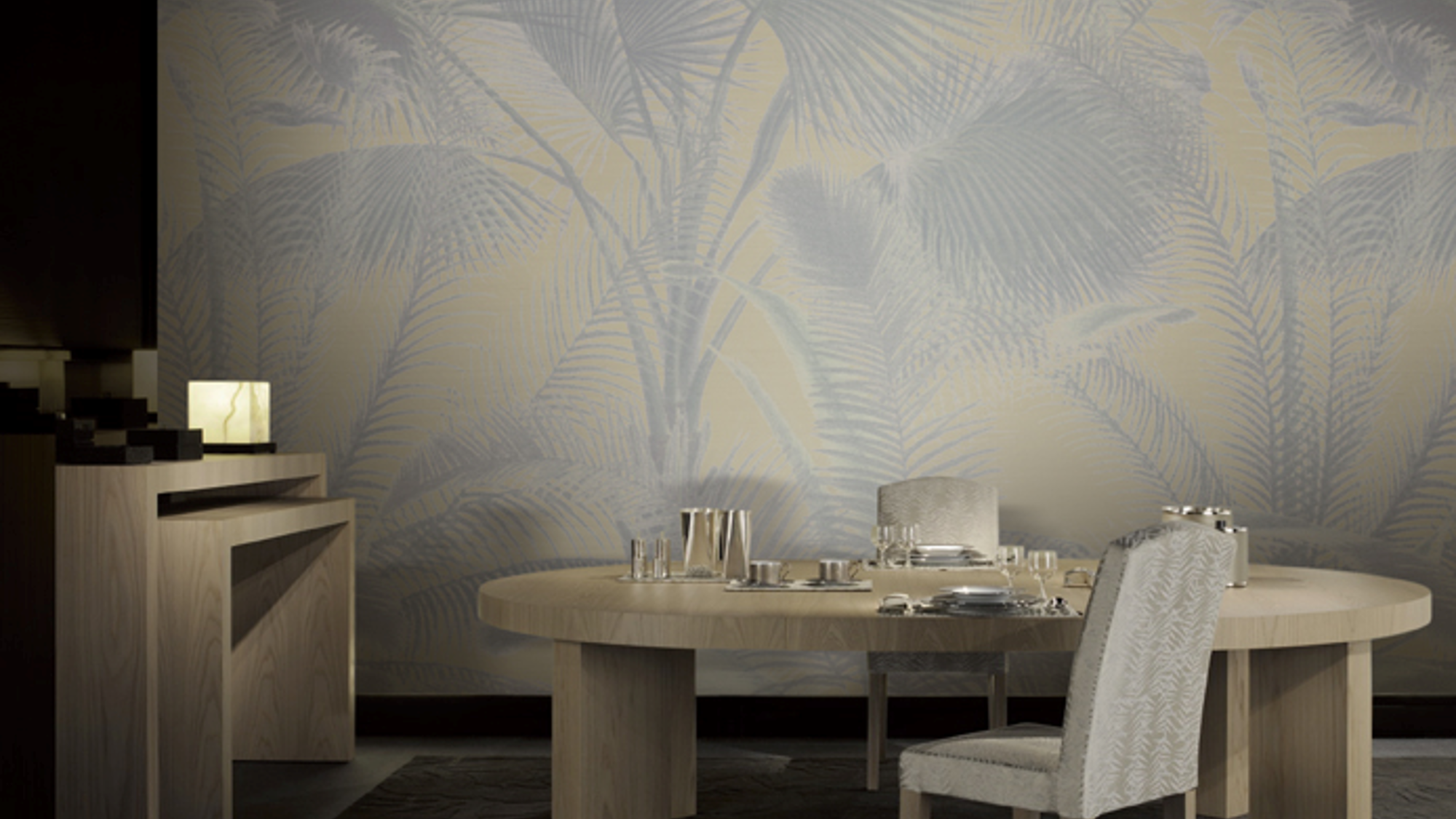
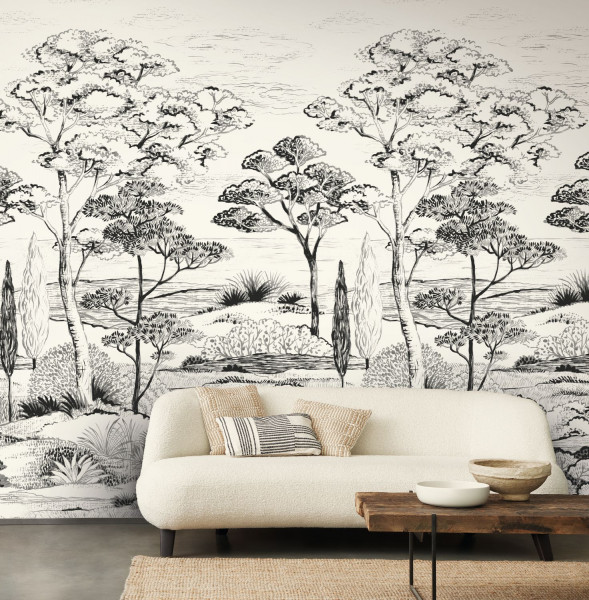
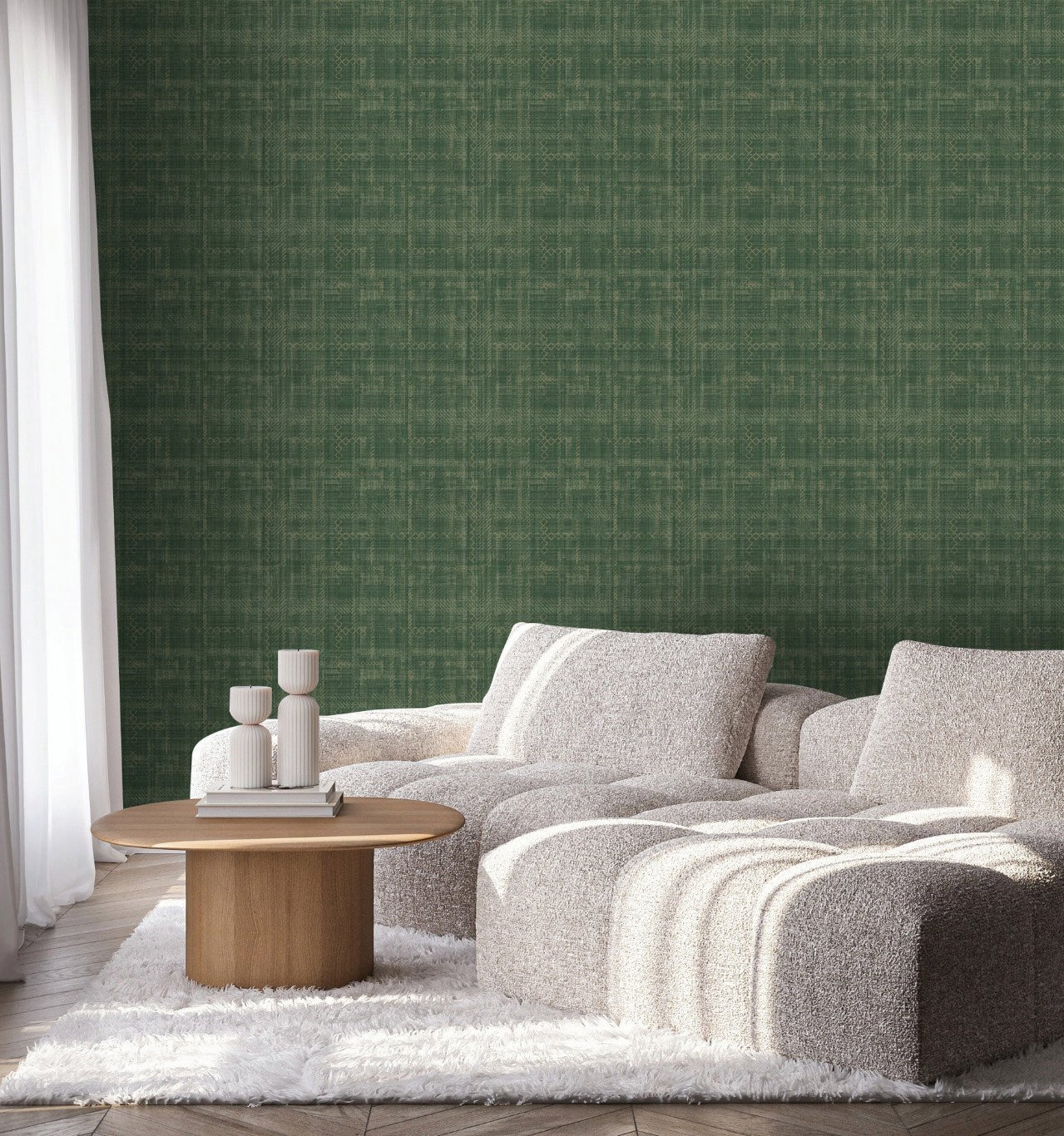
A wallpapered feature wall behind a dining sideboard or banquette creates a design focal point that anchors the dining zone. Textured wallcoverings — grasscloth, linen-effect, or subtle geometric patterns — add depth and sophistication without overwhelming the space. In open-plan layouts, a feature wall is one of the most effective ways to define the dining area visually.
Flooring
The dining area floor must handle chair movement, food and drink spills, and frequent cleaning. Vinyl flooring and tile are the most practical choices. Timber-look vinyl provides the warmth of wood with waterproof protection — important beneath a dining table where spills are routine. Avoid rugs under dining tables unless you are prepared for regular cleaning; food debris inevitably finds its way onto the floor during meals.
Wainscoting and Panelling
Wall panelling on the lower portion of the dining room walls adds architectural interest and provides a degree of protection against chair-back scuffs. This treatment works particularly well in enclosed dining rooms and can be painted to match or contrast with the upper wall.
Design Ideas for Specific Settings
Here are targeted ideas for Singapore’s most common dining scenarios.
| Setting | Key Challenge | Design Solution |
|---|---|---|
| HDB 4-room open-plan | Limited space, shared with living room | Round table, pendant light to define zone, bench seating against wall |
| HDB 5-room enclosed dining | Can feel dark and isolated | Mirror on one wall, wallpaper feature, bright pendant lighting |
| Condo open-plan | Visual competition with living area | Distinctive pendant, feature wall, rug to anchor the zone |
| Landed property | Large space can feel empty | Oversized table, statement chandelier, sideboard with art above |
Final Thoughts
The dining room is where Singapore life happens — daily meals, family celebrations, and gatherings with friends. It deserves a design that is as thoughtful and welcoming as the food served on the table. By getting the fundamentals right — an appropriately sized table, comfortable chairs, atmospheric lighting, and durable surfaces — you create a space that invites people to sit down, stay, and savour the moment.
Good dining room design does not just look beautiful. It makes meals taste better.
Get a free quote for your project today and discover flooring, wallcovering, and fabric options for your ideal dining space.