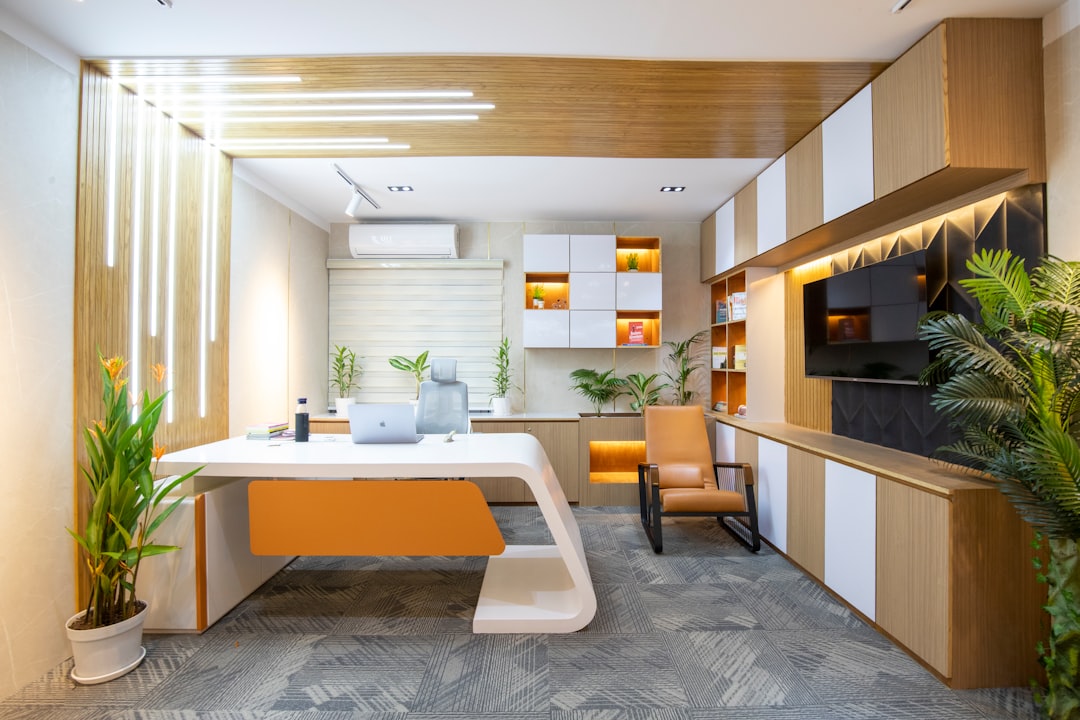
Commercial Interiors
Durable Flooring for Co-Living and Build-to-Rent Interiors
Flooring is the hardest-working surface in any shared-living building, which makes co-living flooring one of the most consequential decisions an operator makes. In Singapore’s growing co-living and build-to-rent sector, floors face suitcase wheels, constant footfall, spills and the wear of residents who move in and out far more often than a typical household. Get the specification right and the floor looks good for years; get it wrong and replacement costs erode the entire investment case.
As operators such as Assembly Place scale up large schemes — including the Phoenix Park adaptive-reuse project — the economics of durable, refresh-friendly flooring come sharply into focus. This guide covers how to specify flooring for high-turnover co-living and build-to-rent interiors.
The Co-Living Flooring Brief Is Unforgiving
Residential flooring assumes one household and gentle, predictable use. Co-living breaks both assumptions. Turnover is high, occupancy is dense, and shared zones absorb traffic from the whole building rather than a single family. The flooring brief therefore looks much more like a commercial one than a domestic one.
The pressures that should drive the specification:
- Heavy, concentrated traffic through corridors, lounges and entrances.
- Move-in and move-out wear from trolleys, suitcases and furniture being dragged across floors.
- Moisture and spills in kitchens, bathrooms and communal areas, amplified by Singapore’s humidity.
- Refresh cycles that demand easy, partial replacement rather than full strip-out.
Goodrich Global supplied durable, heavy-traffic flooring for the JustCo at The Collective co-working scheme at Labrador Tower — a project built around exactly these pressures. The same flooring logic transfers cleanly to co-living.

Luxury Vinyl: The Default for High-Turnover Interiors
For most co-living applications, luxury vinyl is the sensible default. It combines a convincing wood or stone appearance with the practical properties shared living demands: full waterproofing, strong abrasion resistance, and simple maintenance that housekeeping teams can sustain across many rooms.
In Singapore’s climate, the waterproofing matters as much as the wear rating. Luxury vinyl flooring shrugs off the humidity and occasional flooding that can warp timber or laminate, while delivering the warm residential look co-living residents expect. For bedrooms, studios and shared corridors alike, it offers the best balance of durability, appearance and cost per square metre.
Carpet Tile: Comfort, Acoustics and Modular Replacement
Hard flooring everywhere makes a building feel cold and loud. Carpet tile earns its place in lounges, quiet corridors and co-work corners by adding warmth and absorbing both reverberation and footfall noise — a meaningful comfort upgrade in dense shared living.
The decisive advantage for operators is modularity. With commercial carpet tiles, a stained or worn section can be lifted and replaced individually, without re-laying a whole floor or closing a communal space. Over a building’s life, that turns flooring maintenance from a disruptive capital event into a routine swap, protecting both budget and resident experience.
Matching the Floor to the Space
The strongest co-living schemes zone their flooring by function rather than applying one product throughout:
| Space | Recommended flooring | Why |
|---|---|---|
| Bedrooms and studios | Luxury vinyl | Warm look, waterproof, easy to clean between tenancies |
| Shared lounges | Carpet tile | Acoustic comfort, warmth, modular replacement |
| Corridors | Carpet tile or vinyl | Footfall noise control and high wear resistance |
| Kitchens and bathrooms | Luxury vinyl | Full waterproofing and slip-aware finishes |
| Entrances and lobbies | Vinyl with barrier matting | Heaviest traffic and dirt ingress |
Specifying for Whole-Life Cost
The cheapest floor to install is rarely the cheapest to own. In co-living, where refresh cycles are short and downtime is lost revenue, whole-life cost should lead the decision. Prioritise products that resist wear, clean easily, and allow partial replacement, and keep ranges consistent across a portfolio so replacement stock is always available and on-brand.
Sourcing vinyl and carpet tile from a single supplier also simplifies coordination — aligned lead times, matched specifications across buildings, and one point of contact when it is time to refresh.
Final Thoughts
Durable flooring is the foundation of a co-living scheme that performs year after year. Pair waterproof luxury vinyl with modular carpet tile, zone each by function, and specify for whole-life cost rather than headline price — and the floor will keep earning long after fit-out.