Carpet & Flooring
Flooring Colour Guide: Match Floors to Your Interior
A well-considered flooring colour guide can save you from costly mistakes and help you create interiors that feel cohesive, spacious and intentional. Flooring occupies the largest visual surface area in any room, making its colour one of the most influential design decisions in your home.
This guide covers colour theory fundamentals, practical matching strategies and room-by-room recommendations tailored to Singapore homes.
Why Flooring Colour Matters
Flooring colour affects the perceived size, temperature and mood of a room. Unlike wall colour or furniture, which can be changed relatively easily, flooring is a long-term commitment that forms the foundation of every subsequent design decision.
- Light floors make rooms feel larger, brighter and more open. They reflect natural and artificial light, which is particularly beneficial in compact HDB flats and condominiums.
- Dark floors create a sense of warmth, intimacy and sophistication. They anchor furniture and provide dramatic contrast with lighter walls and furnishings.
- Mid-tone floors offer the greatest versatility, complementing both warm and cool colour schemes while hiding dirt and wear more effectively than very light or very dark options.
Colour Theory Basics for Flooring
You do not need to be a trained designer to make confident colour choices. A few fundamental principles guide most successful flooring decisions.
Warm vs Cool Tones
Flooring colours fall into warm (yellow, orange, red undertones) or cool (blue, grey, green undertones) categories. Consistency between your flooring tone and the rest of the room creates harmony.
A warm oak-toned floor pairs naturally with warm-toned furniture, earthy wall colours and natural materials. A cool grey floor complements blue-grey walls, white furnishings and contemporary metallic accents.
Contrast and Complement
Contrasting your floor colour with your walls and furniture creates visual drama. Light walls with dark floors (or vice versa) make each element stand out. Complementary schemes, where floor and wall colours sit in a similar tonal range, create a calmer, more unified look.
The 60-30-10 Rule
A classic interior design formula: 60 percent of the room’s colour comes from dominant surfaces (walls and floors), 30 percent from secondary elements (furniture and curtains) and 10 percent from accents (cushions, art and decorative objects). Your flooring colour should work within this dominant 60 percent alongside your walls.
Matching Flooring Colour to Interior Styles
Scandinavian and Minimalist
Light wood tones — pale oak, birch, whitewashed finishes — define this style. Pair with white or off-white walls, simple furniture and natural textures. This is one of the most popular interior styles in Singapore condominiums and creates a sense of calm, spaciousness.
Contemporary and Urban
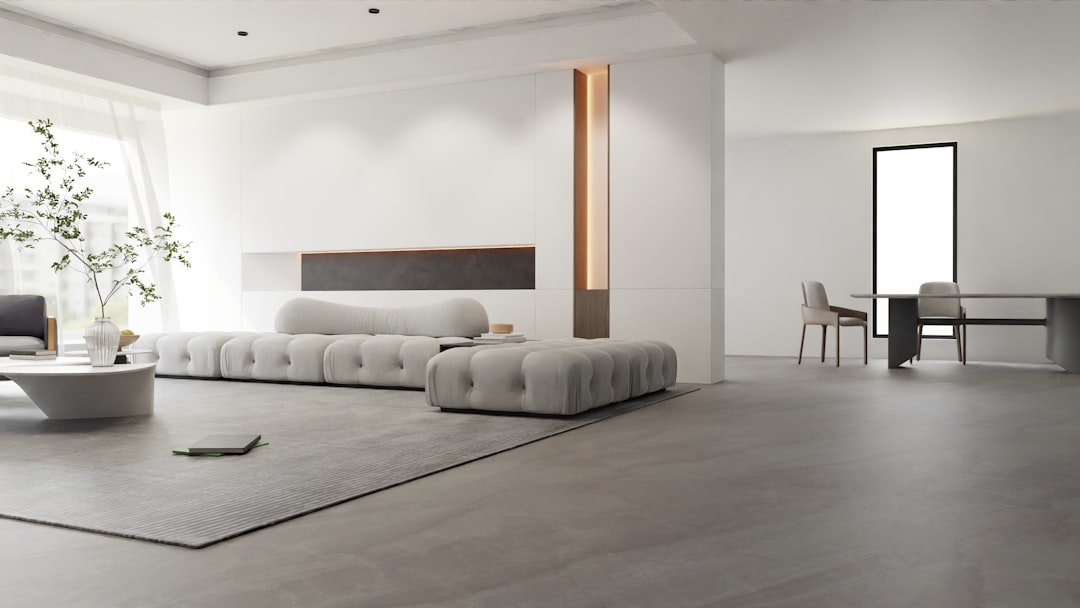
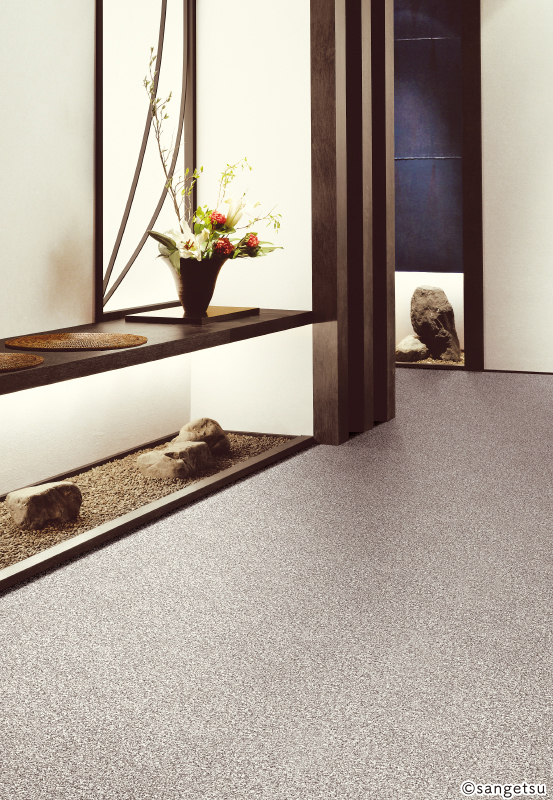
Grey-toned flooring in concrete, stone or wood-look finishes anchors modern interiors. Combine with monochromatic walls, clean-lined furniture and metallic or glass accents. Grey floors are extremely versatile and work with both warm and cool accent colours.
Classic and Traditional
Medium to dark wood tones — walnut, mahogany, teak — convey timeless elegance. Pair with rich wall colours, traditional furniture profiles and layered textiles. This style suits landed properties and larger condominiums with generous room proportions.
Tropical and Resort
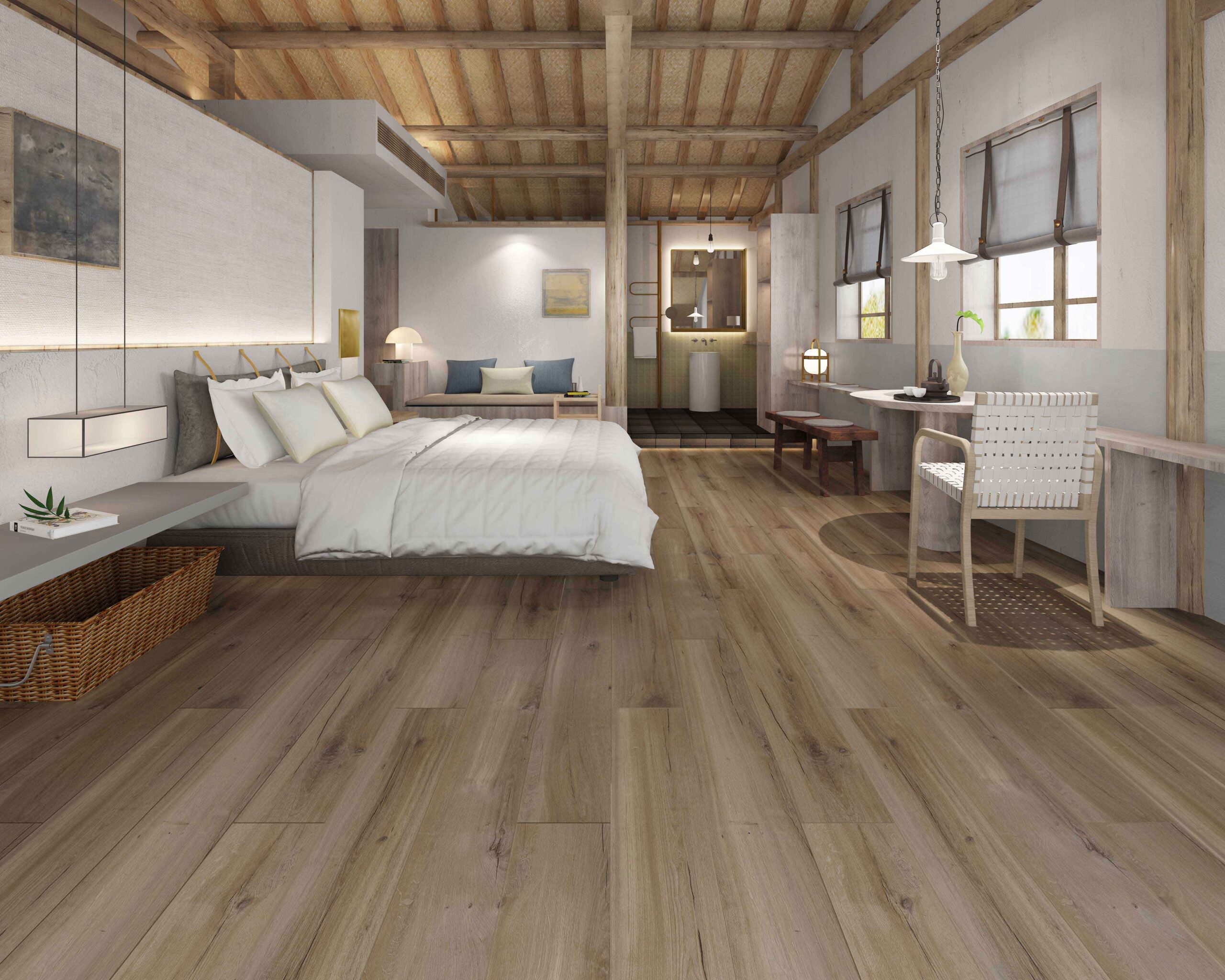
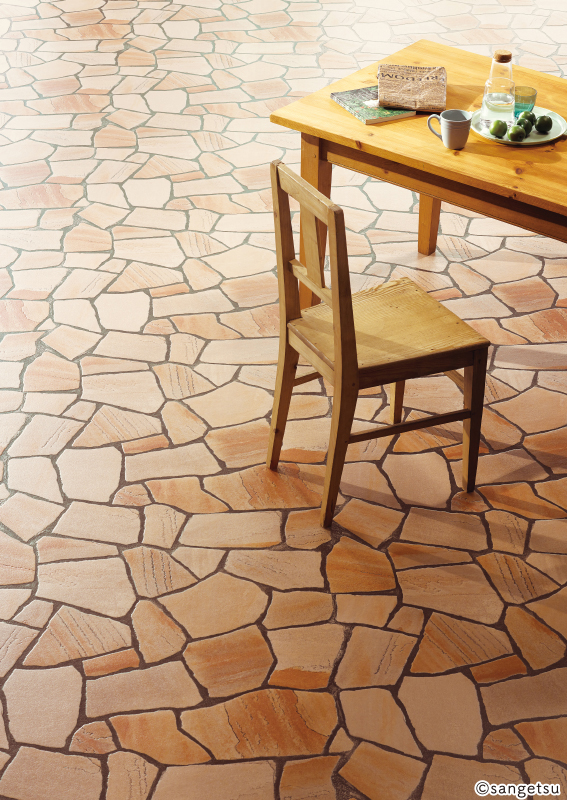
Warm, natural wood tones or stone-look floors complement the tropical resort aesthetic popular in Singapore. Combine with rattan furniture, lush greenery and earth-toned wallcoverings or fabric accents.
Industrial
Concrete-look or dark charcoal flooring creates the raw, urban foundation this style demands. Pair with exposed brick textures, metal furniture and muted colour palettes with bold accent pieces.
Room-by-Room Colour Recommendations
| Room | Recommended Tones | Why |
|---|---|---|
| Living Room | Mid-tones (warm oak, grey, taupe) | Versatile, hides wear, complements most furniture |
| Bedroom | Warm light or mid-tones | Creates a calm, restful atmosphere |
| Kitchen | Mid to dark tones | Hides spills and stains better |
| Bathroom | Light to mid, stone-look | Brightens typically windowless rooms |
| Study / Home Office | Warm mid-tones | Professional, focused atmosphere |
| Hallway / Entrance | Mid-tones | Practical for high traffic, transitions well |
Flooring Colour and Room Size
In Singapore, where many homes are compact, flooring colour is a powerful tool for managing spatial perception.
Small Rooms
Light flooring makes small rooms feel larger by reflecting light and reducing visual weight. Wide plank or large tile formats enhance this effect by reducing the number of visible joints, which makes the floor plane appear more expansive.
Large Rooms
Larger rooms can accommodate darker flooring without feeling cramped. Dark floors in spacious living areas create a grounded, luxurious feel. If you want to add warmth to a large, light-filled room, a medium-dark floor achieves this without making the space feel heavy.
Open-Plan Spaces
For open-plan HDB and condo layouts, use a single flooring colour throughout connected spaces. This creates visual continuity and makes the overall area feel larger. If you wish to define zones, use area rugs or changes in carpet rather than changing the hard flooring colour.
Common Colour Mistakes to Avoid
- Matching too closely: Flooring that exactly matches your furniture creates a flat, monotonous look. Aim for coordination, not identical colour.
- Ignoring undertones: A floor that looks warm in the showroom may appear different under your home’s lighting. Always view samples in your actual space.
- Following trends blindly: Very trendy colours may date quickly. Choose a base colour you genuinely like and use easily changeable elements like rugs and cushions for trendy accents.
- Forgetting about lighting: The same floor colour looks different under warm, cool and natural light. Check samples at different times of day in the room where the floor will be installed.
- Neglecting transitions: If different flooring colours are used in adjoining rooms, plan the transition carefully with appropriate profiles and complementary tones.
Final Thoughts
Your flooring colour sets the mood for every room in your home. By understanding basic colour principles, considering your room sizes and lighting and matching your floor to your preferred interior style, you can make a confident choice that enhances your home for years to come. Always view physical samples in your actual space before committing.
Goodrich Global offers a diverse range of luxury vinyl flooring in a wide spectrum of colours and finishes. Our consultants can help you find the perfect shade for your interior vision.