Carpet & Flooring
Flooring for HDB Bomb Shelters | Practical Options
Making the Most of Your HDB Bomb Shelter
Every HDB flat built since 1997 includes a household shelter, commonly known as the bomb shelter. This small, heavily reinforced room is mandated by the Singapore Civil Defence Force (SCDF) for civil protection purposes, but for the remaining 99 per cent of the time, it serves as a storeroom, study, hobby room, or home office.
While the bomb shelter comes with bare concrete flooring, you can significantly improve its functionality and appearance with the right flooring. However, there are important regulations to follow. This guide covers your options and the rules you need to know.
SCDF Regulations You Must Follow
Before choosing flooring for your bomb shelter, understand the restrictions. The SCDF permits certain modifications to household shelters, but there are firm boundaries:
- You may not make any permanent structural alterations to the walls, ceiling, or floor of the shelter.
- All modifications must be easily removable so the shelter can be restored to its original state.
- You must not drill into the reinforced concrete floor, walls, or ceiling.
- The blast door and its frame must not be obstructed or modified.
- Nothing may be permanently fixed to the walls or floor.
These regulations directly influence your flooring options. Any flooring you install must be removable and must not involve drilling, permanent adhesive, or structural modification to the concrete slab.
Best Flooring Options for Bomb Shelters
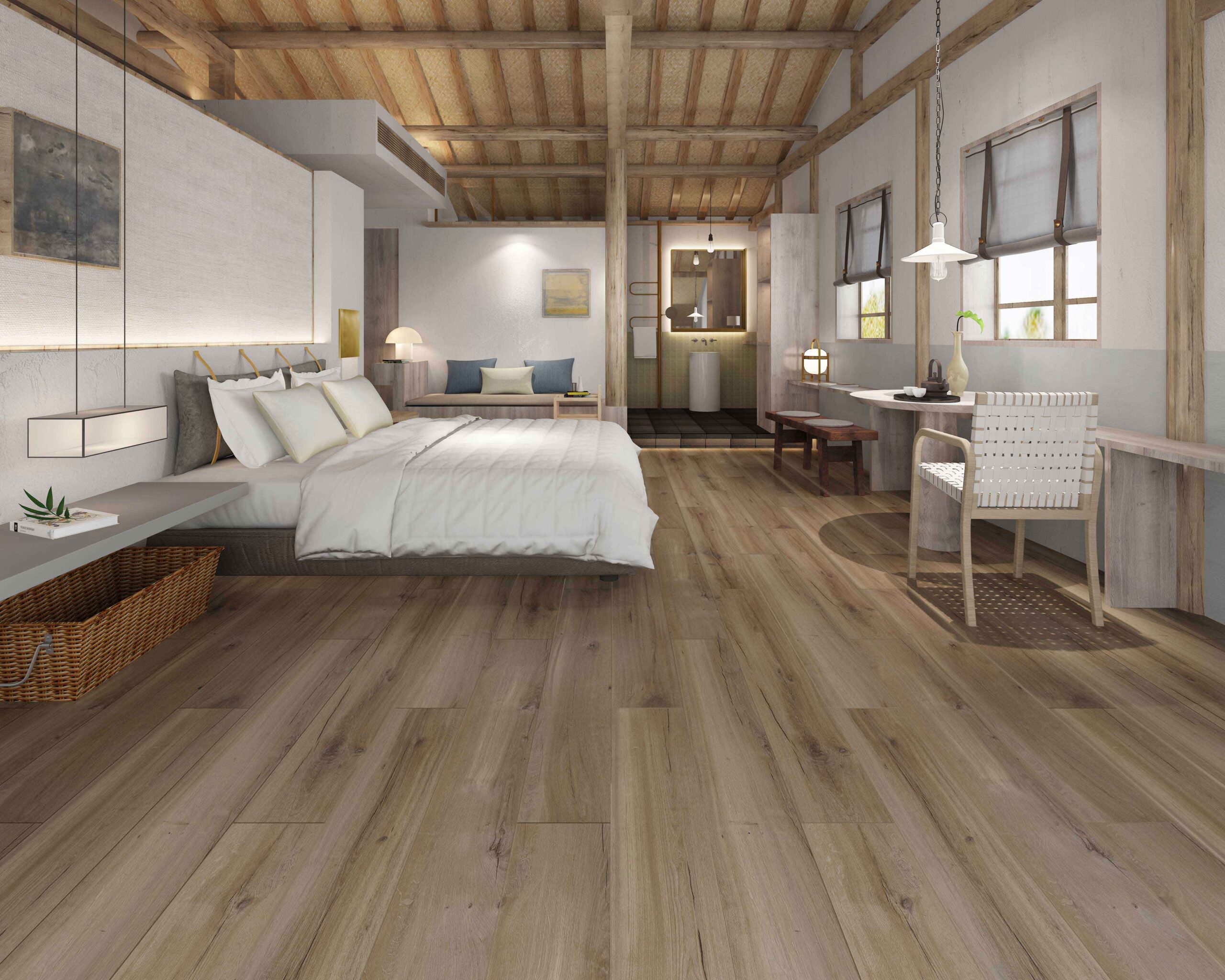
Floating Vinyl Flooring (Click-Lock)
Click-lock vinyl flooring is arguably the best solution for HDB bomb shelters. It installs as a floating floor — meaning it sits on top of the concrete without any adhesive or mechanical fastening. The planks interlock and are held in place by their own weight and the surrounding walls.
This ticks every regulatory box: no drilling, no permanent adhesive, fully removable. When you need to restore the shelter to its original condition, the planks simply unclick and lift out.
Vinyl is also practical for the common uses of a bomb shelter. It is waterproof, so it handles the occasional humidity or minor leak that can occur in these enclosed concrete spaces. It is durable enough to withstand stored items being placed on it and moved around. And it dramatically improves the look and feel of the room compared to raw concrete.
Browse the luxury vinyl flooring collection for click-lock options suited to bomb shelter installations.
Interlocking Foam or Rubber Tiles
For a more utilitarian approach, interlocking foam or rubber tiles offer a simple and affordable solution. These tiles snap together like puzzle pieces and can be laid directly on the concrete floor without adhesive.
Rubber tiles are particularly good if you use the bomb shelter as a small exercise area or a play space for children. They provide cushioning and sound absorption. However, they lack the aesthetic refinement of vinyl flooring and may not suit a room used as a study or home office.
Carpet Tiles
Loose-lay carpet tiles are another removable option. They sit on the concrete floor using their own weight, sometimes with a peel-and-stick backing that can be removed cleanly. Carpet tiles add warmth and sound absorption, making the bomb shelter feel less like a concrete box and more like a comfortable room.
The main drawback in Singapore is moisture. Bomb shelters are enclosed spaces with limited ventilation, and the concrete floor can become damp, especially during the monsoon season. If you choose carpet tiles, ensure the concrete is dry and consider using a moisture-barrier mat beneath them to prevent musty odours.
What to Avoid in a Bomb Shelter
- Glue-down flooring. Permanent adhesives violate SCDF regulations and are difficult to remove from reinforced concrete without damaging the surface.
- Ceramic or porcelain tiles. These require adhesive or thin-set mortar, making them a permanent modification. They are not permitted in household shelters.
- Solid hardwood. Beyond the regulatory issues, the enclosed, humid environment of a bomb shelter makes solid wood a poor practical choice.
- Laminate flooring. While technically installable as a floating floor, laminate’s vulnerability to moisture makes it risky in a bomb shelter environment.
Preparing the Bomb Shelter Floor
Before laying any flooring, prepare the concrete surface properly:
Clean thoroughly. Sweep and mop the concrete to remove dust, debris, and any residue. A clean surface ensures your floating floor sits flat and stable.
Check for moisture. Place a piece of plastic sheeting on the floor, tape the edges, and leave it for 24 to 48 hours. If moisture collects beneath the plastic, you have a dampness issue that needs addressing before flooring is installed. A moisture-barrier underlayment can help in mild cases.
Level the surface. Minor irregularities in the concrete are normal and can be accommodated by underlayment beneath a floating floor. Significant bumps or dips may need to be addressed — consult a flooring professional for advice on non-permanent levelling solutions.
Add underlayment. A thin foam or cork underlayment beneath your vinyl planks provides cushioning, minor levelling, and a moisture barrier. It also prevents the hollow sound that can occur when a floating floor is laid directly on hard concrete.
Using Your Bomb Shelter Effectively
With proper flooring installed, your bomb shelter transforms from an afterthought into a genuinely useful space. Common uses include:
Home office or study. The enclosed, quiet nature of a bomb shelter actually makes it well-suited for focused work. Add a desk, a chair, and good lighting, and you have a private workspace away from the bustle of the main living areas.
Storage room. This is the most common use. Durable vinyl flooring protects the concrete from scratches and stains caused by moving boxes and stored items. It also makes the space easier to clean when you reorganise.
Children’s play area. The self-contained room keeps toys and noise contained. Vinyl or rubber flooring provides a safe, easy-to-clean surface for play.
Music practice room. The thick concrete walls offer natural sound insulation. Combined with sound-absorbing flooring and soft furnishings, a bomb shelter can serve as a practice space for instruments without disturbing the household or neighbours.
Whatever you use it for, ensure you do not permanently block the blast door or compromise the shelter’s structural integrity. All furnishings and fittings should be removable.
Maintaining Your Bomb Shelter Flooring
Bomb shelters present a unique maintenance environment. The enclosed concrete space tends to trap humidity, and the lack of natural ventilation means moisture can build up, particularly during the monsoon season.
For vinyl flooring, regular cleaning with a damp mop and a gentle cleaner keeps the surface in good condition. Periodically check the edges and corners for any signs of moisture accumulation beneath the floating floor. If you notice dampness, improve ventilation by leaving the door open when possible or placing a portable dehumidifier in the room.
Inspect the underlayment annually. In a humid, enclosed space, even moisture-resistant materials can develop issues over time. Lifting a corner plank to check the underlayment condition takes only a moment and gives you early warning of any problems.
If you use the bomb shelter for storage, avoid placing items directly against the flooring edges where they might impede airflow. Elevating storage boxes on simple racks or pallets allows air to circulate beneath and around them, reducing the risk of trapped moisture affecting both the stored items and the flooring.
Request free samples from our Singapore showroom to find the right flooring for your bomb shelter. Our team can advise on products that comply with shelter regulations while transforming the space into something you will actually enjoy using.