Carpet & Flooring
Flooring for Maid’s Rooms in Singapore | Durable Options
Flooring Considerations for Helper’s Rooms
The maid’s room — or helper’s room — is a standard feature in many Singapore condominiums and landed homes, and increasingly in larger HDB flats where a utility room serves a similar purpose. While these rooms are typically compact, they function as a full-time living space for domestic helpers, and the flooring needs to reflect that reality.
Good flooring in a helper’s room should be durable enough to withstand daily use, comfortable underfoot, easy to clean and maintain, and resistant to moisture. It should also provide a pleasant, dignified living environment. Too often, these rooms are treated as an afterthought in renovation planning, but selecting appropriate flooring makes a meaningful difference to the quality of the space.
Understanding the Room’s Requirements
Helper’s rooms in Singapore homes have specific characteristics that influence flooring choice:
- Compact size: Most maid’s rooms in condominiums measure between 4 and 7 square metres. In landed homes, they may be slightly larger. The small footprint means material costs are modest, so investing in quality flooring is proportionally affordable.
- Proximity to wet areas: Many helper’s rooms are located adjacent to a bathroom or share a bathroom. Moisture tracking from the bathroom into the bedroom is common and the flooring must tolerate occasional dampness.
- Daily heavy use: As a full-time living space, the room sees constant foot traffic. The flooring must withstand daily wear without deteriorating prematurely.
- Multi-functional space: In a compact room that serves as bedroom, storage space, and sometimes ironing area, the floor needs to be resilient to furniture pressure and potential iron or appliance marks.
Comparing Flooring Options
Here is how the most common flooring materials perform in a maid’s room context.
| Flooring Type | Durability | Moisture Resistance | Comfort | Cost |
|---|---|---|---|---|
| Luxury Vinyl Tile (LVT) | Excellent | Excellent | Good | Moderate |
| Vinyl Sheet | Good | Excellent | Good | Affordable |
| Ceramic Tile | Excellent | Excellent | Poor (cold, hard) | Moderate |
| Laminate | Moderate | Poor | Moderate | Affordable |
| Engineered Timber | Good | Moderate | Good | Higher |
Luxury Vinyl Tile: The Practical Champion
Luxury vinyl tile is the most well-rounded choice for helper’s rooms. It offers complete waterproof performance, withstands daily wear and tear, and provides a warmer, softer surface underfoot than ceramic tile — an important comfort factor in a room where someone lives full-time.
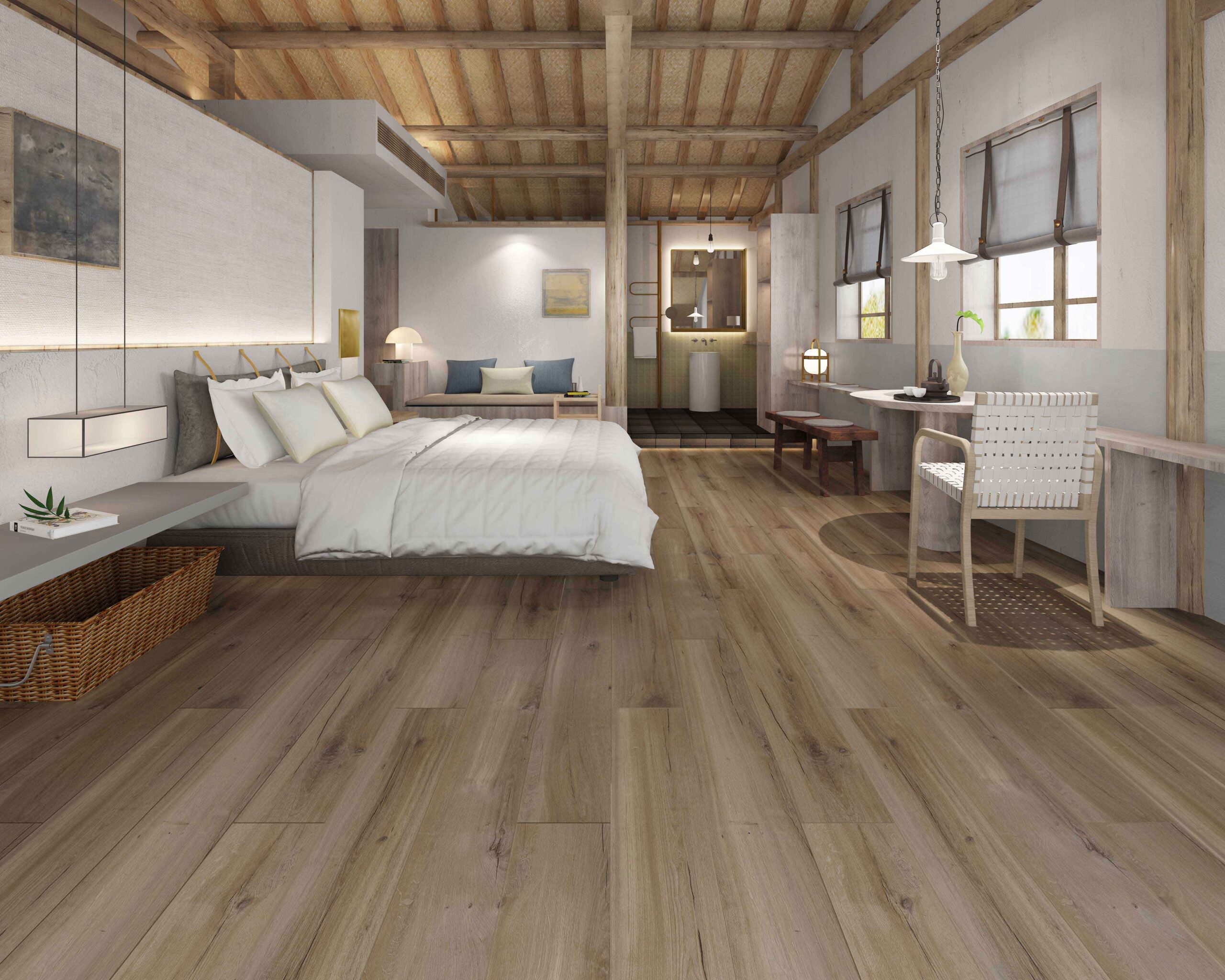
LVT is available in a wide variety of wood and stone designs, allowing the helper’s room to match or complement the flooring used elsewhere in the home. This consistency creates a more cohesive interior and ensures the room does not feel disconnected from the rest of the living space.
Installation is straightforward, with click-lock and adhesive options suited to the small room dimensions. The material can typically be installed over existing tiles without the need for hacking, which reduces renovation time, cost, and disruption.
For maid’s rooms, look for LVT with a wear layer of at least 0.3mm (residential grade) or 0.5mm (commercial grade) for additional longevity. A textured surface finish provides grip, reducing the risk of slipping when the floor is damp.
Vinyl Sheet Flooring
Vinyl sheet flooring is a cost-effective alternative that shares many of LVT’s practical advantages. It is waterproof, easy to clean, and comfortable underfoot. The seamless installation — a single sheet covers the entire floor — eliminates joins where moisture could seep through, making it particularly suitable for rooms adjacent to bathrooms.
Modern vinyl sheet flooring has improved dramatically in appearance. Realistic wood and stone designs are available, though the range is typically narrower than what LVT offers. For a small room where material cost is a consideration, vinyl sheet provides excellent value without compromising on essential performance.
Why Ceramic Tile Falls Short
Ceramic tile is the default flooring in many Singapore helper’s rooms, particularly in older condominiums. While it excels in moisture resistance and durability, it falls short on comfort. Tile is cold and hard underfoot — qualities that are tolerable in a bathroom or kitchen but less ideal for a full-time living space, especially one where the occupant may spend time sitting on the floor.
The grout lines between tiles also collect dirt and can discolour over time, requiring periodic deep cleaning. In a compact room with limited ventilation, grout can even harbour mould in Singapore’s humid climate.
If the existing floor is in good condition, an overlay of LVT or vinyl sheet over the tiles is a practical upgrade that transforms comfort without requiring tile removal.
Why Laminate Is Not Recommended
Laminate flooring is sometimes considered for helper’s rooms due to its lower upfront cost. However, laminate has a critical weakness in this application: it is not waterproof. The MDF or HDF core of laminate planks swells and warps when exposed to moisture, which is a near-certainty in a room adjacent to a bathroom.
Even with careful use, the high humidity of Singapore’s climate can cause laminate edges to lift over time. Once moisture damage begins, the entire floor must typically be replaced. For a helper’s room where water exposure is likely, investing in a waterproof option like LVT or vinyl sheet is the more economical choice in the long run.
Design and Aesthetic Considerations
A well-designed helper’s room benefits everyone in the household. When the room looks and feels like a proper living space rather than an afterthought, it reflects the homeowner’s values and contributes to a positive domestic environment.
Simple design choices make a difference:
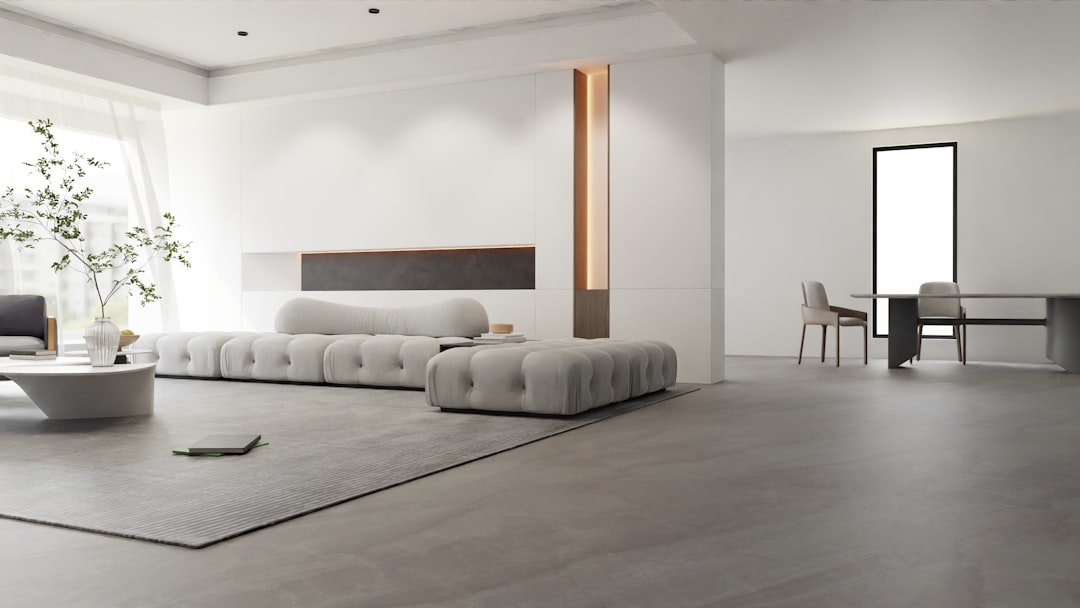
- Light-coloured flooring: Pale wood tones or light stone looks make a compact room feel more spacious and brighter. They also make it easier to spot dirt and maintain cleanliness.
- Consistent design language: Using the same flooring range — or a complementary design from the same collection — as the rest of the home creates visual continuity. The helper’s room should feel like part of the home, not separate from it.
- Simple, clean patterns: Avoid overly busy patterns in a small room. A straightforward plank or stone-look design keeps the space calm and uncluttered.
Consider the broader room environment as well. The flooring can coordinate with wall colours, simple curtains, and basic furnishings to create a space that is practical, comfortable, and dignified. Browse our full flooring range for options that suit rooms of all sizes.
Installation and Practical Tips
Given the compact size of most helper’s rooms, installation is typically quick and straightforward. However, a few practical points are worth noting:
- Subfloor preparation: Ensure the existing floor is level, clean, and dry before installing any overlay. Unevenness in a small room is more noticeable than in a larger space.
- Door clearance: Adding flooring over existing tiles raises the floor level by 2 to 5mm. Check that the room door still opens and closes freely, and trim if necessary.
- Transition strips: Use appropriate transition strips where the new flooring meets adjacent rooms or bathrooms. These strips create a neat junction and prevent tripping hazards.
- Furniture protection: Add felt pads to the legs of the bed, wardrobe, and any other furniture to prevent indentation marks on vinyl flooring.
Create a Comfortable Living Space
The right flooring transforms a helper’s room from a bare, utilitarian space into a comfortable living environment. With modern materials like luxury vinyl tile and vinyl sheet, achieving this transformation is straightforward, affordable, and practical.
Get a free quote for your project today. Our team can recommend the most suitable flooring for your helper’s room, whether it is a standalone upgrade or part of a whole-home renovation. Request a quotation to get started.