Interior Design
Foyer and Entryway Design Ideas for Singapore Homes
Why Foyer Design Matters
The foyer is the first interior space anyone encounters when entering your home. In Singapore, where shoes are removed at the door and guests form instant impressions, a well-designed entryway sets the tone for everything beyond it.
Yet many Singapore homes — especially HDB flats — lack a defined foyer. The front door opens directly into the living room, with no transitional zone. Creating a sense of arrival in these layouts requires smart use of flooring, wall treatments, lighting and storage rather than additional square footage.
Defining a Foyer Without Walls
In open-plan HDB and condo layouts, you can carve out a visual foyer using these techniques:
Floor Material Change
Switching the flooring material in the entry zone — a 1.2 m x 1.2 m area or larger — immediately signals a separate space. Porcelain tiles, patterned cement tiles or a different colour of luxury vinyl can demarcate the foyer from the living area without a physical barrier.
Ceiling Treatment
A dropped ceiling or a cove-lit recess above the entry zone creates an overhead boundary. Combined with a pendant light or a cluster of recessed downlights, this defines the foyer vertically.
Partial Screen or Divider
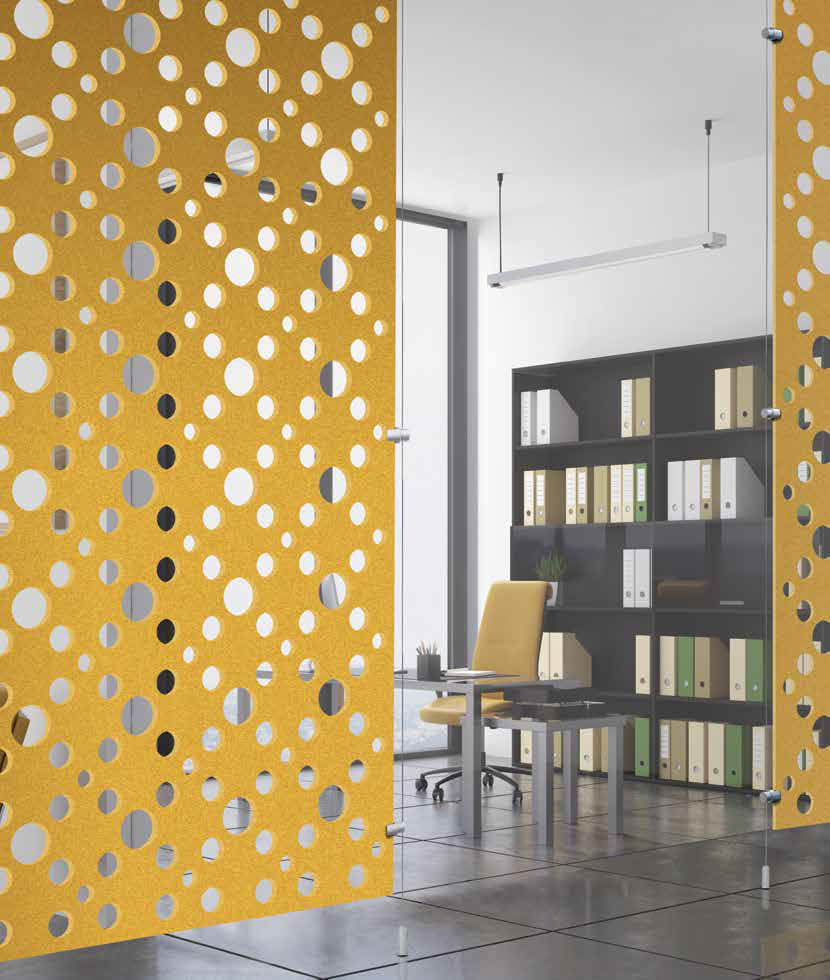
A half-height console, a slatted timber screen or a decorative metal divider provides visual separation while allowing light and air to pass through. In HDB flats, a 1.2-metre-high shoe cabinet running perpendicular to the wall can serve both as storage and as a foyer partition.
Foyer Wall Design Ideas
Statement Wallpaper
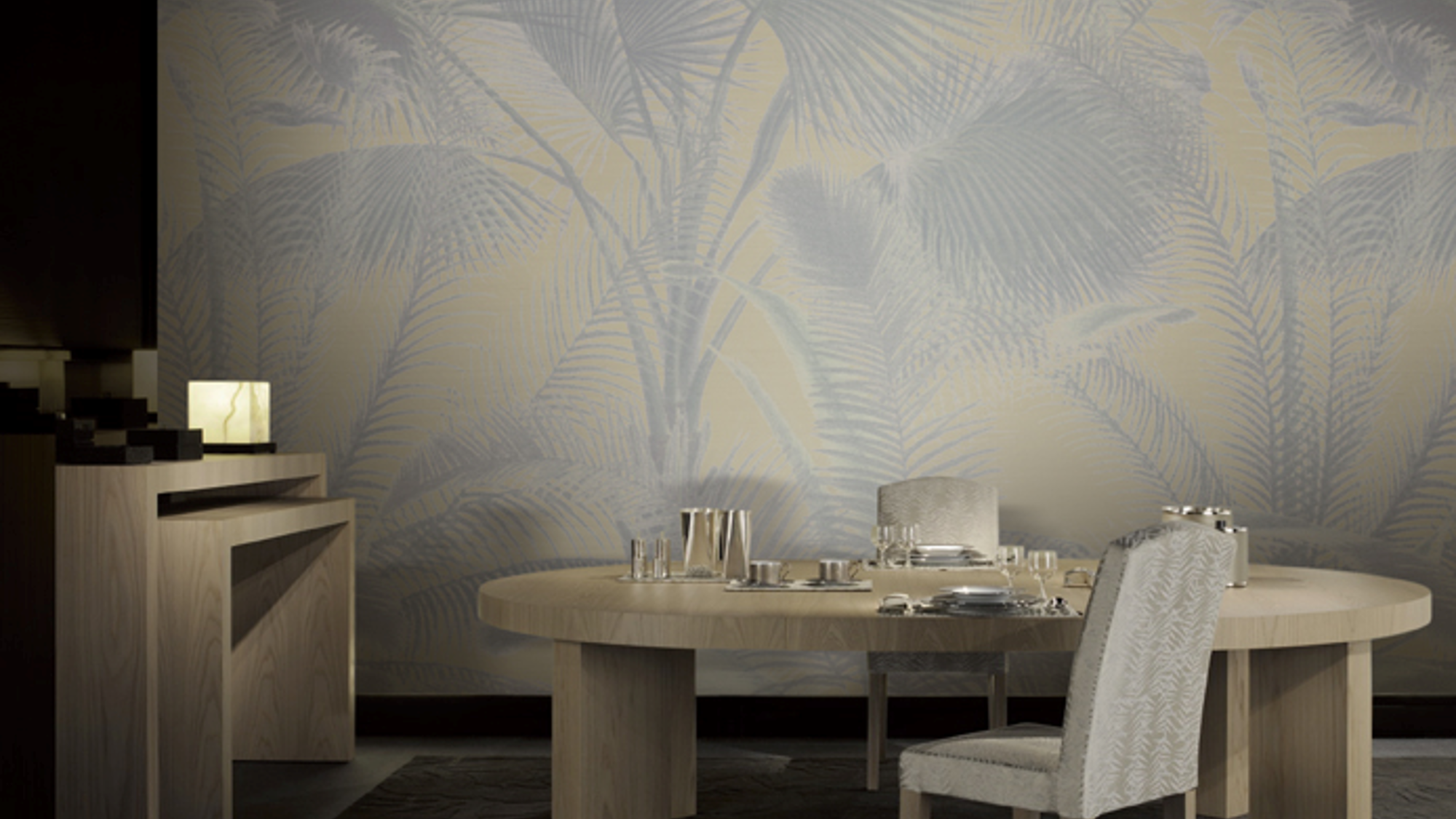
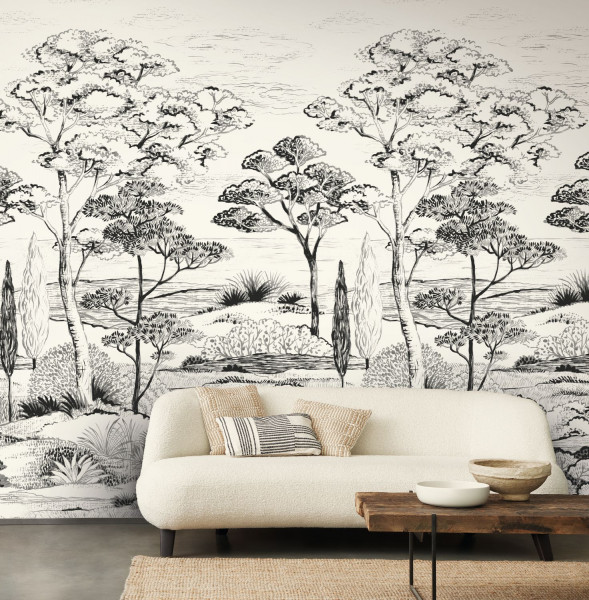
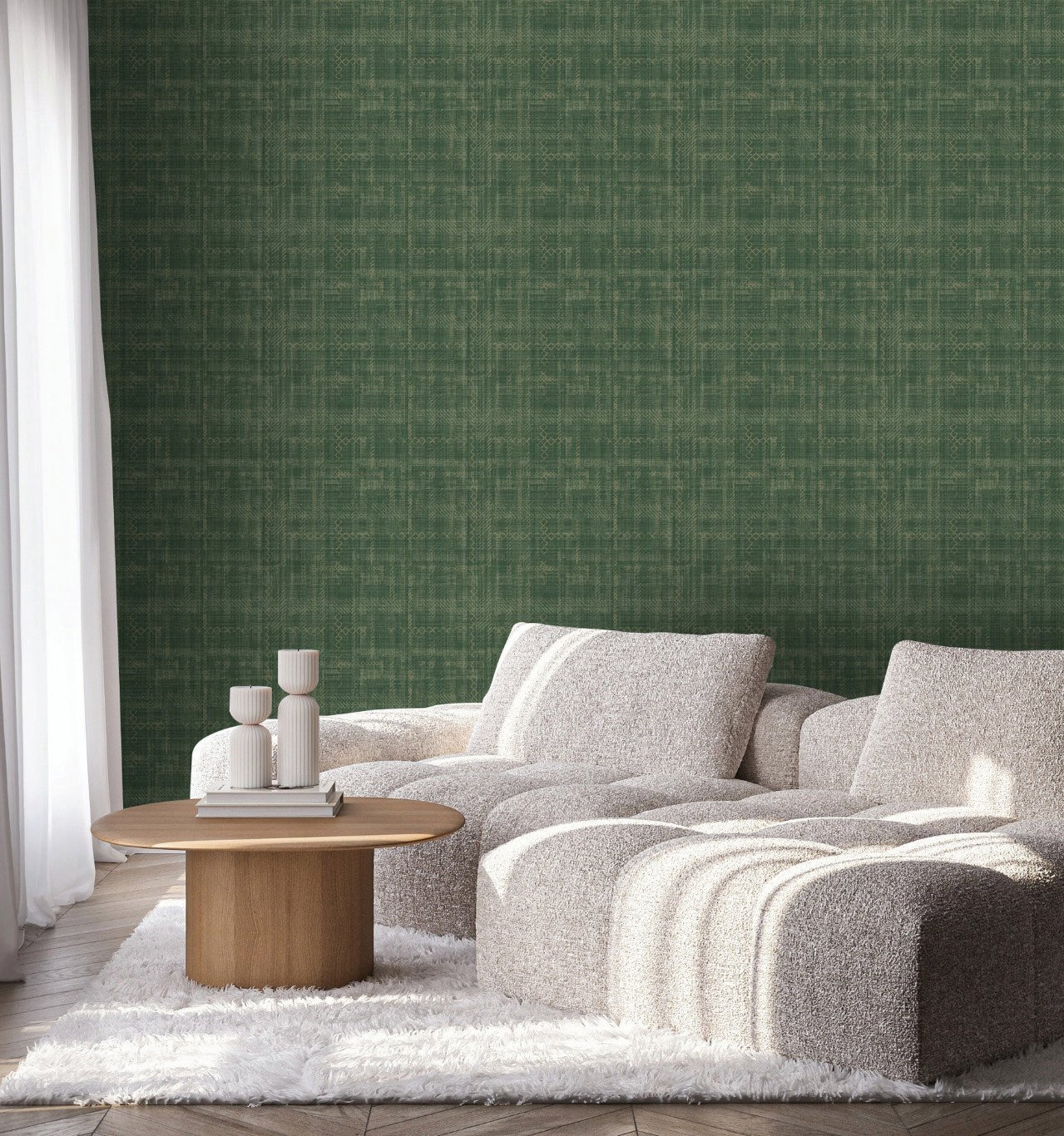
The foyer wall — the surface directly facing the front door — is one of the best locations for a standout wallcovering. Because the foyer is compact, you can use a bold pattern that might be too intense for a larger room: an oversized botanical, a rich geometric or a metallic-accented texture. Explore the residential wallcovering collection for designs that create an immediate visual impression.
Mirror Feature
A full-height or oversized mirror on the foyer wall reflects light, creates the illusion of depth and provides a last-look-before-leaving function. Frame it with a moulding or set it against a wallpapered backdrop for added character.
Wood Panel Accent
A panel of vertical timber slats, walnut veneer or fluted MDF in the entry zone adds warmth and a natural tactile quality. This treatment works well as a backdrop for a narrow console table with a decorative object or a small arrangement.
Display Niche
Recessing a niche into the foyer wall — lit from above or within — creates a focal point for a sculpture, vase or artwork. This approach is particularly effective in condos and landed homes where the wall thickness allows for a shallow recess.
Foyer Flooring Options
| Material | Durability | Maintenance | Visual Effect |
|---|---|---|---|
| Porcelain tiles | Excellent — scratch and water resistant | Low — mop and wipe | Versatile — stone, marble, wood effects available |
| Patterned cement tiles | Good — surface may need sealing | Moderate — requires sealing every 1–2 years | High — distinctive heritage patterns |
| SPC vinyl | Excellent — waterproof, impact-resistant | Low — sweep and mop | Good — woodgrain and stone effects |
| Natural stone (marble, granite) | Excellent — long-lasting | Moderate — needs sealing, can stain | Premium — unique veining patterns |
For HDB and condo foyers, porcelain tiles or SPC vinyl are the most practical choices. They handle the high foot traffic and shoe-off wear at the entrance without showing damage quickly.
Shoe Storage Solutions
Shoe storage is the single most important functional element in a Singapore foyer. A typical household has 20 to 40 pairs of shoes, and they need to be stored neatly near the entrance.
- Built-in shoe cabinet. A floor-to-ceiling cabinet with louvred doors allows air circulation and accommodates the most shoes per square metre. Standard depth is 350 mm to 400 mm.
- Bench with storage. A low bench (400 mm to 450 mm high) with shoe cubbies beneath provides seating for shoe changes — especially useful for elderly household members.
- Floating wall cabinet. A wall-mounted cabinet with open space below keeps the floor clear for easy cleaning and makes the foyer appear more spacious.
- Pull-out shoe rack. In tight foyers, a slim pull-out cabinet (200 mm to 250 mm wide) beside the front door stores shoes in vertical tiers.
Lighting the Foyer
Most HDB and condo foyers lack natural light. The right artificial lighting prevents the entry from feeling dark and unwelcoming.
- Pendant or semi-flush fixture. A single statement light fixture above the entry zone creates a focal point and signals that this is a distinct space.
- Recessed downlights. Two to three small LED downlights provide even illumination without a protruding fixture.
- Wall sconces. Flanking the mirror or artwork with wall lights adds warmth and symmetry.
- Sensor-activated lighting. Motion-sensor lights that turn on when the door opens are practical and energy-efficient, especially for late-night arrivals.
Design Ideas by Home Type
HDB Flat
Most HDB layouts lack a separate foyer. The front door opens into the living area, with a narrow wall segment on one side. Use this wall for a shoe cabinet and a wallpapered panel above. Differentiate the flooring in the first 1.2 metres with tiles or a contrasting vinyl shade to create an implied entry zone.
Condominium
Many condo units have a short entry corridor before the living area. This natural foyer can be enhanced with a feature wall, accent lighting and a narrow console table. If the corridor is at least 1.2 metres wide, a wall-mounted shoe cabinet can fit without obstructing the walkway.
Landed Home
Landed properties often have a dedicated foyer with a double-height ceiling or a wider floor area. This allows for more substantial design elements: a feature chandelier, a round entry table, a built-in shoe closet and a full-height statement wall in stone, wood or patterned wallcovering.
Common Foyer Design Mistakes
- Cluttered surfaces. The foyer should be clean and curated. Avoid using the console table as a dumping ground for mail, keys and miscellaneous items. Incorporate closed storage to keep everyday items out of sight.
- Ignoring the view from inside. The foyer is not only seen when entering — it is also visible from the living room. Ensure the design reads well from both directions.
- Forgetting durability. The entry zone takes a beating from shoes, bags and deliveries. Choose scratch-resistant flooring and wipeable wall finishes.
- Overcomplicating the design. A small foyer does not need five different materials. One strong feature element — a wallpaper, a statement floor or a lit niche — is enough to make an impact.
Feng Shui Considerations for Singapore Entryways
Many Singapore homeowners factor feng shui principles into their foyer design. While interpretations vary, a few widely followed guidelines are worth noting:
- Clear sightlines. The entryway should feel open and uncluttered. Avoid placing a tall cabinet directly in front of the door, which blocks the flow of energy into the home.
- Bright, welcoming lighting. A well-lit foyer is considered auspicious. Dark, dim entryways are said to discourage positive energy from entering.
- Mirror placement. A mirror in the foyer is generally favourable, but it should not face the front door directly, as this is believed to reflect incoming energy back out of the home. Place mirrors on the side wall instead.
- Shoes and clutter. Keeping shoes enclosed in a cabinet rather than scattered on the floor maintains a sense of order and tidiness at the entrance.
Create a Welcoming Entryway
A well-designed foyer turns a functional doorstep into a genuine welcome. Whether your home has a dedicated entry hall or needs a foyer carved from the living room, the right combination of wall treatment, flooring and lighting makes all the difference.
Book an appointment with our design consultants to explore wallcovering and flooring options for your foyer.