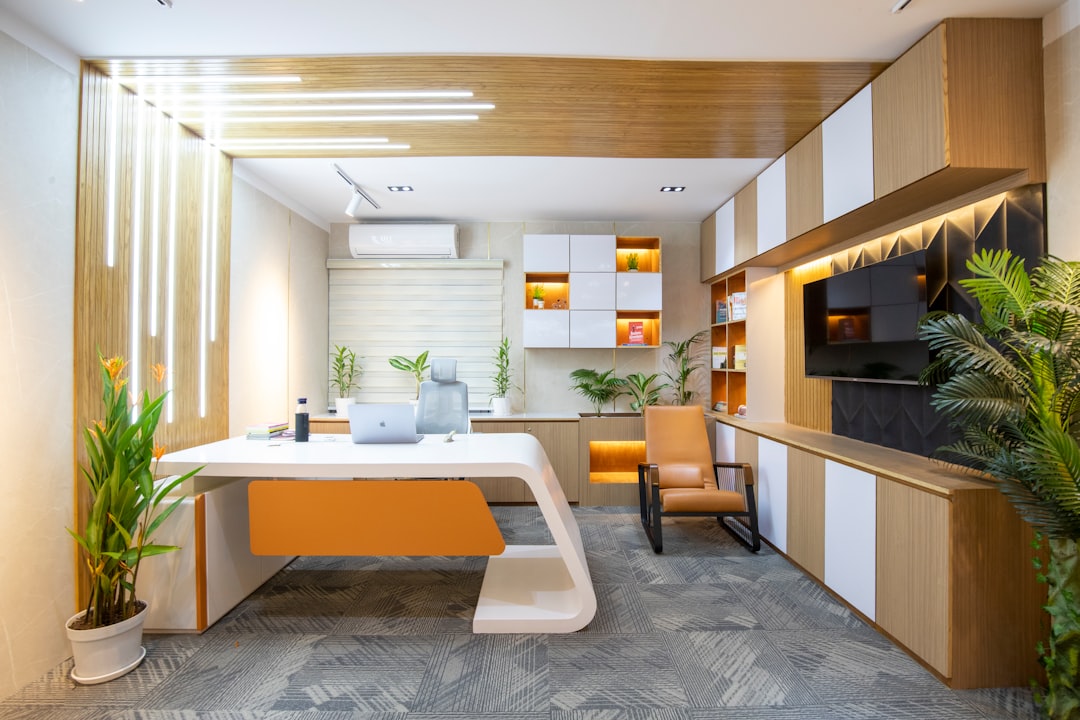
Commercial Interiors
Gym Interior Design in Singapore: Motivation by Design
Gym interior design in Singapore has matured well beyond the raw, industrial look of traditional fitness centres. Today’s gym-goers expect environments that are as considered as any retail or hospitality space, with material choices that motivate, perform, and endure the punishing demands of daily use.
Whether you are designing a boutique fitness studio, a condominium gym, or a full-scale commercial fitness centre, the interplay of flooring, wall treatments, and acoustic management defines the member experience.
Understanding Singapore’s Gym Landscape
Singapore’s fitness market is dense and competitive. From boutique studios in Tanjong Pagar to large-format gyms in suburban malls, operators differentiate through experience as much as equipment. The interior environment plays a direct role in member acquisition and retention.
Condominium gyms present a different design challenge. These facilities must serve a diverse resident population, from casual exercisers to serious athletes, within a typically compact footprint. The materials must be premium enough to align with the development’s positioning while tough enough to handle unsupervised use.
Corporate gym facilities in office buildings add another layer, requiring materials that project professionalism while withstanding high-frequency use during peak lunch and after-work hours.
Flooring for Performance and Safety
Flooring is the most critical material decision in any gym. It must absorb impact, resist damage from dropped weights, provide traction during dynamic movements, and remain easy to clean despite sweat, spillage, and heavy traffic.
Free Weight and Functional Training Zones
Heavy-duty rubber flooring remains the standard for areas where weights are dropped. However, the zones surrounding the free weight area benefit from more aesthetically refined options. Vinyl flooring with enhanced impact resistance offers a cleaner look while handling the demands of functional training movements.
Cardio and Machine Zones
Cardio areas generate less impact but more moisture from perspiration. Commercial-grade vinyl flooring in these zones provides excellent moisture resistance, easy cleaning, and a polished appearance that elevates the space. The cushioned underlayer of quality vinyl also reduces fatigue for members spending extended periods on treadmills and ellipticals.
Studio and Class Spaces
Group fitness studios need flooring that supports barefoot use (yoga, pilates), shod use (HIIT, dance), and everything in between. Vinyl sheet flooring with a sprung sub-floor system provides the shock absorption needed for high-impact classes while offering a seamless, hygienic surface for floor-based exercises.
Stretching and Recovery Areas
Carpet tiles work surprisingly well in stretching and recovery zones. They provide a warm, cushioned surface that is more comfortable than hard flooring for floor-based stretching. Individual tiles can be replaced as needed, keeping maintenance costs manageable.
Wall Treatments That Motivate and Endure
Gym walls take significant abuse. They are brushed against, leaned on, hit by equipment, and exposed to humidity from air conditioning systems working against the heat generated by exercising bodies.
Durable Wallcovering for High-Traffic Areas
Commercial-grade vinyl wallcovering is essential in main workout areas. It resists scuffing, is easy to wipe clean, and maintains its appearance far longer than paint, which chips and marks within weeks in a busy gym environment.
Feature walls with textured or coloured wallcovering help define zones within an open-plan gym. A bold, dark wallcovering behind the free weight area creates intensity, while a calmer, nature-inspired design in the stretching zone promotes recovery.
Wall Protection Systems
In areas where equipment comes close to walls, such as along machine rows and near cable stations, wall protection systems prevent costly damage. Corner guards, wall panels, and crash rails in complementary colours integrate protection into the design rather than treating it as an afterthought.
Explore wallcovering options rated for commercial durability in high-traffic environments.
Acoustic Management in Fitness Spaces
Gyms are loud environments. The combination of music, dropped weights, machine motors, and vocal encouragement creates significant noise levels that can spill into adjacent spaces and create an unpleasant experience within the gym itself.
In Singapore, where gyms are frequently located within mixed-use developments, shopping centres, or residential buildings, acoustic management is not optional. It is a compliance requirement under building regulations and a practical necessity for maintaining good neighbour relations.
Material-based acoustic strategies for gyms include:
- Impact-absorbing flooring: Rubber and vinyl flooring with cushioned underlayers reduce the sound of dropped weights and footfall.
- Acoustic wall panels: Fabric-wrapped acoustic panels on walls and ceilings absorb airborne sound, reducing the overall noise level within the space.
- Carpet in recovery zones: Carpet tiles absorb sound in quieter areas, preventing noise from the main gym floor from carrying into stretching and recovery spaces.
- Heavy curtain dividers: For studios that open onto the main gym floor, heavy fabric curtains provide both visual and acoustic separation when classes are in session.
Design by Facility Type
Boutique Fitness Studios
Boutique studios in Singapore compete on experience and aesthetics. The interior must be Instagrammable while remaining functional. Consider vinyl flooring in a distinctive colour or pattern, feature wallcovering that reinforces the brand identity, and considered lighting that flatters both the space and its occupants.
Condominium Gyms
Condo gyms must balance durability with residential-quality finishes. Timber-look LVT flooring provides warmth and sophistication. Subtle wallcovering in neutral tones avoids dating the space. Carpet tiles in the stretching area add comfort. The overall impression should be premium and inviting, encouraging residents to use the facility regularly.
Commercial Fitness Centres
Large-format gyms require zoned material strategies. High-impact zones get heavy-duty flooring and wall protection. Cardio zones get commercial vinyl. Locker rooms and wet areas get waterproof vinyl sheet. Each zone’s material palette should feel connected through a consistent colour scheme while meeting the specific performance demands of that area.
Final Thoughts
Gym interior design in Singapore must deliver on two fronts simultaneously: creating an environment that motivates members and specifying materials that endure relentless daily use. The gap between a gym that feels premium and one that feels worn often comes down to material quality and specification accuracy.
Invest in surfaces that perform, and the design will reward you with years of service and satisfied members.
Get a free quote for your project today and specify materials that match your gym’s performance demands.