Carpet & Flooring
Hardwood vs Vinyl Flooring: Best for Singapore Homes?
Why This Comparison Matters in Singapore
Hardwood and vinyl are two of the most popular flooring categories in Singapore, yet they serve very different needs. Hardwood delivers warmth, prestige and natural beauty. Vinyl — particularly luxury vinyl tile (LVT) — offers practical resilience, water resistance and design versatility at a lower price point.
Singapore’s tropical humidity, frequent rain and compact living spaces create conditions that affect these two materials differently. This guide compares them head-to-head so you can make the right call for your HDB flat, condominium or landed home.
Material Composition and Construction
Hardwood Flooring
Hardwood flooring comes in two forms: solid hardwood (a single piece of timber throughout) and engineered hardwood (a real wood veneer over a cross-laminated plywood or HDF core). In Singapore, engineered hardwood dominates because solid hardwood struggles with the local humidity — it tends to warp, cup and gap.
The surface is genuine timber. You can see the natural grain variations, feel the organic texture and, with thicker veneers, sand and refinish the floor over its lifetime.
Vinyl Flooring (LVT/SPC)
Modern luxury vinyl flooring uses either a WPC (wood plastic composite) or SPC (stone plastic composite) core topped with a high-resolution printed design layer and a protective wear layer. SPC vinyl is denser and more rigid, making it the preferred choice for Singapore installations.
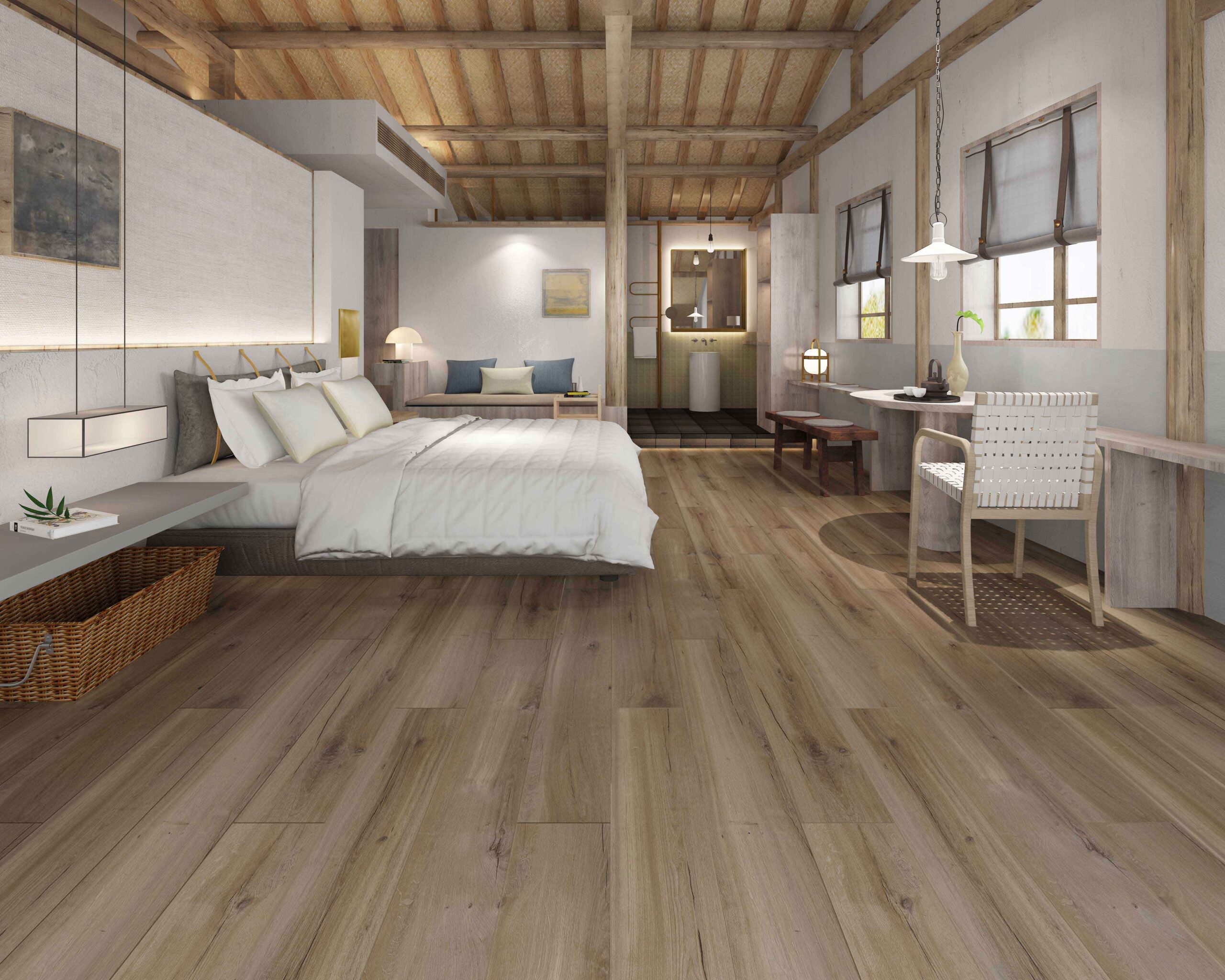
The printed layer replicates wood grain, marble, stone and concrete textures with remarkable realism. From a metre away, quality LVT can be difficult to distinguish from real wood.
Head-to-Head Comparison
| Feature | Hardwood (Engineered) | Vinyl (SPC/LVT) |
|---|---|---|
| Surface Material | Real wood veneer | Printed design layer |
| Water Resistance | Low — joints vulnerable to moisture | High — waterproof core and surface |
| Humidity Stability | Good (engineered), poor (solid) | Excellent — minimal expansion |
| Scratch Resistance | Moderate — depends on species hardness | Good — wear layer rated 0.3–0.7 mm |
| Feel Underfoot | Warm, natural timber feel | Slightly softer with underlay, cooler |
| Sound | Warm resonance (glued), hollow (floated) | Can sound hollow without underlay |
| Refinishing | Yes — 1–3 times for engineered | No — replace when worn |
| Lifespan | 20–30 years | 10–20 years |
| Material Cost (per sq ft) | $6–$18 | $3–$8 |
| Installation Cost (per sq ft) | $2–$5 | $1.50–$3 |
| Suitable for Wet Areas | No | Yes (with sealed joints) |
Performance in Singapore’s Climate
Singapore’s relative humidity regularly sits between 70% and 90%, punctuated by air-conditioned interiors that can drop below 50%. This constant cycling between humid and dry conditions is tough on natural materials.
Engineered hardwood handles it reasonably well thanks to its cross-laminated core, but gaps can still appear at joints during prolonged dry spells. Homeowners who keep air-conditioning running continuously may notice seasonal movement.
Vinyl flooring is virtually immune to humidity fluctuations. SPC vinyl has a mineral-based core that neither swells nor shrinks under normal conditions. This makes it the lower-maintenance option for Singapore homes, particularly in rooms without climate control.
Water Resistance
This is where vinyl pulls decisively ahead. Spills, splashes and even minor flooding will not damage a properly installed SPC vinyl floor. Hardwood, by contrast, can stain, warp or develop mould if water sits on the surface or seeps into joints.
For kitchens, service yards and homes with young children or pets, vinyl’s waterproof properties offer genuine peace of mind.
Aesthetics and Design Options
Hardwood wins on authenticity. Nothing replicates the depth and variation of real timber grain — each plank is unique, and the surface develops a natural patina over years of use. For homeowners who value organic beauty and tactile warmth, hardwood remains unmatched.
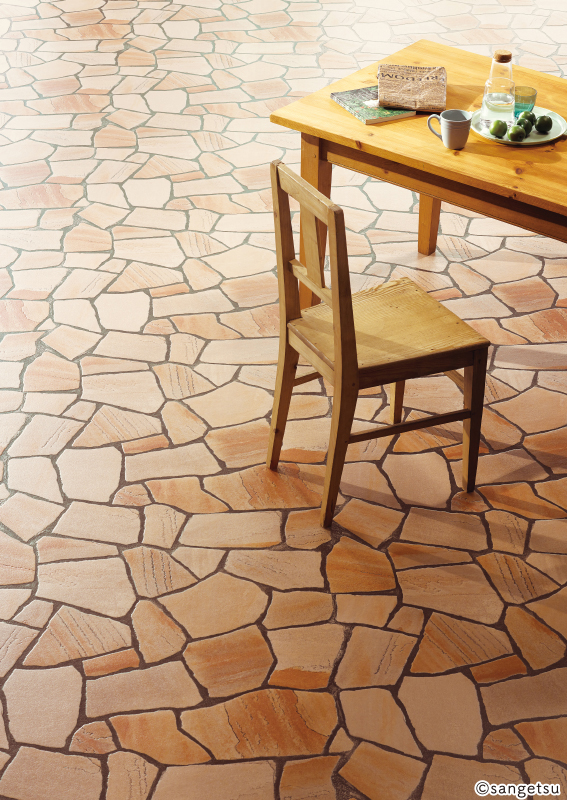
Vinyl, however, offers far greater design variety. Beyond wood-look options, you can choose marble effects, concrete finishes, terrazzo patterns and herringbone layouts — all at a fraction of the cost of the real material. Modern printing technology has closed the visual gap significantly, though close inspection still reveals the difference.
Both materials are available in plank formats that suit open-plan living areas common in Singapore condos and HDB resale flats.
Cost Comparison for a Typical Singapore Home
To put costs into perspective, here is what each option might cost for a standard 4-room HDB flat (roughly 900 sq ft of flooring):
| Cost Component | Hardwood (Engineered Oak) | Vinyl (SPC) |
|---|---|---|
| Materials | $7,200–$14,400 | $2,700–$7,200 |
| Installation | $1,800–$4,500 | $1,350–$2,700 |
| Underlay/Accessories | $450–$1,350 | $300–$900 |
| Total Estimate | $9,450–$20,250 | $4,350–$10,800 |
Vinyl flooring typically costs 40% to 60% less than engineered hardwood for the same coverage area. The savings become more pronounced in larger homes.
Maintenance and Long-Term Care
Hardwood Maintenance
Engineered hardwood requires consistent care to look its best in Singapore. Clean with a barely damp mop using a pH-neutral wood cleaner. Avoid wet mopping, steam cleaning and any ammonia- or bleach-based products. Felt pads on furniture legs are essential — dining chairs are the most common cause of scratches on wood floors.
Indoor humidity management matters. Running air-conditioning or a dehumidifier keeps moisture levels in the 40% to 65% range, minimising seasonal expansion and contraction. Without climate control, engineered hardwood joints may gap during drier periods and swell during the monsoon season.
On the positive side, engineered hardwood with a veneer thickness of 4 mm or more can be sanded and refinished once or twice over its lifespan. This ability to restore the surface adds significantly to the floor’s total useful life.
Vinyl Maintenance
Vinyl is about as close to zero-maintenance as flooring gets. Sweep or vacuum regularly to remove grit that can micro-scratch the wear layer, and mop with any mild floor cleaner. Vinyl does not need oiling, polishing, sealing or any other periodic treatment.
The trade-off is that vinyl cannot be refinished. Once the wear layer is worn through — which takes 10 to 20 years depending on traffic and product quality — the floor must be replaced. However, replacement is relatively quick and affordable compared to refinishing hardwood.
Which Should You Choose?
The right choice depends on your priorities, room function and renovation timeline.
Choose hardwood if:
- You value the look and feel of real timber above all else
- You are renovating a living room, bedroom or study — dry areas only
- You want a floor that can be sanded and refinished over the decades
- Your home has consistent climate control (air-conditioning or dehumidifier)
Choose vinyl if:
- You need water resistance for kitchens, bathrooms or service yards
- You have pets or young children and need scratch- and spill-proof surfaces
- You want whole-home flooring continuity, including wet areas
- You are working within a tighter renovation budget
- You prefer zero-maintenance flooring
Many Singapore homeowners use both: hardwood in living and bedroom areas for a premium feel, and luxury vinyl in kitchens and bathrooms for practicality. This hybrid approach gives you the best of both worlds.
If you are still undecided, request samples of both materials and live with them in your home for a few days. Place them in the room where they will be installed, observe them under different lighting conditions and walk on them barefoot. The tactile and visual experience in your own space is far more informative than viewing samples in a showroom.
Goodrich Global stocks both engineered hardwood and luxury vinyl across a wide range of designs. Browse the full flooring collection or request free samples to compare materials side by side in your own home.