Interior Design
HDB Renovation Guide: Permits, Costs and Timeline
This HDB renovation guide covers what every Singapore homeowner needs to know before starting work on their flat. Whether you are moving into a new BTO, upgrading a resale unit or simply refreshing your current home, understanding the permit process, typical costs and realistic timelines helps you plan effectively and avoid costly surprises.
HDB flats house approximately eighty percent of Singapore’s resident population, and the renovation rules that govern them exist to protect both homeowners and neighbours. Working within these guidelines does not limit your design options; it simply requires informed planning.
HDB Renovation Permits and Regulations
Before any renovation work begins, your contractor must obtain an HDB renovation permit. This is a non-negotiable requirement, and only HDB-registered renovation contractors can apply.
Key Regulations to Know
- Permit application: Submitted by your contractor through HDB’s e-services portal. Processing takes approximately three working days.
- Renovation hours: Weekdays 9am to 6pm only. No work on Sundays and public holidays. Noisy works such as hacking and drilling are further restricted to weekdays 9am to 5pm.
- Renovation period: The maximum permitted renovation period is three months from the permit start date.
- Structural walls: Load-bearing walls, beams and columns cannot be hacked, removed or altered. Non-structural partition walls may be removed with approval.
- Waterproofing: If bathroom tiles are hacked, the waterproofing membrane must be reinstated and pass a water ponding test.
- Flooring: Overlaying new flooring on top of existing tiles is permitted. Hacking floor tiles requires reinstating the waterproofing and screed.
- Windows: Only HDB-approved window contractors may carry out window replacement works.
Violations can result in fines, mandatory reinstatement at the homeowner’s expense and even compulsory acquisition of the flat in severe cases. Always verify that your contractor is compliant.
Renovation Costs by Flat Type
Costs depend on the flat type, scope of work and material choices. The following ranges reflect typical full renovations in Singapore.
| Flat Type | Cosmetic Refresh | Moderate Renovation | Extensive Overhaul |
|---|---|---|---|
| 3-Room (60-65 sqm) | S$10,000 – S$20,000 | S$25,000 – S$40,000 | S$40,000 – S$60,000 |
| 4-Room (90 sqm) | S$15,000 – S$25,000 | S$30,000 – S$55,000 | S$55,000 – S$80,000 |
| 5-Room (110 sqm) | S$18,000 – S$30,000 | S$40,000 – S$65,000 | S$65,000 – S$100,000 |
| Executive (130 sqm) | S$22,000 – S$35,000 | S$45,000 – S$75,000 | S$75,000 – S$120,000 |
A cosmetic refresh typically includes repainting, new flooring overlays and updated light fixtures. A moderate renovation adds carpentry, feature walls and partial bathroom upgrades. An extensive overhaul involves full hacking, layout reconfiguration, new electrical and plumbing work and custom built-in furniture throughout.
Renovation Timeline: What to Expect
A straightforward HDB renovation for a four-room flat usually takes four to eight weeks. More complex projects with layout changes and extensive carpentry can stretch to ten to twelve weeks.
- Planning and design: 2-4 weeks before the permit application
- Permit approval: 3 working days
- Hacking and demolition: 3-5 days
- Masonry and tiling: 1-2 weeks
- Electrical and plumbing: 1-2 weeks (often overlaps with masonry)
- Carpentry fabrication and installation: 2-4 weeks
- Painting: 3-5 days
- Final installation, cleaning and defect checking: 3-5 days
The biggest cause of delays is indecision during the process. Finalise your material selections, colour choices and carpentry designs before work begins. Changes mid-renovation almost always add time and cost.
Choosing the Right Materials
Material selection affects both the look and longevity of your renovation. For HDB flats, where rooms are standardised and ceiling heights are typically 2.6 metres, material choices can make a significant impact on how spacious and comfortable the home feels.
Flooring Options
Overlaying new flooring on top of existing HDB tiles avoids the cost and mess of hacking. Luxury vinyl tiles (LVT) are an excellent overlay option because they are thin enough to install without raising the floor height significantly, yet durable enough to handle heavy foot traffic.
LVT also provides acoustic benefits. The built-in underlayer dampens impact noise, reducing sound transmission to the flat below. This is a genuine consideration in HDB living, where noise complaints between neighbours are common. Explore the range of luxury vinyl flooring to find designs that suit your home.
Wall Finishes
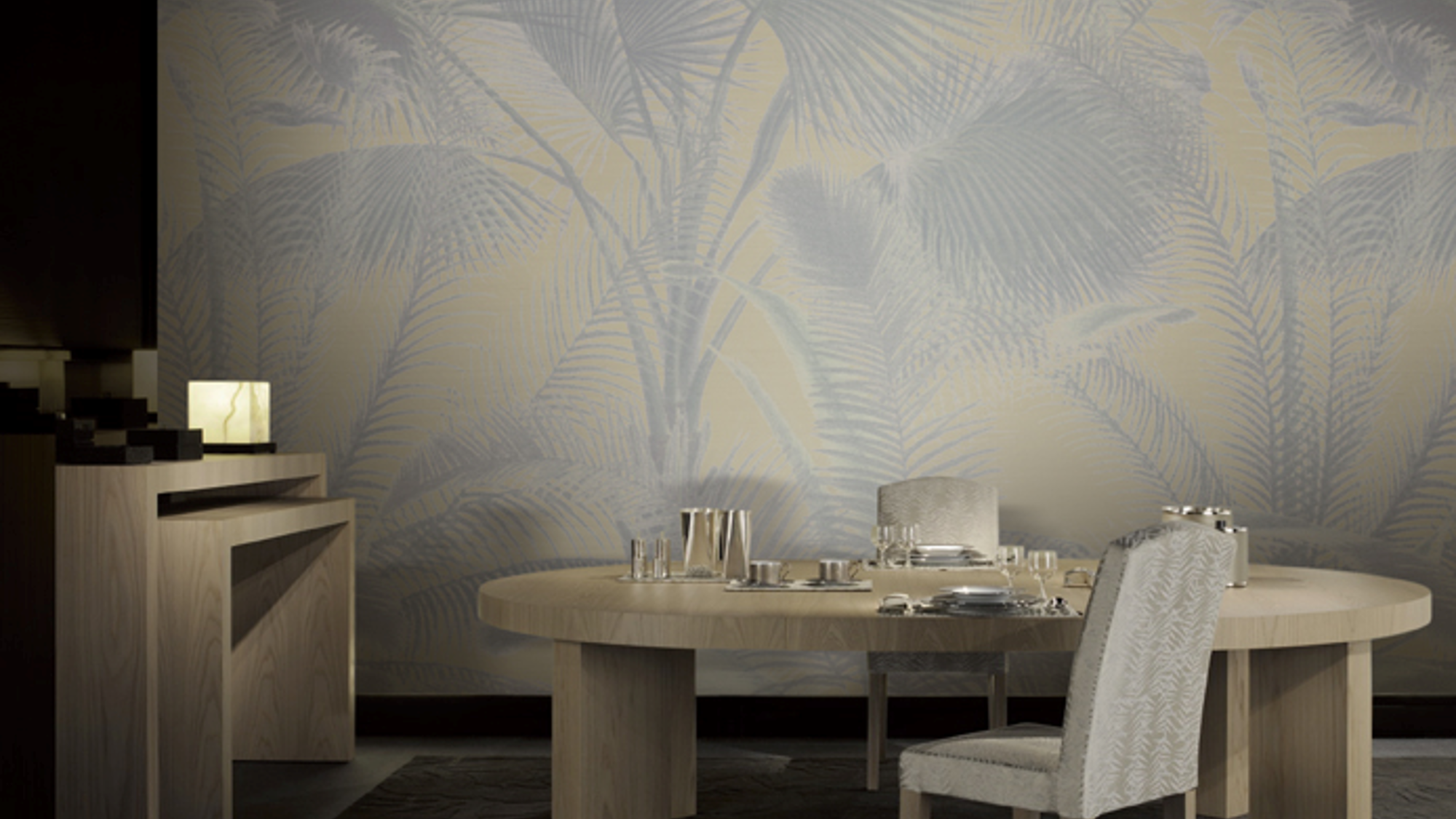
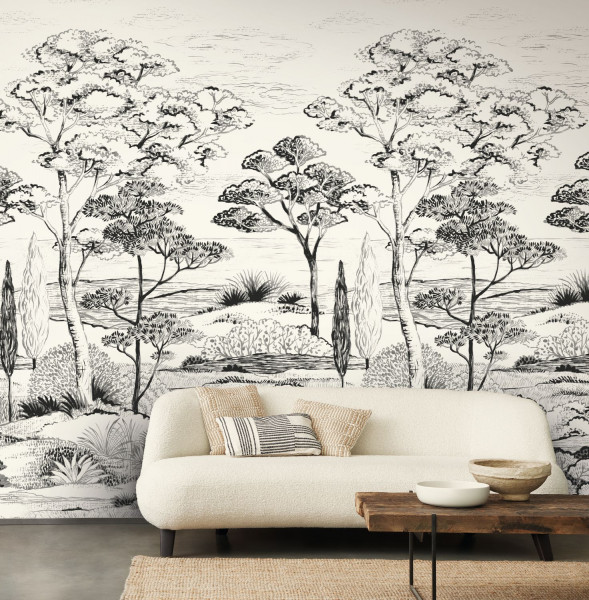
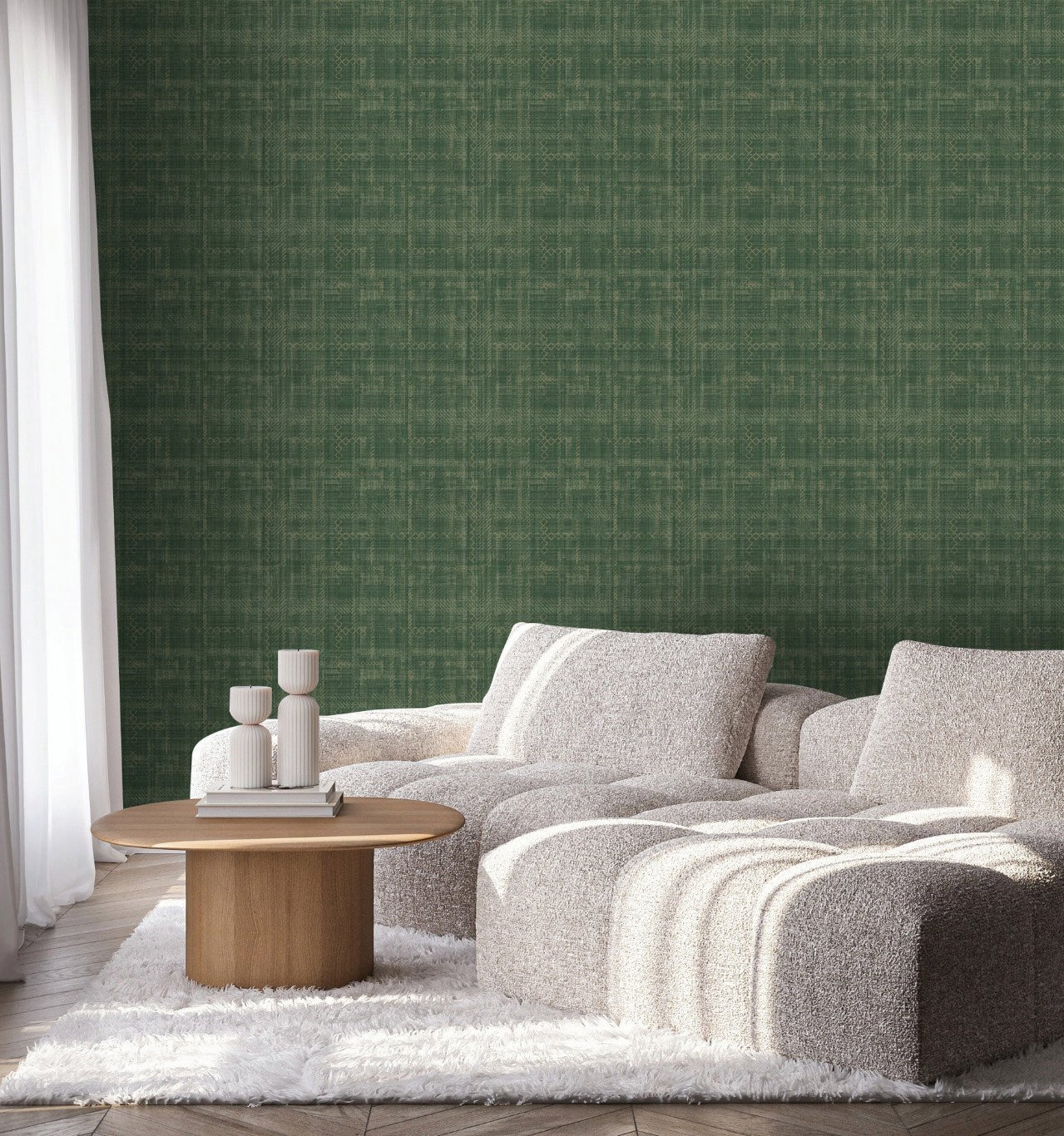
Beyond standard emulsion paint, wallpaper and textured wall finishes add character without taking up floor space. A single feature wall in the living room or behind the bed headboard can anchor the room’s design scheme. Vinyl-based wallcoverings are particularly suitable for HDB flats because they handle humidity well and are easy to clean.
Soft Furnishings
Curtains and upholstery complete the renovation. For HDB flats with standard aluminium-framed windows, well-chosen drapery fabrics soften the room and provide essential light control. Layering sheers with heavier curtains offers flexibility for different times of day.
Tips for a Smoother Renovation
Experienced homeowners and renovation professionals consistently recommend the following practices.
- Get multiple quotes: Obtain at least three detailed quotations. Compare line by line, not just the bottom line.
- Check contractor credentials: Verify HDB registration and look for reviews from past clients. Visit a completed project if possible.
- Document everything: Keep a written record of all agreements, changes and payments. Photograph the flat’s condition before renovation starts.
- Inform your neighbours: A simple courtesy notice before renovation begins goes a long way in maintaining good relations.
- Plan for living arrangements: If you are doing an extensive renovation, living in the flat during the process is impractical. Factor temporary accommodation costs into your budget.
Common Renovation Mistakes to Avoid
Over-customisation is a frequent pitfall. Highly personalised built-in furniture that suits your current needs may not serve future requirements or appeal to buyers if you sell. Strike a balance between personalisation and versatility.
Skimping on hidden infrastructure is another common error. Electrical wiring, plumbing and waterproofing are not visible once the renovation is complete, but they are the systems most likely to cause expensive problems if done poorly. Allocate adequate budget to these essentials.
Finally, do not neglect ventilation. Singapore’s climate demands good airflow. Ensure your renovation design does not block existing ventilation paths, particularly in kitchens and bathrooms where moisture buildup leads to mould.
Final Thoughts
An HDB renovation is one of the largest investments most Singaporean homeowners make after purchasing their flat. This guide provides the framework, but every project is unique. Take time to research materials, verify contractor credentials and make decisions that balance aesthetics with long-term practicality.
With proper planning and realistic expectations, your HDB renovation can transform a standard flat into a home that reflects your personality and serves your household comfortably for years to come.