Carpet & Flooring
HDB Toilet Flooring: Best Options Beyond Tiles
Why Look Beyond Default HDB Toilet Flooring?
Every HDB flat in Singapore comes with standard ceramic floor tiles in the bathroom. They are functional, waterproof, and familiar. But they are also generic, prone to grout staining, and limited in design options. If you are renovating your HDB toilet or fitting out a new BTO unit, you have more choices than you might think.
Modern waterproof flooring materials offer the same moisture resistance as tiles while providing better aesthetics, easier maintenance, and more comfortable surfaces underfoot. Here is a practical look at your options.
Challenges of HDB Toilet Flooring
Before exploring alternatives, it is worth understanding the specific demands that HDB toilet floors face:
- Constant moisture exposure: Splashing from showers, wet feet, and humid air are daily realities
- Standing water risk: Singapore bathrooms typically have floor traps and may experience temporary ponding
- Slip hazard: Wet bathroom floors are a significant safety concern, especially for elderly family members
- Cleaning chemical exposure: Regular use of bathroom cleaners means the flooring must resist chemical degradation
- Limited ventilation: Many HDB toilets have small windows or rely on mechanical ventilation, keeping humidity levels high
- Waterproofing membrane: The subfloor waterproofing layer must remain intact regardless of which flooring is used
HDB Toilet Flooring Options Compared
| Material | Waterproof | Slip Resistance | Maintenance | Design Options | Cost |
|---|---|---|---|---|---|
| Standard ceramic tiles | Yes | Varies by texture | Grout requires sealing | Limited in HDB default | Included in BTO |
| Porcelain tiles | Yes | Good (textured options) | Low; dense surface resists staining | Wide range | Moderate-high |
| SPC vinyl flooring | Yes (core and surface) | Good (textured finish) | Very low; no grout lines | Wide range | Moderate |
| Homogeneous tiles | Yes | Excellent | Low | Moderate range | Moderate-high |
| Natural stone | Needs sealing | Good when honed | High; requires regular sealing | Unique natural patterns | High |
SPC and Rigid-Core Vinyl for HDB Toilets
SPC (Stone Polymer Composite) flooring has emerged as a popular alternative to tiles in Singapore bathrooms. Part of the broader flooring category, SPC features a rigid core that is 100% waterproof — not merely water-resistant — and will not swell, warp, or degrade when exposed to moisture.
Advantages in Bathroom Applications
- No grout lines: Eliminates the biggest maintenance headache of tiled bathrooms. Grout discolouration and mould growth between tiles are non-issues
- Warmer underfoot: Vinyl feels noticeably warmer than tiles, especially during early morning use
- Softer landing: The slight give in vinyl flooring is more forgiving than hard tiles if someone slips
- Design flexibility: Available in wood-look, stone-look, and marble-look finishes that would be prohibitively expensive in natural materials
- Faster installation: Click-lock SPC installs faster than laying and grouting tiles
Important Considerations
SPC flooring in bathrooms requires proper installation to perform well. The subfloor waterproofing membrane must be intact and tested before installation. While the flooring itself is waterproof, water must not be allowed to seep beneath the planks and compromise the subfloor structure.
Edge sealing with silicone around the perimeter — where the flooring meets walls, shower screens, and fixtures — is essential. This prevents water ingress beneath the flooring from splashing and ponding.
For slip resistance, choose SPC products with embossed or textured surfaces rated R10 or higher on the slip resistance scale. Smooth, glossy finishes are not suitable for wet bathroom floors.
Upgrading Ceramic Tiles
If you prefer to stay with tiles but want something better than the HDB default, upgrading to higher-quality ceramic or porcelain tiles opens up significant improvements in both aesthetics and performance.
Porcelain vs Ceramic for HDB Toilets
Porcelain tiles are fired at higher temperatures than standard ceramic, making them denser, harder, and less porous. They absorb less than 0.5% moisture compared to ceramic’s 3-10%, making them inherently more suitable for wet areas.
Large-format porcelain tiles (600×600 mm or larger) reduce the number of grout lines, combining the reliability of tiles with a cleaner, more modern appearance. Rectified edges allow for narrower grout joints, further minimising maintenance.
Anti-Slip Treatments and Ratings
Whichever material you choose, slip resistance is non-negotiable for HDB toilet flooring. Understanding the rating system helps you make safe choices.
| Rating | Classification | Suitability |
|---|---|---|
| R9 | Normal | Dry indoor areas only |
| R10 | Moderate | Bathrooms with occasional water |
| R11 | High | Shower areas, wet rooms |
| R12-R13 | Very high | Commercial wet areas, pool surrounds |
For a typical HDB bathroom, R10 is the minimum recommendation. For households with elderly members or young children, R11 provides an extra margin of safety.
Design Ideas for HDB Toilet Floors
Modern flooring materials allow you to move beyond the uniform, clinical look of default HDB bathroom tiles. Here are design approaches that work well in compact Singapore bathrooms.
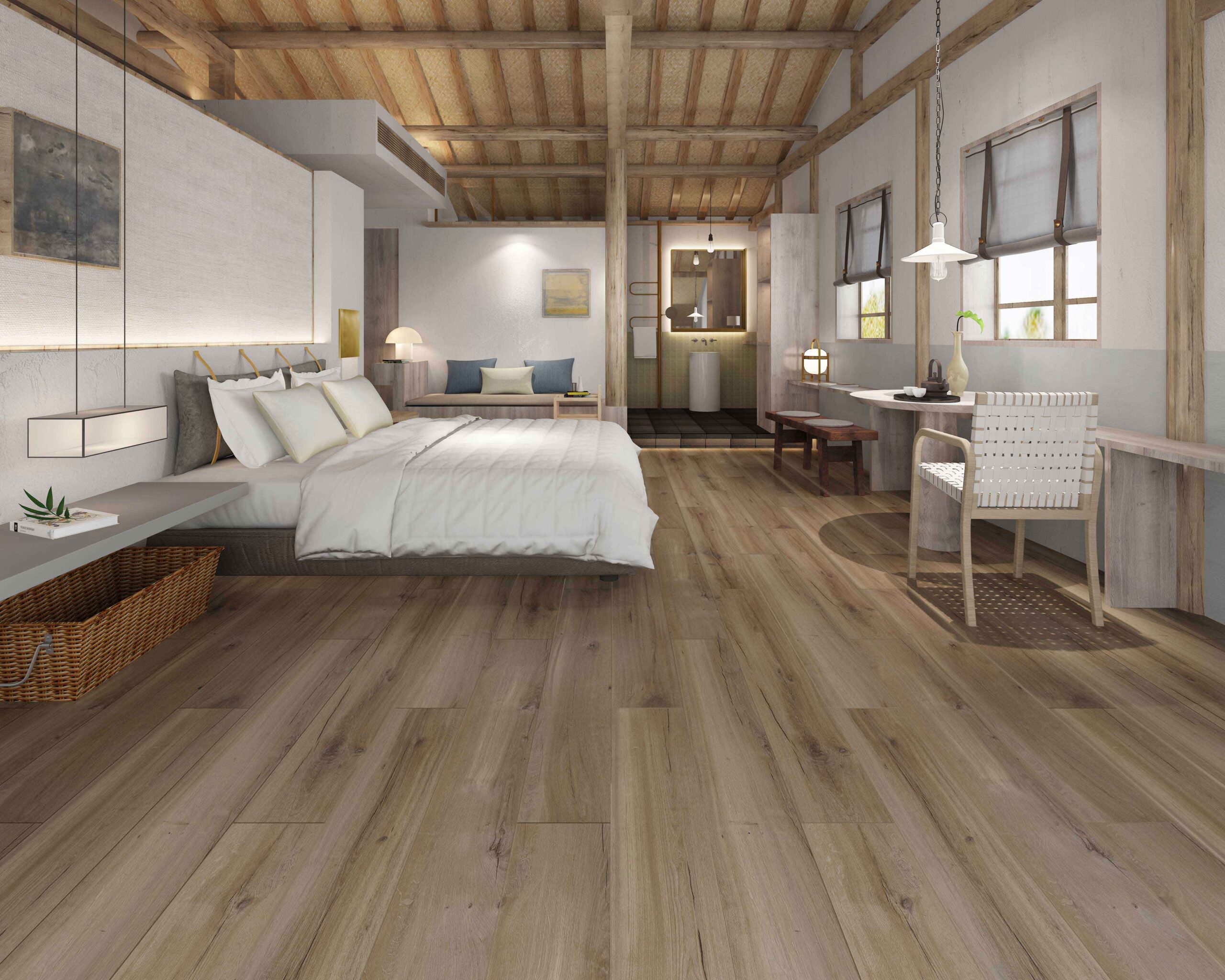
- Wood-look vinyl: Timber-effect SPC flooring in a light oak or ash tone creates a spa-like warmth in the bathroom. It visually connects the bathroom to adjacent rooms with similar flooring
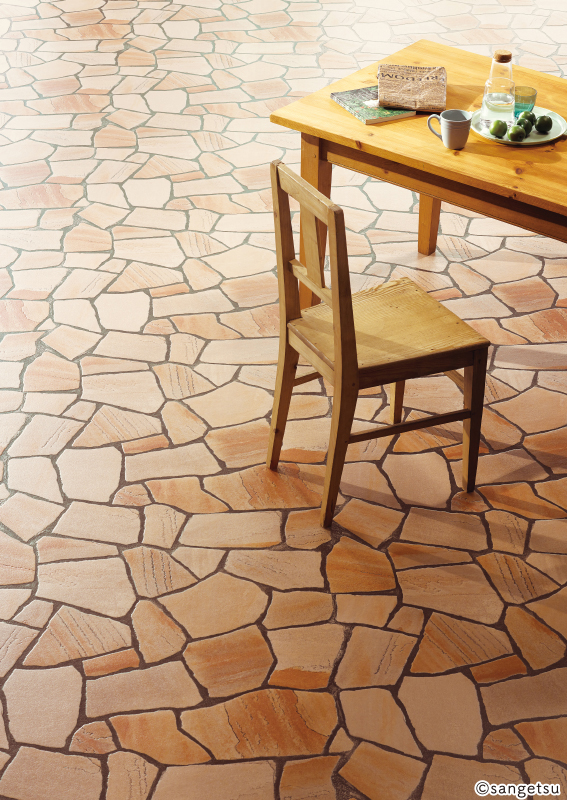
- Large-format stone-look: Marble or travertine-effect tiles or vinyl in light tones make small bathrooms feel larger
- Terrazzo-effect: Speckled terrazzo patterns are a popular choice in modern Singapore bathrooms, available in both tiles and vinyl
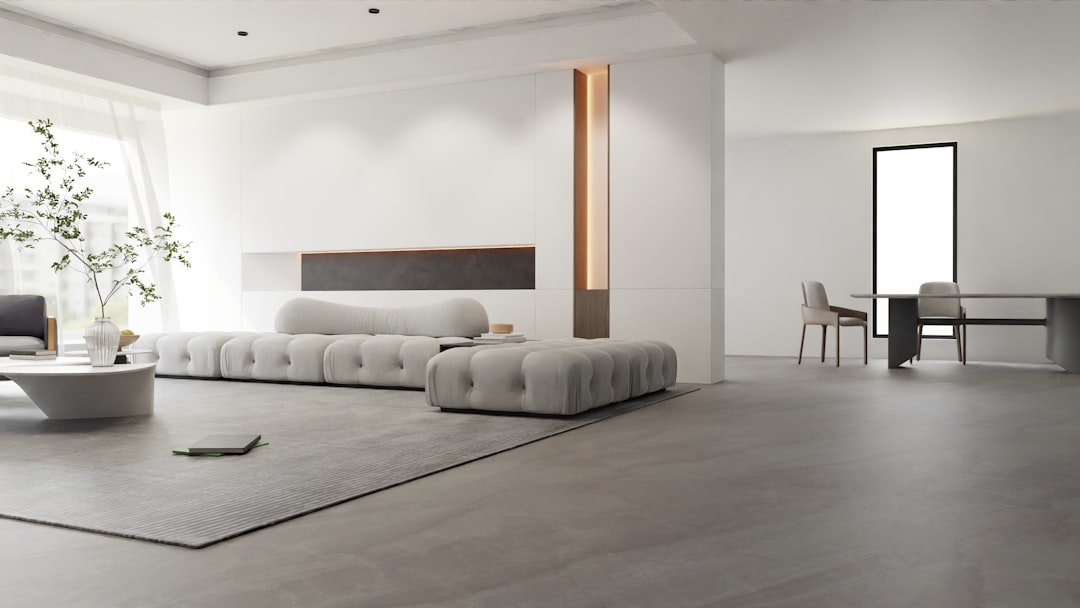
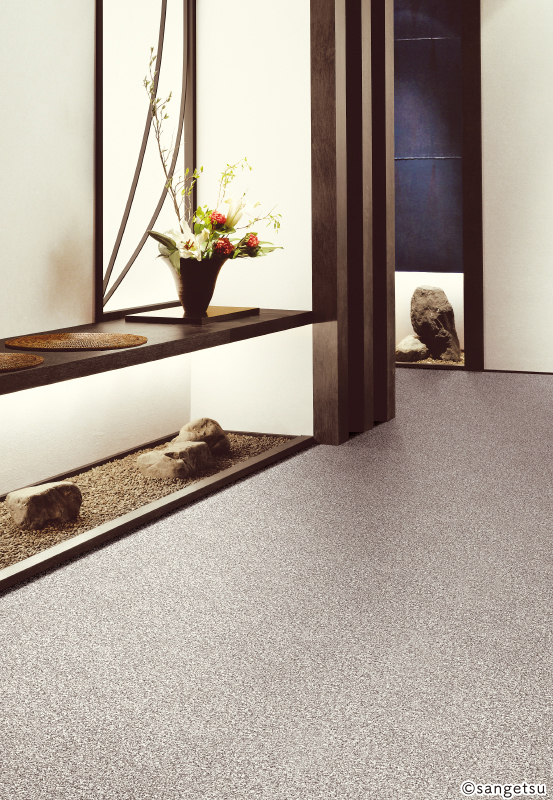
- Monochrome minimalism: Uniform grey or off-white flooring in a matte finish creates a clean, contemporary look
In compact HDB bathrooms, lighter colours and larger format pieces (whether tiles or vinyl planks) create an illusion of more space. Dark flooring can make small bathrooms feel cave-like.
Installation Considerations for HDB Toilets
Renovating HDB toilet flooring involves several practical factors specific to public housing:
- HDB renovation guidelines: Follow HDB’s renovation rules regarding wet works and waterproofing requirements
- Floor trap access: Ensure your chosen flooring allows proper access to the floor trap for drainage and cleaning
- Gradient towards floor trap: Bathroom floors must slope towards the floor trap for proper drainage. This gradient must be maintained regardless of flooring material
- Waterproofing: The waterproofing membrane must be applied and tested (ponding test) before any flooring is installed
- Threshold height: The bathroom floor should be slightly lower than the adjacent room to prevent water overflow. Account for your new flooring thickness when calculating this
Cost Considerations for HDB Toilet Flooring
The cost of upgrading HDB toilet flooring varies by material and scope of work. If you are overlaying vinyl on top of existing tiles (provided they are level and securely adhered), you save the significant cost of hacking out old tiles and disposing of rubble. This overlay approach also reduces renovation time and noise disruption to neighbours.
If full tile replacement is required — for waterproofing renewal or to correct drainage issues — budget for hacking, waterproofing, screed work, and new tile or vinyl installation. Getting multiple quotations from qualified contractors helps ensure fair pricing for your specific scope of work.
Maintenance Tips for Bathroom Flooring
Regardless of material, proper maintenance extends the life of your HDB toilet flooring:
- Wipe down the floor after showers to reduce standing water and moisture build-up
- Use neutral pH cleaners rather than harsh acidic or alkaline products
- For tiled floors, reseal grout annually to prevent mould and discolouration
- For vinyl floors, avoid abrasive scrubbing pads that can damage the wear layer
- Ensure the exhaust fan or window is used during and after showers to reduce humidity
Choosing the Right Option for Your HDB Toilet
The best HDB toilet flooring depends on your priorities. If low maintenance and design flexibility are paramount, waterproof SPC vinyl is hard to beat. If you prefer the traditional feel and maximum longevity of hard surfaces, quality porcelain tiles are the proven choice.
Whichever direction you choose, seeing materials in person is essential — especially for bathroom flooring, where texture and slip resistance cannot be judged from a photograph. Browse the luxury vinyl collection for waterproof options suited to wet areas.
Planning a bathroom renovation? Request free samples from our Singapore showroom to compare finishes and textures before making your decision.