Interior Design
Japandi Interior Design: Japanese Meets Scandinavian | Goodrich
Japandi interior design merges Japanese minimalism with Scandinavian functionality to create spaces that are calm, warm, and purposefully simple. This hybrid aesthetic has gained remarkable traction in Singapore, where its emphasis on clean lines, natural materials, and restrained colour palettes resonates with homeowners seeking interiors that feel both designed and liveable. Neither purely Japanese nor purely Nordic, Japandi occupies a distinctive middle ground that suits Singapore’s multicultural design sensibility.
The Origins of Japandi
Japandi is not a sudden invention. Japanese and Scandinavian design traditions share deep philosophical roots — both value craftsmanship, natural materials, functional simplicity, and a respect for the relationship between objects and the spaces they inhabit. Danish designers in the 1950s and 1960s drew explicit inspiration from Japanese aesthetics, and the cross-pollination has continued ever since.
What distinguishes Japandi from either tradition alone is the balance it strikes. Japanese design tends toward austerity and philosophical restraint — the beauty of emptiness. Scandinavian design prioritises warmth, comfort, and democratic accessibility. Japandi takes the clean simplicity and material honesty of Japanese design and softens it with the warmth, light wood tones, and cosy textiles of Scandinavian interiors.
In Singapore, Japandi has found a natural home. The Japanese influence connects with the city-state’s strong cultural and economic ties to Japan, while the Scandinavian element appeals to the modern, functionality-focused approach many Singapore homeowners take to interior design.
Core Principles of Japandi Design
Functional Minimalism
Every object in a Japandi interior earns its place through function, beauty, or both. There is no room for decorative excess or accumulation. Furniture is selected for utility and quality rather than quantity. Storage is thoughtfully integrated to keep surfaces clear. The result is not emptiness for its own sake but a curated simplicity that makes everyday living smoother.
Natural Materials with Visible Character
Wood, stone, ceramic, linen, cotton, and wool are the primary material palette. These materials are chosen for their natural character — visible grain in wood, subtle texture in woven fabrics, slight irregularity in handmade ceramics. The materials are finished simply, allowing their inherent qualities to speak. High-gloss lacquers and synthetic surfaces are absent from Japandi interiors.
Warm Neutral Colour Palette
Japandi colour palettes centre on warm neutrals: warm whites, sand, oatmeal, light timber tones, soft greys, and muted earth tones. Accents come from nature — sage green, clay, charcoal, and indigo. The palette is deliberately low-contrast and harmonious, avoiding bold colour blocking or saturated accent walls. Colour is introduced through materials and objects rather than applied to walls.
Craftsmanship and Quality
Both Japanese and Scandinavian design traditions celebrate craft. Japandi interiors favour well-made furniture and objects over mass-produced alternatives. This does not necessarily mean expensive — it means thoughtfully designed and constructed with attention to detail. A single well-crafted ceramic bowl holds more design value in a Japandi interior than a shelf of mass-produced decorative objects.
Japandi Walls and Surfaces
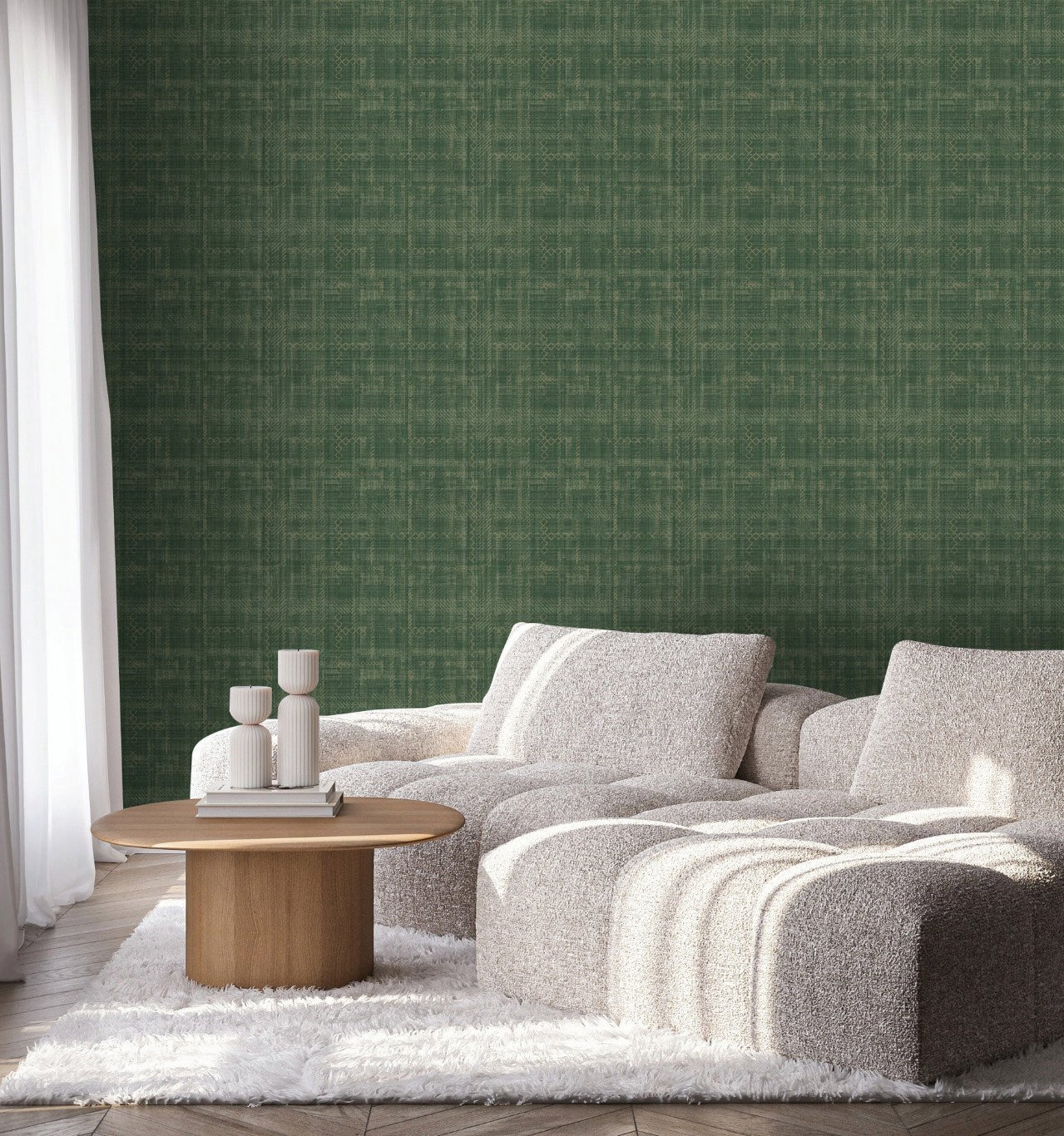
Wall treatments in Japandi interiors should be calm, textured, and understated. The walls serve as a quiet backdrop for furniture and objects, not as competing design statements.
Textured Wallpaper
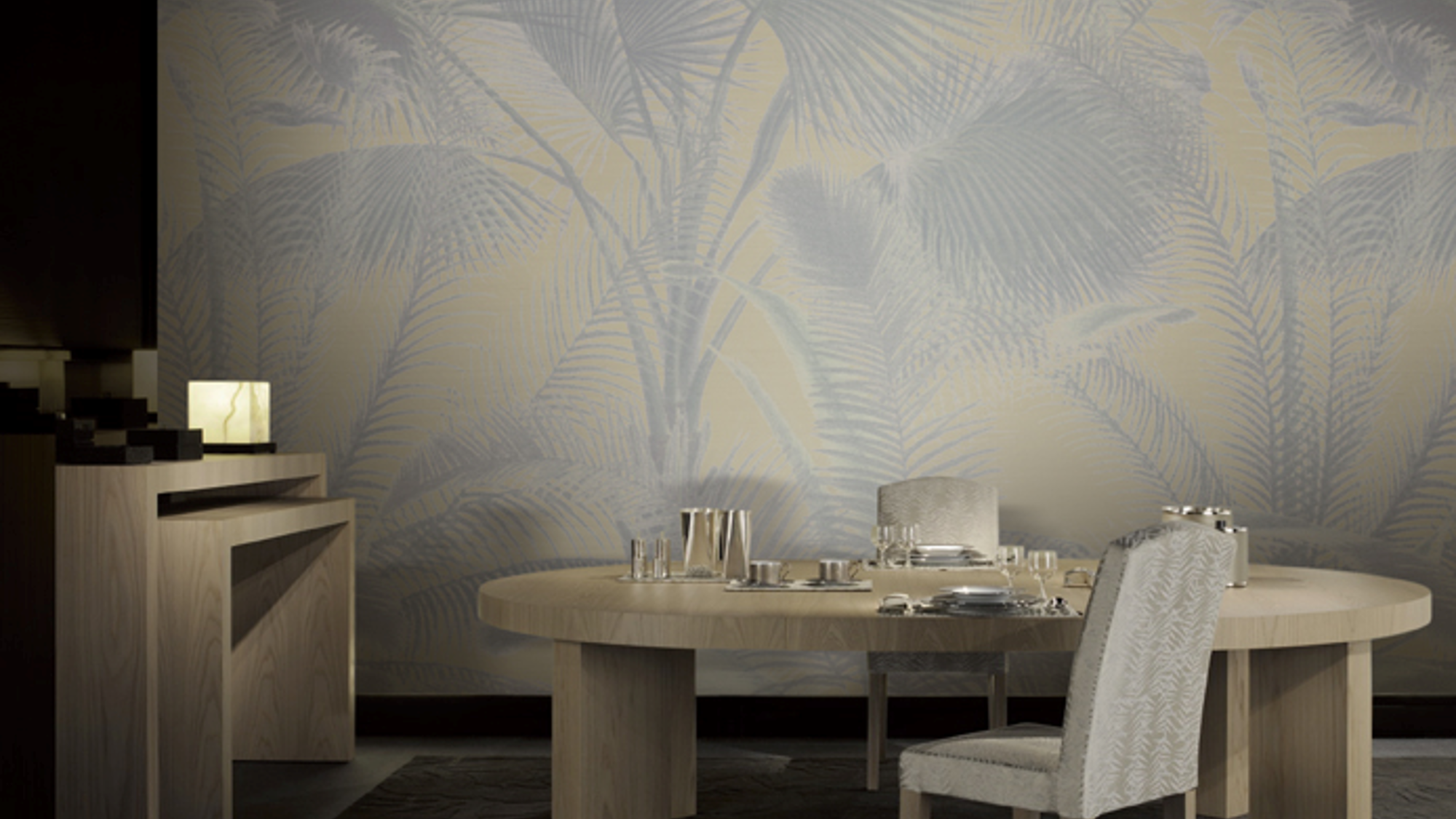
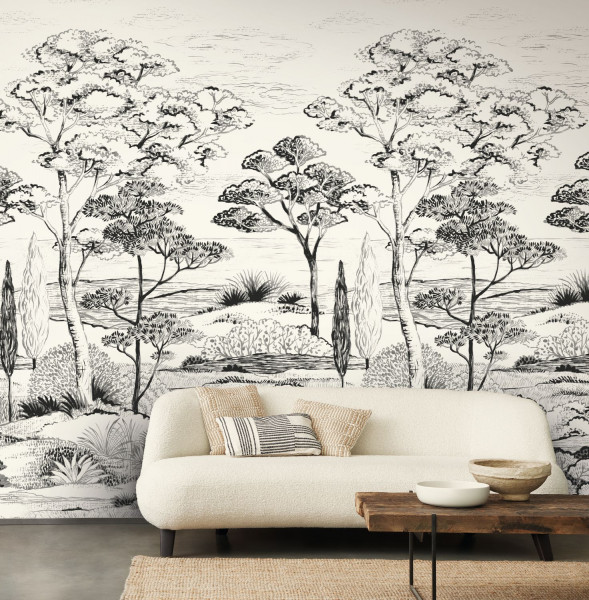
Japanese wallpapers are among the most naturally suited products for Japandi interiors. Washi paper effects, fine linen textures, subtle woven patterns, and muted organic designs align perfectly with the aesthetic. Goodrich Global’s wallpaper and wallcovering collection includes Japanese collections from Sangetsu and other manufacturers that capture the refined, understated quality Japandi demands.
Non-woven wallpapers in warm neutral tones with subtle texture — grasscloth effects, fine rib textures, natural fibre imitations — create the tactile wall surfaces that Japandi interiors require. Apply them across all walls for an immersive effect or on a single feature wall for a more focused approach.
Plaster and Limewash Effects
Matte plaster finishes with visible trowel marks and slight tonal variation suit the wabi sabi influence within Japandi. Wallpapers that replicate limewash or hand-applied plaster deliver a similar effect with less labour and more predictable results — a practical consideration for Singapore HDB and condo renovations.
Timber Panelling
Light-toned timber slat walls and fluted panels in ash, birch, or white oak provide a warm, textured backdrop that bridges the Japanese and Scandinavian material traditions. Vertical slatted panels are particularly effective as feature walls behind sofas or beds.
Japandi Flooring and Furniture
Flooring
Light wood floors are the quintessential Japandi foundation. Pale oak, ash, and birch tones create a bright, airy base that warms the space without heaviness. In Singapore, where solid timber flooring presents humidity challenges, luxury vinyl flooring in light wood tones offers a practical, dimensionally stable alternative. Explore Goodrich Global’s flooring range for natural wood-look options suited to tropical conditions.
Tatami-inspired flooring — woven grass or grass-effect materials — adds a distinctly Japanese touch to specific zones, such as a meditation corner or reading nook.
Furniture
Japandi furniture combines the low, ground-hugging profiles of Japanese design with the ergonomic comfort of Scandinavian pieces. Sofas sit lower than typical Western designs. Dining tables and desks favour clean, tapered legs in natural timber. Curved forms — rounded sofa corners, oval dining tables — soften the geometry and add the warmth that distinguishes Japandi from pure minimalism.
Storage furniture should be integrated or discreet. Closed cabinetry, built-in shelving, and furniture with hidden storage maintain the uncluttered aesthetic. Open shelving works only when items are carefully curated and displayed with intention.
Japandi in Singapore Home Types
HDB Flats
The compact layout of HDB flats actually favours Japandi’s less-is-more approach. A 4-room HDB living room furnished with a low-profile sofa, a simple timber coffee table, and clear surfaces against textured neutral walls feels spacious and serene. Japandi’s emphasis on functional minimalism means less furniture, less visual clutter, and a greater sense of room.
BTO homeowners have an advantage — starting with a blank canvas allows a consistent Japandi material palette from the outset, rather than retrofitting the style around existing finishes.
Condominiums
Condo interiors with open-plan living-dining layouts suit Japandi’s flowing, unpartitioned spatial approach. Floor-to-ceiling windows, common in Singapore condos, provide the natural light that Japandi’s neutral palette needs to feel warm rather than flat. The challenge in condos is resisting the temptation to over-furnish the space with larger furniture than the layout requires.
Landed Properties
Landed homes offer the spatial generosity to express Japandi through architectural elements — timber-lined ceilings, stone feature walls, internal courtyard gardens, and indoor-outdoor connections. The Japanese tradition of integrating garden views into interior living spaces translates beautifully to Singapore landed properties with private gardens.
Final Thoughts
Japandi interior design succeeds in Singapore because it addresses the practical reality of urban living — limited space, high humidity, demanding schedules — while creating homes that feel genuinely calm and considered. The fusion of Japanese restraint and Scandinavian warmth produces interiors that are neither stark nor cluttered, but balanced in a way that serves daily life beautifully. Choose natural materials, keep surfaces clear, and let quality and texture do the work that colour and decoration typically perform.
Browse our e-catalogue for the latest Japanese wallpaper and flooring collections that align with Japandi design principles.