Interior Design
Japanese Interior Design Style: Minimal and Warm
Japanese interior design style has captivated homeowners across Asia with its distinctive blend of minimalism, warmth, and functionality. Driven by the global influence of Japanese culture, this design approach resonates particularly well in Singapore, where compact living spaces benefit from its emphasis on clean lines, natural materials, and thoughtful storage.
Unlike stark minimalism that can feel cold and impersonal, Japanese interiors balance simplicity with soft textures, warm tones, and a lived-in quality that makes spaces feel genuinely inviting.
Core Principles of Japanese Interior Design
Japanese design philosophy draws from both traditional Japanese spatial concepts and contemporary apartment living culture. Several key principles define the style.
Warmth Through Neutrals
The Japanese colour palette centres on warm neutrals: cream, beige, soft brown, warm white, and honey tones. These colours create a serene, unified backdrop that makes small apartments feel larger and more cohesive. Cool greys and stark whites are used sparingly, if at all.
Natural Materials
Light-toned timber, particularly ash and birch, dominates Japanese interiors. Wood appears in flooring, furniture, shelving, and architectural detailing. Natural stone, rattan, cotton, and linen provide complementary textures that reinforce the connection to organic materials.
Rounded Forms
Japanese design favours softened edges and rounded furniture profiles. Curved sofas, oval dining tables, arched mirrors, and rounded shelving units replace the sharp geometry common in other minimalist styles. These forms create a gentler, more approachable atmosphere.
Functional Minimalism
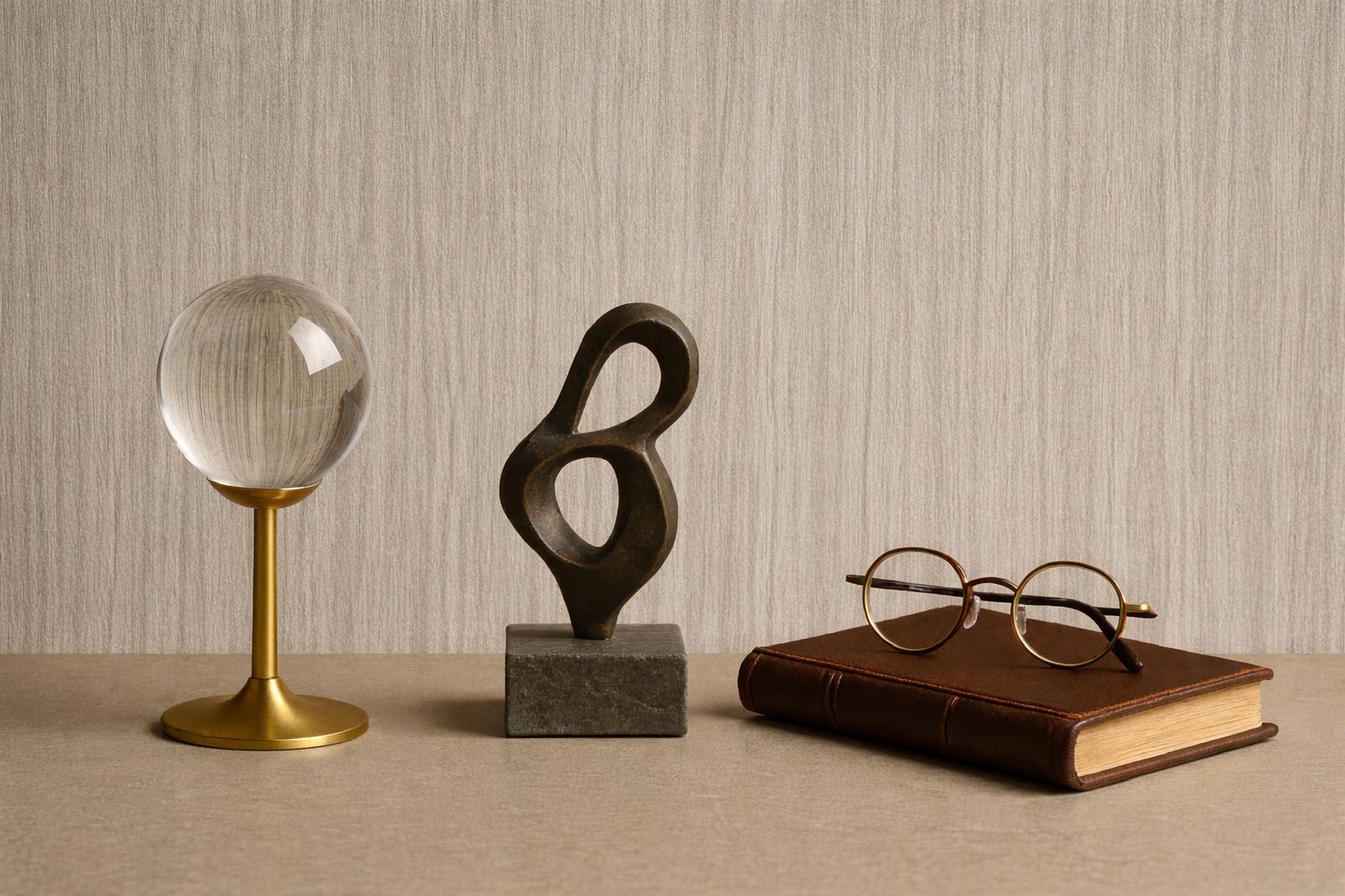
Every element in a Japanese-style interior serves a purpose. Decorative objects are few and carefully chosen. Built-in storage conceals everyday clutter behind clean cabinet fronts, maintaining the visual calm that defines the aesthetic. This is minimalism driven by practicality rather than austerity.
Applying Japanese Design in Singapore Homes
Singapore’s housing typologies, from HDB flats to condominiums and landed properties, adapt well to Japanese interior design principles.
HDB Flats
The compact layout of three- and four-room HDB flats aligns naturally with Japanese design’s space-efficient approach. Open shelving in warm timber tones, built-in platform beds with under-storage, and sliding door wardrobes maximise usable space while maintaining visual simplicity.
In HDB living-dining areas, a cohesive warm neutral palette across walls, flooring, and furniture creates a sense of spaciousness. Avoid dark accent walls, which can fragment an already compact floor plan.
Condominiums
Condos with floor-to-ceiling windows benefit from the Japanese preference for sheer curtains that filter sunlight softly. Light timber flooring, low-profile furniture, and minimal window treatments allow natural light to define the space. Balcony areas can incorporate rattan or timber outdoor furniture that extends the warm material palette beyond the interior.
Landed Properties
Larger homes can explore Japanese design more expansively. Dedicated reading nooks, sunlit breakfast corners, and tatami-inspired rooms with floor seating bring Korean spatial concepts into generous floor plans. The additional space allows for bolder material gestures, such as a full timber-clad feature wall or a stone-finished kitchen island.
Key Materials and Finishes
Achieving an authentic Japanese design feel depends heavily on material selection.
Flooring
Light-toned timber or timber-look flooring is foundational to Japanese interiors. In Singapore, where solid timber flooring is prone to humidity-related movement, luxury vinyl flooring in light oak, ash, or maple finishes delivers the same visual warmth with superior moisture resistance and dimensional stability.
Walls
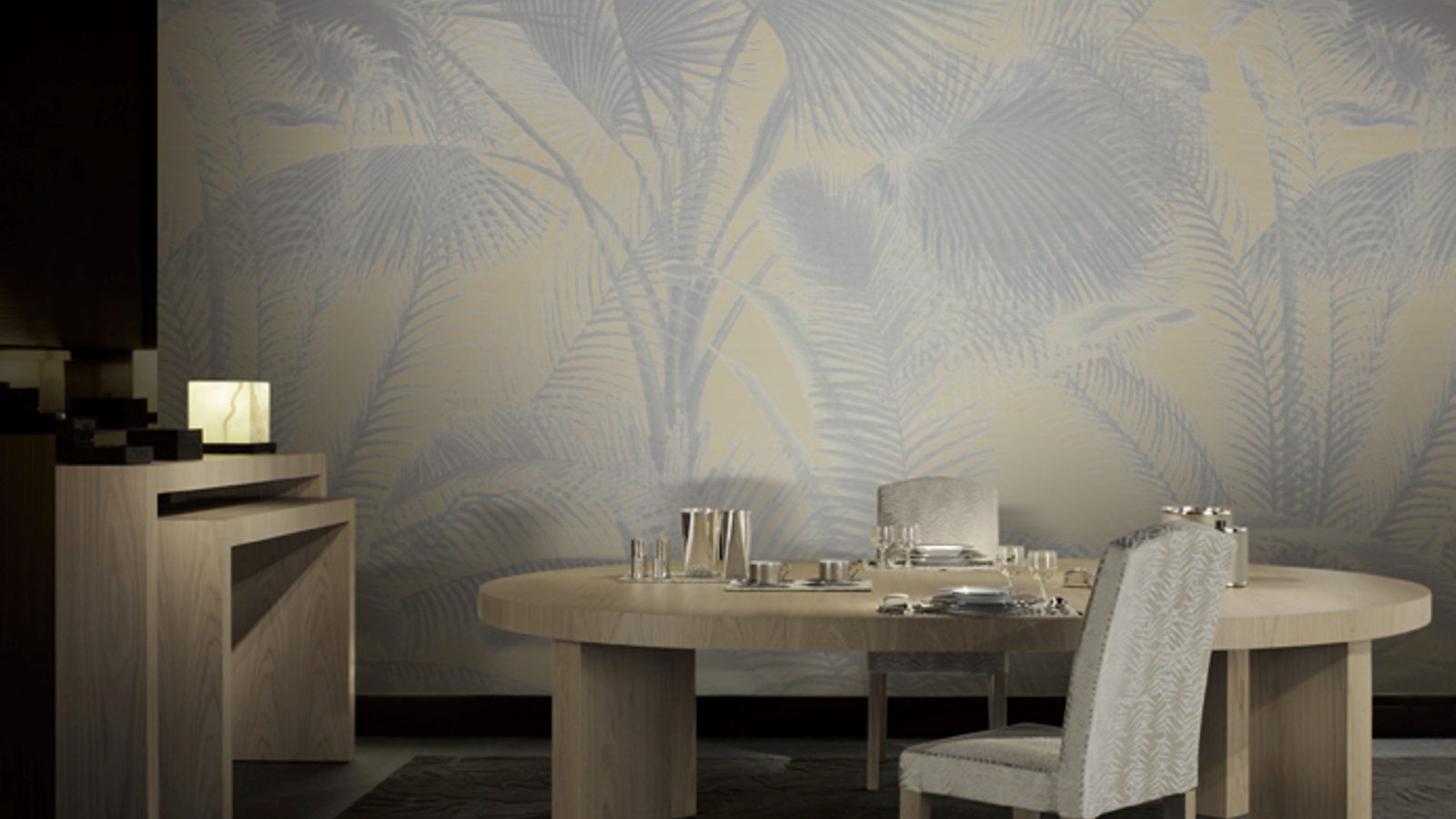
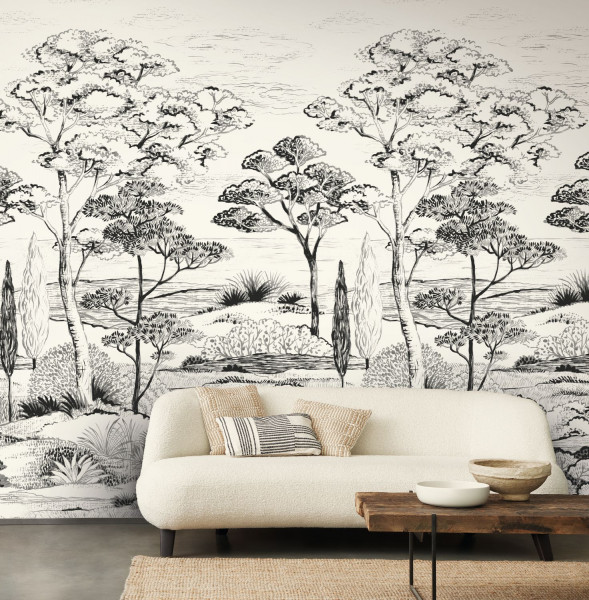
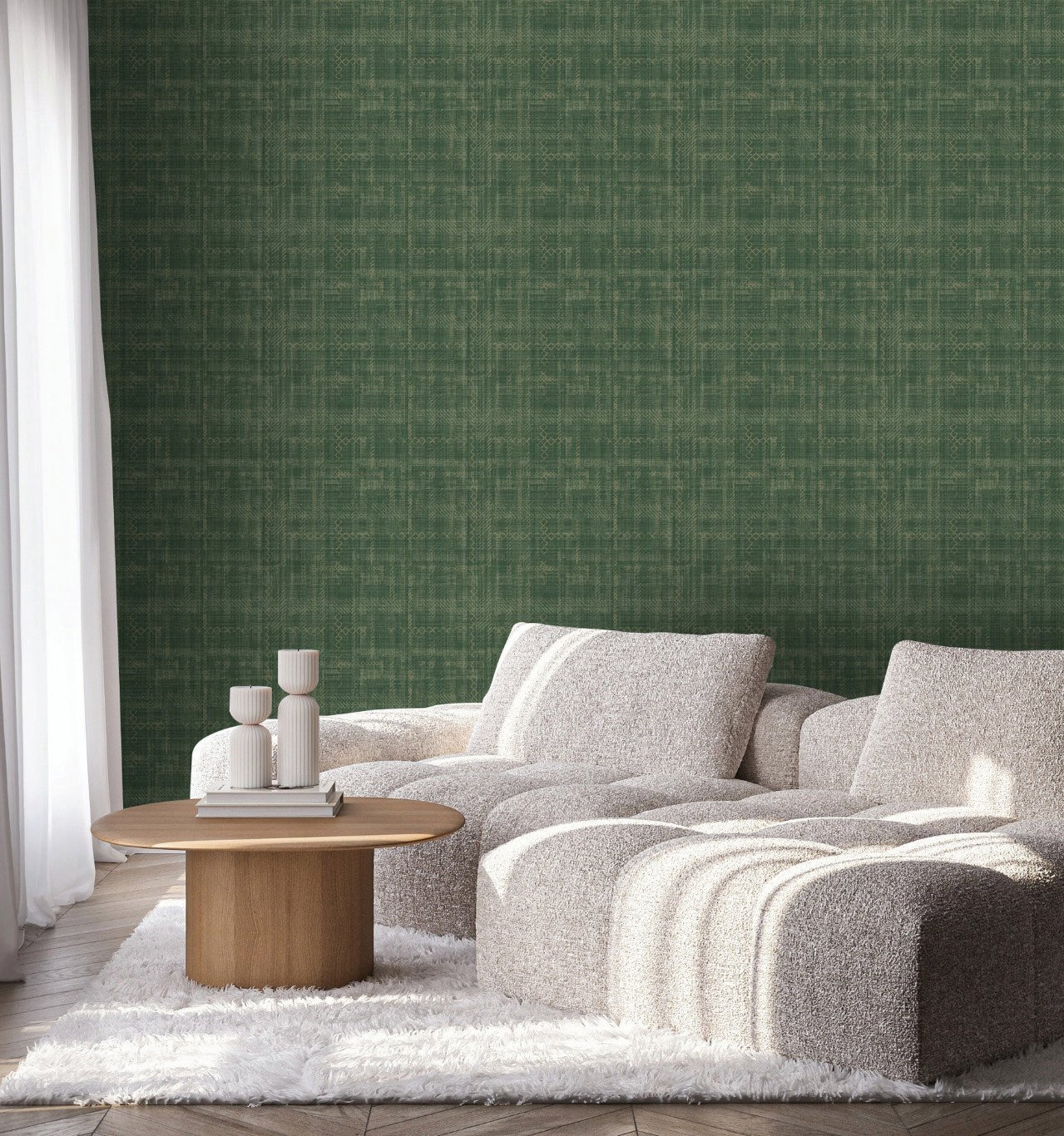
Warm white or cream walls provide the clean backdrop essential to the style. For added texture, consider wallpaper with a fine linen or plaster effect in warm tones. A single accent wall in soft beige or pale timber panelling adds depth without disrupting the monochromatic harmony. Browse residential wallcovering options for texture-focused designs that complement Japanese interiors.
Soft Furnishings
Cotton and linen in natural, undyed tones dominate Japanese soft furnishing choices. Curtains, cushion covers, and throws in cream, oatmeal, and soft beige create a layered, cosy effect. Textural variety, such as a chunky knit throw on a smooth linen sofa, adds visual interest without introducing colour complexity.
Lighting
Warm-toned lighting (2700K to 3000K) is essential. Japanese interiors avoid harsh overhead fluorescents in favour of layered lighting with table lamps, floor lamps, and recessed downlights that create pools of warm light throughout the room. Paper or fabric lampshades in organic shapes reinforce the natural material palette.
Common Mistakes to Avoid
Several pitfalls can undermine an otherwise well-executed Japanese interior sometimes known as Japandi.
- Too many decorative objects: Japanese minimalism means editing ruthlessly. A few meaningful objects displayed with space around them have more impact than shelves crowded with accessories.
- Mismatched wood tones: Consistency in timber colour is critical. Mixing warm honey oak with cool grey-washed wood creates visual discord. Stick to one timber family throughout the space.
- Cold white walls: Bright cool-white paint works against the warm palette. Choose whites with yellow or pink undertones, or opt for a dedicated warm white shade.
- Ignoring texture: A room with all smooth surfaces feels flat, even if the colours are correct. Layer textures through ribbed textiles, woven baskets, natural stone, and brushed timber to create depth.
- Over-investing in trends: Japanese design’s appeal lies in its timelessness. Avoid trend-driven pieces that will date quickly. Invest in quality basics and let the material palette do the work.
Final Thoughts
Japanese interior design style offers Singapore homeowners an achievable, liveable form of minimalism that prioritises warmth and comfort alongside visual simplicity. Its emphasis on natural materials, rounded forms, and functional storage solutions addresses the practical realities of compact urban living without sacrificing beauty.
By focusing on material quality, a disciplined warm neutral palette, and thoughtful editing, you can create a Japanese-inspired interior that feels both contemporary and enduring.
Browse our e-catalogue for the latest designs in flooring, wallcovering, and fabric to bring your Japanese-inspired interior to life.