Carpet & Flooring
Laminate Flooring in Singapore: Complete Buyer’s Guide
What Is Laminate Flooring?
Laminate flooring is a multi-layer synthetic product designed to simulate the look of wood, stone or tile at a more accessible price point. It consists of four layers: a moisture-resistant backing, a high-density fibreboard (HDF) core, a photographic design layer and a transparent wear layer treated with aluminium oxide for scratch resistance.
Unlike engineered hardwood, the surface of laminate flooring is not real wood — it is a high-resolution image printed onto decor paper. Modern laminate technology produces remarkably convincing visuals, though the tactile difference is noticeable when compared side by side with genuine timber.
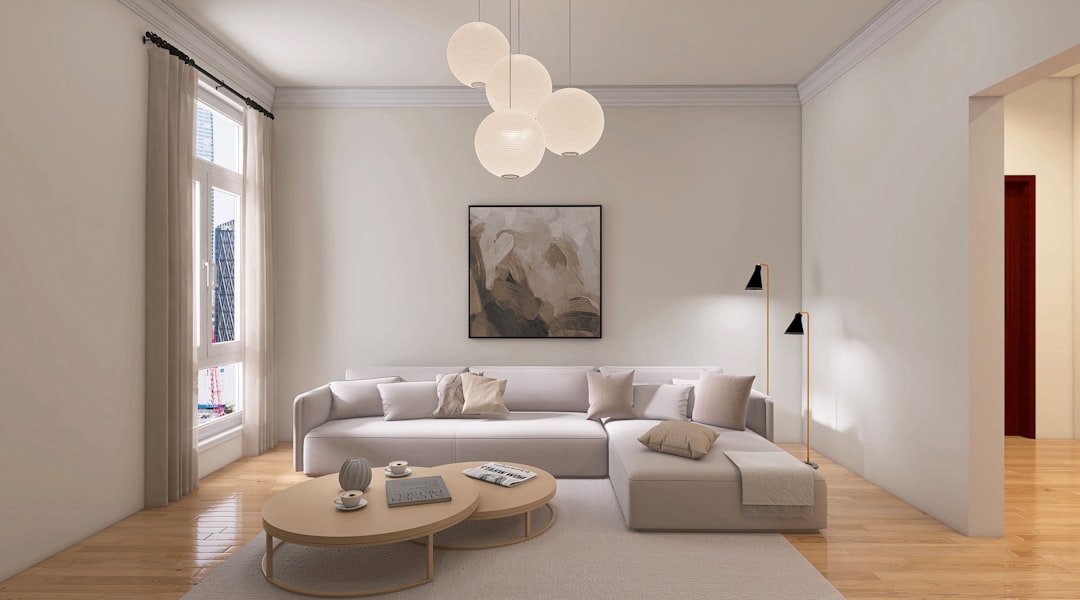
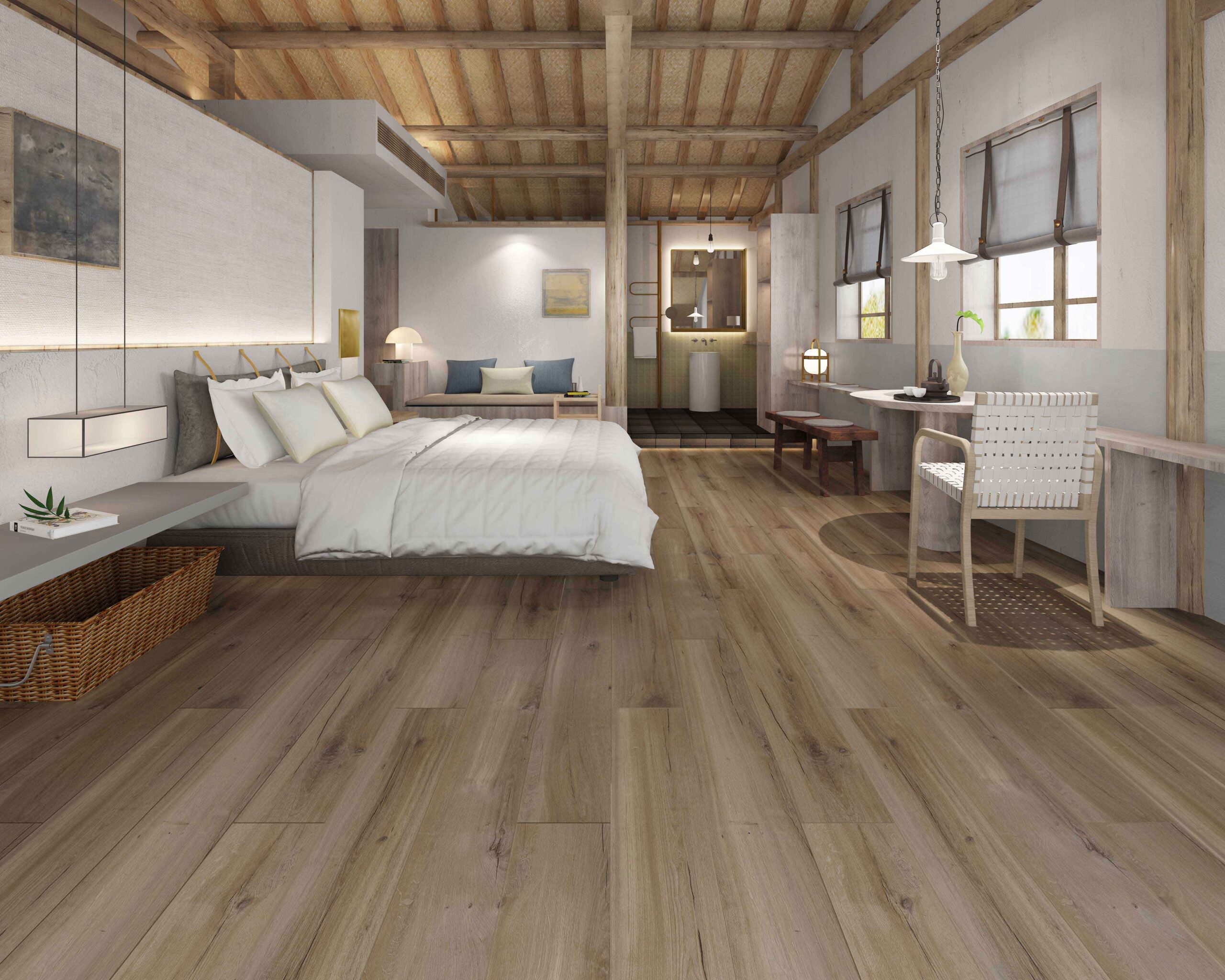
Laminate flooring in Singapore is commonly used in bedrooms, living rooms and studies. Its click-lock installation system makes it one of the fastest flooring types to lay, which is why it remains popular for BTO and HDB renovation projects on tight timelines.
Understanding AC Ratings
Laminate flooring is graded using the AC (Abrasion Class) rating system, which measures durability under foot traffic. Choosing the right AC rating is essential — an under-specified laminate will wear out prematurely.
| AC Rating | Durability Level | Recommended Use |
|---|---|---|
| AC1 | Light residential | Bedrooms with minimal traffic |
| AC2 | General residential | Living rooms, dining areas |
| AC3 | Heavy residential / light commercial | Hallways, home offices, small retail |
| AC4 | General commercial | Offices, cafes, showrooms |
| AC5 | Heavy commercial | Department stores, public buildings |
For most Singapore homes — including HDB flats and condominiums — AC3 is the minimum recommended rating. It handles daily family traffic, pets and furniture movement comfortably. Invest in AC4 if you have a high-traffic hallway or open-plan layout.
Pros and Cons for Singapore Homes
Advantages
- Affordable: Material costs range from $3 to $8 per square foot, making it one of the most value-friendly flooring options available.
- Quick installation: Click-lock systems allow a 3-room HDB flat to be completed in one to two days.
- Scratch-resistant surface: The aluminium oxide wear layer handles chair legs, pet claws and dropped objects well.
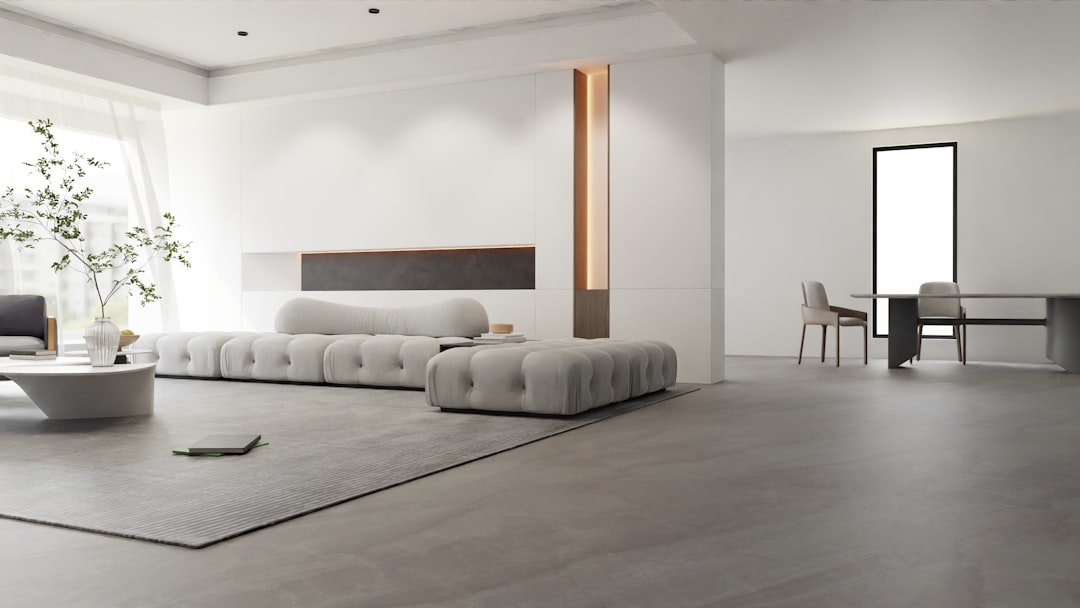
- Wide design range: Available in oak, walnut, teak, concrete and stone visuals across multiple plank widths.
- Overlay-friendly: Can be floated over existing tiles without hacking — ideal for renovation projects.
Limitations
- Not waterproof: The HDF core swells when exposed to standing water. Spills must be wiped up quickly, and laminate should not be used in bathrooms or kitchens without caution.
- Cannot be refinished: Once the wear layer is worn through, the floor must be replaced entirely.
- Hollow sound: Floating laminate can produce a hollow, clicking sound underfoot. Quality underlay reduces this but does not eliminate it.
- Moisture sensitivity: In Singapore’s high-humidity environment, poorly acclimatised laminate can buckle or gap at the joints.
- Not as realistic as hardwood: Despite advances in printing, laminate lacks the tactile warmth and grain depth of real timber.
Laminate vs Vinyl vs Engineered Hardwood
These three materials occupy overlapping price and performance brackets. Here is how they compare on the factors that matter most in Singapore:
| Feature | Laminate | Vinyl (SPC/LVT) | Engineered Hardwood |
|---|---|---|---|
| Surface | Printed image | Printed image | Real wood veneer |
| Water Resistance | Poor | Excellent | Low |
| Scratch Resistance | Good (AC3+) | Good | Moderate |
| Feel Underfoot | Hard, slightly synthetic | Softer, quieter | Warm, natural |
| Can Be Refinished | No | No | Yes (1–3 times) |
| Cost per Sq Ft | $3–$8 | $3–$8 | $6–$18 |
| Lifespan | 8–15 years | 10–20 years | 20–30 years |
The key takeaway: laminate and vinyl sit in the same price bracket, but vinyl outperforms laminate on water resistance and noise reduction. If your main concern is moisture — particularly for kitchens, service yards or ground-floor units — luxury vinyl is the safer choice.
If you want real wood and can invest more, engineered hardwood delivers an authentic feel that neither laminate nor vinyl can fully replicate.
Cost Breakdown for Singapore Homes
Here is what to budget for a laminate flooring project in Singapore:
| Component | Cost Per Sq Ft (SGD) |
|---|---|
| Material — AC3 entry-level | $3–$5 |
| Material — AC4 premium | $5–$8 |
| Installation (floating) | $1.50–$2.50 |
| Underlay | $0.50–$1.00 |
| Scotia/skirting | $1–$2 per linear foot |
For a 4-room HDB flat (approximately 900 sq ft), total costs typically range from $4,500 to $10,000 depending on the product chosen and whether existing flooring needs to be removed.
Installation Tips for Singapore Conditions
Getting laminate flooring right in Singapore’s climate requires attention to a few details that installers in temperate countries do not need to worry about:
- Acclimatise the planks: Leave unopened cartons in the installation room for at least 48 hours. This allows the HDF core to adjust to local temperature and humidity.
- Use a moisture barrier: Lay a polyethylene sheet over concrete or tiled subfloors before the underlay. This prevents ground moisture from reaching the HDF core.
- Leave expansion gaps: Maintain 8–10 mm gaps around all walls and fixed objects. Laminate needs room to expand in humid weather. Cover gaps with skirting or scotia moulding.
- Invest in quality underlay: A 2–3 mm foam or cork underlay dampens the hollow sound, provides cushioning and acts as an additional moisture barrier.
- Check subfloor levelness: The subfloor should be flat to within 3 mm over 1 metre. Uneven surfaces cause planks to rock and joints to separate over time.
Common Laminate Flooring Problems in Singapore
Understanding potential issues helps you take preventive measures or decide if laminate is right for your situation:
- Swelling at joints: Water seeping into the click-lock joints causes the HDF core to expand irreversibly. Once swollen, the damage is permanent — the affected planks must be replaced. This is the most common laminate failure mode in Singapore homes.
- Peaking: When laminate planks push against each other without sufficient expansion gaps, the joints lift upward creating a ridge. This typically occurs during Singapore’s humid monsoon months when the material expands. The fix is to trim the planks at the room perimeter to restore the expansion gap.
- Gapping: The opposite of peaking — during prolonged dry periods with constant air-conditioning, planks contract and visible gaps appear between boards. Some seasonal movement is normal, but persistent gapping indicates the room’s humidity is too low.
- Fading: Prolonged sun exposure through windows can bleach laminate flooring, particularly in west-facing rooms. UV-filtering window film or curtains help protect the floor.
Most of these issues are preventable with proper installation, reasonable humidity management and prompt spill cleanup. Laminate is not a set-and-forget material — it requires a basic level of care to perform well over its lifespan.
Frequently Asked Questions
Is laminated flooring the same as laminate flooring?
Yes — laminated flooring is simply the everyday term many Singaporeans use for laminate flooring. Both refer to the same product: a high-density fibreboard core with a printed decorative layer and protective overlay.
Can you use a steam mop on laminate flooring?
No. Steam drives moisture into the fibreboard core and joint edges, causing swelling that cannot be reversed. Laminate should be cleaned with a dry or barely-damp mop only.
How do you fix scratches or lifting in laminate flooring?
Fine scratches can be disguised with colour-matched repair wax or pens. Lifting or swollen boards cannot be repaired in place — the affected planks must be replaced, which is straightforward with click-lock systems if spare boards were kept.
Can you lay laminate flooring over tiles?
Yes, laminate floats over existing tiles on an underlay provided the surface is flat, with grout lines levelled where pronounced. Vinyl handles the same overlay with better moisture tolerance — worth comparing before committing.
Is Laminate the Right Choice for You?
Laminate flooring works best for homeowners who want a wood-look floor at an affordable price and can keep the surface dry. It is a solid choice for bedrooms, studies and living rooms in HDB flats, BTOs and condominiums.
However, if water resistance is important — or if you want a floor that lasts beyond 15 years — consider upgrading to vinyl or engineered hardwood. Goodrich Global carries options across all three categories, so you can compare materials and finishes in one place. Seeing and touching the materials side by side is the most effective way to decide which product tier meets your expectations for look, feel and performance.
Visit the Goodrich Gallery to see our full flooring collection, or get a free quote for your project today.