Carpet & Flooring
Large Rugs for Living Rooms: Sizing Guide for Singapore
Why Size Matters When Choosing a Living Room Rug
A large rug does what no other single furnishing can: it unifies a seating arrangement, anchors the room, and makes the entire space feel considered and complete. Conversely, a rug that is too small for the room creates a disconnected, floating effect that undermines even the most carefully chosen furniture.
In Singapore’s predominantly hard-floored homes, a large living room rug also solves practical problems. It reduces echo in open-plan layouts, adds warmth to tile and vinyl surfaces, and creates a clear visual boundary between living and dining zones in combined spaces.
Getting the size right requires understanding both your room dimensions and your furniture layout. This guide provides the specific measurements and principles you need for Singapore’s most common living room configurations.
Rug Sizing for Common Singapore Living Rooms
Singapore homes follow relatively standardised floor plans, which makes rug sizing recommendations more specific than general guidelines can offer.
| Home Type | Typical Living Room | Recommended Rug Size |
|---|---|---|
| 3-room BTO/HDB | 3.5 m x 3.5 m | 160 x 230 cm or 200 x 290 cm |
| 4-room BTO/HDB | 4.0 m x 3.8 m | 200 x 290 cm or 200 x 300 cm |
| 5-room HDB | 4.5 m x 4.0 m | 250 x 350 cm or 240 x 340 cm |
| Executive HDB | 5.0 m x 4.5 m | 250 x 350 cm or 300 x 400 cm |
| Standard condo | 4.0 m x 5.0 m | 240 x 340 cm or 250 x 350 cm |
| Landed property | Varies widely | 300 x 400 cm or custom |
The Front-Legs Rule
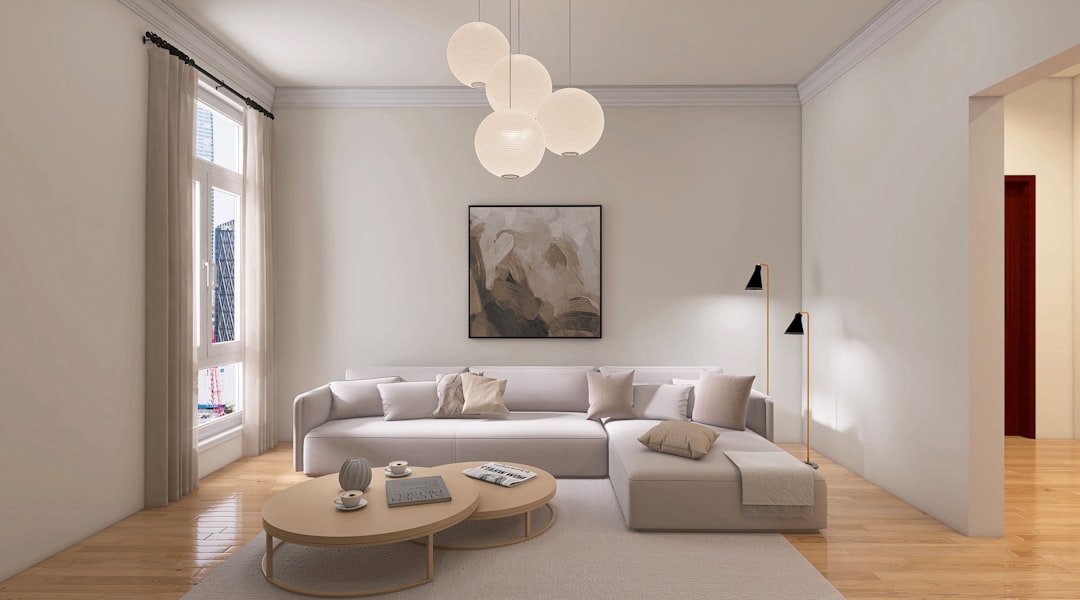
The most reliable layout principle places the front legs of all seating furniture on the rug while the back legs remain on the floor. This creates a unified seating arrangement and a clean border of floor around the rug’s edge. Leave 30 to 45 cm of exposed floor between the rug edge and the wall.
The All-On Rule
In larger rooms, placing all furniture legs on the rug creates a cohesive, luxurious island of furnishing. This requires a significantly larger rug but produces the most polished result. It works best in spacious landed properties and executive condominiums.
Large Rug Layouts for Open-Plan Spaces
Open-plan living and dining areas, standard in most modern Singapore homes, present a specific challenge. The rug must define the living zone without making the space feel divided or cluttered.
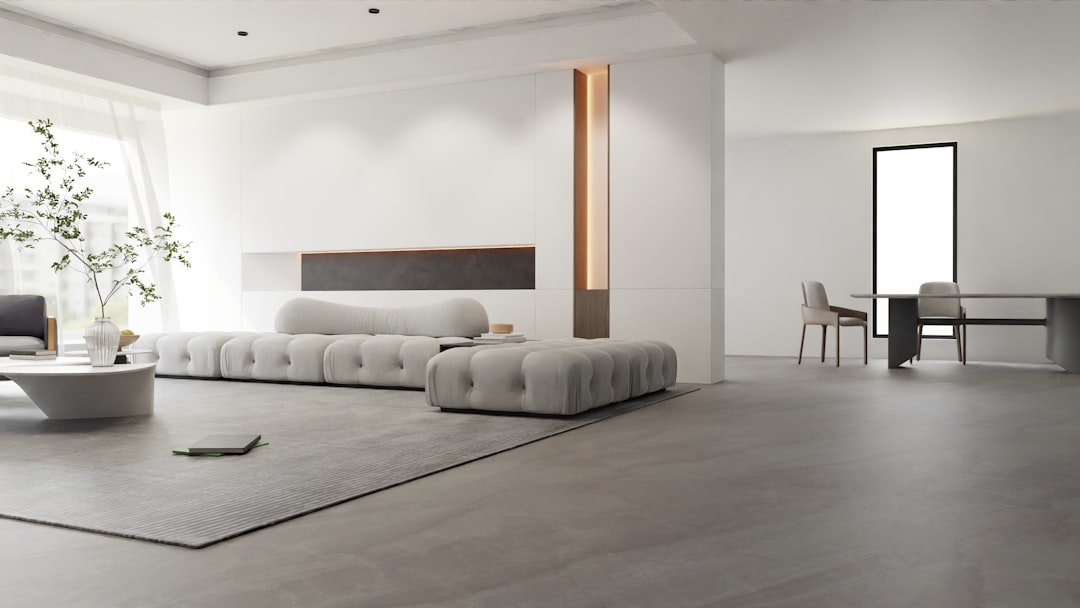
Single large rug: One oversized rug under the entire seating arrangement creates a clear living zone. The dining area remains on hard flooring, which is practical for cleaning under the dining table. This is the most common and effective approach.
Two coordinating rugs: A rug under the seating and a second under the dining table defines both zones. Choose rugs from the same colour family but in different patterns or textures to create distinction without discord.
L-shaped layouts: Some HDB and condo living rooms are L-shaped. Here, a large rectangular rug in the main seating area works best, with the dining table on the hard floor in the shorter section of the L.
For any layout, ensure your rug complements the existing flooring beneath it. The border of exposed floor becomes part of the visual composition.
Materials for Large Living Room Rugs
Material choice affects durability, maintenance, and comfort. For living room rugs, durability takes priority since these are high-traffic areas.
- Polypropylene: The most practical choice for family living rooms. Resistant to stains, moisture, and fading. Affordable in large sizes. Easy to clean with regular vacuuming and spot treatment.
- Nylon: Excellent resilience and durability. Bounces back from furniture compression and foot traffic. A strong choice for households with children and pets.
- Wool: The premium option for living rooms where comfort and quality take precedence. Naturally soil-resistant and durable. Requires professional cleaning but ages beautifully.
- Flat-weave (cotton, wool, or blends): Thin, lightweight, and easy to clean. Suits modern and minimalist interiors. Less cushioning underfoot but practical and versatile.
- Jute and sisal: Natural fibre options that bring organic texture. Best used with a rug pad for comfort. Not ideal for areas prone to spills.
Design and Pattern at Scale
Pattern reads differently at large scale than on small sample swatches. A pattern that looks busy on a small rug may read as a subtle texture when spread across a 250 cm x 350 cm surface.
For large rugs, consider these pattern guidelines. Bold geometric patterns create strong visual anchors that define the space. Abstract and painterly designs function as floor-level art, adding creativity to the room. Textured solids provide warmth and definition without competing with other patterns in the room.
If your sofa and cushions already feature patterns, choose a plainer rug. If your furnishings are solid-coloured, the rug is your opportunity to introduce pattern. This push-and-pull between patterned and plain elements keeps the room balanced.
Coordinate your rug choice with your fabric selections for curtains and cushions. A unified colour story across floor and soft furnishings creates a professionally designed look.
Practical Advice for Buying Large Rugs in Singapore
Measure twice: Before shopping, tape the intended rug dimensions on your floor using painter’s tape. Live with the marked area for a day to confirm the proportions feel right with your furniture arrangement.
Consider delivery access: Large rugs are heavy and bulky. Check that your lift, corridors, and doorways can accommodate the rug dimensions when rolled. Most large rugs can be folded for delivery, but some materials resist folding without creasing.
Use a rug pad: Always use a non-slip rug pad beneath a large rug on hard flooring. This prevents shifting, protects both the rug and the floor, and adds cushioning. In Singapore’s humid climate, a breathable rug pad also prevents moisture from becoming trapped underneath.
Plan for cleaning: Large rugs cannot easily be taken to a laundry. Plan for in-home professional cleaning from the outset. Alternatively, choose materials that are fully manageable with regular vacuuming and occasional spot cleaning.
Consider rug tiles: For very large spaces or awkward room shapes, modular rug tiles or carpet tiles offer an alternative. They can be configured to any size, replaced individually if damaged, and lifted for floor cleaning.
Shape considerations: While rectangular rugs are the most common choice for living rooms, round and oval rugs suit certain layouts. A round rug works well beneath a round coffee table or in a circular seating arrangement. However, in the predominantly rectangular living rooms found in Singapore HDB flats and condominiums, rectangular rugs typically produce the most harmonious proportions.
Colour and pattern at scale: Remember that colour appears more intense on a large rug than on a small swatch. A bold colour that looks attractive on a 30 cm sample may feel overwhelming when spread across a 250 cm x 350 cm floor area. For large rugs, muted tones and subtle patterns are generally safer choices. If you prefer bold colours, consider a rug with a neutral base accented by coloured details rather than a fully saturated field of colour.
Pair your large rug with coordinating drapery and soft furnishing fabrics to create a cohesive, professionally designed living room.
Finding the right large rug is easier when you can see and feel the options in person. Request free samples from our Singapore showroom and compare materials, textures, and colours in your own home.