Interior Design
Modern Contemporary Interior Design Ideas | Goodrich Global
Modern contemporary interior design remains one of the most sought-after styles in Singapore, blending clean aesthetics with functional living. Whether you are renovating an HDB flat, upgrading a condominium, or furnishing a landed property, this versatile approach creates spaces that feel both current and timeless.
Unlike strictly modern design, which refers to a specific mid-20th-century movement, contemporary design is fluid. It borrows from multiple eras while maintaining a commitment to simplicity, open spaces, and thoughtful material selection.
What Defines Modern Contemporary Interior Design?
Modern contemporary interior design is characterised by several core principles that distinguish it from other styles. Understanding these fundamentals helps you make cohesive decisions across every room.
Clean Lines and Minimal Ornamentation
Furniture and architectural details favour straight edges, gentle curves, and uncluttered profiles. Crown mouldings, ornate carvings, and heavy trimmings are replaced by flush panels, recessed handles, and streamlined silhouettes.
Neutral Colour Palettes with Strategic Accents
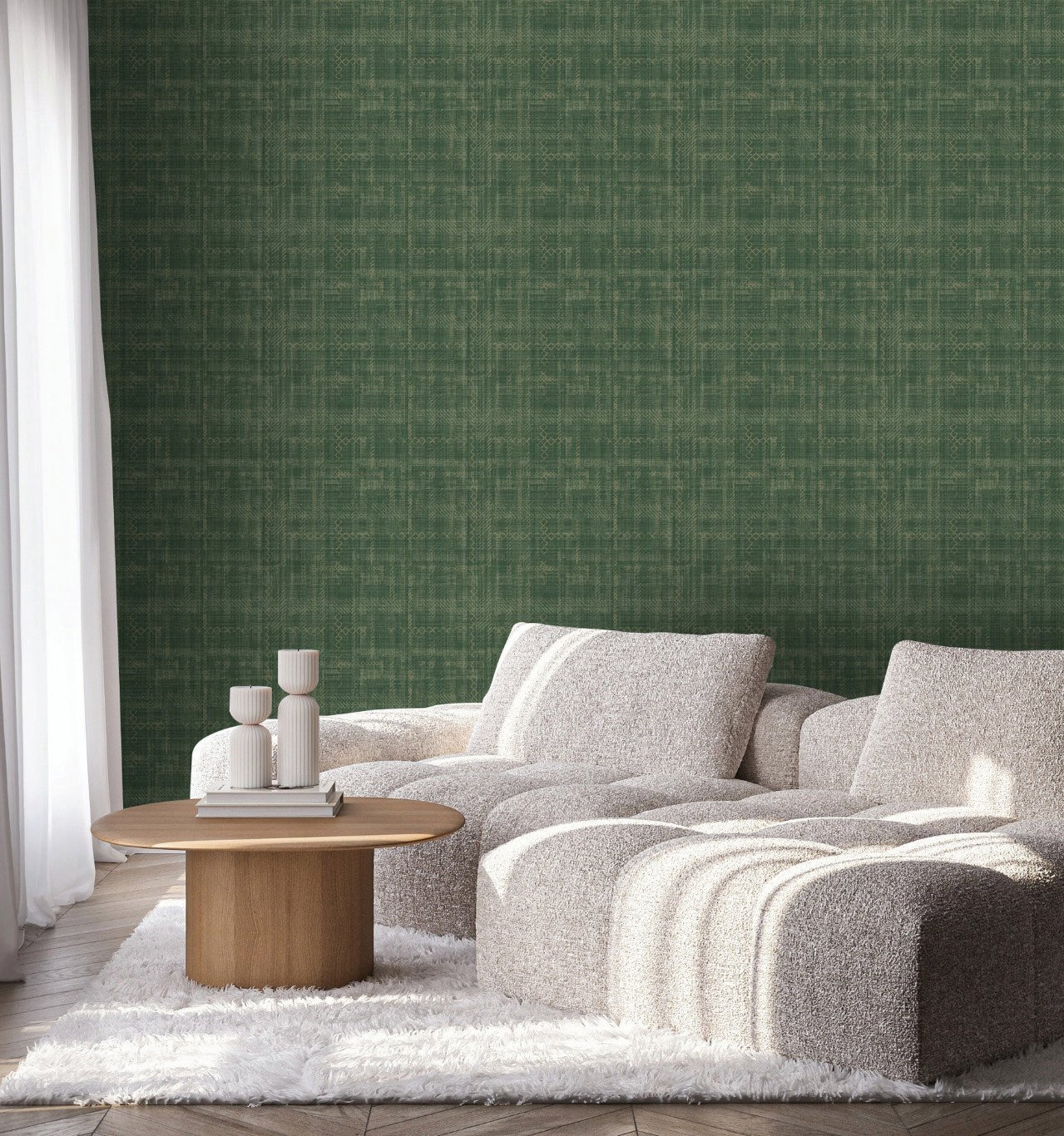
The foundation typically rests on whites, greys, beiges, and taupes. Colour enters through deliberate accent pieces — a textured cushion, a statement wallpaper panel, or a richly toned upholstery fabric. This restraint prevents visual clutter while allowing personality to emerge.
Emphasis on Texture and Materiality
Without heavy ornamentation, texture does the heavy lifting. Linen drapery against a smooth plastered wall, a bouclé sofa on luxury vinyl flooring, or a fluted wall panel beside a matte-painted surface — these contrasts create depth without complexity.
Key Materials for a Modern Contemporary Home in Singapore
Material selection is where modern contemporary design succeeds or falls flat. In Singapore’s tropical climate, durability and moisture resistance must inform every choice alongside aesthetics.
Flooring
Luxury vinyl tile (LVT) and stone polymer composite (SPC) flooring are the practical backbone of contemporary Singapore homes. They deliver realistic wood and stone finishes without the warping risk that solid timber faces in high humidity. Wide-plank formats in oak and walnut tones suit the style perfectly, offering warmth without visual busyness.
For those seeking a more industrial or minimalist look, micro-cement finishes provide a seamless, grout-free floor that complements contemporary furniture. Explore Goodrich Global’s flooring collection for options that pair well with contemporary interiors.
Walls
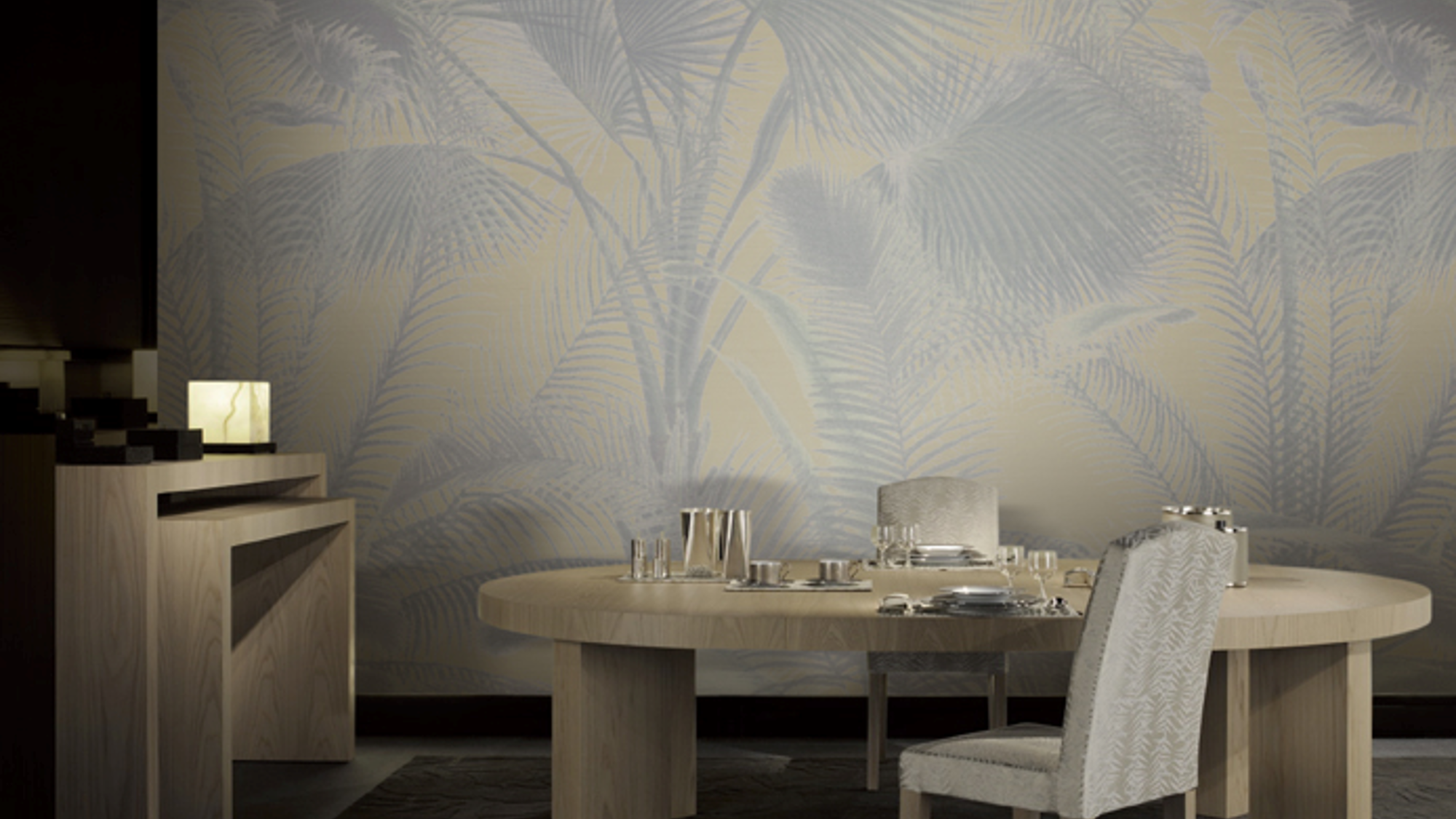
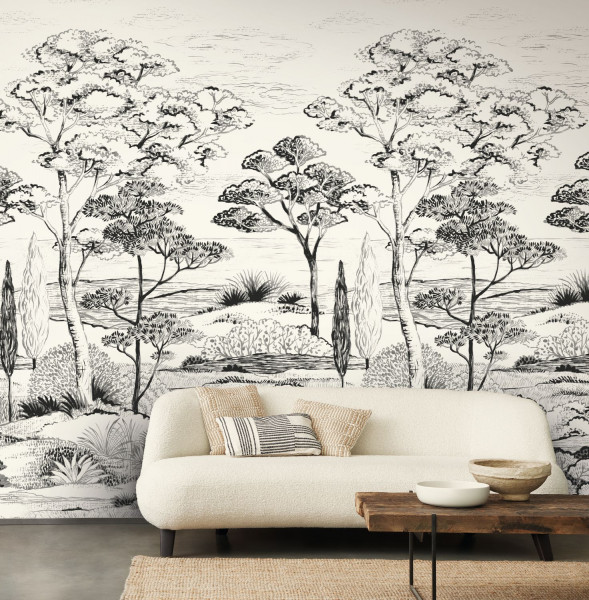
Contemporary walls are rarely left as plain painted surfaces. Textured wallcoverings in subtle geometric or organic patterns add dimension without overwhelming a room. Japanese-made wallpapers, known for their refined textures and muted colour ways, are particularly well-suited to this style.
Fluted panels and wainscoting in clean, modern profiles also work well as accent walls in living rooms and bedrooms. These architectural details create shadow lines that animate a space throughout the day as natural light shifts.
Fabrics
Upholstery and drapery fabrics in contemporary interiors lean towards natural fibres and performance blends. Linen-look polyesters offer the relaxed texture of natural linen with superior stain resistance — a practical consideration for families with young children or pets. Neutral-toned curtain fabrics in sheer or semi-sheer weaves filter Singapore’s abundant sunlight while maintaining privacy.
Modern Contemporary Design for Different Property Types
Singapore’s diverse housing landscape means that contemporary design must adapt to different spatial constraints and regulations.
HDB Flats
In three-room to five-room HDB flats, the open-plan living and dining layout naturally suits contemporary design. Keep the colour palette light to maximise the sense of space. Use consistent flooring throughout common areas — a single LVT design running from the living room through the kitchen creates visual continuity that makes compact flats feel larger.
Feature walls behind the television console or sofa are a practical way to introduce texture. A single panel of textured wallpaper in a warm grey or taupe avoids the cost and disruption of built-in carpentry while delivering significant visual impact.
Condominiums
Condos typically offer more ceiling height and larger windows than HDB flats, which gives contemporary design room to breathe. Floor-to-ceiling sheer curtains in a linen weave soften the hard edges of glass and concrete while framing views. Wider furniture proportions — a generous sectional sofa, an oversized dining table — anchor the space without filler pieces.
Landed Properties
Landed homes allow for grander gestures. Double-volume living rooms benefit from statement wallcoverings that extend from floor to ceiling, creating a sense of scale. Outdoor-indoor transitions — common in terrace and semi-detached houses — can be unified with composite decking that echoes the tone of interior flooring.
Common Mistakes to Avoid
Contemporary design looks effortless when executed well, but several pitfalls can undermine the result.
Over-Relying on White
An all-white interior may photograph well but can feel sterile and impractical in daily life. Introduce warmth through off-white tones, timber-look flooring, and tactile fabrics. Greige — a blend of grey and beige — is a more forgiving foundation colour that reads as clean without feeling clinical.
Ignoring Proportion
Contemporary furniture tends to sit low and wide. Placing a small two-seater sofa in a large living room, or an oversized coffee table in a compact HDB flat, disrupts the visual balance the style depends on. Measure carefully and consider how each piece relates to the room’s dimensions.
Neglecting Soft Furnishings
Hard surfaces dominate contemporary interiors — polished floors, smooth walls, glass, and metal. Without soft furnishings to absorb sound and add warmth, the space can feel cold and echoey. Layered curtains, upholstered seating, and even a well-placed carpet tile area rug restore comfort without sacrificing style.
How to Layer Textures Like a Designer
Texture layering is the technique that separates a well-designed contemporary interior from a flat, catalogue-like one. The principle is straightforward: combine at least three different textures within each visual zone.
In a living room, this might mean pairing a smooth leather armchair with a bouclé sofa throw and a ribbed wallcovering behind the shelving unit. In a bedroom, consider a linen-textured headboard wall, silk-blend curtain fabric, and SPC flooring with a subtle wood grain.
The key is contrast. Place rough beside smooth, matte beside sheen, woven beside flat. Each material becomes more interesting in the company of its opposite. Browse Goodrich Global’s fabric range for upholstery and drapery options that add tactile depth to contemporary schemes.
Final Thoughts
Modern contemporary interior design endures because it prioritises comfort, clarity, and quality materials over fleeting trends. In Singapore’s compact urban environment, its emphasis on openness and restrained elegance makes it a particularly smart choice for homes of every size.
Success lies in the details — the texture of a wallcovering, the grain of a vinyl plank, the drape of a curtain fabric. Get these right, and the space speaks for itself.
Book an appointment with our design consultants to explore materials for your modern contemporary project.